The Aesthetics of Age in Caudex Plants | Temporal Change, Bark Character, and Evaluating Old Specimens
Explaining the beauty brought by temporal change in caudex plants. Learn how bark cracks, silvery skin, and scars tell the weight of time, how to develop an appreciation for old specimens and determine their value, and management techniques for maintaining aged plants in good health.
Key Takeaways
Explaining the beauty brought by temporal change in caudex plants. Learn how bark cracks, silvery skin, and scars tell the weight of time, how to develop an appreciation for old specimens and determine their value, and management techniques for maintaining aged plants in good health.
Related Species
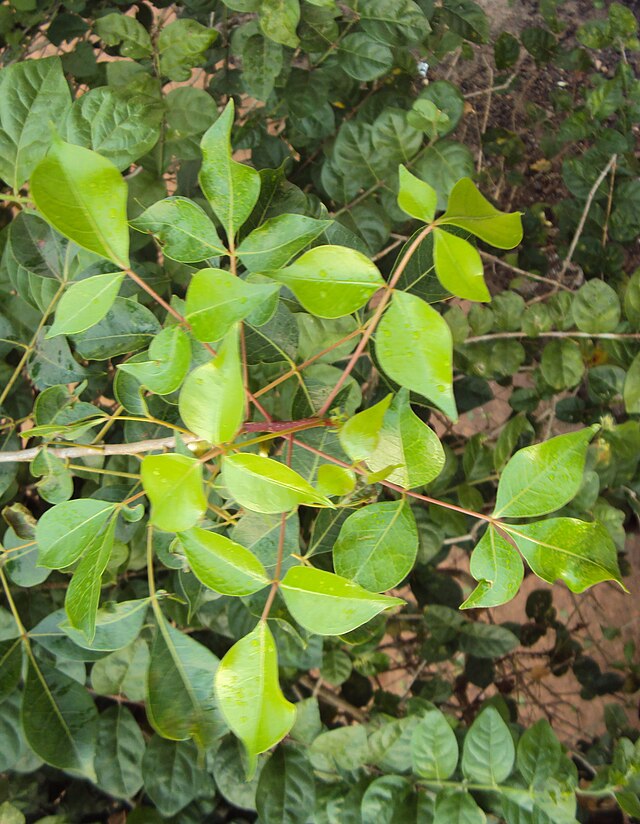
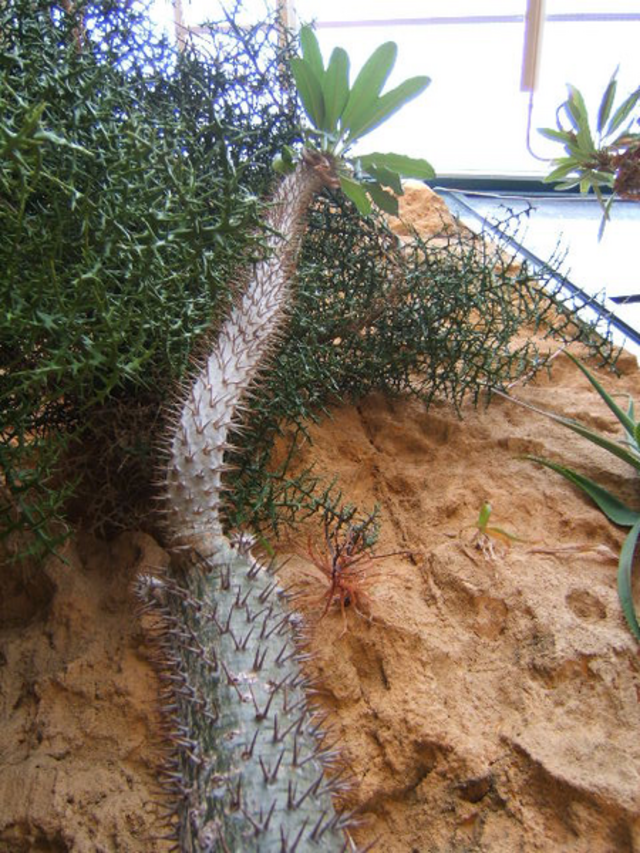
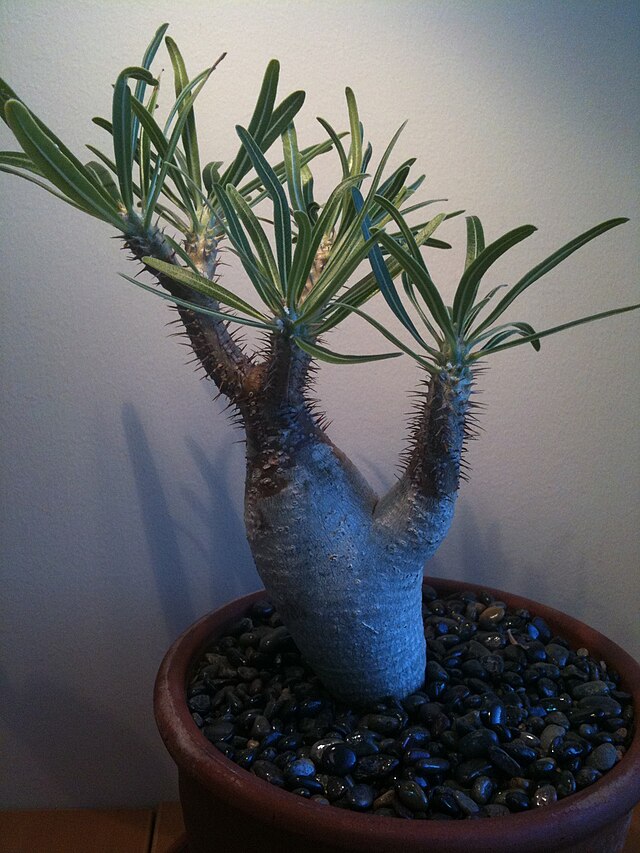
The appeal of caudex plants extends far beyond their swollen roots and unusual forms. An ancient specimen (old specimen) that carries the rings of decades—sometimes exceeding 100 years—possesses an overwhelming presence that young seedlings cannot match.
In the world of bonsai, "age" itself has long been considered the ultimate measure of value. Caudex plants follow the same principle: the bark textures born from temporal change, deepening color, and the narrative written by scars elevate a plant from a mere living organism into a work of art. This article explores the appreciation of temporal change in caudex plants and the management techniques for maintaining old specimens in robust health.
Five Aesthetic Elements Created by Temporal Change
1. Bark Cracking
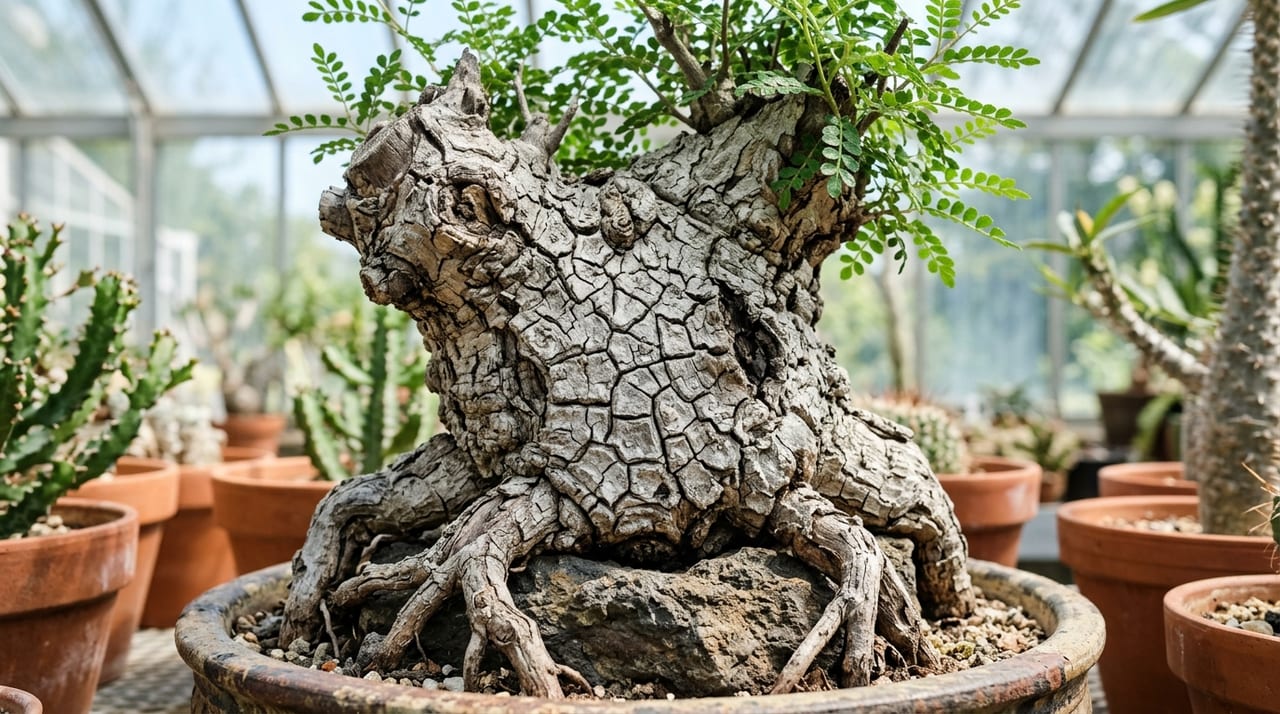
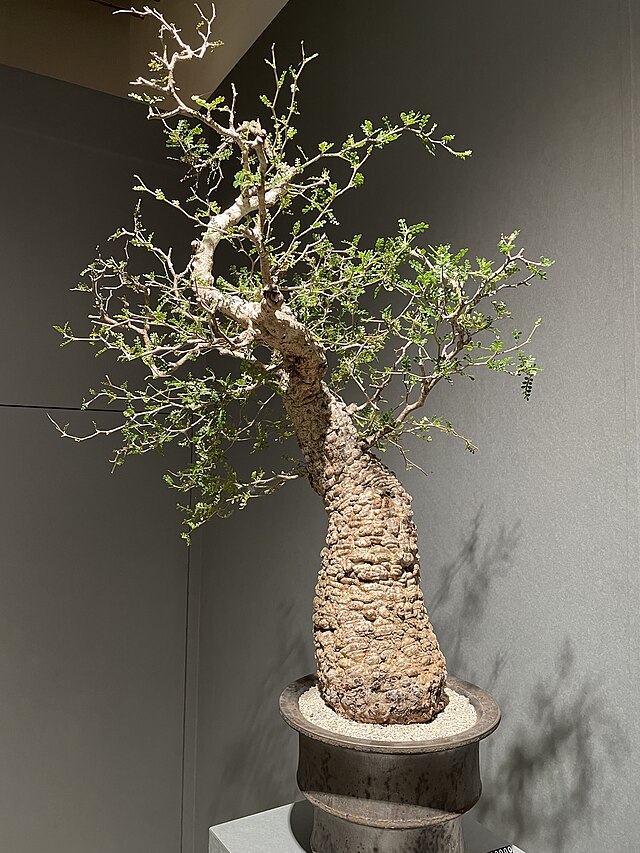
As the trunk of a caudex plant grows thicker, the outer bark cannot keep pace with internal expansion, creating cracks running vertically and horizontally. This cracking serves as a barometer of tree age, and particularly in Pachypodium geayi and Operculicarya pachypus, the deeply etched fissures create a ruggedly expressive character.
- Pachypodium geayi: Young specimens have smooth, silvery-green bark, but as they pass 10 years of age, cracks begin appearing at the base of the trunk. By 20+ years, the entire trunk becomes covered in rough, knobby bark with a rocky texture.
- Operculicarya pachypus: The cracking in this species is particularly beautiful, with fine mosaic-like fissures covering the entire trunk. As specimens age, these mosaics become finer and denser, completing a distinctive texture known as "elephant skin."
2. Silver Skin
Many species in the Pachypodium genus develop a silvery-gray surface coloration on the trunk as they mature. This "silver skin" emerges as new epidermis layers form over old ones, creating subtle shifts in luster depending on the angle of light.
The beauty of silver skin is most prominent in wild-collected specimens (wild-origin), with plants exposed to Madagascar's intense ultraviolet rays and dry winds developing deeper, more lustrous silver tones. Domestically propagated seedlings will eventually develop silver skin with age, but they rarely achieve the dramatic impact of wild-origin stock.
3. Scars and Nodules
In their native habitat, branch breakage from strong winds, fissures during dry seasons, and recovery from disease—all these are evidence of the plant's survival history.
Around scar tissue, callus forms as a repair response, gradually creating distinctive nodular protrusions over time. This connects to bonsai aesthetics of "shari" and "jin," where scars accentuate individual character.
In aged specimens of Boswellia and Commiphora, exuded resin sometimes solidifies into an amber color, becoming gem-like focal points.
4. Root Exposure (Root Development Over Ground)
Over many years, roots exposed at soil level become thick and complexly intertwined, creating sculptural forms where above-ground trunk and roots merge into unified compositions.
- Operculicarya pachypus: One of the most prized species for root development. In nature, roots spread between rocks, and root, trunk, and branches naturally form unified, bonsai-like structures.
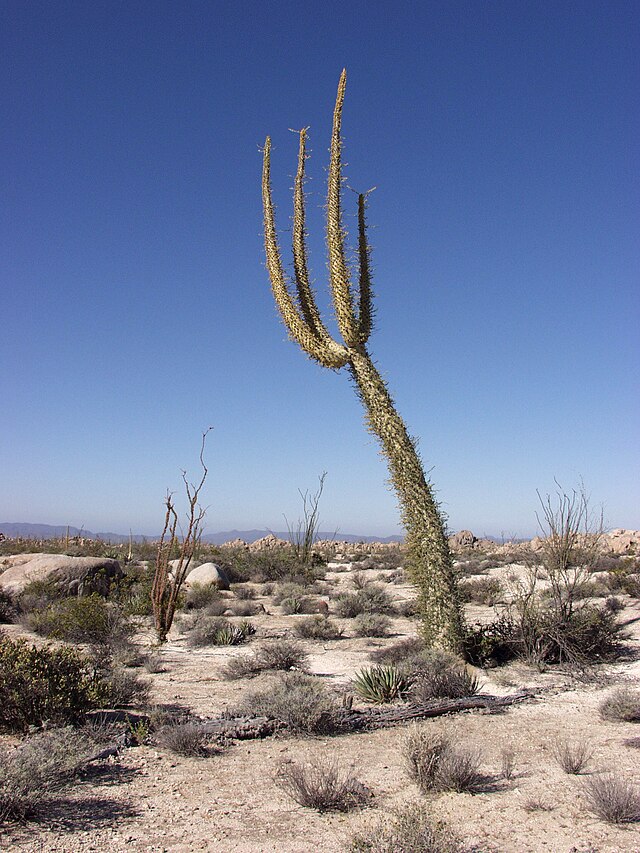
- Fouquieria columnaris (Boojum Tree): The radiating roots extending from its cone-like trunk become increasingly thick and sturdy with age, creating a sense of stability and power.
5. Branch Dieback and Natural Form
In aged specimens, some branches naturally die off, creating contrast between living and dead branches that produces distinctive visual interest. This corresponds to the bonsai aesthetic of "jin" and "shari," and many enthusiasts find profound beauty in the coexistence of life and death.
In old Pachypodium specimens, "branch scars" remaining where branches once existed form regular patterns, creating geometric designs. These scar patterns are themselves a highlight unique to specimens bearing the weight of years.
Developing an Appreciation for Old Specimens
Reading Tree Age
While determining exact age from appearance alone is difficult, several clues exist.
- Ratio of trunk thickness to height: Since caudex plants grow slowly, thicker trunks generally indicate greater age. However, growth rates vary considerably depending on light, moisture, and nutrition.
- Degree of bark development: Young specimens have smooth epidermis, while older plants show increased cracking and bark thickness.
- Number of branch divisions: How many times branches subdivide indicates growth years. Since Pachypodium branches 1-2 times annually, approximate age can be estimated from branch count.
- Caudex section wood density: Young specimens have relatively soft caudex sections, but as they age, wood density increases, producing solid "knock" sounds when tapped.
Determining Value
The value of old specimens is determined by more than simply being "old."
Highly valued elements:
- Balance between trunk/caudex thickness and form
- Depth and beauty of bark texture
- Degree of root development
- Overall form (symmetry or interesting asymmetry)
- Health status (whether actively growing despite age)
- Provenance and origin information (which region the specimen came from)
Important considerations:
- Absence of hollow sections in trunk (verify by sound when tapping)
- Absence of advancing rot (check for soft spots)
- Grafting or repair scars (not inherently negative but may affect valuation)
For pricing reference, The Caudex Plant Market Value Guide is also helpful.
Management Techniques for Maintaining Old Specimens
Old specimens have more stable metabolism than young plants, making care easier in some respects. However, maintaining the form developed over many years requires certain considerations.
Watering Should Be Restrained
Old specimens store sufficient moisture in their caudex sections and do not require frequent watering like younger plants. Even during the growing season, allowing soil to completely dry and then waiting several more days is sufficient. Root rot from excess moisture is the greatest risk for losing valuable old specimens.
Repotting Should Be Minimal
Old specimen roots are thick and well-developed, and frequent repotting risks root damage. Plan for repotting every 3-5 years, and when repotting, avoid severely pruning roots; simply refresh old soil with new growing medium. For detailed procedures, see Complete Caudex Plant Repotting Guide.
Light and Air Circulation
While fundamental for all plants, insufficient light causes old specimens to become leggy, risking collapse of the compact forms developed over decades. Manage specimens under direct outdoor sunlight during the growing season, providing full ultraviolet exposure to both promote growth and encourage silver skin development.
Winter Temperature Management
Old specimens tend to have slightly better cold tolerance than young plants, but most species are safest kept above 10°C. Large specimens are cumbersome to bring indoors, but monitor minimum temperatures carefully during winter. See also Complete Caudex Plant Winter Care Guide.
Pest and Disease Prevention
Scale insects and similar pests easily hide in the crevices of aged bark. Periodically clean bark gaps with a soft brush, applying insecticide as needed. Additionally, water pooling in deep cracks can cause rot; wiping accumulated water from the trunk after watering is an effective preventive measure.
The Joy of "Growing" Temporal Change
Beyond purchasing and appreciating old specimens, enjoying the process of temporal change in plants raised from seed represents one of the greatest pleasures of caudex cultivation.
Changes at Five Years
Around five years from seed, the caudex section noticeably begins swelling, with initial surface changes appearing on the trunk. Depending on species, some plants may produce their first flowers at this stage.
Changes at Ten Years
The caudex section develops distinctive character, with faint cracking appearing on the surface epidermis. This is an emotional period when weight and time become manifest in "your own cultivated specimen."
Twenty Years and Beyond
The form truly develops the character of an "old specimen." Trunk thickness, bark texture, branching pattern—everything forms a unique "face" specific to that individual. Even seedlings of the same species planted on the same day diverge into completely different forms by their twentieth year, revealing plant individuality and the influence of cultivation conditions.
Acquiring and Collecting Old Specimens
Wild-Collected Specimens (Wild-Origin)
Wild-collected specimens legally imported from natural habitats in Madagascar and Africa may have ages of 50 to over 100 years. However, regulations under CITES (Convention on International Trade in Endangered Species) apply; always verify that specimens have been imported through proper channels. See Caudex Plant Import Regulation Guide for detailed regulations.
Long-Term Domestic Cultivation Specimens
Specimens cultivated in Japan for 20+ years have adapted to Japanese climate and are easier to maintain. Specimens with clear provenance, where management history is known, provide peace of mind. For what to check when purchasing, see also Caudex Plant Buying Guide.
Auctions and Plant Sales Events
Large old specimens occasionally appear at sales events and auctions. Plant sales events where you can physically handle specimens provide the best opportunity to check trunk hardness, weight, and overall balance.
Summary
"Age" in caudex plants is not a defect but their greatest appeal. Fissured bark, silvery lustrous skin, scars that narrate survival stories—all are sculptures carved by time, the ultimate artist.
When acquiring a young seedling, try cultivating it while imagining its form ten or twenty years hence. As your eyes develop to notice daily subtle changes and your dialogue with the plant deepens, the aesthetics of "age" will naturally become apparent.
And when you finally hold an old specimen, touching its weight and presence, you will rediscover the profound depth of the caudex plant hobby anew.