Succulent Encyclopedia
Encyclopedia of popular succulents with care guides, traits, and propagation methods.
Featured Succulent
Showing 92 of 129 species(73–92)
 © Agnieszka Kwiecień, Nova / CC BY-SA 4.0
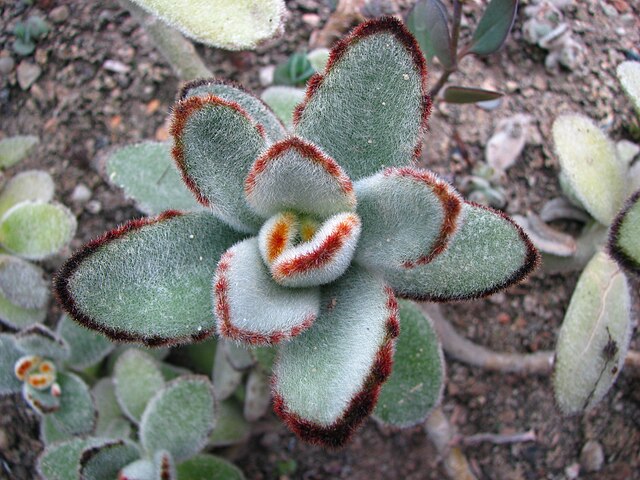
Panda Plant
Kalanchoe tomentosa
A cute succulent with fuzzy leaves like rabbit ears. Brown spots along leaf edges.
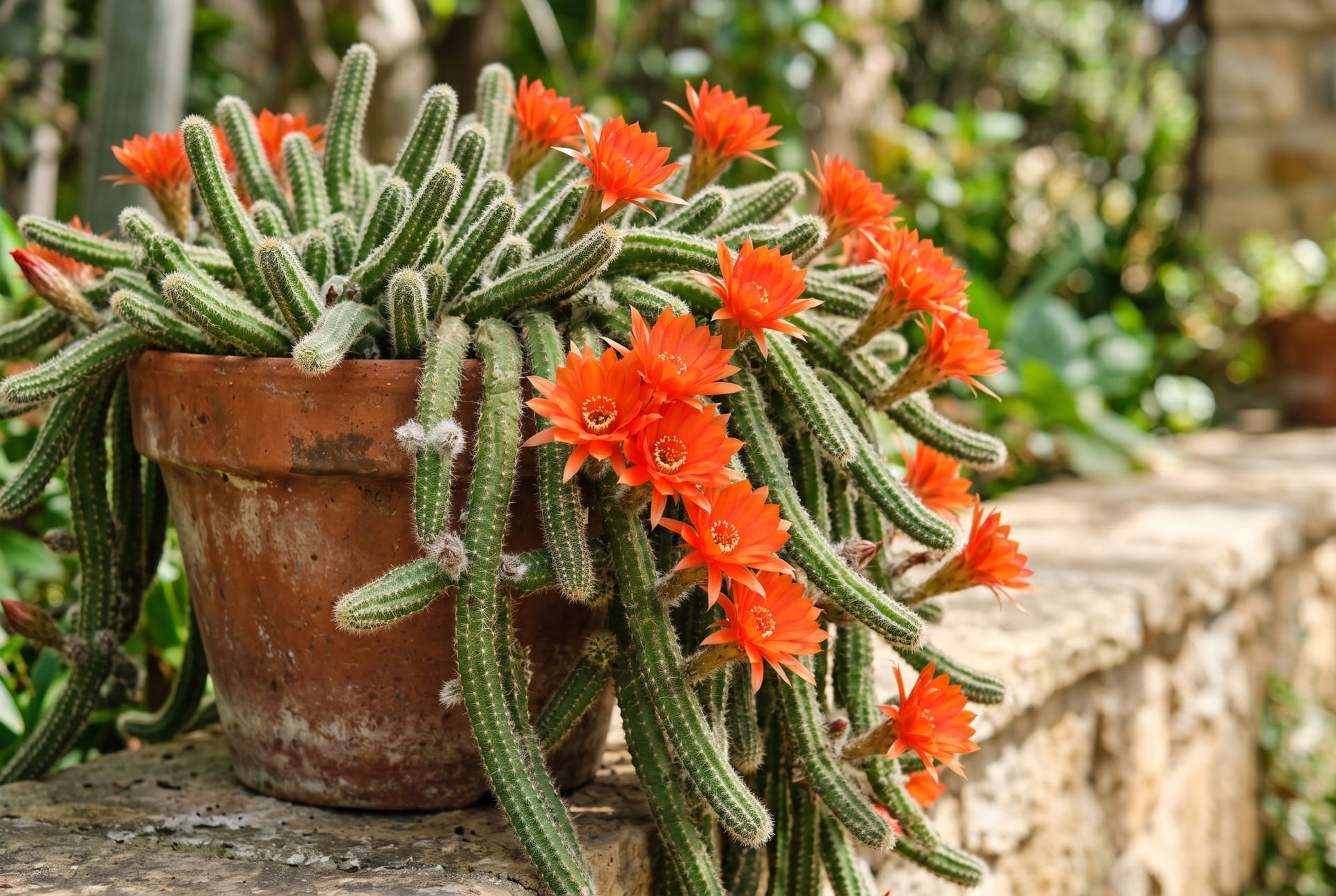
Peanut Cactus
Echinopsis chamaecereus
A small cactus of finger-like stems that cluster and trail, opening a succession of vivid orange-red flowers. Hardy and free-flowering, it is an easy favorite.
 © Agnieszka Kwiecień, Nova / CC BY-SA 4.0
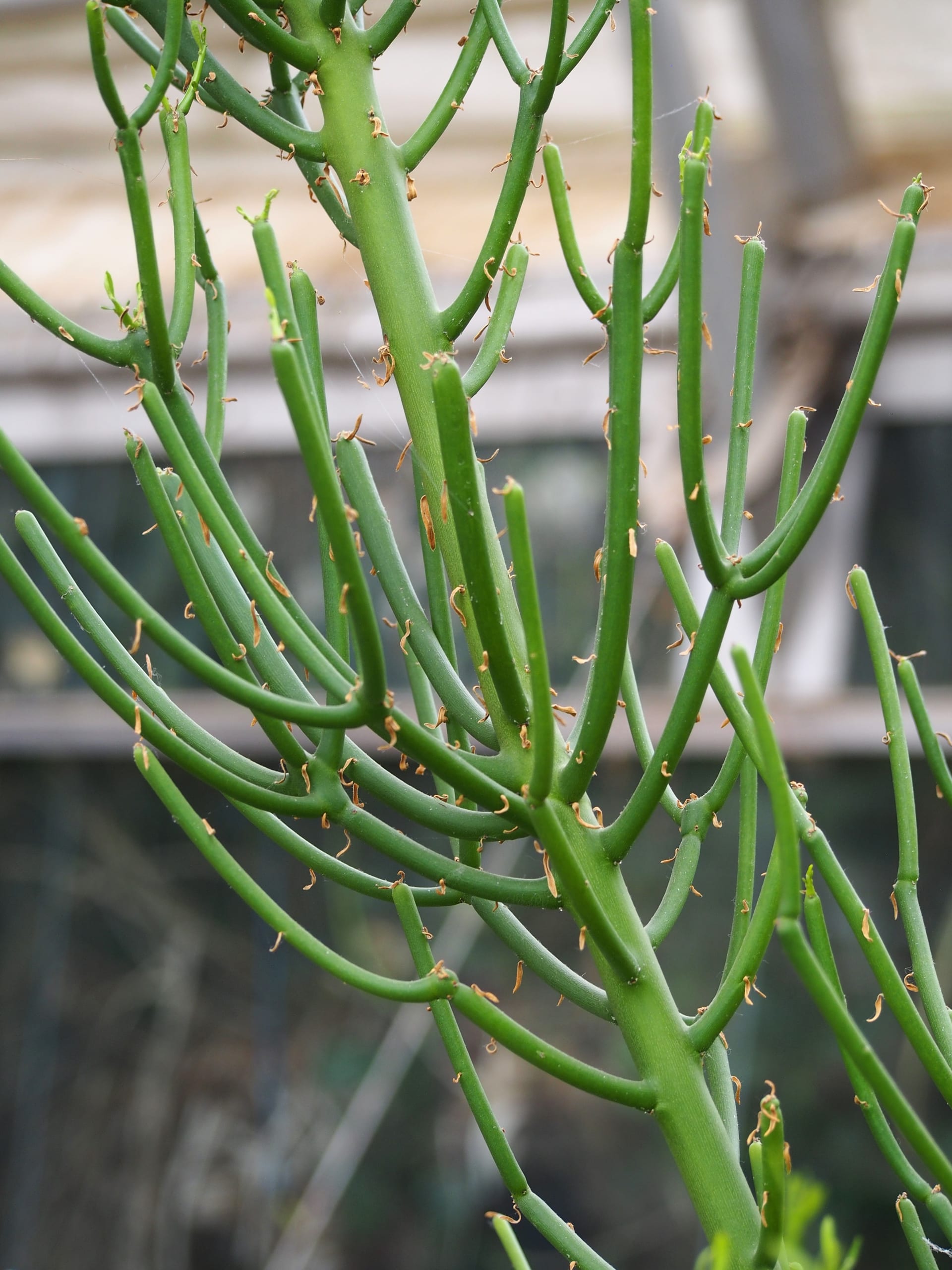
Pencil tree / Milk bush
Euphorbia tirucalli
A Euphorbia that branches into countless pencil-thick green stems, looking like coral. It has no spines and its leaves drop early. The name refers to its white latex, which is highly toxic.
 © Serge Melki from Indianapolis, USA / CC BY 2.0
Peruvian Apple Cactus
Cereus repandus
A large columnar cactus growing straight up. Highly popular as interior accent.
 © Frank Vincentz / CC BY-SA 3.0
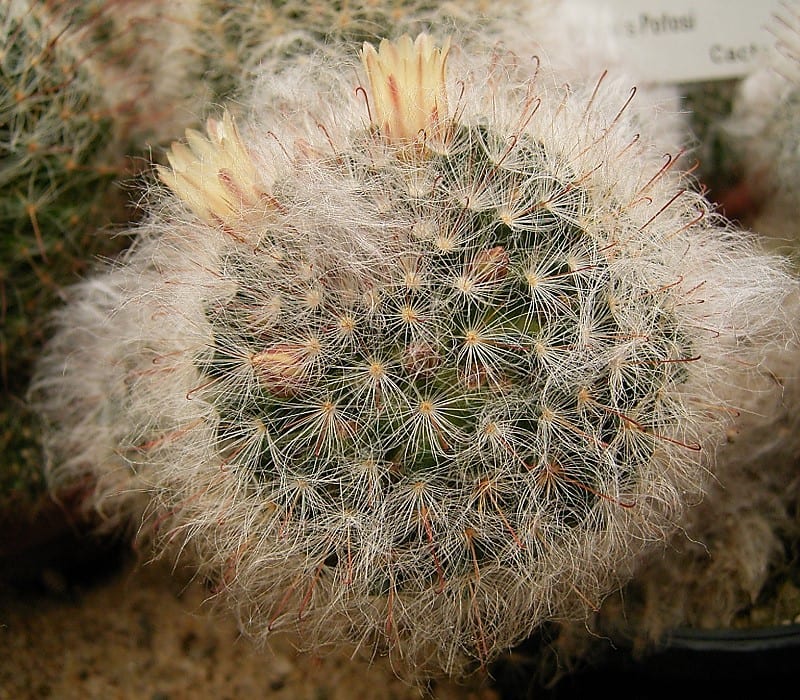
Powder puff cactus
Mammillaria bocasana
A Mammillaria covered in silky white hair-like spines, like a ball of cotton. Hidden beneath are brown central spines hooked like fish-hooks, so handle it with care.
 © Marcin Sochacki (Wanted) / CC BY-SA 4.0
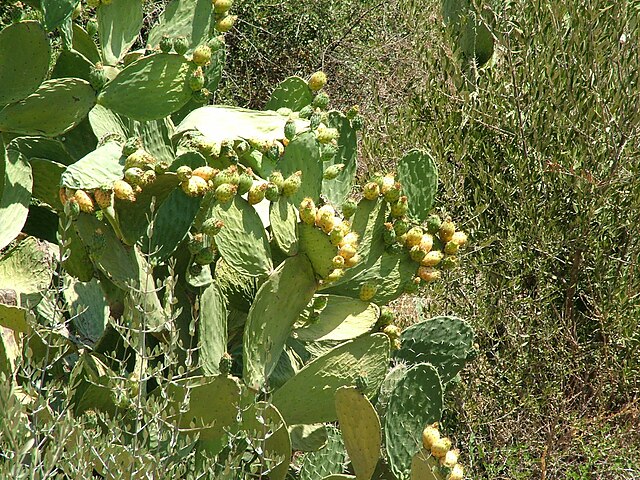
Prickly Pear
A cactus with flat paddle-shaped stems in series. Hardy species also eaten in Mexico.
 © Mokkie / CC BY-SA 4.0
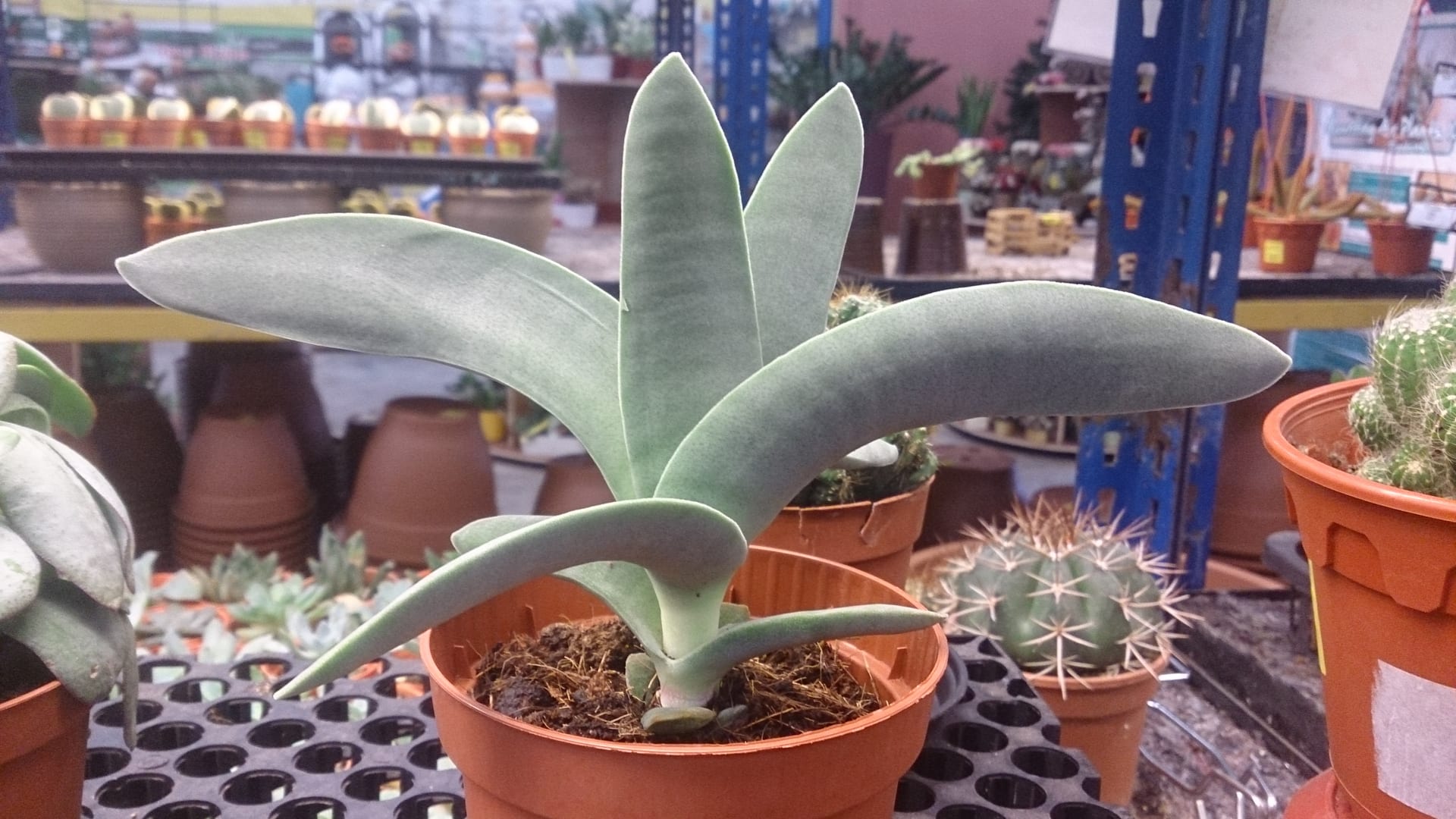
Propeller plant
Crassula perfoliata var. falcata
A Crassula whose thick, grey-green, sickle-shaped leaves overlap in opposite pairs like propeller blades. The leaf surface is finely papillate, and dense heads of scarlet flowers appear in summer.
 © Gon ksg / CC BY-SA 4.0
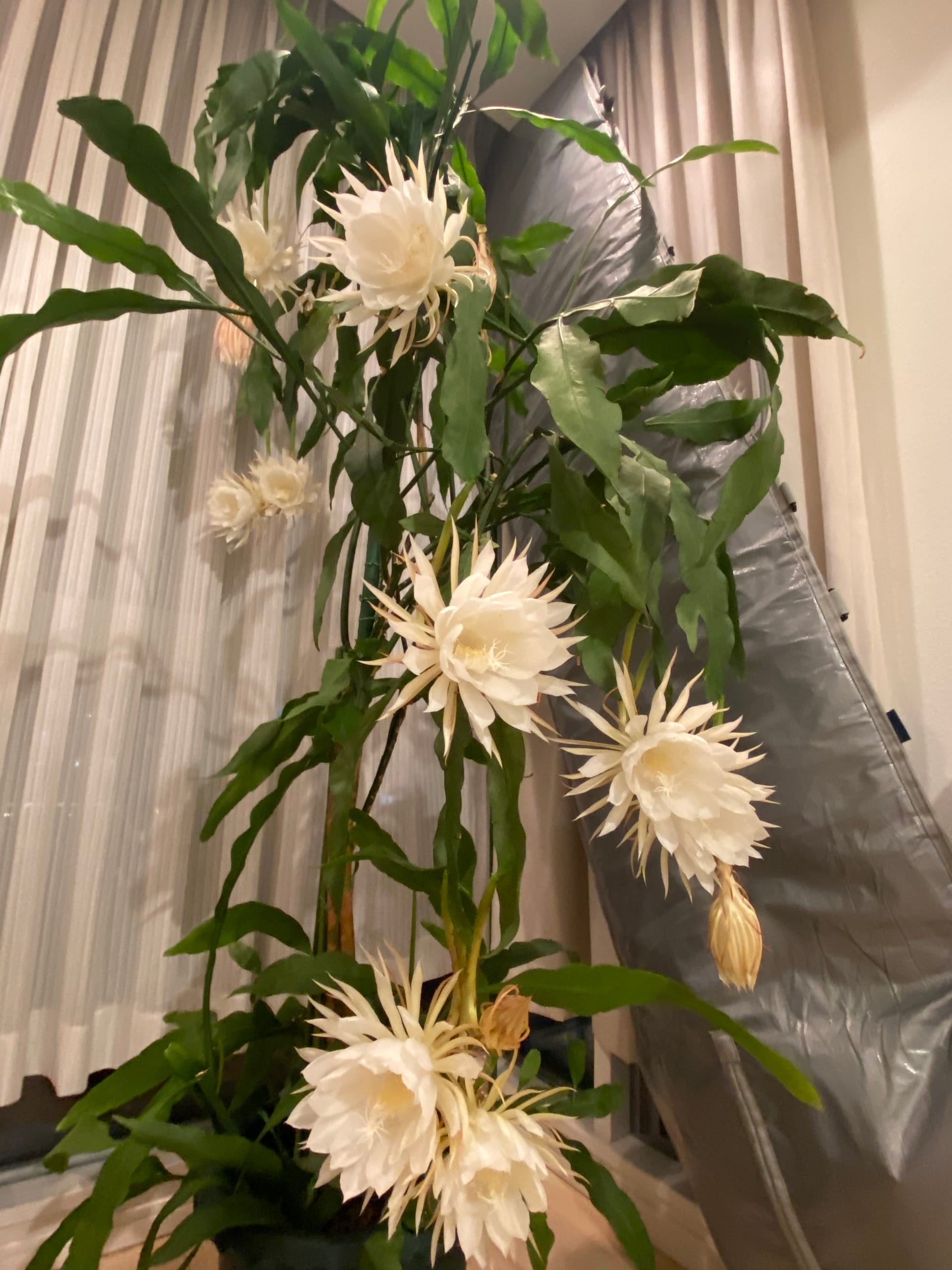
Queen of the night
Epiphyllum oxypetalum
An epiphytic cactus that opens huge pure white flowers up to 30 cm long at night from the edges of flat, leaf-like stems. They are strongly scented and wilt by morning.
 © Paul Kaluschke / CC BY-SA 2.5
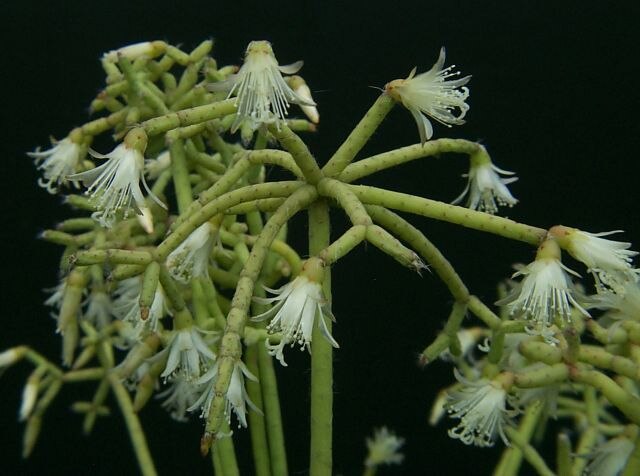
Rhipsalis
An epiphytic cactus with thin stems trailing like threads. No spines, also called jungle cactus.
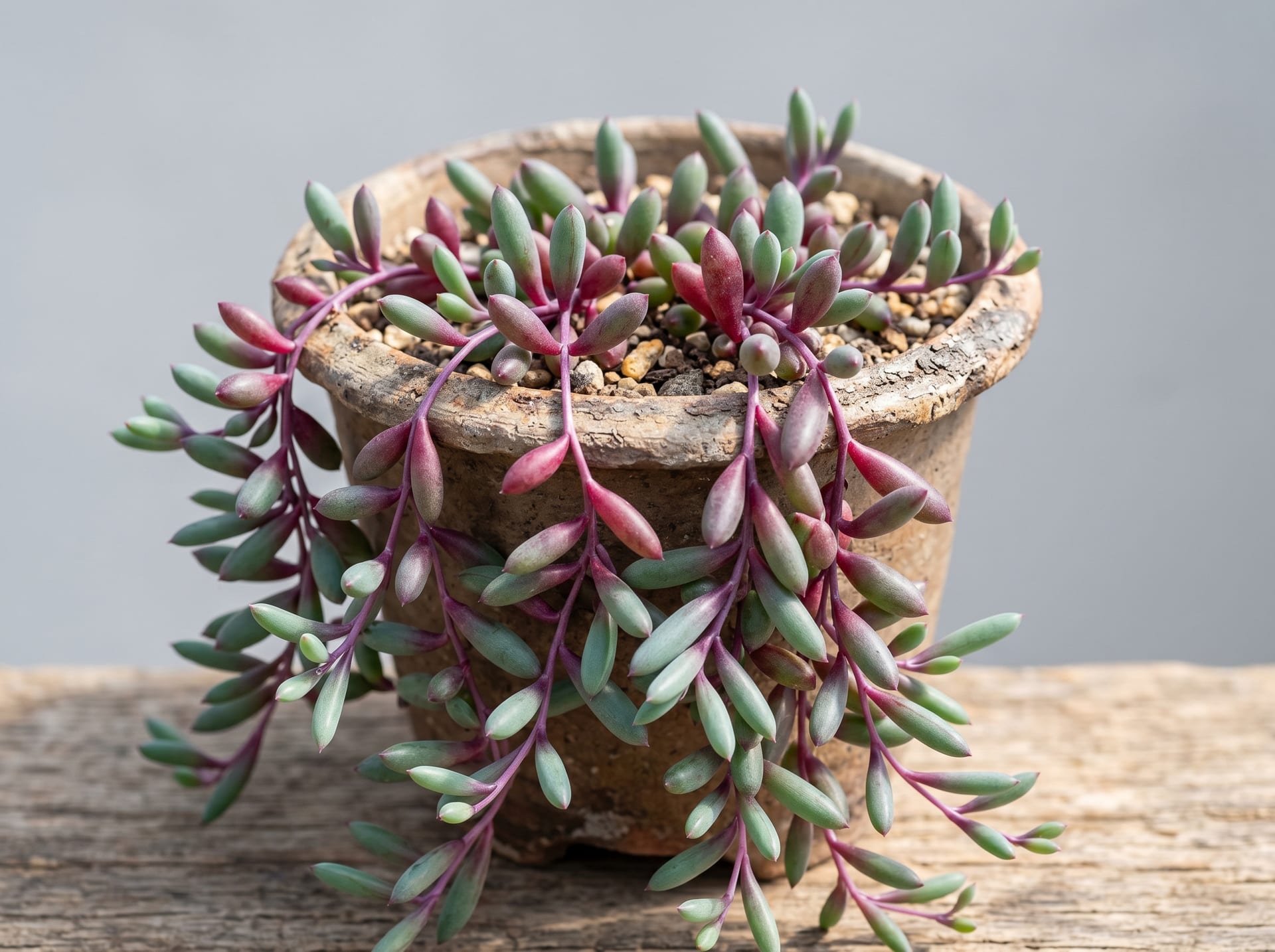
Ruby Necklace
Othonna capensis
A purple-tinged red trailing succulent. Leaves turn vivid purple-red when temperatures drop. Similar care to String of Pearls, popular for hanging displays.
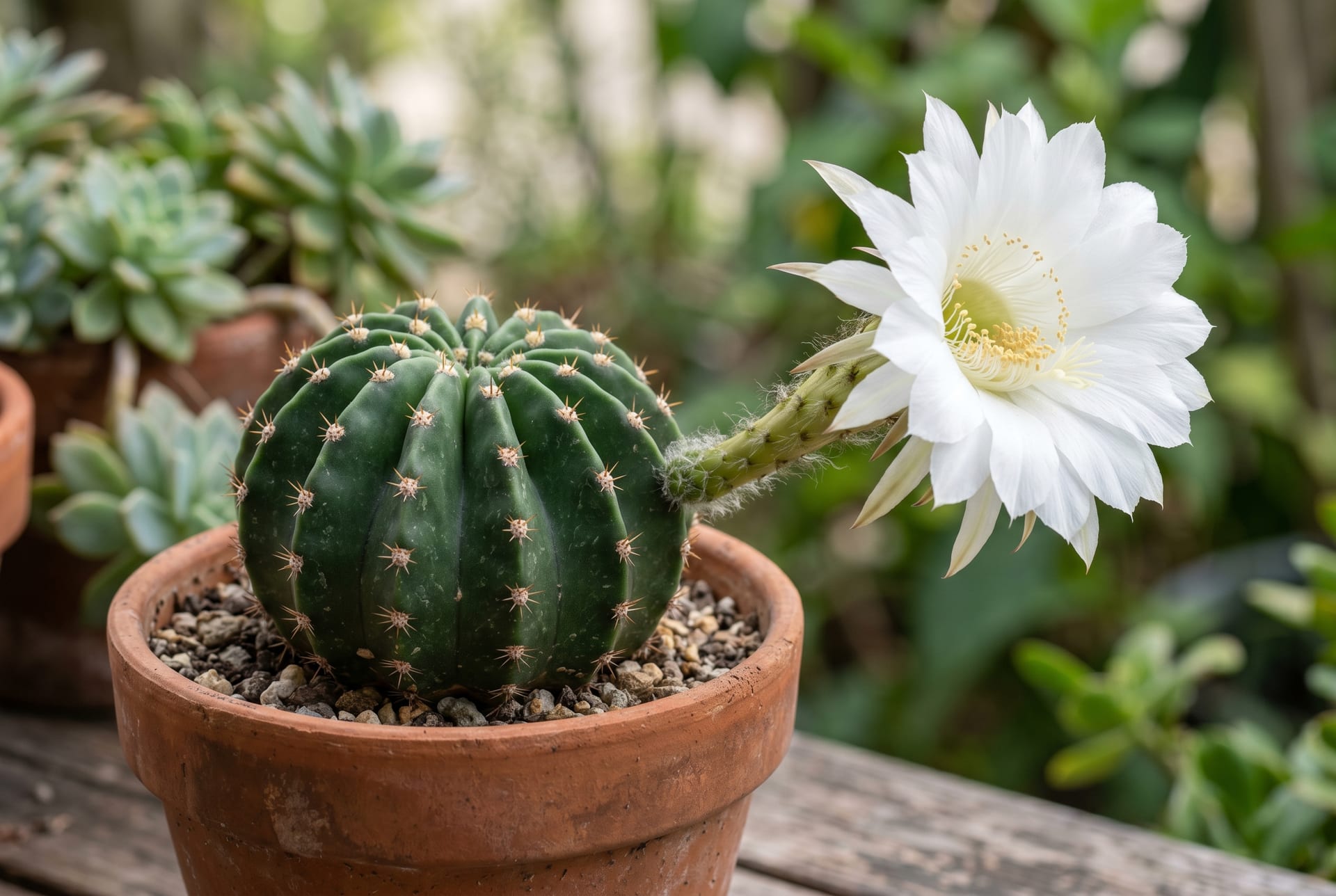
Sea-Urchin Cactus
Echinopsis eyriesii
A classic household globe cactus long grown in Japan. In early summer it opens huge fragrant white flowers at night. Hardy, cold-tolerant, and clustering.
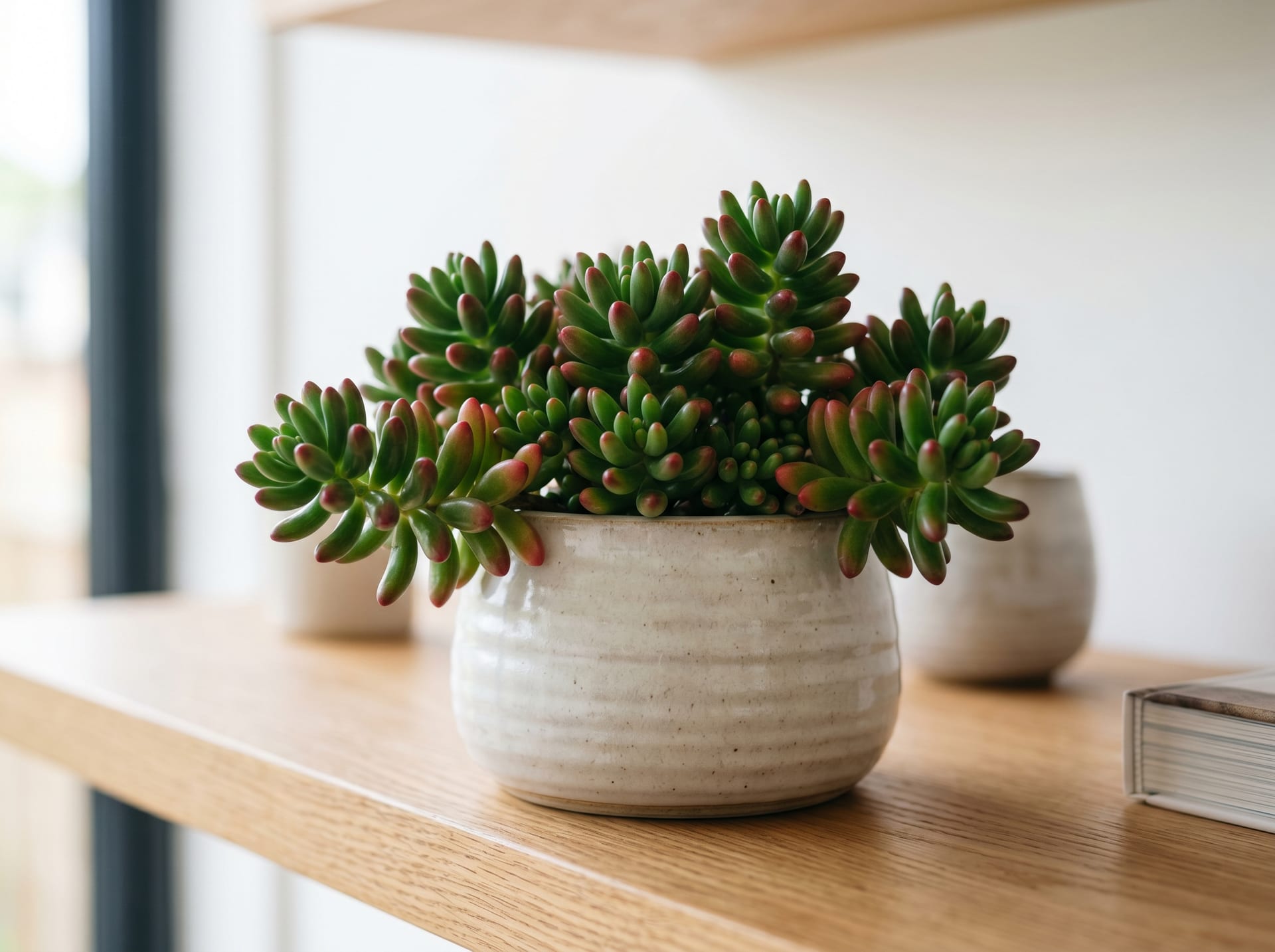
Sedum
One of the more species-rich succulent genera. Hardy enough for ground cover. Jelly Bean and Aurora are popular varieties.
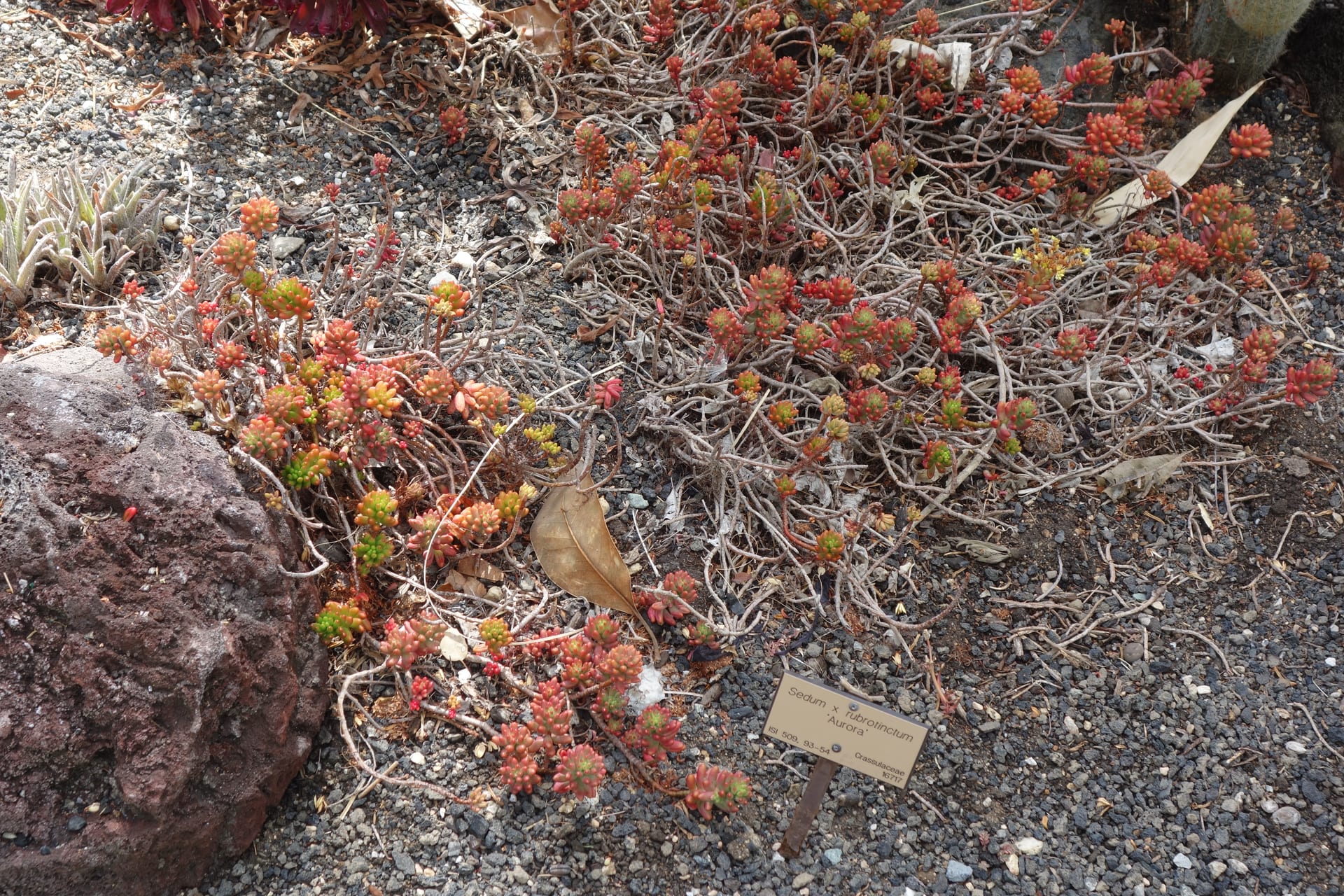 © Daderot / CC0
Sedum rubrotinctum 'Aurora'
Sedum rubrotinctum 'Aurora'
A variegated form of the jelly-bean plant, with bean-like leaves lining the stems. It rarely grows from leaves, so it is propagated from stem cuttings.
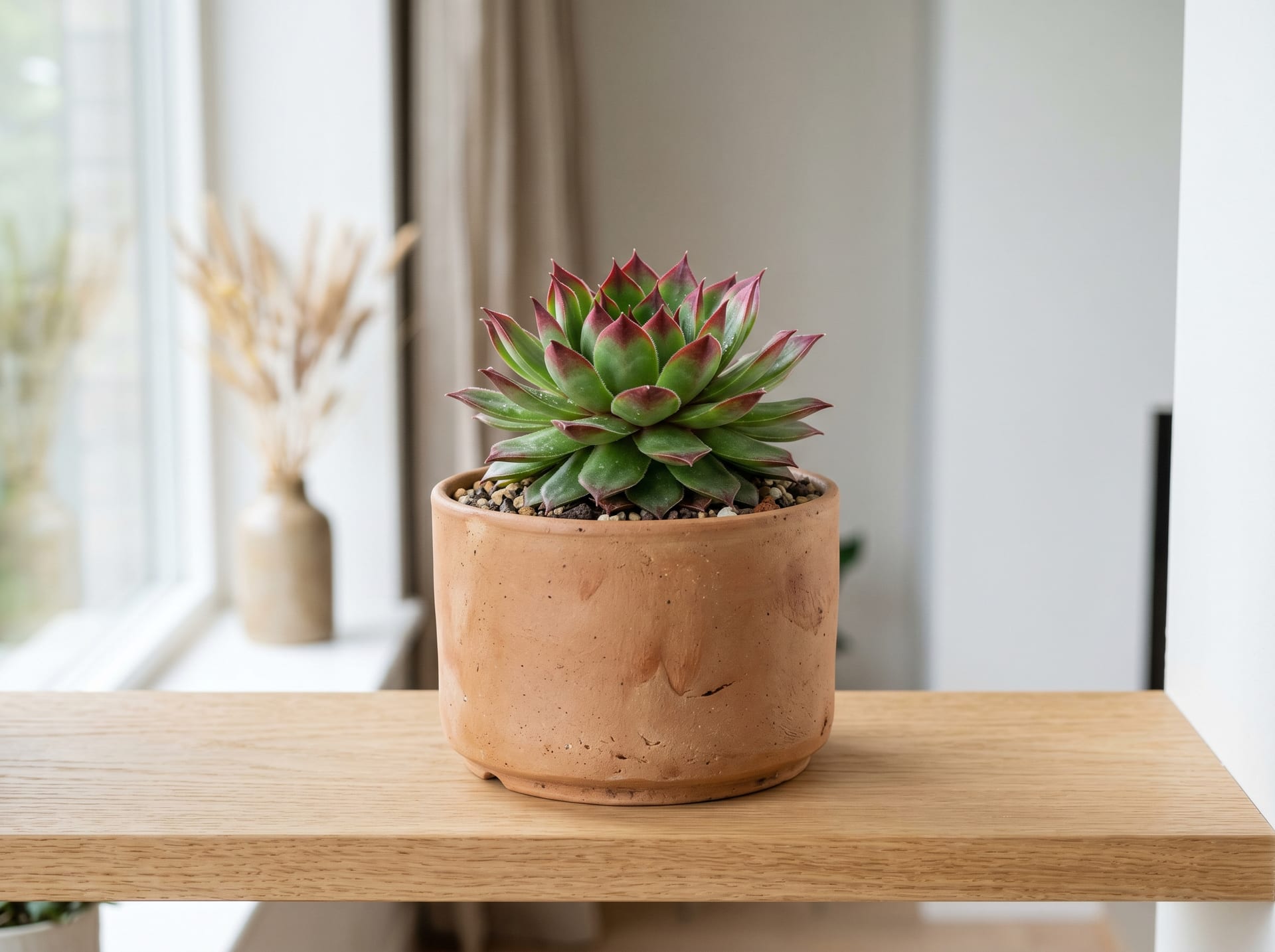
Sempervivum (Hen and Chicks)
European succulent with extreme cold tolerance. Survives -20°C and grows outdoors year-round. Proliferates via offsets.
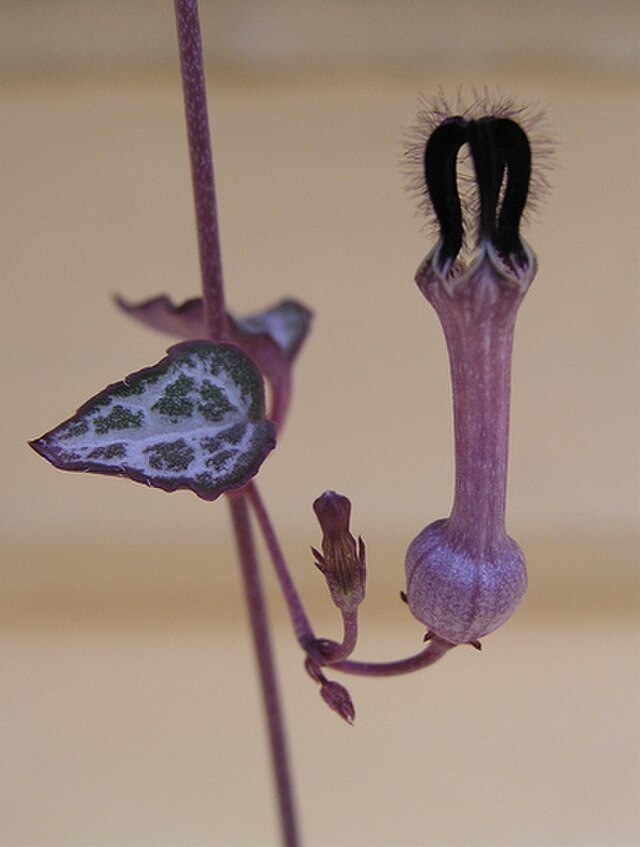 © Photo: Dr. David Midgley / CC BY-SA 2.5
String of Hearts
Ceropegia woodii
A cute succulent with small heart-shaped leaves on trailing vines. Adorable when displayed in hanging baskets.
 © Juan Carlos Fonseca Mata / CC BY-SA 4.0
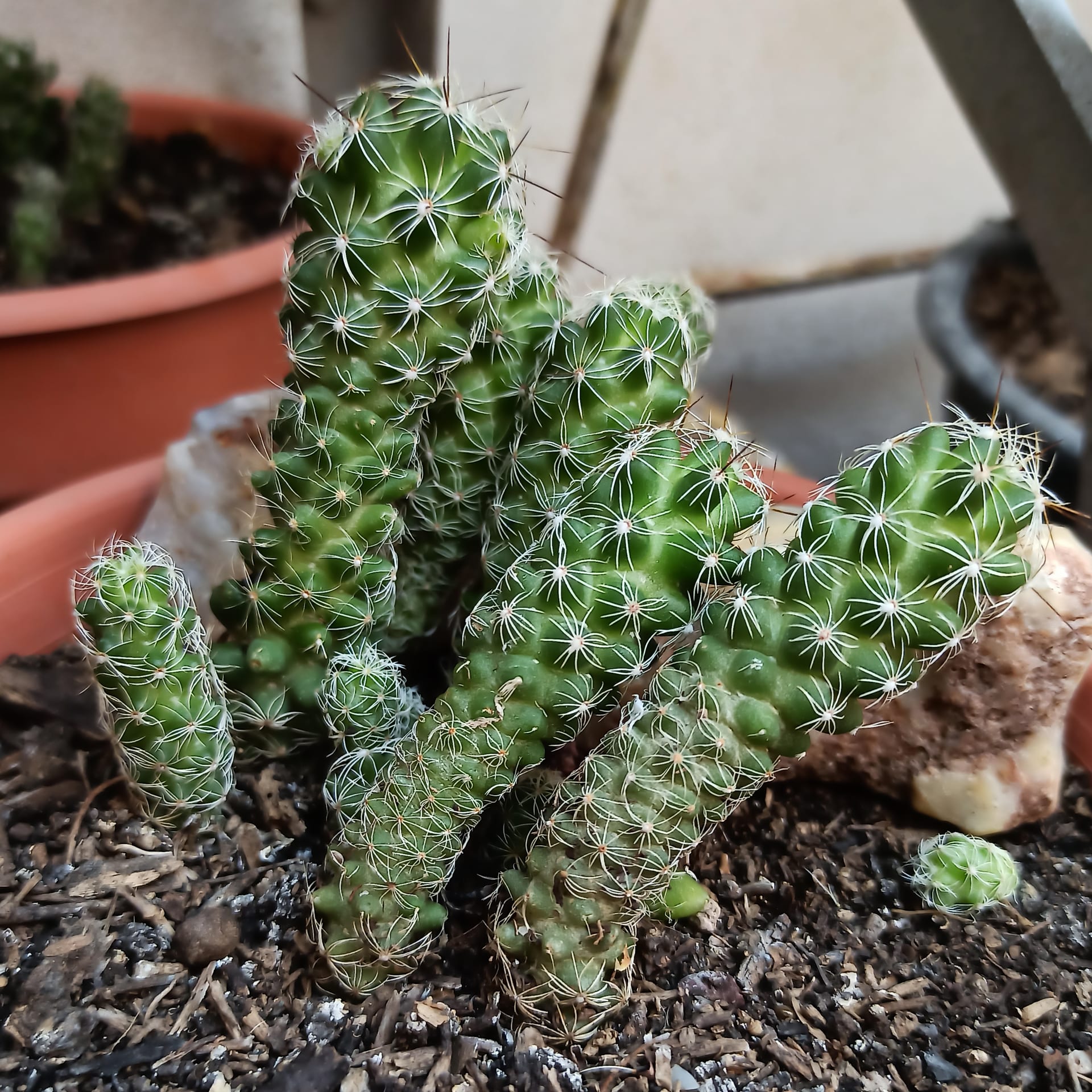
Thimble cactus
Mammillaria vetula subsp. gracilis
A Mammillaria whose small, slender cylindrical stems are clad in stiff white spines and cluster like handballs. Offsets drop off easily and root readily.
 © yakovlev.alexey from Moscow, Russia / CC BY-SA 2.0
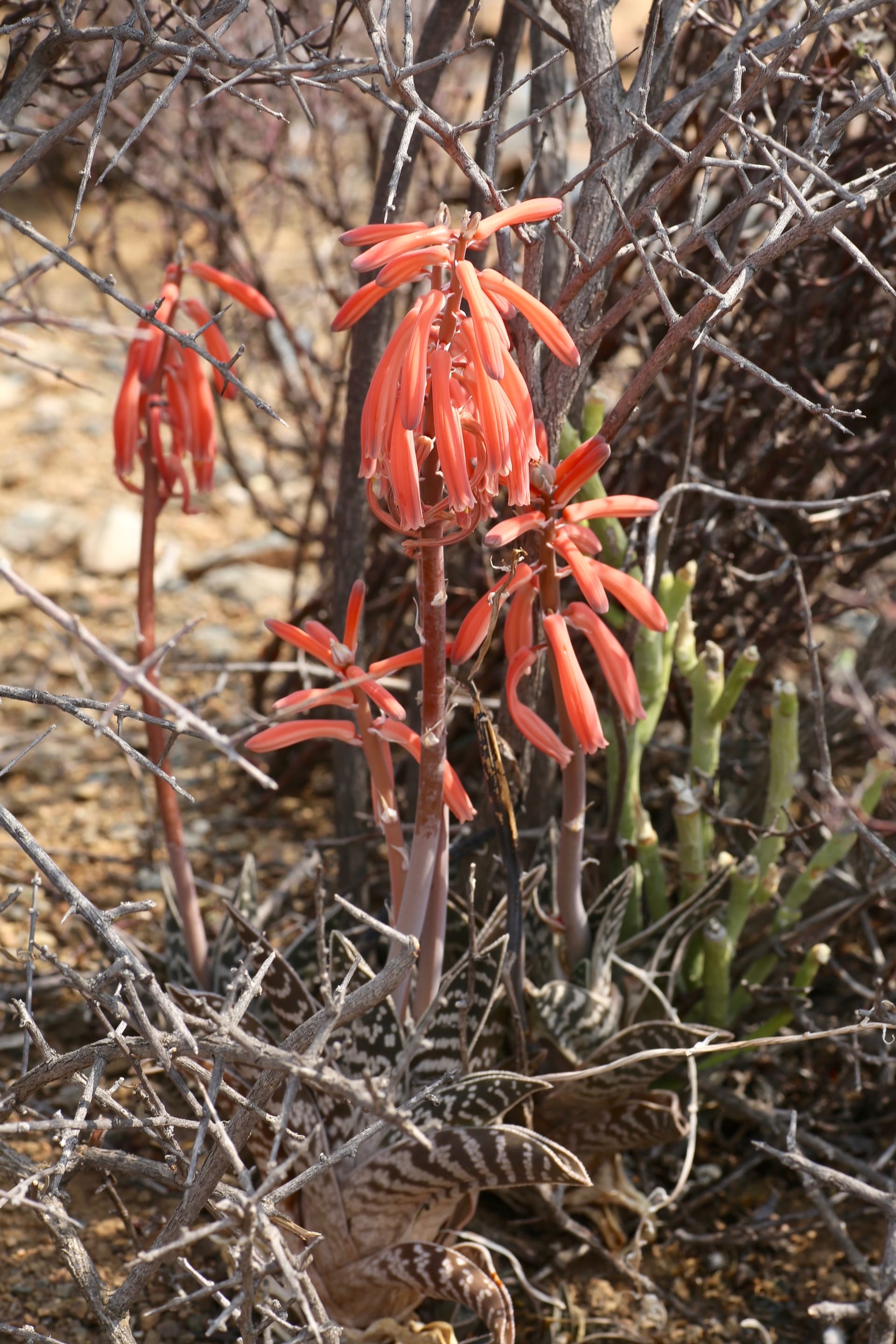
Tiger aloe
Gonialoe variegata
A small aloe relative whose V-shaped leaves stack in three ranks, dark green with white spots in transverse bands and a white horny edge. It is now placed in the genus Gonialoe.
 © John Rusk from Berkeley, CA, United States of America / CC BY 2.0
Tiger Jaw
A unique succulent with jagged tooth-like leaf edges reminiscent of a tiger's jaw.
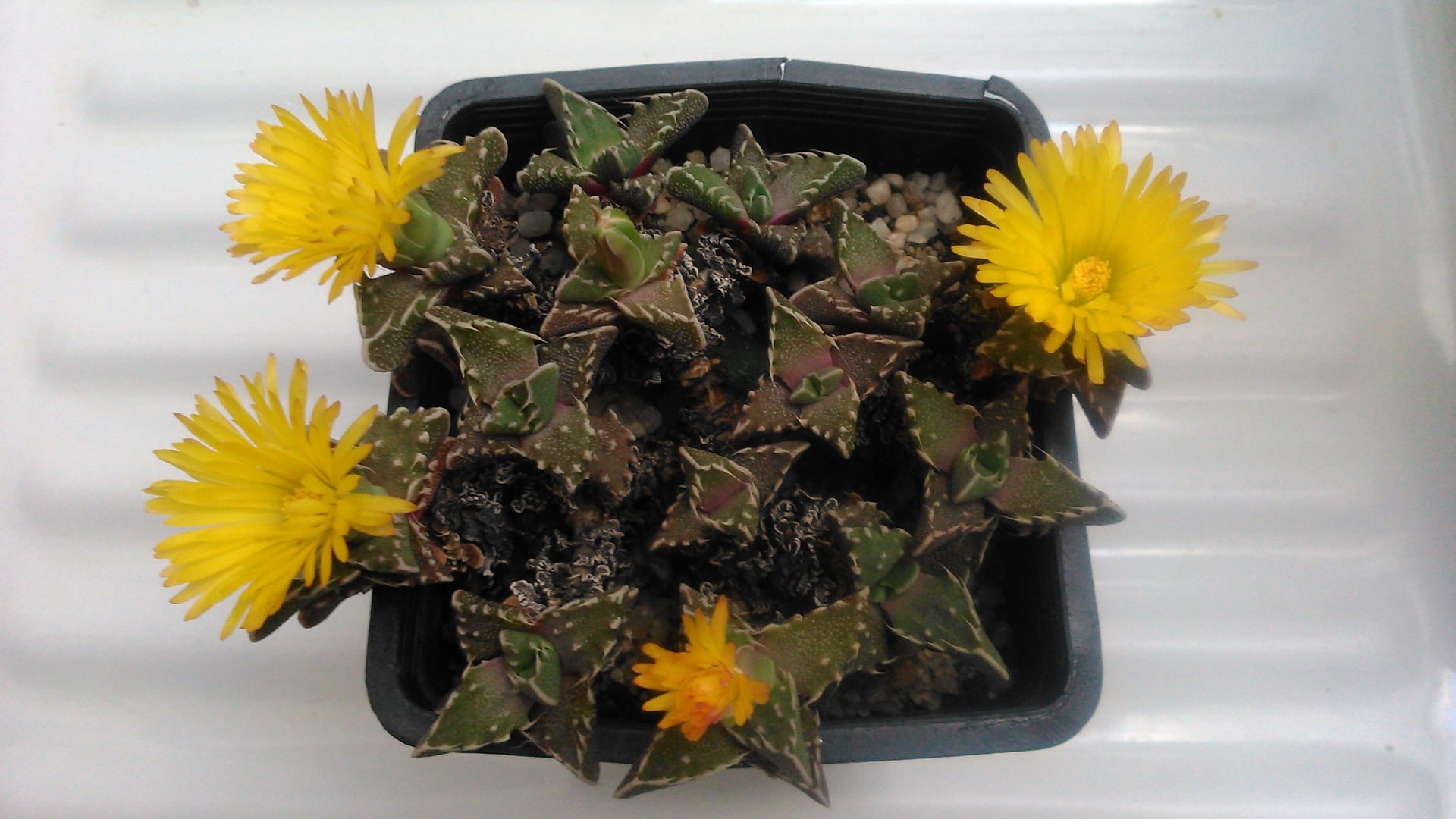 © Susomoinhos / CC0
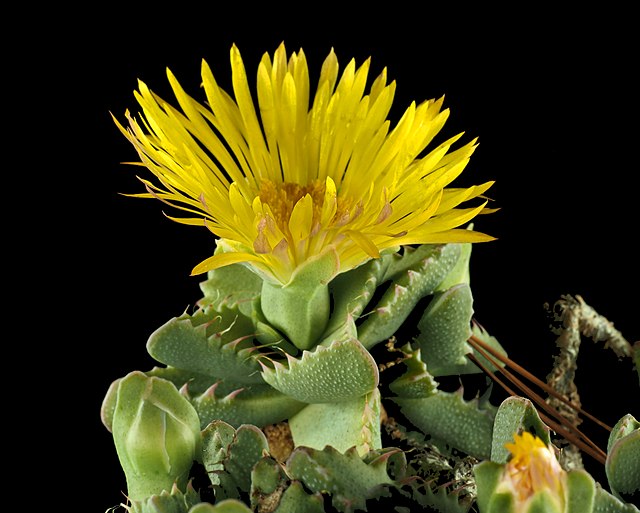
Tiger jaws
Faucaria tigrina
A mesemb whose paired, thick triangular leaves bear soft, thread-like teeth like open jaws. Large yellow flowers appear between the white-dotted leaves in autumn and winter.
 © Krzysztof Ziarnek, Kenraiz / CC BY-SA 4.0
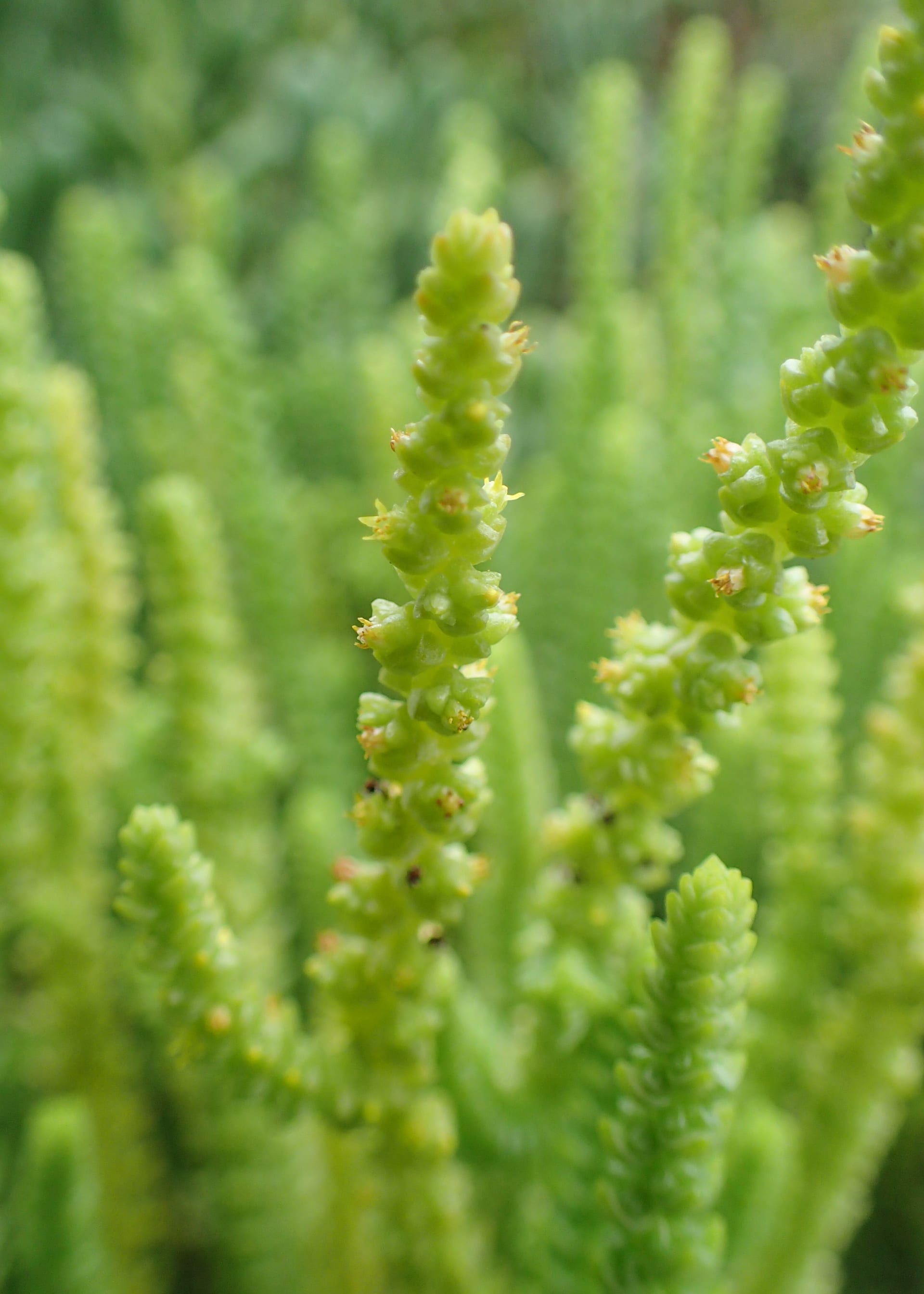
Watch chain
Crassula muscosa
A Crassula whose slender stems are hidden by tiny, tightly stacked leaves, looking like a watch chain. It branches into a small bush, and even broken pieces root readily.
Related Content
Succulent FAQ
- How much do succulents cost?
- Common Echeveria cost 300-2,000 yen, popular Haworthia obtusa 1,000-10,000 yen, and rare hybrids or large specimens can exceed tens of thousands of yen.
- Can beginners grow succulents?
- Echeveria, Sedum, and Graptopetalum are hardy and beginner-friendly. Place in a sunny spot and water only when the soil is completely dry.
- What are the key tips for growing succulents?
- Place in a sunny spot with good airflow and water sparingly. Many species go dormant in summer and winter, so adjusting care to their growing season is key to beautiful growth.
- What should I check when buying succulents?
- Check that leaves are plump and firm, the base isn't rotting, and there are no pests (like mealybugs). For bare-root plants, root condition is also important.
- How long do succulents live?
- With proper care, succulents can thrive for 10+ years depending on species. They're easily propagated through leaf cuttings and division, allowing enjoyment across generations.