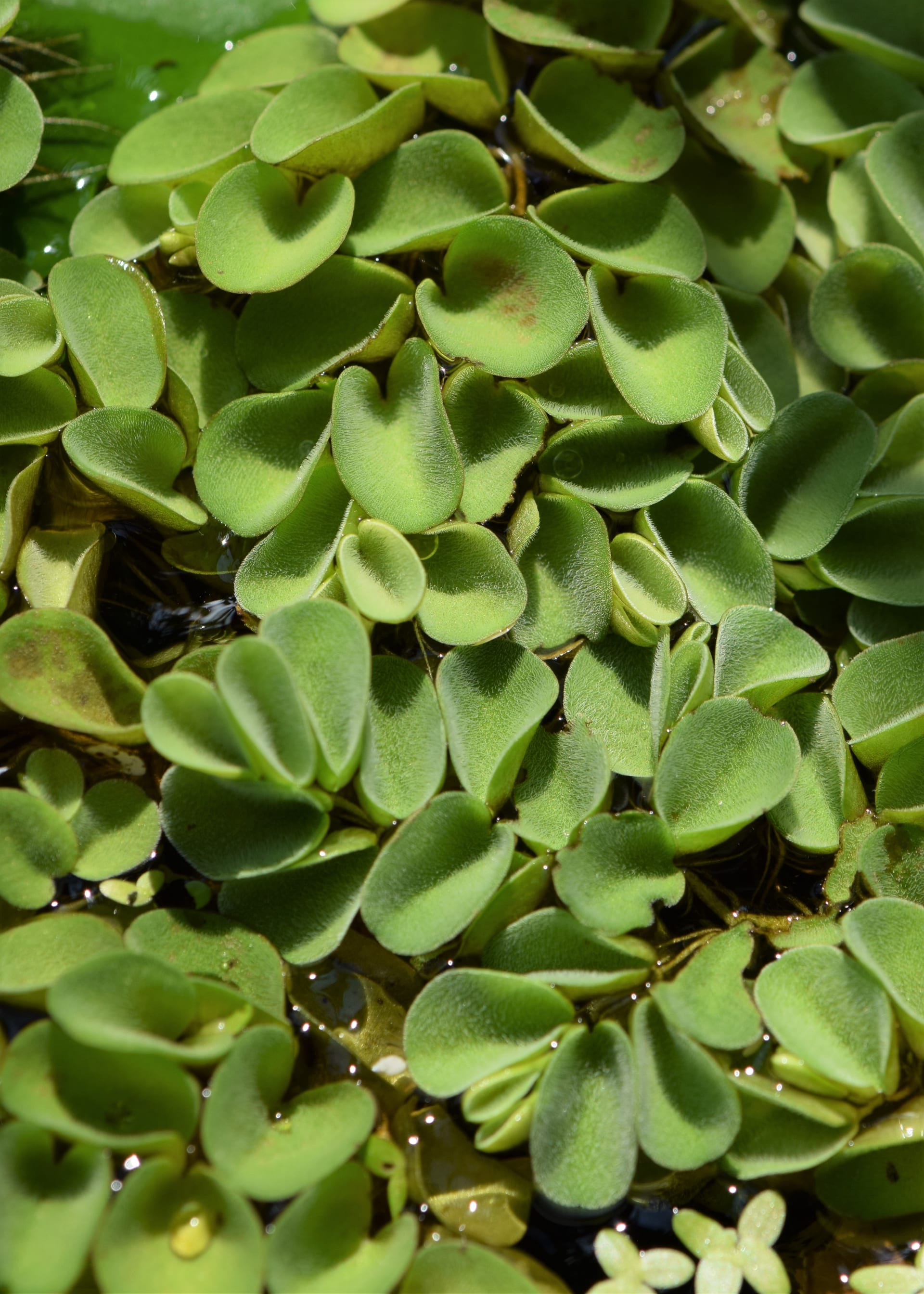
 © Krzysztof Ziarnek, Kenraiz / CC BY-SA 4.0
Grower Direct Sales Marketplace
Aquatic Plants Online Store | Direct from Growers
Purchase Aquatic Plants directly from certified Grower growers. Every listing includes variety, origin, light requirements, and difficulty level information.
Grower Wanted!
List your plants on GrowerDirect and sell directly to customers nationwide!
6 Transparency Commitments from GrowerDirect
Grower provide complete information for all Aquatic Plants listings. We guarantee transparency in variety, origin, light requirements, and difficulty level.
- Variety Clarity
- Live Photos
- Color Details
- Origin Transparency
- Light Requirements
- Difficulty Level
Browse all 134 varieties
Difficulty Level
No listings match your filters
Adjust your filters, or get notified when new listings arrive.
Getting alerts is free with a member account. When new listings match your saved search, we'll notify you by email and in-app.
Browse other categories
Are you growing aquatic plants?
Register as a grower and connect with buyers directly.
Apply as a growerCan't find the plant you're looking for?
Post your wishes for free and growers with matching plants will contact you with introductions.
Explore the plant encyclopedia

About aquatic plant
The aquatic plant category on GrowerDirect lets you welcome a wide range of plants — stem plants, rosettes, foreground species, and mosses — directly from the farms that grew them. With few steps in distribution, you can check the size, leaf condition, and growing conditions such as whether pesticides were used. Choose a plant that matches your tank lighting and whether you add CO2, and that fits your layout vision.
7 things to know before growing aquatic plant
1Lighting and CO2 shape how easy growth will be
Aquatic plants grow through photosynthesis, so light intensity and photoperiod strongly affect growth. Many foreground species and red stem plants prefer strong light and added CO2, while mosses and low-light species manage with weaker light. Before buying, confirm the plant suits the equipment you already have.
2Choose the substrate and planting method
Rooted plants do well in nutrient-rich aquasoil, while plants that attach are tied to driftwood or stone with plant ties. Suitable substrate and planting differ by species, so understand the plants in your layout and plan the substrate from the setup stage to reduce failures.
3Plan algae control before you add plants
Algae appear easily when the balance of nutrients and light breaks down — too much light, excess fertilizer, or too little CO2. Healthy, growing plants suppress algae, so combine controlled lighting hours, water changes, and algae-eating animals to prevent it.
4Trim regularly to keep plants healthy
When stem plants grow tall, light no longer reaches the lower leaves and they deteriorate. Cutting back and replanting tops keeps growth dense and attractive. Foreground plants also lift off when overgrown, so steady trimming at each species' pace supports healthy growth.
5Check pesticide use and compatibility with shrimp
Commercial aquatic plants are sometimes treated with pesticides against pests, which can harm invertebrates such as freshwater shrimp. For a shrimp tank, choose pesticide-free plants or rinse them well. It helps to ask the grower about how the plants were cultivated.
6Understand submerged and emersed leaves
Many aquatic plants are grown emersed before shipping and adapt by switching to submerged leaves once in the tank. Old leaves melting right after introduction is often fine if new shoots appear. Expect the transition to take time and watch calmly rather than rushing.
7Confirm the plant's condition and growing environment with the grower
On GrowerDirect you welcome plants directly from growing farms, so you can ask the seller about volume, leaf damage, snails, and whether the plant is pesticide-free. Knowing the environment a plant was raised in makes adapting it to your own tank smoother.
Frequently asked questions about aquatic plant
- Q.Are there aquatic plants that are easy for beginners?
- A.Low-light plants such as Anubias, Microsorum, and mosses grow well without strong light or added CO2 and are considered beginner-friendly. Start with hardy species and move to more demanding plants once you are used to the equipment.
- Q.Is adding CO2 required?
- A.It is not required. Low-light and slow-growing species do fine without it. However, adding CO2 helps grow foreground plants and red stem plants beautifully, so decide based on the plants you want to keep.
- Q.The leaves of my plant melted after it arrived.
- A.Old leaves often melt as a plant transitions from emersed to submerged growth. New shoots or roots are a sign of adaptation, so keep lighting and water quality steady and watch how it progresses.
- Q.Can I add plants to a tank with shrimp?
- A.It is fine, but pesticide residue on plants can harm shrimp. Choose plants labeled pesticide-free or rinse them well before adding. It is reassuring if you can confirm the cultivation method with the grower.
- Q.Algae grows easily — how can I control it?
- A.Algae appears more easily with overly long lighting or excess fertilizer. Review your photoperiod, change water regularly, and add algae-eating animals — combining several measures works best.
Handy Growing Tools for aquatic plant
aquatic plant related articles
Complete Guide to Aquatic Plant CO2 Systems | Practical Manual from Setup to Daily Maintenance
CO2 is an essential element for aquatic plants to perform photosynthesis. This article covers everything needed to cultivate fast-growing stem plants and red-tinted aquatic plants, from selecting CO2 injection systems, installing solenoid valve regulators, positioning diffusers, to daily maintenance.
Complete Guide to Microsorum Types and Care | Tips for Growing Popular Attachment Aquatic Plants Beautifully
Microsorum, a standard attachment aquatic plant alongside Willow Moss. This guide covers the main types, methods for attaching to driftwood and rocks, light and water quality management, and trimming techniques.
Disposal and Recycling Methods for Used Soil and Substrate in Aquatic Plant Tanks | Proper Disposal Methods and Reuse Tips
Explains the correct disposal methods for used substrate in aquatic plant tanks. Introduces the steps for disposal following local government rules and considerations for reuse when the substrate has been used for a short period.
Complete Guide to Caring for Echinodorus (Amazon Sword Plant) | Managing and Propagating Bold Background Plants
A care guide for Echinodorus (Amazon sword plant). As a root-feeding type, it is managed by working base fertilizer into the soil and adding top-up fertilizer. The guide also covers propagation by separating runner plantlets once their roots have grown out, its preference for medium to high light, and how to deal with melting right after planting.
How to Grow Lotus | Guide to Growing Flowering Lotus in Pots as Aquatic Plants
This guide explains the tips for growing lotus in containers—planting season, soil, sunlight, water depth, fertilization, and division—along with the differences between lotus and water lilies.
How to Grow Water Lilies (Suiren) | Cultivating Aquatic Plants in Pots and Biotopes
A guide to growing water lilies (suiren) in pots and biotopes. Plant from late April to June, keep the water 15–30 cm deep above the soil surface, provide at least 5–6 hours of direct sunlight a day for blooming, and renew the plants every 2–3 years by dividing the rhizomes.