Succulent Encyclopedia
Encyclopedia of popular succulents with care guides, traits, and propagation methods.
Featured Succulent
Showing 92 of 129 species(49–72)
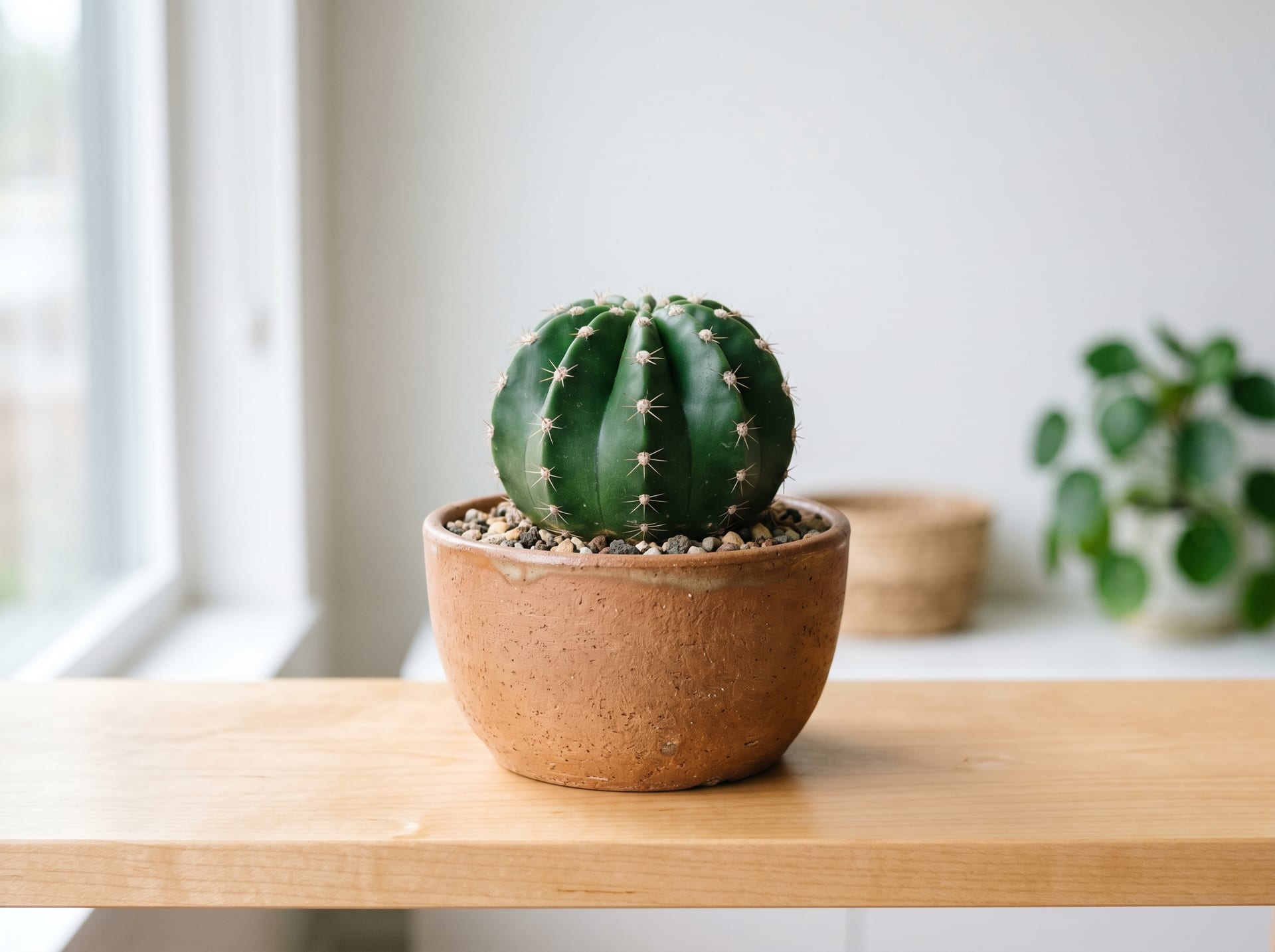
Gymnocalycium
A popular cactus genus with beautiful ribs on spherical bodies. Beautiful flowers and many species collected.
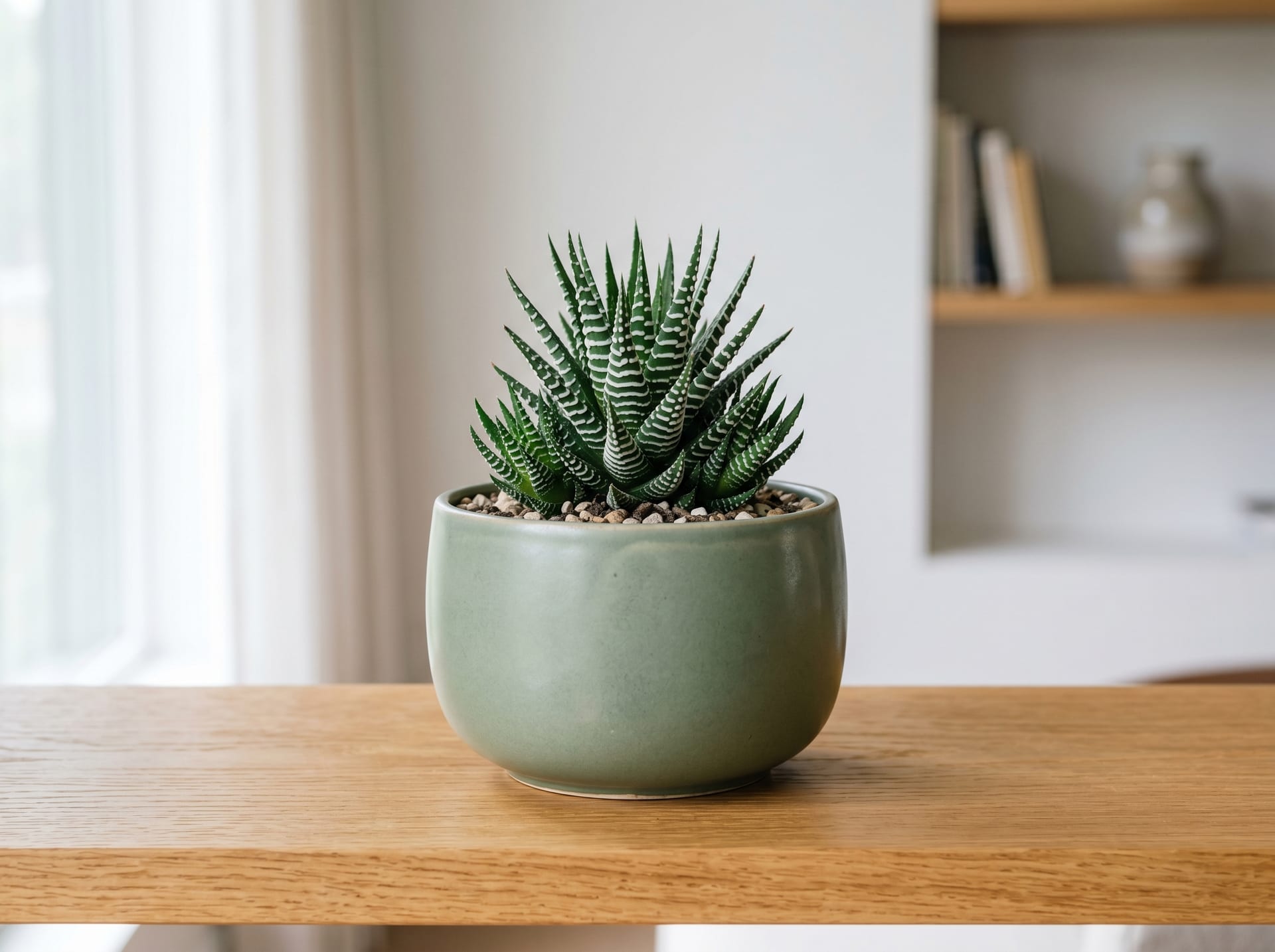
Haworthia
Haworthia spp.
Unique succulent with translucent leaf tips called 'windows' that transmit light. Shade-tolerant, thriving in bright indirect light indoors. Obtusa and Retusa are popular. Compact and space-efficient.
 © Abu Shawka / CC BY-SA 4.0
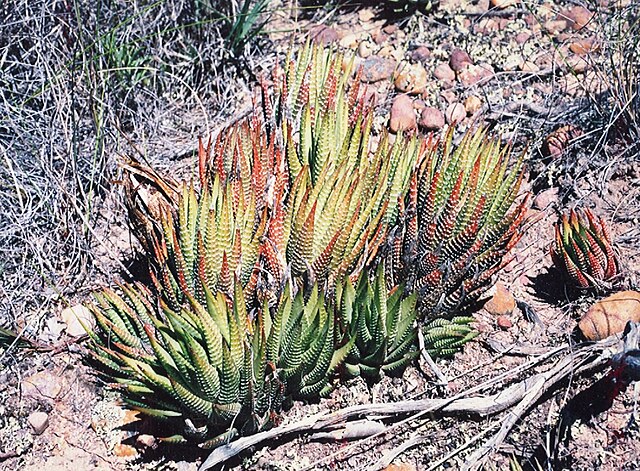
Haworthia Fasciata
Haworthia fasciata
A haworthia with hard leaves with white horizontal stripes. Hardy classic growing in low indoor light.
 © S Molteno / CC BY-SA 4.0
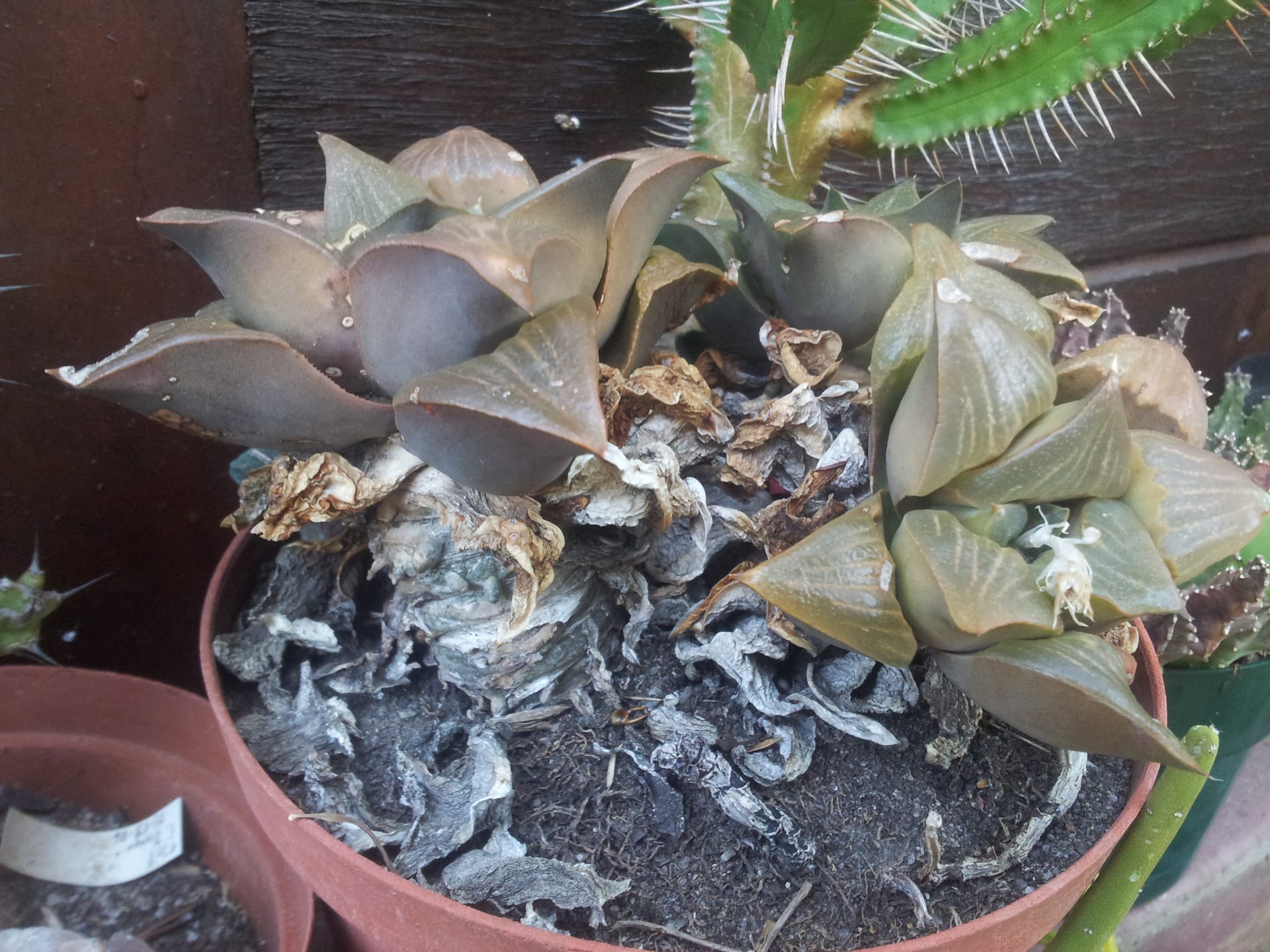
Haworthia retusa
Haworthia retusa
A Haworthia with glossy, thick triangular leaves in a star-shaped rosette; the upper half bends back into a flat, translucent window with vertical stripes.
 © author is sannse . / CC BY-SA 3.0
Jade Plant
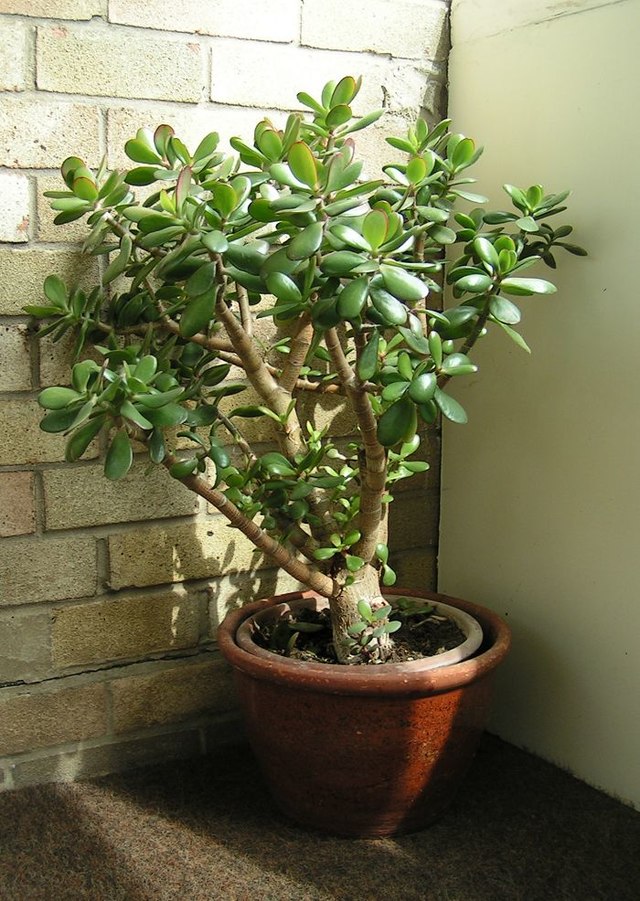
Crassula ovata
A hardy succulent popular for its auspicious name. Features thick round leaves and woody trunk.
 © salchuiwt from Japan / CC BY-SA 2.0
Jelly bean plant
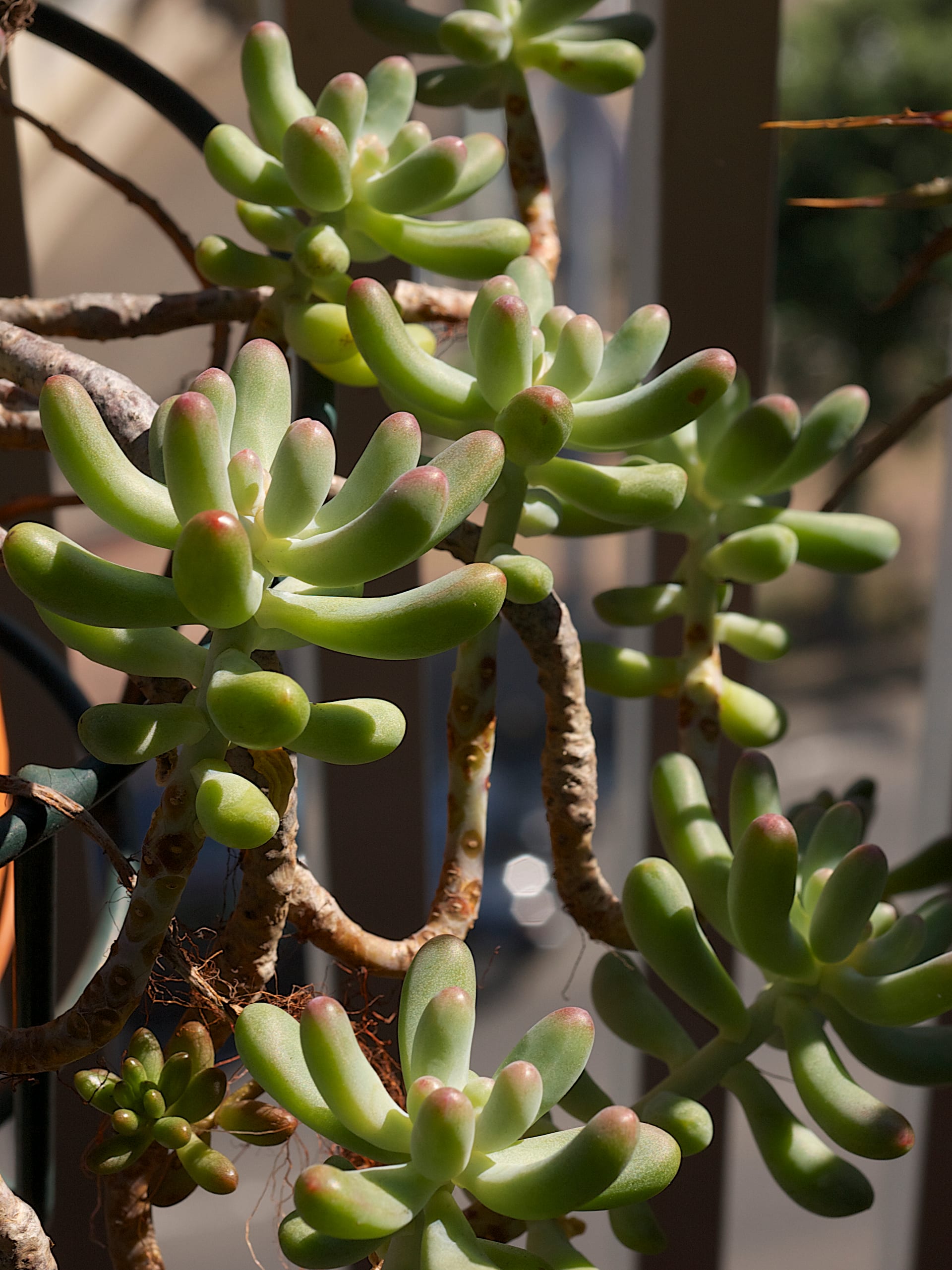
Sedum pachyphyllum
A Sedum with pale green, powdery, cylindrical leaves clustered like beans around the stems. The leaf tips blush red with dryness, sun and winter cold.
Jelly Bean Plant
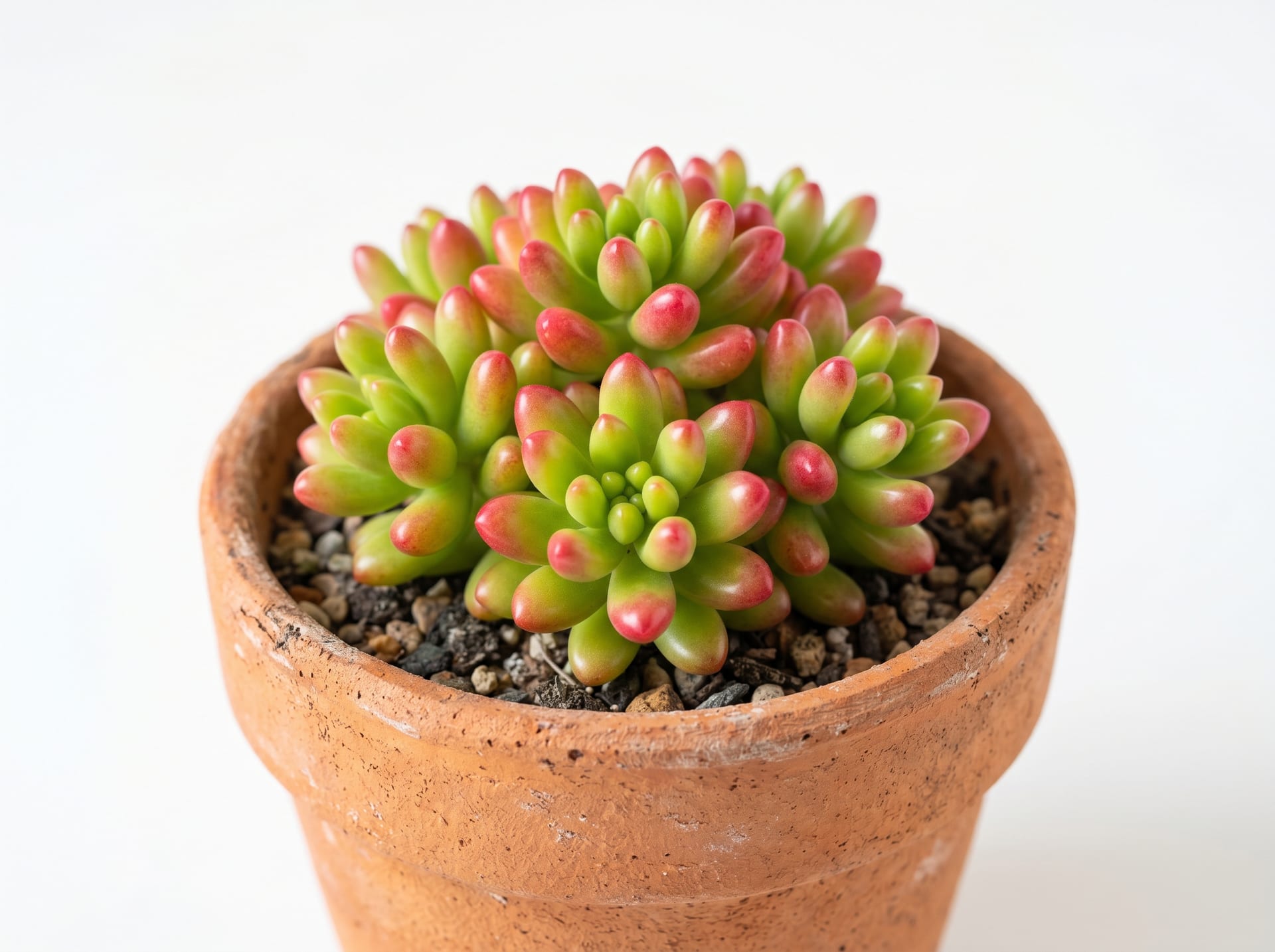
Sedum rubrotinctum
A sedum with plump round leaves strung together. Leaf tips turn beautifully red in good sunlight. Hardy, easy to propagate, and a classic choice for beginners.
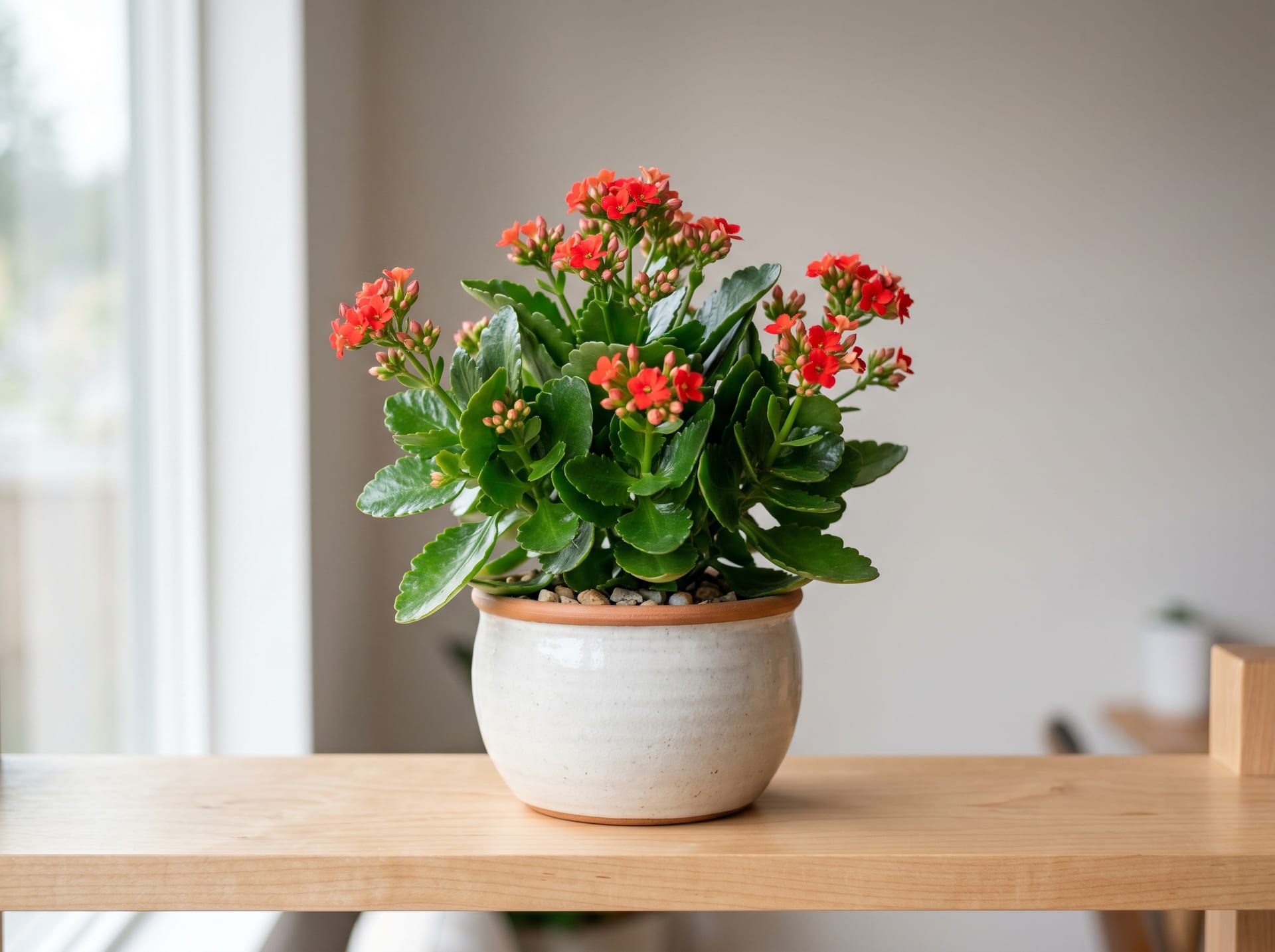
Kalanchoe
Flowering succulent with rich flower colors. Popular as gifts. Many unique species like Mother of Thousands.
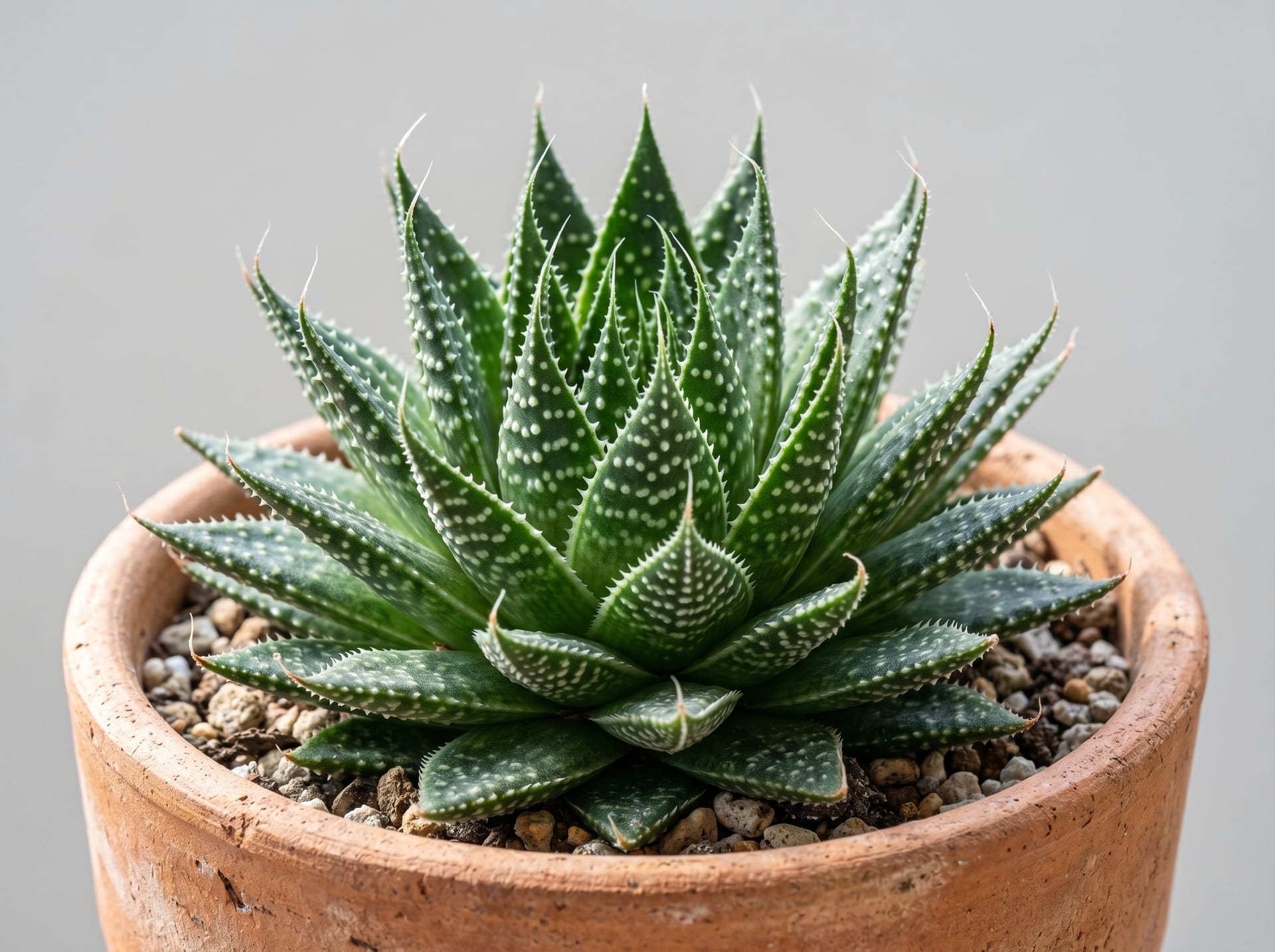
Lace Aloe
Aristaloe aristata
A small aloe with beautiful lace-like white tubercles along leaf edges. Resembles Haworthia and is shade-tolerant, easy to grow indoors. Produces abundant offsets.
 © Dornenwolf / CC BY 2.0
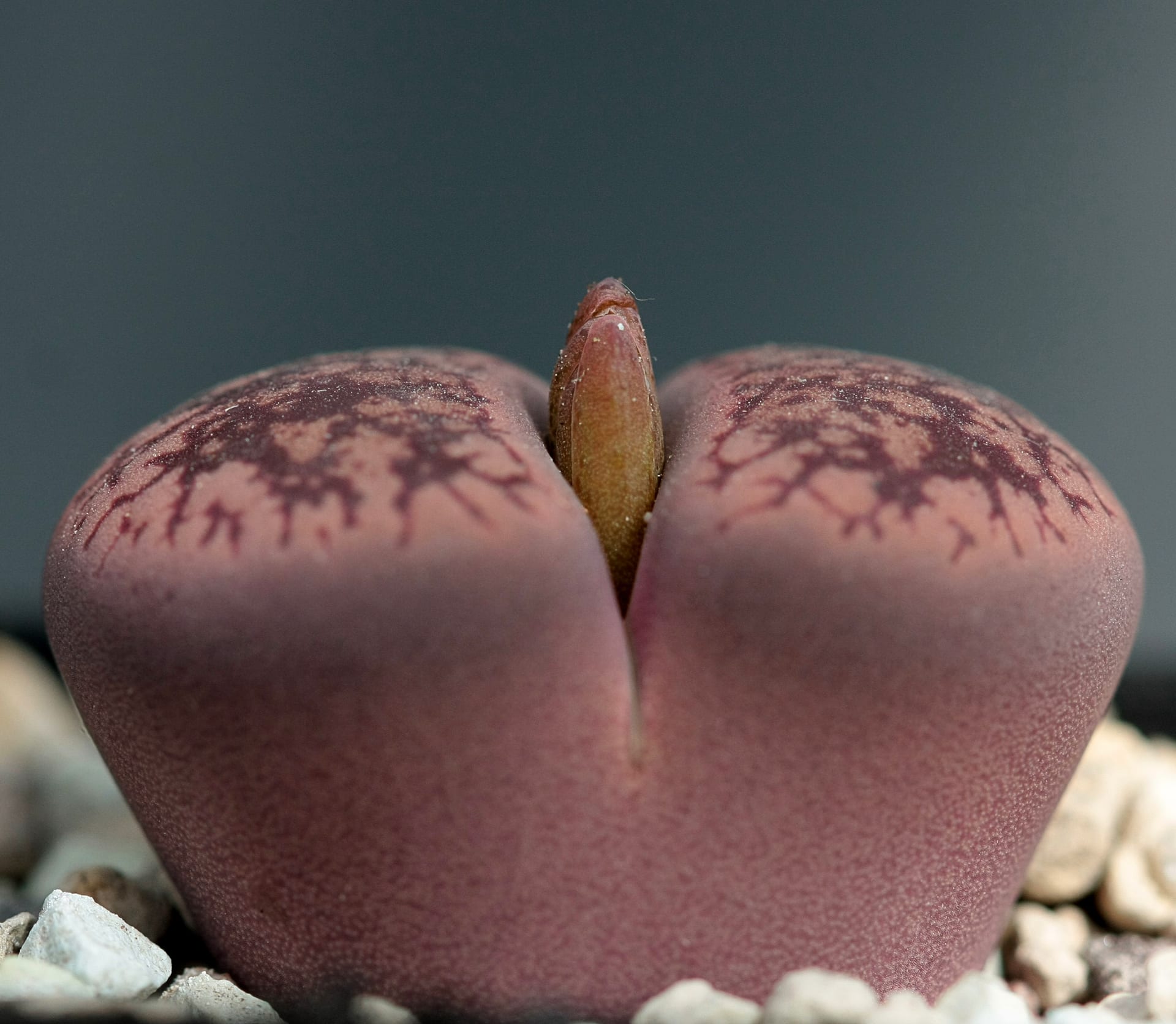
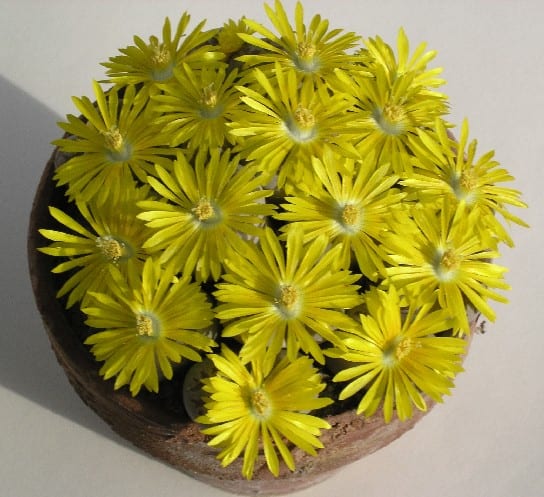
Lithops aucampiae
Lithops aucampiae
A large Lithops with red-brown tops netted in darker brown. It bears big bright yellow flowers and is a tough, common species fairly forgiving of watering mistakes.
 © Original uploader was Philip2007 at it.wikipedia / Public domain
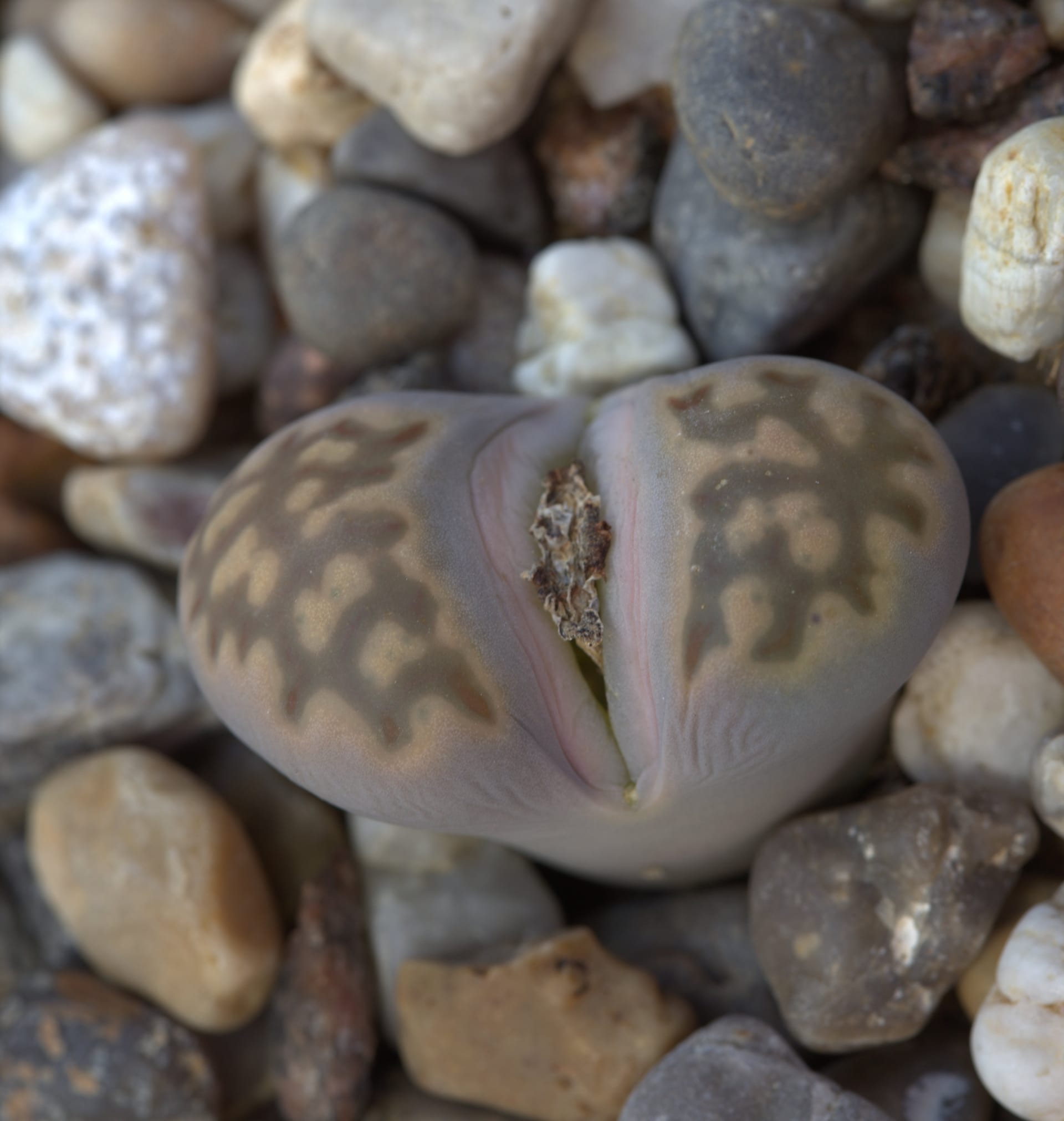
Lithops dorotheae
Lithops dorotheae
A Lithops whose swollen tops carry blood-red branching markings in the windows. The intensity and layout of the pattern vary, and there is a selection marked only in the centre.
 © Averater / CC BY-SA 3.0
Lithops julii
Lithops julii
A Lithops with whitish-grey tops netted in brown and a characteristic 'lip-smear' line along the fissure. It bears white flowers.
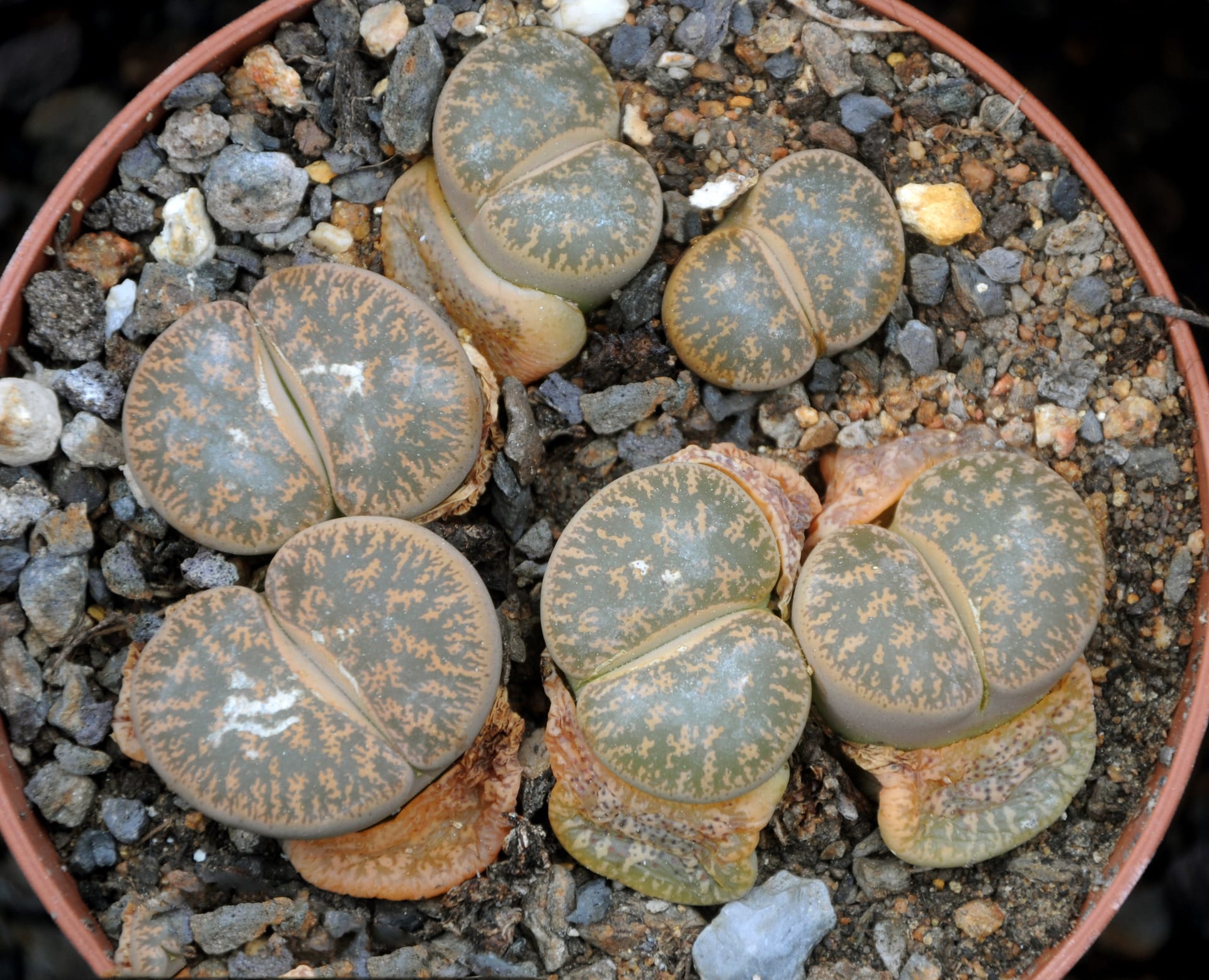 © Amada44 / CC BY 3.0
Lithops lesliei
Lithops lesliei
A Lithops with inverted-cone heads whose flat tops carry lacework of tiny clear windows. A long-loved standard species with yellow autumn flowers.
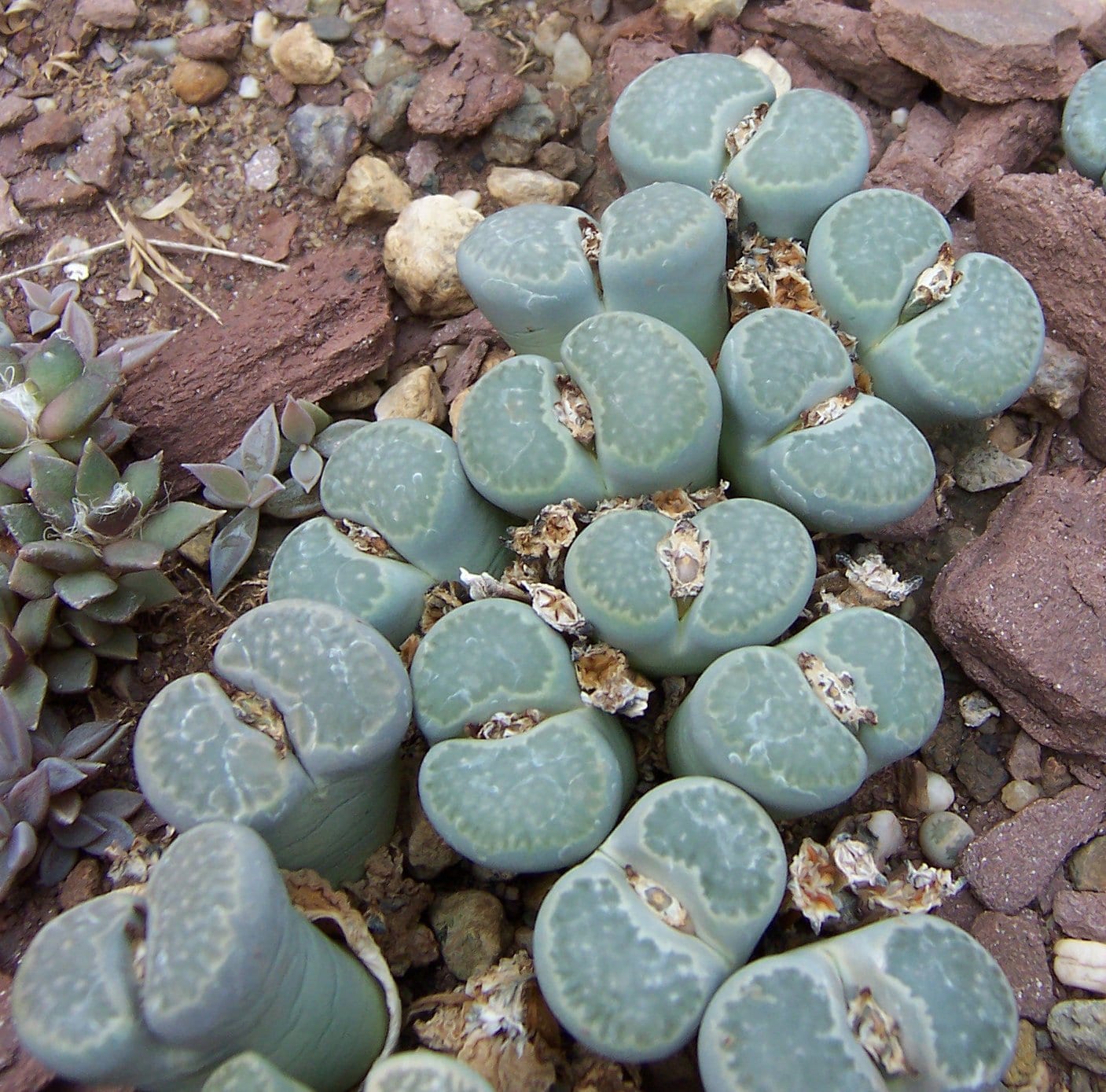 © Dysmorodrepanis / CC BY-SA 3.0
Lithops salicola
Lithops salicola
A tall Lithops with grey sides and large olive to dark green windows. It bears white flowers in autumn and clumps readily; a purple selection is also well known.
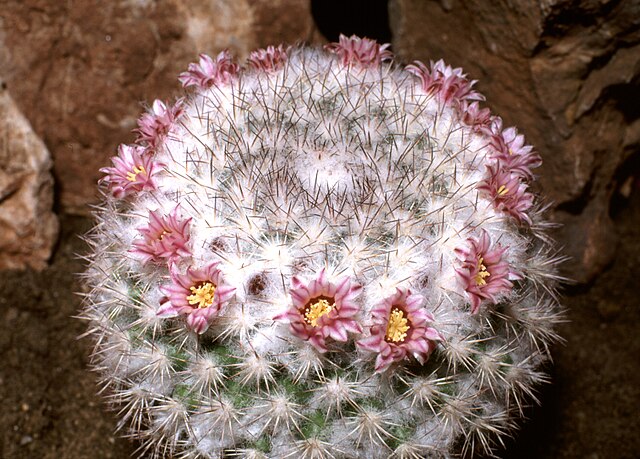 © Reinhart Schade / CC BY-SA 3.0
Mammillaria
A cactus blooming cute ring-shaped flowers on small globes. Adult size is 3–15 cm. Very many species, ideal for collecting.
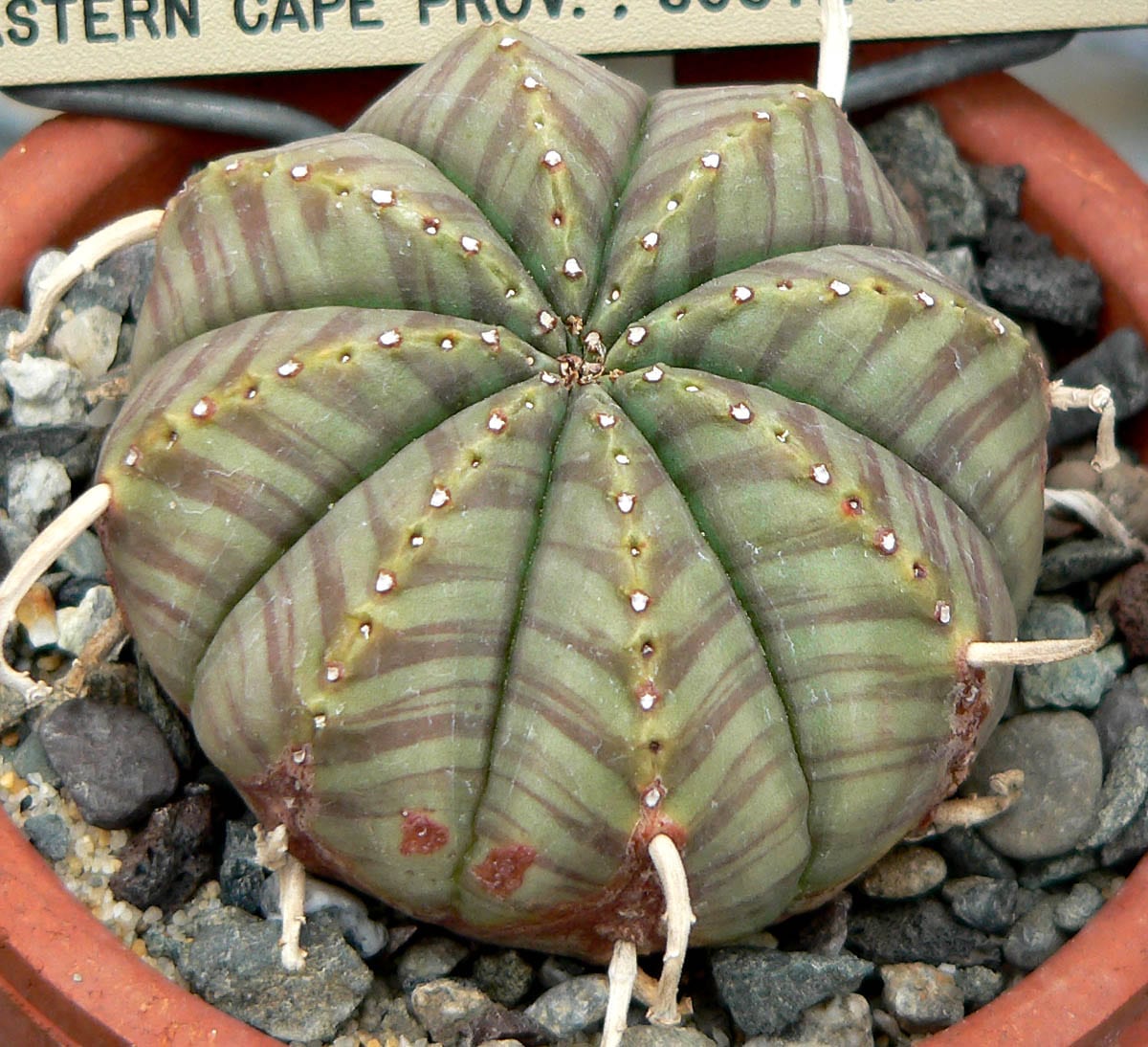 © Stan Shebs / CC BY-SA 3.0
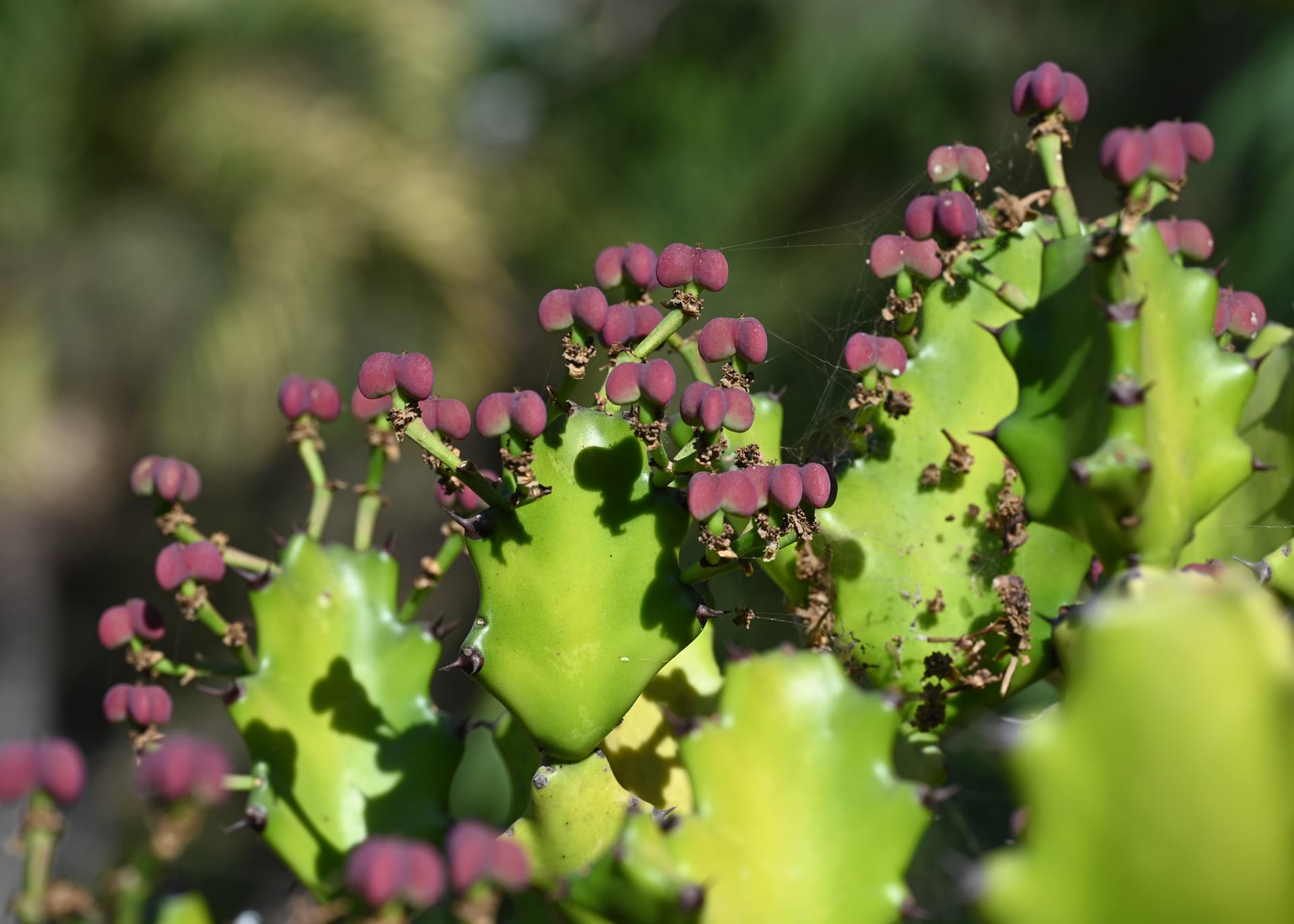
Melon spurge
Euphorbia meloformis
A melon-shaped Euphorbia with eight ribs striped light green and purplish-brown. Old flower stalks persist on the plant, a key difference from the similar E. obesa.
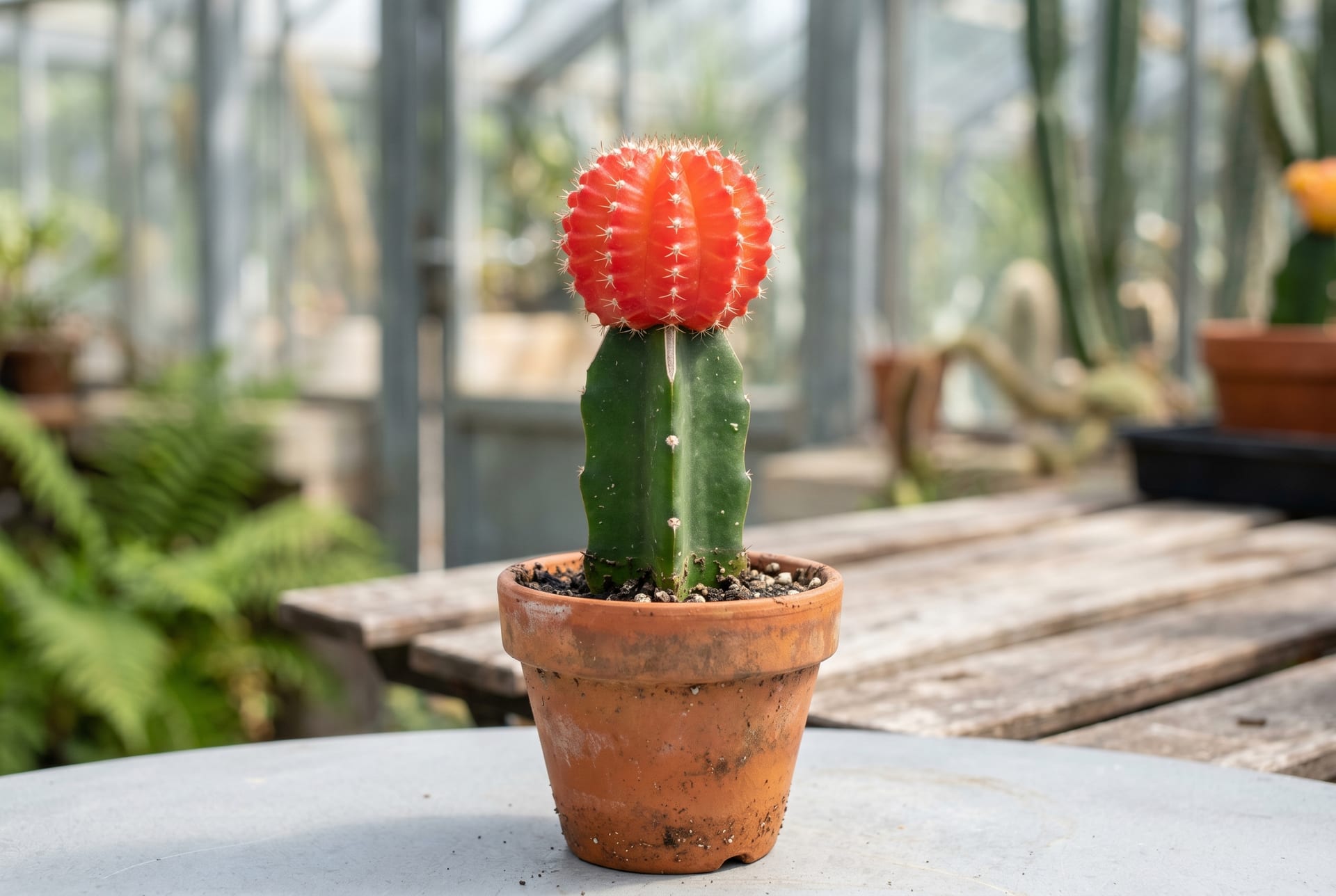
Moon Cactus
Gymnocalycium mihanovichii (variegated)
A colorful grafted cactus: a chlorophyll-free bright-red ball joined onto a green rootstock. It cannot live on its own, and the rootstock determines its lifespan.
 © Didier Descouens / CC BY-SA 4.0
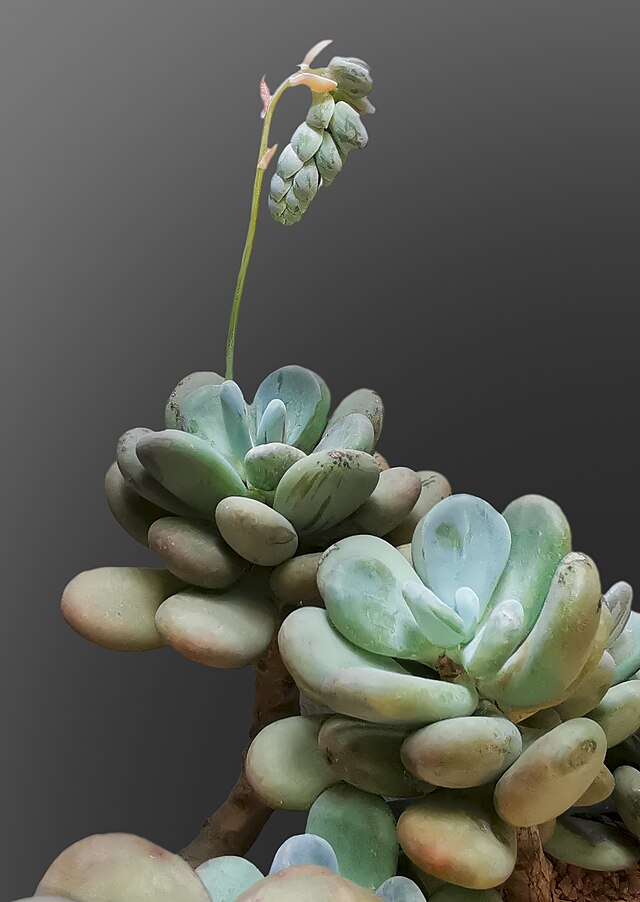
Moonstone
Pachyphytum oviferum
A succulent featuring perfectly round plump leaves. Beautiful when colored in pastel pink.
 © Gmihail at Serbian Wikipedia / CC BY-SA 3.0 rs
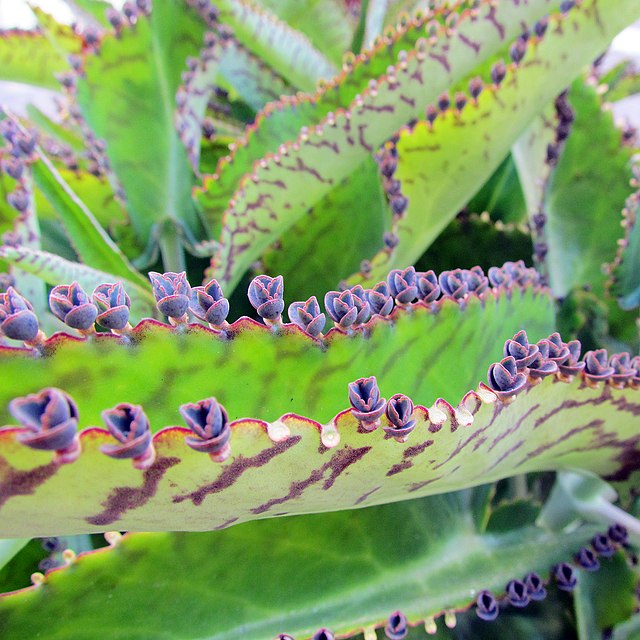
Mother of Thousands
Kalanchoe daigremontiana
A unique succulent producing masses of plantlets (adventitious buds) on leaf edges. Amazing reproduction.
 © Krzysztof Ziarnek, Kenraiz / CC BY-SA 4.0
Mottled spurge
Euphorbia lactea
A cactus-like columnar Euphorbia with paired short spines on its ridges and white-marbled green stems. Many garden forms exist, including the pale 'White Ghost' and the crested 'Cristata'.
 © Rolf Engstrand / CC BY-SA 3.0
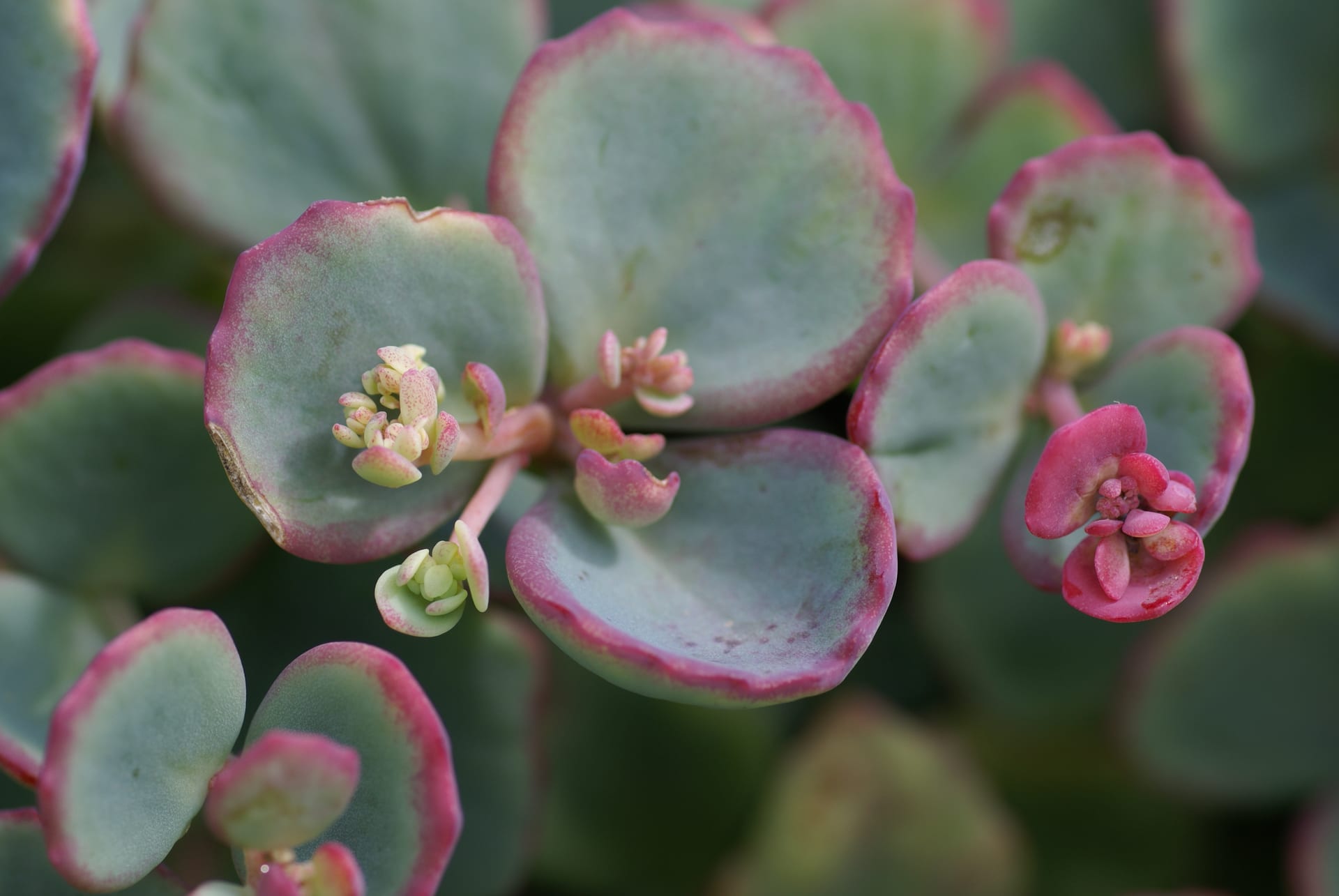
October daphne
Hylotelephium sieboldii
A Japanese succulent with round, grey-blue, red-edged leaves in whorls of three and clusters of pink flowers in autumn. A classic garden plant also called 'Tama-no-o'.
 © CactiLegacy / CC BY-SA 4.0
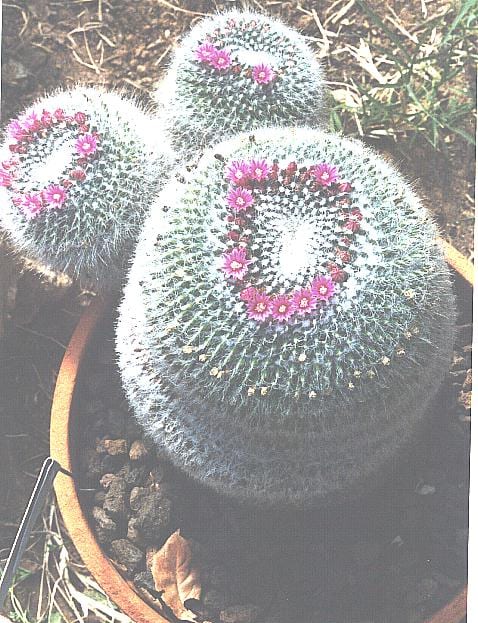
Old lady cactus
Mammillaria hahniana
A Mammillaria whose globular stems are wrapped in long, fine white hairs. It rings the crown with small purplish-red flowers and blooms freely even when young.
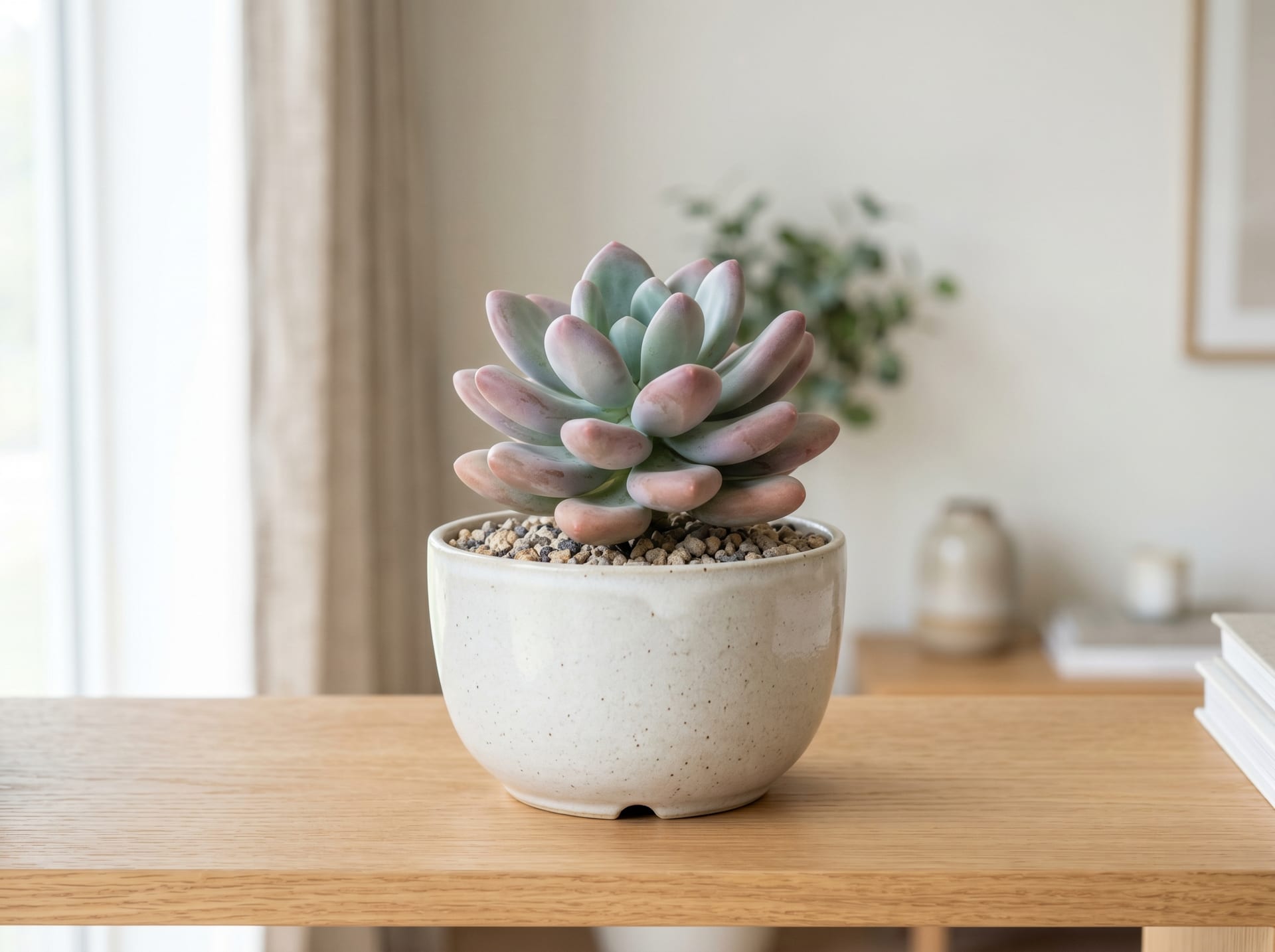
Pachyphytum / Graptopetalum
Pachyphytum spp. / Graptopetalum spp.
Mexican succulents with distinct characteristics. Pachyphytum displays powder-blue waxy coating; graptopetalum offers rich color diversity. Both highly drought-tolerant with minimal water and bright light requirements.
 © JMK / CC BY-SA 4.0
Paddle plant
Kalanchoe thyrsiflora
A Kalanchoe with large, round, white-powdered leaves whose edges redden in sun. A rosette dies after flowering and is replaced by offsets from the base.
Related Content
Succulent FAQ
- How much do succulents cost?
- Common Echeveria cost 300-2,000 yen, popular Haworthia obtusa 1,000-10,000 yen, and rare hybrids or large specimens can exceed tens of thousands of yen.
- Can beginners grow succulents?
- Echeveria, Sedum, and Graptopetalum are hardy and beginner-friendly. Place in a sunny spot and water only when the soil is completely dry.
- What are the key tips for growing succulents?
- Place in a sunny spot with good airflow and water sparingly. Many species go dormant in summer and winter, so adjusting care to their growing season is key to beautiful growth.
- What should I check when buying succulents?
- Check that leaves are plump and firm, the base isn't rotting, and there are no pests (like mealybugs). For bare-root plants, root condition is also important.
- How long do succulents live?
- With proper care, succulents can thrive for 10+ years depending on species. They're easily propagated through leaf cuttings and division, allowing enjoyment across generations.