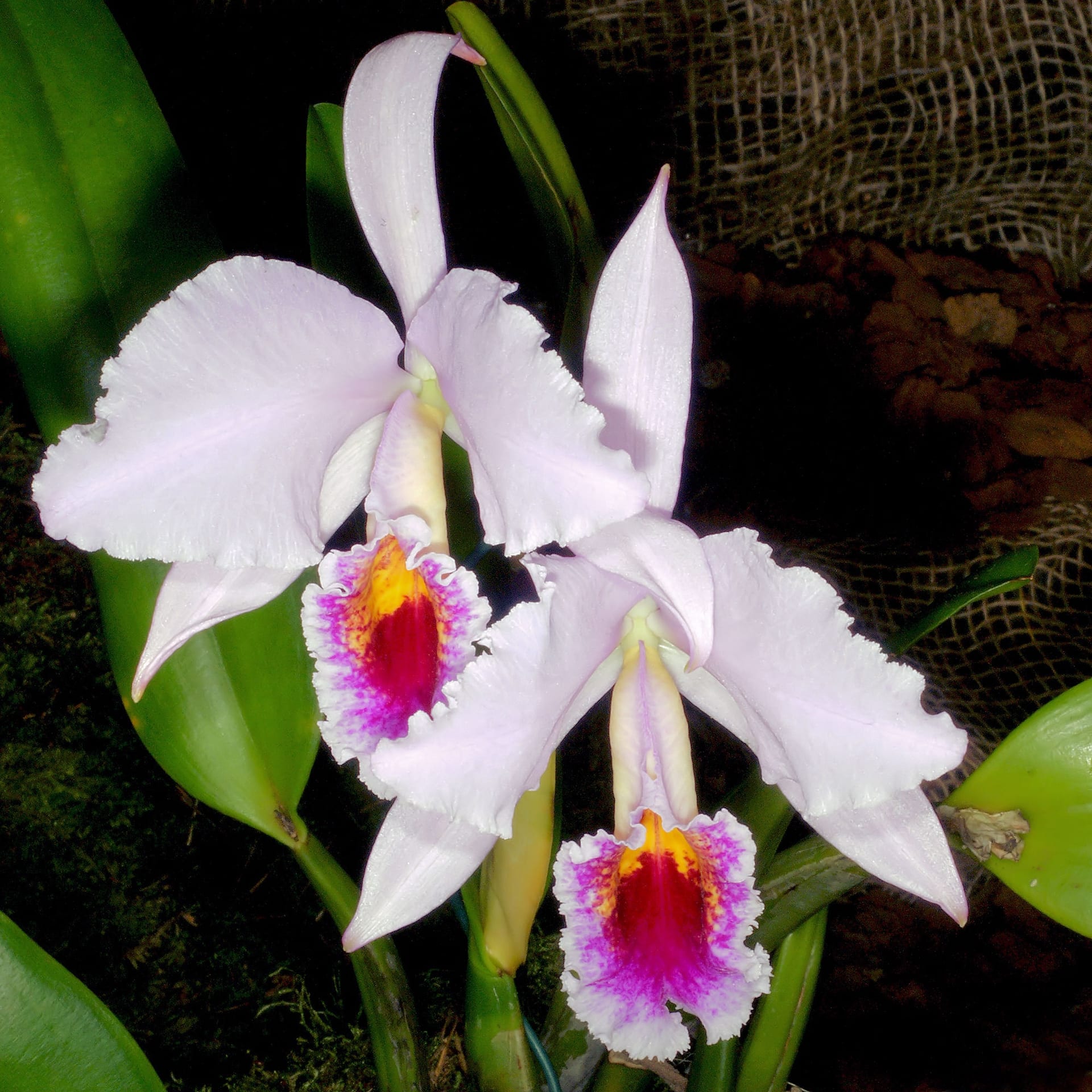
 © Orchi / CC BY-SA 3.0
Christmas Cattleya
Cattleya percivaliana is a species orchid native to the rocky highlands of Venezuela and Colombia. It's a single-leaf type, producing one leaf per pseudobulb, with pale pink-lavender petals set off by a lip that deepens to rich magenta-purple. Because it typically flowers in winter, it's nicknamed the Christmas Cattleya in English, and flower coloring varies noticeably from plant to plant. Considered suited to intermediate growers, it rewards patience with its wild, species-orchid character, and can be divided and grown on for many years.
View Christmas Cattleya encyclopedia →0% commission on your first sales!Register by September 30, 2026 and your first 2 plants are commission-free!
Grower Wanted!
List your plants on GrowerDirect and sell directly to customers nationwide!
6 Transparency Commitments from GrowerDirect
Growers disclose the following information for Orchids listings, guaranteeing transparency on variety, origin, light requirements, and growing difficulty.
- Variety Disclosed
- Real Photos
- Color Specification
- Origin Disclosed
- Light Requirements
- Difficulty Level Disclosed
Browse all 142 varieties
Light Requirements
Growing Difficulty
Verified growers wanted for Orchids
Growers are signing up now ahead of launch. Subscribe to be notified when new listings go live.
Getting alerts is free with a member account. When new listings match your saved search, we'll notify you by email and in-app.
Browse other categories
Christmas Cattleya key facts
- Growing Difficulty
- Intermediate
- Lifespan
- Perennial that can be kept for many years by division (little data on lifespan)
- Size
- Flowers up to 12.5 cm across; flower stem up to 25 cm
- Watering
- Dilute liquid fertilizer in the growing season
- Light & Placement
- It grows on sunny rocks in the wild and likes bright light; shade only from midsummer sun.
- Watering
- Water thoroughly after the medium dries while growing; water less after flowering and through winter.
- Temperature & Overwintering
- From highlands, it prefers fairly cool conditions; bring it indoors for winter and keep it from the cold.
- Soil & Repotting
- Pot in bark or sphagnum in a pot that keeps roots snug, and repot as new growth starts.
- Fertilizer
- Give dilute liquid fertilizer while growing and stop in winter.
About Christmas Cattleya
Cattleya percivaliana is a single-leaf species orchid from Venezuela and Colombia, known as the Christmas Cattleya for its winter blooms and deep magenta-purple lip.
7 things to know before growing Christmas Cattleya
1Bright Light and Airflow
In the wild it grows on sunny rock faces, so it likes bright light. Shade it only from direct midsummer sun and give it plenty of light the rest of the year. Good air movement around the pot matters too, since poor ventilation encourages rot and disease.
2Water With the Seasons
Water generously while new growth is actively developing. Once a pseudobulb has matured, easing off and letting it dry a little more helps encourage flower buds to form.
3Use a Well-Draining Mix
Since this species grows naturally on rock faces, it does better in a coarse, airy medium like bark than in dense sphagnum moss. It can also be mounted on cork or similar material, closer to how it grows in the wild.
4Repot as New Growth Starts
The best time to repot is in spring, once flowering has finished and new growth begins to emerge. It's also worth repotting when the mix has broken down or the bulbs have crowded the pot.
5Protect Blooms From Cold
True to its nickname, this orchid flowers in winter, so once buds appear, keep it away from direct heater drafts or cold air near a window. It enjoys cool highland conditions but isn't frost-hardy, so a bright indoor spot works best through winter.
6Choose Plants by Bulbs and Roots
Plants with several pseudobulbs in a row tend to flower more reliably in following seasons. Check that the roots aren't blackened and the leaves are free of scarring or spotting before choosing one.
7A Fragrant Winter Bloom
Flowers reach up to about 12.5cm across, with two to four blooms per stem and a lip that deepens into a striking magenta-purple. Coloring varies noticeably between plants, and the flowers carry a slightly distinctive scent, so each one has its own character.
Frequently asked questions about Christmas Cattleya
- Q.What does the nickname "Christmas Cattleya" mean?
- A.As the English name suggests, it typically flowers in winter around December, which is how it earned the nickname Christmas Cattleya. Its lip deepens to a rich magenta-purple, and flower coloring varies from plant to plant.
- Q.How difficult is this orchid to grow?
- A.It's generally considered suited to intermediate growers rather than complete beginners. Because it's a species orchid with epiphytic habits, watering and placement need to reflect that, so some prior Cattleya experience helps.
- Q.How large are the flowers?
- A.Flowers reach up to about 12.5cm in diameter, with two to four blooms on each flower stem.
- Q.How often and when should it be repotted?
- A.This depends on the condition of the growing medium and how crowded the bulbs are, but early spring, as new growth starts after flowering, is generally the best time. Roots growing out over the pot's rim are also a sign it may be time to repot.
- Q.Can it be divided and grown for many years?
- A.It's a perennial that produces more pseudobulbs as it grows, so it can be divided every few years and kept going for a long time. Right after dividing, watering a little more sparingly while the divisions settle in is a good precaution.
Handy Growing Tools for Christmas Cattleya
Learn more about Christmas Cattleya in the encyclopedia
View Christmas Cattleya encyclopedia entry →
Care difficulty, size, origin and light needs — all basics covered.
More in this category
Can't find the plant you're looking for?
Post your wishes for free and growers with matching plants will contact you with introductions.