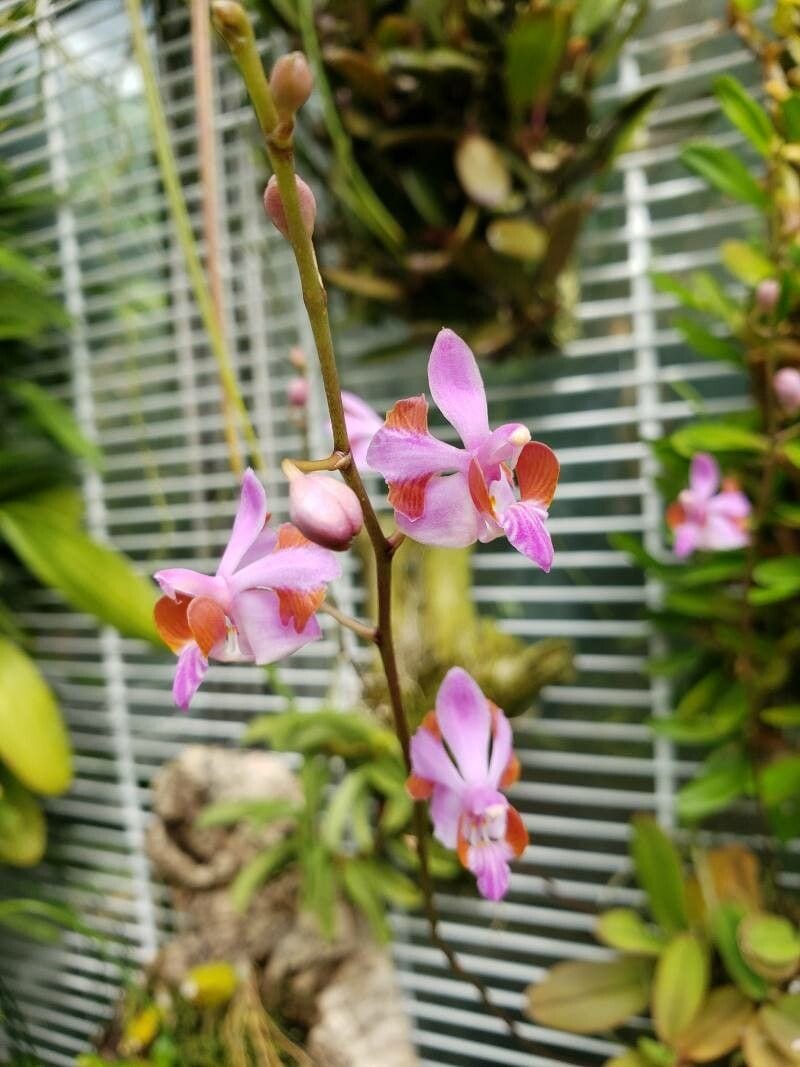
 © Willow Coville / CC BY-SA 4.0
Beautiful Doritis
Phalaenopsis pulcherrima, once classified in the genus Doritis, is a species orchid known for its upright, stiffly held leaves and tall, straight flower spikes. Small, vividly pink-magenta blooms open in succession from the base of the spike upward, giving the plant a more compact silhouette than typical Phalaenopsis. It's also celebrated for the wide range of flower colors and shapes it can produce, making it a popular parent in orchid breeding. Getting to know this species is a rewarding way to expand your experience with Phalaenopsis.
View Beautiful Doritis encyclopedia →0% commission on your first sales!Register by September 30, 2026 and your first 2 plants are commission-free!
Grower Wanted!
List your plants on GrowerDirect and sell directly to customers nationwide!
6 Transparency Commitments from GrowerDirect
Growers disclose the following information for Orchids listings, guaranteeing transparency on variety, origin, light requirements, and growing difficulty.
- Variety Disclosed
- Real Photos
- Color Specification
- Origin Disclosed
- Light Requirements
- Difficulty Level Disclosed
Browse all 142 varieties
Light Requirements
Growing Difficulty
Verified growers wanted for Orchids
Growers are signing up now ahead of launch. Subscribe to be notified when new listings go live.
Getting alerts is free with a member account. When new listings match your saved search, we'll notify you by email and in-app.
Browse other categories
Beautiful Doritis key facts
- Growing Difficulty
- Intermediate
- Lifespan
- Perennial that can be kept for many years (little data on lifespan)
- Size
- Small; leaves about 15 cm, flower stem 40-60 cm (sometimes 1 m), flowers 2-4 cm across
- Watering
- Dilute liquid fertilizer year round
- Light & Placement
- It needs more light than typical moth orchids; give bright light while avoiding harsh direct sun.
- Watering
- Water evenly throughout the year.
- Temperature & Overwintering
- A warm to intermediate grower; keep it indoors somewhere warm in winter.
- Soil & Repotting
- It grows on rocks and sandy soil, so pot it in a free-draining medium.
- Fertilizer
- Feed dilute liquid fertilizer regularly all year.
- Choosing a Plant
- Flower colour and shape vary widely and plants are sold selected by form; choose in flower or from a reliable colour label. It is also sold under the old name Doritis.
About Beautiful Doritis
Phalaenopsis pulcherrima is a species orchid with stiff, upright leaves and tall spikes of small pink-magenta flowers, prized for its wide variation in bloom color and form. Best suited to growers with some orchid experience.
7 things to know before growing Beautiful Doritis
1Light & Placement
A bright spot near a sheer-curtained window suits this orchid well. Its stiffer leaves tolerate slightly more light than typical Phalaenopsis, but direct sun can still scorch them, so keep it out of harsh rays.
2Watering
Water once the potting mix has dried out on the surface. The firm leaves handle brief dry spells reasonably well, but letting the plant dry out too often will weaken it, so aim for a clear wet-dry rhythm.
3Potting Mix
A well-draining, bark-based mix works best. Good airflow around the roots helps prevent rot, so avoid mixes or pots that stay soggy.
4Repotting Timing
Repot when roots fill the pot or the mix starts breaking down. Doing this once flowering has finished and the plant has settled reduces stress on the roots.
5Seasonal Care
During the growing season, keep temperature and humidity stable, and move the plant to a warm indoor spot as temperatures drop. As a long-lived perennial, it can be enjoyed for years as the plant renews itself.
6Training the Flower Spike
The flower spike grows tall and straight, sometimes reaching around a meter under good conditions. Staking it early helps keep it upright and shows off the flowers to best effect.
7Choosing a Healthy Plant
Choose a plant with firm, unblemished leaves and healthy, well-developed roots. Since flower color and shape vary between individuals, picking a plant whose blooms you personally like is part of the fun.
Frequently asked questions about Beautiful Doritis
- Q.What's the difference between Doritis and Phalaenopsis?
- A.Pulcherrima was once classified under the genus Doritis but has since been merged into Phalaenopsis. The classification name changed, but its distinctive stiff leaves and straight flower spikes remain the same.
- Q.Can beginners grow this orchid?
- A.This species is considered suited to growers with some experience rather than absolute beginners. Getting comfortable with standard Phalaenopsis care first makes it easier to master its watering and placement needs.
- Q.How big are the flowers?
- A.The flowers are small, around 2 to 4 cm across. While each bloom is modest in size, the many flowers strung along the long spike create an impressive overall display.
- Q.How long does the flower spike grow?
- A.The flower spike typically reaches 40 to 60 cm, and under good conditions it can approach 1 meter. As it lengthens it becomes prone to leaning, so support it with a stake.
- Q.How long can this plant be kept alive?
- A.It's a perennial that can be grown for many years as the plant renews itself over time. Detailed lifespan data is limited, but with consistent care it's a species you can keep for years.
Handy Growing Tools for Beautiful Doritis
Learn more about Beautiful Doritis in the encyclopedia
View Beautiful Doritis encyclopedia entry →
Care difficulty, size, origin and light needs — all basics covered.
More in this category
Can't find the plant you're looking for?
Post your wishes for free and growers with matching plants will contact you with introductions.