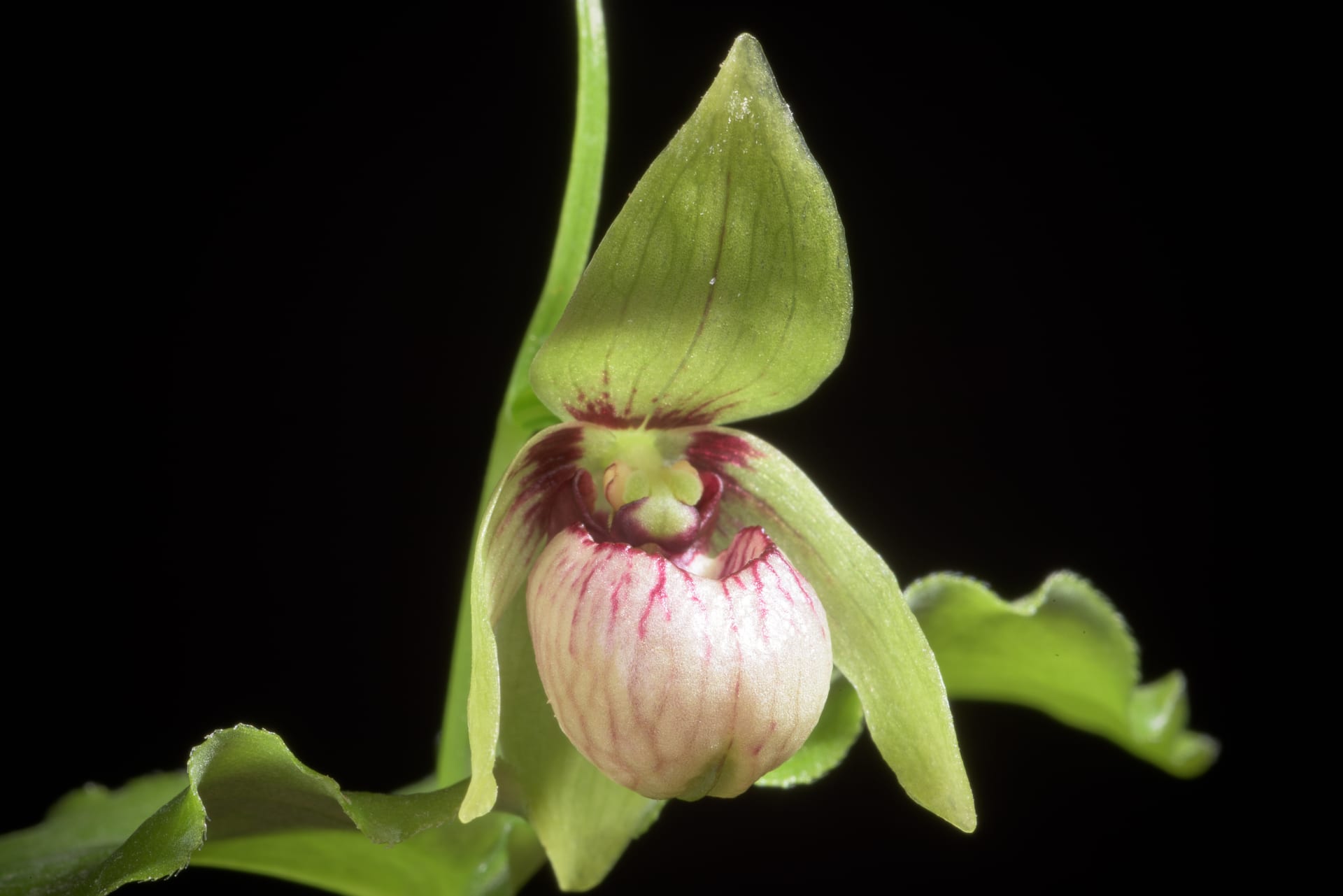
 © snotch from Sapporo, Hokkaido, Japan / CC BY 2.0
Frail Cypripedium
Frail Cypripedium is a small member of the lady's slipper orchid genus, spreading two round, heart-shaped leaves flat near the ground and tucking a tiny nodding flower just beneath them. At only 1-2 cm across, the bloom hides so close to the soil that you often need to lift the leaves to see it, a quietly understated charm rather than a showy display. Its compact, diminutive habit makes it a striking presence even in a small pot or a corner of a wild-flower bench. This is considered an advanced-level orchid to grow, rewarding patient, attentive care with a uniquely intimate flowering experience.
View Frail Cypripedium encyclopedia →0% commission on your first sales!Register by September 30, 2026 and your first 2 plants are commission-free!
Grower Wanted!
List your plants on GrowerDirect and sell directly to customers nationwide!
6 Transparency Commitments from GrowerDirect
Growers disclose the following information for Orchids listings, guaranteeing transparency on variety, origin, light requirements, and growing difficulty.
- Variety Disclosed
- Real Photos
- Color Specification
- Origin Disclosed
- Light Requirements
- Difficulty Level Disclosed
Browse all 142 varieties
Light Requirements
Growing Difficulty
Verified growers wanted for Orchids
Growers are signing up now ahead of launch. Subscribe to be notified when new listings go live.
Getting alerts is free with a member account. When new listings match your saved search, we'll notify you by email and in-app.
Browse other categories
Frail Cypripedium key facts
- Growing Difficulty
- Advanced
- Lifespan
- Perennial (little data on lifespan)
- Size
- Very small; flower stalk 2-5 cm, flowers 1-2 cm across
- Watering
- Very little fertilizer
- Light & Placement
- It grows in shady forest and ravines; keep it in bright shade out of direct sun.
- Watering
- It likes humus-rich, well-drained soil; do not let it dry out in growth, but avoid waterlogging.
- Temperature & Overwintering
- A cool-growing plant of montane woodland floors; keep it somewhere cool away from summer heat and stagnant humidity.
- Soil & Repotting
- Plant it in a humus-rich, free-draining mix.
- Dormancy Care
- It dies back to dormancy after flowering; do not let the mix dry out completely while dormant.
- Pests & Cautions
- A Japanese native; choose nursery-propagated plants rather than wild-collected ones. Some prefectures restrict collecting wild plants by ordinance.
About Frail Cypripedium
Frail Cypripedium is a small orchid with two heart-shaped leaves hiding a nodding 1-2cm flower beneath them, an understated favorite for advanced growers.
7 things to know before growing Frail Cypripedium
1Choose bright, partial shade
Frail Cypripedium prefers bright shade, such as beneath deciduous trees, and should be kept out of direct sun. Strong afternoon sun in summer can scorch the leaves, so extra shading is important. Good air circulation in a cool spot also helps the plant thrive.
2Keep it consistently moist
This orchid dislikes drying out, so water thoroughly once the soil surface starts to feel dry. At the same time, it's prone to root rot from overwatering, so avoid letting water sit in the saucer and make sure drainage stays good.
3Use a well-drained potting mix
A mix designed for alpine or woodland plants, combining materials such as Kanuma soil and pumice, works well, balancing drainage with moisture retention. Aim for a humus-rich, airy soil that lets roots breathe.
4Repot during dormancy
Repot roughly once every one to two years, while the plant is dormant and its top growth has died back. Handle the roots gently to avoid damage, removing old soil before settling the plant into fresh mix.
5Winter dormancy is normal
In autumn the above-ground growth dies back and the plant enters dormancy, a normal part of its cycle rather than a sign of trouble. Keep it somewhere protected from hard freezing but not too dry through winter.
6Check the base and leaves
When choosing a plant, look for one with both leaves fully expanded and a plump, firm base rather than a shriveled one. Leaves with minimal damage or discoloration are a good sign and make ongoing care easier.
7Lift the leaves to see the flower
Because the flower nods downward beneath the two leaves, it's easy to miss from above. Gently lift the leaves to find the small bloom tucked close to the ground.
Frequently asked questions about Frail Cypripedium
- Q.Can beginners grow this orchid?
- A.Frail Cypripedium is generally considered an advanced-level plant to grow. It's best attempted once you're comfortable managing humidity, placement, and other care details.
- Q.How big are the flowers, and how do they bloom?
- A.The flowers are small, about 1-2cm across, held on stems roughly 2-5cm long. They nod downward beneath the two leaves, so you often need to look closely to spot them.
- Q.Should I grow it outdoors or indoors?
- A.It generally does best outdoors in bright, partial shade with good air circulation, such as under eaves or on a plant bench. Indoor spots often lack enough light and airflow, so extra care is needed.
- Q.The leaves died back in winter, is the plant dead?
- A.Dying back above ground from autumn into winter is a natural part of its dormancy cycle, not a sign of death. As long as the below-ground parts remain alive, new growth should emerge in spring.
- Q.How often does it need repotting?
- A.As a general guide, repot about once every one to two years during dormancy. Handling the roots carefully during the process is important to avoid damage.
Handy Growing Tools for Frail Cypripedium
Learn more about Frail Cypripedium in the encyclopedia
View Frail Cypripedium encyclopedia entry →
Care difficulty, size, origin and light needs — all basics covered.
More in this category
Can't find the plant you're looking for?
Post your wishes for free and growers with matching plants will contact you with introductions.