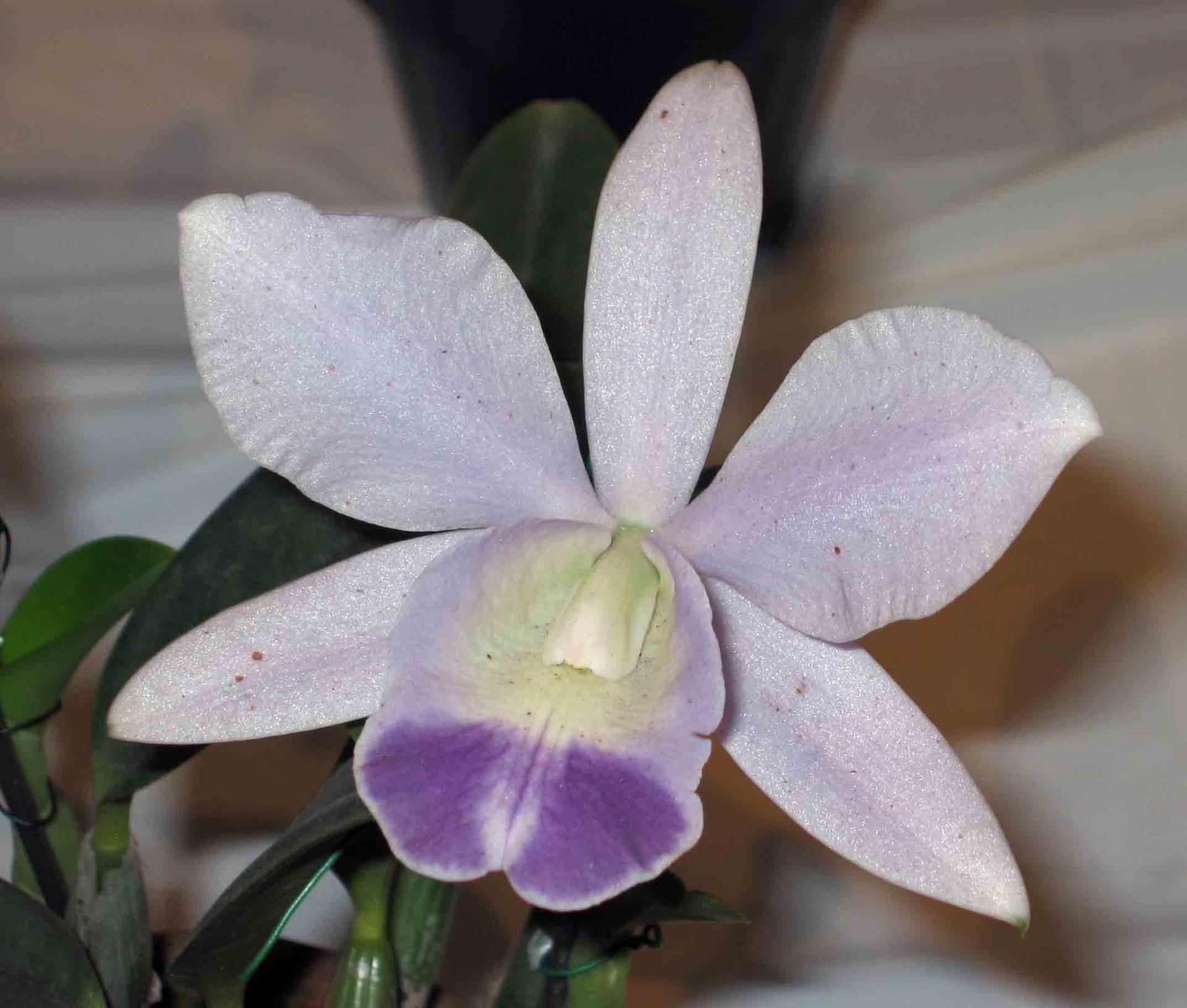
 © 阿橋 HQ / CC BY-SA 2.0
Cattleya Mini Purple
Cattleya Mini Purple is a compact Mini Cattleya hybrid created by crossing the species Cattleya pumila and Cattleya walkeriana. Despite its small plant size, it produces surprisingly large purple flowers, which is part of its appeal. Named selections such as 'Little Princess' are widely available, so growers can enjoy variation in flower color and shape from clone to clone. It's generally considered a good choice for beginners, and with the right light and watering routine it's a manageable orchid to keep. As a perennial, a well-established plant can be divided over time, letting you enjoy it for many years.
View Cattleya Mini Purple encyclopedia →0% commission on your first sales!Register by September 30, 2026 and your first 2 plants are commission-free!
Grower Wanted!
List your plants on GrowerDirect and sell directly to customers nationwide!
6 Transparency Commitments from GrowerDirect
Growers disclose the following information for Orchids listings, guaranteeing transparency on variety, origin, light requirements, and growing difficulty.
- Variety Disclosed
- Real Photos
- Color Specification
- Origin Disclosed
- Light Requirements
- Difficulty Level Disclosed
Browse all 142 varieties
Light Requirements
Growing Difficulty
Verified growers wanted for Orchids
Growers are signing up now ahead of launch. Subscribe to be notified when new listings go live.
Getting alerts is free with a member account. When new listings match your saved search, we'll notify you by email and in-app.
Browse other categories
Cattleya Mini Purple key facts
- Growing Difficulty
- Beginner-friendly
- Lifespan
- Perennial that can be kept for many years by division (little data on lifespan)
- Size
- Compact (mini-Cattleya); size varies by clone
- Watering
- Dilute liquid fertilizer in the growing season
- Light & Placement
- It likes bright light; shade only from strong midsummer sun and give full light in winter.
- Watering
- Water when the medium is nearly dry: more while growing, less in winter and during rest.
- Temperature & Overwintering
- One British orchid society member flowers it in a conservatory kept at 19-26°C year-round with at least 60% humidity.
- Soil & Repotting
- Pot in a free-draining medium such as bark, in a smallish pot; repot as new growth starts.
- Fertilizer
- Give dilute liquid fertilizer while growing and reduce it in winter.
- Buying Tips
- Flowers differ from plant to plant under the same hybrid name. To be sure of the flower, choose a named clone such as 'Little Princess' or a plant in bloom; unnamed seedlings show their colour only when they flower.
About Cattleya Mini Purple
A Mini Cattleya hybrid of C. pumila and C. walkeriana, prized for large purple blooms on a compact plant. Beginner-friendly and easily divided for years of growth.
7 things to know before growing Cattleya Mini Purple
1Light and Airflow
Like other cattleyas, this hybrid thrives in bright light, so a spot near a window with sheer curtains works well. Direct summer sun can scorch the leaves, so filter the light or move the plant to partial shade during the hottest months. Good air circulation also helps keep pests and disease at bay.
2Watering Rhythm
Mini cattleyas do best with a clear wet-dry cycle. Water thoroughly once the potting mix surface has dried out, and avoid letting water pool in the pot to prevent root rot. Growth slows in winter, so it's fine to space out waterings a bit more during colder months.
3Bark-Based Mix
Cattleyas need excellent drainage, so an orchid bark mix or sphagnum moss is the standard choice. As the mix breaks down over time it loses aeration, so repotting periodically keeps the roots healthy.
4When to Repot
Repot once the plant has filled its pot or the mix has started to break down. Timing the repot to coincide with new growth minimizes stress on the plant.
5Seasonal Care Shifts
During the spring-to-autumn growing season, give the plant plenty of light and water to help it build strength. In winter, move it to a bright spot indoors and protect it from cold drafts and dry air.
6Choosing a Plant
Flower color and shape can vary between individual plants, so named selections like 'Little Princess' make it easier to know what you're getting. Look for a plant with well-developed, plump pseudobulbs, which tends to grow more reliably afterward.
7Big Blooms, Small Plant
Cattleya Mini Purple keeps a compact form, but its flowers are large relative to the size of the plant. It's a good option for anyone who wants an eye-catching bloom without needing much space.
Frequently asked questions about Cattleya Mini Purple
- Q.Is this a good orchid for beginners?
- A.Yes, it's generally considered beginner-friendly. Give it a bright spot and a clear wet-dry watering cycle, and it's manageable without much specialized experience.
- Q.How big does this plant get?
- A.It's classified as a Mini Cattleya, a small type of cattleya, and plant size varies from one individual to another. Even though the plant itself stays compact, its flowers are notably large relative to its size.
- Q.Why do some plants have names like 'Little Princess'?
- A.Cattleya Mini Purple is a hybrid, so flower color and form vary from seedling to seedling. Plants with especially desirable traits are given individual names, such as 'Little Princess', and sold as named selections.
- Q.How often does it need repotting?
- A.Consider repotting once the plant has filled its pot or the mix's drainage has declined. Timing the work to coincide with new growth helps reduce stress on the plant.
- Q.How many years can I keep growing it?
- A.As a perennial, it can be grown for many years by dividing the plant as it grows. That said, detailed data on its exact lifespan isn't well documented.
Handy Growing Tools for Cattleya Mini Purple
Learn more about Cattleya Mini Purple in the encyclopedia
View Cattleya Mini Purple encyclopedia entry →
Care difficulty, size, origin and light needs — all basics covered.
More in this category
Can't find the plant you're looking for?
Post your wishes for free and growers with matching plants will contact you with introductions.