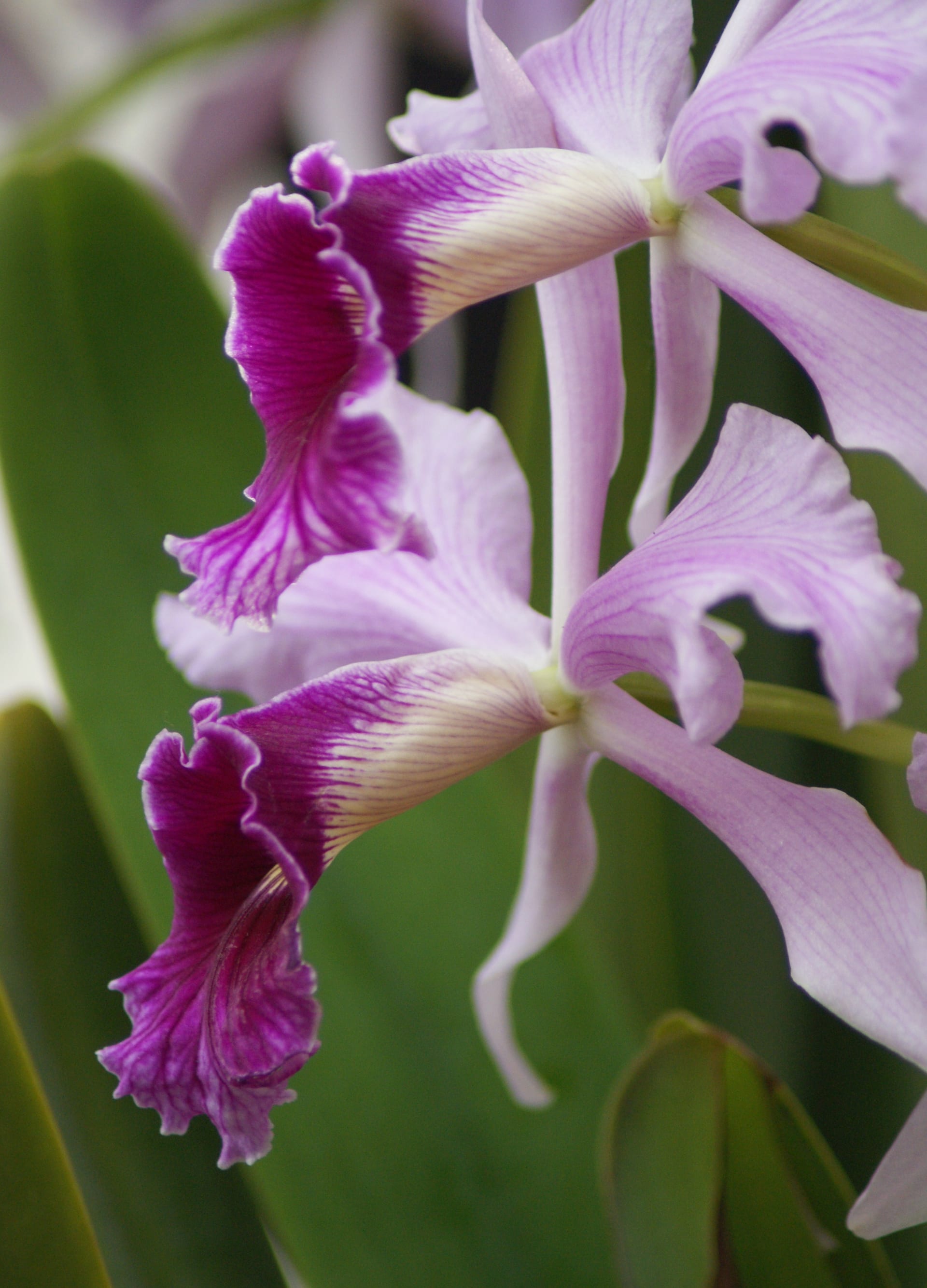
 © Elena Gaillard from New York, USA / CC BY 2.0
Purpurata Cattleya
Cattleya purpurata is a large-flowered Cattleya native to southern Brazil, prized for the striking contrast between its white or pale pink petals and a deep magenta-purple lip. Formerly classified as Laelia purpurata, it is grown in many named forms, such as alba and carnea, distinguished by the color of the lip, so each plant has its own character. It calls for the more attentive care suited to an intermediate grower, but as a perennial that can be divided and kept for years, it rewards a long-term relationship. With its bold, substantial blooms, it is a natural next step for anyone who has started building an orchid collection.
View Purpurata Cattleya encyclopedia →0% commission on your first sales!Register by September 30, 2026 and your first 2 plants are commission-free!
Grower Wanted!
List your plants on GrowerDirect and sell directly to customers nationwide!
6 Transparency Commitments from GrowerDirect
Growers disclose the following information for Orchids listings, guaranteeing transparency on variety, origin, light requirements, and growing difficulty.
- Variety Disclosed
- Real Photos
- Color Specification
- Origin Disclosed
- Light Requirements
- Difficulty Level Disclosed
Browse all 142 varieties
Light Requirements
Growing Difficulty
No listings match your filters
Adjust your filters, or get notified when new listings arrive.
Getting alerts is free with a member account. When new listings match your saved search, we'll notify you by email and in-app.
Browse other categories
Purpurata Cattleya key facts
- Growing Difficulty
- Intermediate
- Lifespan
- Perennial that can be kept for many years by division (little data on lifespan)
- Size
- Flower stem 30-37 cm; flowers 15-25 cm across
- Watering
- Dilute liquid fertilizer in the growing season
- Light & Placement
- It likes bright light; shade from midsummer sun and give as much light as possible the rest of the year.
- Watering
- Water thoroughly after the medium dries while growing; in winter reduce watering and let it rest on the dry side.
- Temperature & Overwintering
- It prefers cool to warm conditions; bring it indoors for winter and keep it from the cold.
- Soil & Repotting
- Pot in bark or sphagnum in a pot that keeps the roots fairly snug; repot as new growth starts.
- Dormancy Care
- A drier winter rest improves flowering the following year.
About Purpurata Cattleya
A guide to Cattleya purpurata, a large-flowered Brazilian orchid with white petals and a deep magenta-purple lip, formerly known as Laelia purpurata, covering placement, watering, and repotting basics.
7 things to know before growing Purpurata Cattleya
1As Much Light as Possible
Cattleya purpurata likes bright light. Shield it from direct midsummer sun, but keep it in as bright a spot as possible the rest of the year. If grown outdoors, shade cloth in summer helps soften the light.
2Let It Dry, Then Water Well
Water thoroughly once the surface of the growing medium has dried out. Constantly damp conditions can lead to root rot, so check that the inside of the pot has dried before watering again.
3Sphagnum Moss or Bark Media
A well-draining, breathable medium such as sphagnum moss or bark suits this orchid well. Keeping the roots able to breathe is key to maintaining a healthy plant.
4Repot as New Growth Starts
Early spring, when a new pseudobulb begins to grow, is the best time to repot. Since it is a perennial that can be divided and kept growing for years, repot every few years once the pot becomes crowded.
5Adjust Care by the Season
During active growth, give it plenty of light and water to build up strong pseudobulbs, then gradually space out watering as the plant approaches its rest period. Adjusting placement with the changing temperature also matters.
6Stake the Flower Spike
The flower spike grows to about 30 cm and carries three to five large blooms more than 15 cm across, so it can become top-heavy and lean once in flower. A light stake helps keep the display looking its best.
7Choose a Plant with Plump Bulbs
Look for firm, plump pseudobulbs without wrinkling, along with healthy new growth. It suits intermediate growers, and starting from a plant in good condition makes it easier to manage.
Frequently asked questions about Purpurata Cattleya
- Q.Is this orchid suitable for beginners?
- A.It is considered an intermediate-level orchid, requiring some attention to details like light exposure and watering timing. For anyone who already has a bit of orchid-growing experience, it is a manageable and rewarding choice.
- Q.Is this the same plant as Laelia purpurata?
- A.Yes, it refers to the same plant. It was once classified in the genus Laelia and known as Laelia purpurata, but has since been reclassified into the genus Cattleya and is now sold under the name Cattleya purpurata.
- Q.What flower color variations are there?
- A.Plants are grouped into several forms based on the color of the lip, including the white-flowered alba and the pinkish carnea. Part of the appeal is enjoying the different combinations of petal and lip coloring.
- Q.How large are the flowers?
- A.A flower spike about 30 cm long carries three to five large blooms more than 15 cm across. The flowers are long-lasting and fragrant.
- Q.How long can this orchid be grown for?
- A.It is a perennial that can be grown for many years by dividing the plant along the way. Detailed lifespan data is limited, but with periodic division and renewal, it can be kept going for a long time.
Handy Growing Tools for Purpurata Cattleya
Learn more about Purpurata Cattleya in the encyclopedia
View Purpurata Cattleya encyclopedia entry →
Care difficulty, size, origin and light needs — all basics covered.
More in this category
Can't find the plant you're looking for?
Post your wishes for free and growers with matching plants will contact you with introductions.