 © Gon ksg / CC BY-SA 4.0
Queen of the night
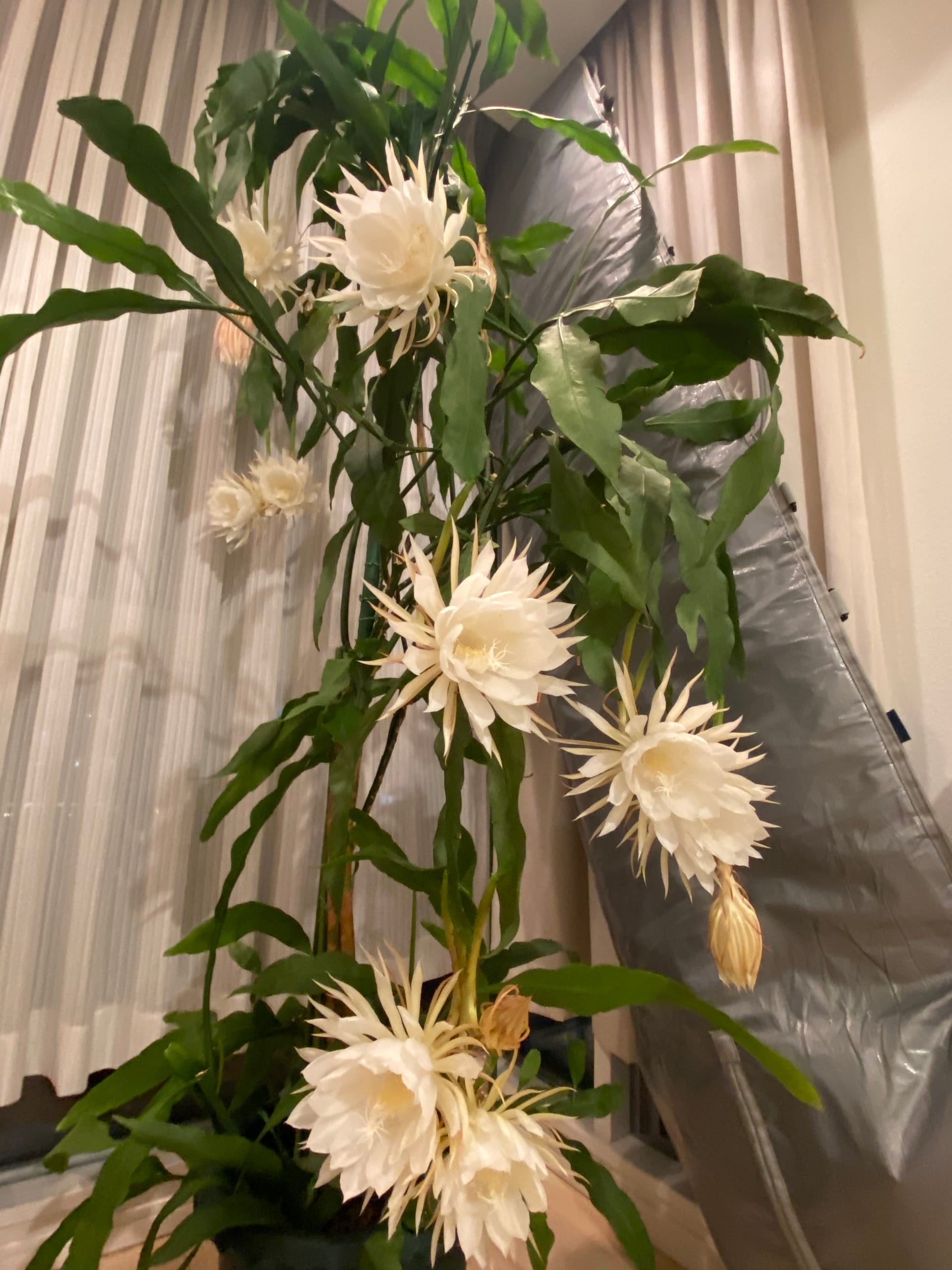
Queen of the night is an epiphytic cactus that opens huge, pure white flowers after dark, up to 30 cm long, along the edges of its flat, leaf-like stems. The blooms give off a strong fragrance and fade by the next morning, so waiting for the night they open is half the fun. It is rated beginner-friendly and is a perennial. Grown in a pot, it reaches about 1 to 2 m tall, and the flowers measure roughly 30 cm long and 17 cm wide. Even when it is not in bloom, its flat, sprawling stems give it a distinctive presence as a houseplant. Keep it in a bright spot indoors and look forward to a summer night when it flowers.
View Queen of the night encyclopedia →0% commission on your first sales!Register by September 30, 2026 and your first 2 plants are commission-free!
Grower Wanted!
List your plants on GrowerDirect and sell directly to customers nationwide!
6 Transparency Commitments from GrowerDirect
Grower disclose this information for Succulents & Cacti. We guarantee transparency in variety, origin, light requirements, and difficulty level.
- Variety Disclosed
- Real Photos
- Color Details
- Origin Disclosed
- Light Requirements
- Difficulty Level
Browse all 131 varieties
Light Requirements
Difficulty Level
Verified growers wanted for Succulents & Cacti
Growers are signing up now ahead of launch. Subscribe to be notified when new listings go live.
Getting alerts is free with a member account. When new listings match your saved search, we'll notify you by email and in-app.
Browse other categories
Verified growers (preview)
Are you growing succulents & cacti?
Register as a grower and connect with buyers directly.
Apply as a growerQueen of the night key facts
- Growing Difficulty
- Beginner-friendly
- Lifespan
- Perennial (little published data on lifespan)
- Size
- 1-2 m tall in pots; flowers about 30 cm long and 17 cm wide
- Watering
- Slow-release fertiliser April-September and liquid feed in October; high-nitrogen feeds suppress flower buds
- Light & Placement
- Keep it in a sunny room from November to April, and in full sun outdoors in May-June to set flower buds. From the end of the rainy season to mid-September move it to partial shade outdoors to avoid scorch, then give full sun again from mid-September to October.
- Watering
- From May to October water thoroughly when the surface dries. From November to April wait a few days after the surface dries and give a little, keeping it on the dry side.
- Temperature & Overwintering
- It is cold-tender, so bring it indoors before the first frost. Kept fairly dry it survives down to near 0°C.
- Soil & Repotting
- Use a free-draining mix in a pot slightly small for the plant. Repot about every two years in May-September, removing old soil and damaged roots.
- Propagation
- Take cuttings in May-September, either sections of 2-3 joints or stems about 30 cm long, in clean, low-nutrient soil.
- Pests & Cautions
- Scale insects occur year-round on stems, and their honeydew leads to sooty mould. Brush them off or use a registered product according to the label. Overwatering causes root rot and wrinkled, wilting stems.
About Queen of the night
Queen of the night is an epiphytic cactus with 30 cm pure white flowers that open at night and fade by morning. Beginner-friendly, it grows 1 to 2 m tall in a pot. Care tips included.
7 things to know before growing Queen of the night
1Bright, part-shade spot
Strong direct sun can scorch the flat stems, so in summer a bright, part-shaded spot or light filtered through a sheer curtain suits it best. In a place that is too dark the stems get leggy and flowering tends to suffer, so make sure it still gets plenty of light.
2Water when dry
From spring to autumn, water thoroughly once the soil surface has dried, and empty any water left in the saucer. It is an epiphytic cactus that likes more moisture than desert cacti, so avoid letting it dry out completely. In winter, water less often and keep the soil on the dry side.
3Well-draining soil
Choose a mix that drains and breathes well while holding a moderate amount of organic matter. A commercial cactus and succulent mix with a little leaf mold blended in works nicely. Use a pot with drainage holes to help prevent root rot.
4Repotting and support
When the roots fill the pot, repot into one size larger in spring or early summer once it has warmed up. Since it grows about 1 to 2 m tall in a pot, pick a stable pot that will not tip over, and add a stake as the stems lengthen.
5Bring it indoors for winter
It dislikes cold, so once temperatures start to drop in autumn, move it from outdoors to a bright place indoors. In winter, water sparingly, keep it away from cold windowsills, and aim to keep it at 5 degrees Celsius or above.
6Don't move it once budded
Once buds form, try not to turn the pot or move it, which helps keep the buds from dropping. The flowers open at night and wilt by the next morning, so start checking on the plant in the evening to catch the big night.
7Choosing a healthy plant
Look for firm stems with a deep green color and no dark spots or soft, mushy areas. Also check the stem edges and bases for pests such as scale insects. Size and condition vary from listing to listing, so review the photos and description, and ask the grower if anything is unclear.
Frequently asked questions about Queen of the night
- Q.Can a beginner grow it?
- A.Yes, it is rated beginner-friendly. If you provide a bright spot, well-draining soil and indoor protection in winter, this perennial is easy to grow.
- Q.What are the flowers like?
- A.They are pure white and huge, about 30 cm long and 17 cm wide, opening at night with a strong fragrance. Because they fade by the next morning, keep an eye on the buds so you are ready for the night they open.
- Q.How big does it get?
- A.In a pot it grows to about 1 to 2 m tall. Stems that get too long can be cut back to shape the plant, so you can train it to fit your space.
- Q.Can I propagate it from cuttings?
- A.Yes, you can propagate it by cutting off a piece of stem. It is common to let the cut end dry for a few days before setting it in well-draining soil.
- Q.Why isn't my plant flowering?
- A.Common reasons are too little light, weakness from winter cold or overwatering, or simply a plant that is still young. Start by moving it to a brighter spot, and in winter water less and keep it out of the cold.
Handy Growing Tools for Queen of the night
Learn more about Queen of the night in the encyclopedia
View Queen of the night encyclopedia entry →
Care difficulty, size, origin and light needs — all basics covered.
More in this category
Can't find the plant you're looking for?
Post your wishes for free and growers with matching plants will contact you with introductions.