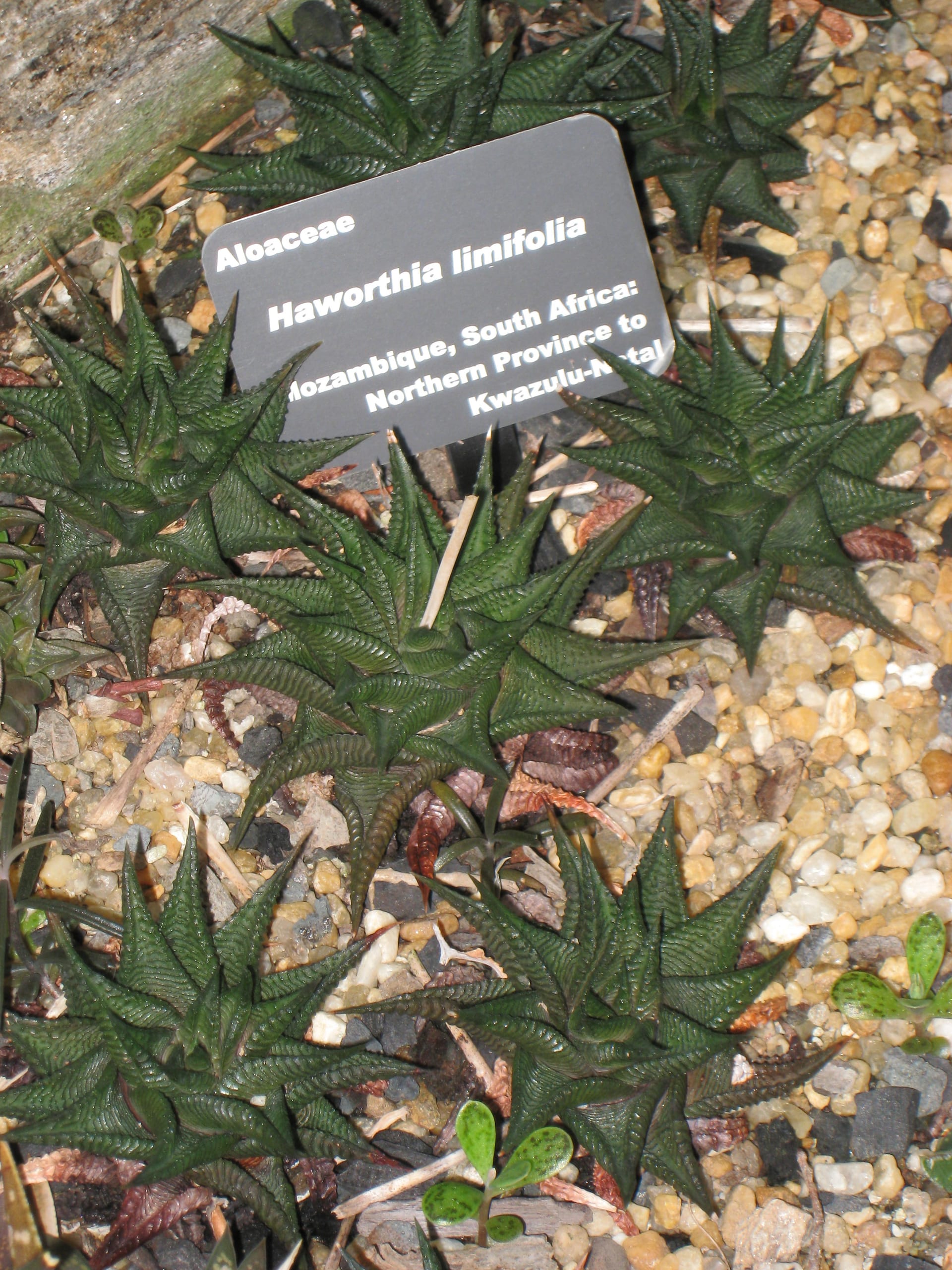
 © Daderot / CC BY-SA 4.0
Fairy washboard
Ruriden (瑠璃殿), sold in English as Fairy washboard, is a hard-leaved Haworthia with broad, triangular leaves in dark brownish green. Rows of white, file-like bumps run across each leaf, and the leaves twist outward like a pinwheel to form a tidy rosette. Rosettes measure 5 to 6 cm across, and large clumps can reach 12 to 15 cm. It is rated beginner-friendly and is a perennial, so a bright windowsill and a light hand with the watering can are enough to get started.
View Fairy washboard encyclopedia →0% commission on your first sales!Register by September 30, 2026 and your first 2 plants are commission-free!
Grower Wanted!
List your plants on GrowerDirect and sell directly to customers nationwide!
6 Transparency Commitments from GrowerDirect
Grower disclose this information for Succulents & Cacti. We guarantee transparency in variety, origin, light requirements, and difficulty level.
- Variety Disclosed
- Real Photos
- Color Details
- Origin Disclosed
- Light Requirements
- Difficulty Level
Browse all 133 varieties
Light Requirements
Difficulty Level
Verified growers wanted for Succulents & Cacti
Growers are signing up now ahead of launch. Subscribe to be notified when new listings go live.
Getting alerts is free with a member account. When new listings match your saved search, we'll notify you by email and in-app.
Browse other categories
Verified growers (preview)
Are you growing succulents & cacti?
Register as a grower and connect with buyers directly.
Apply as a growerFairy washboard key facts
- Growing Difficulty
- Beginner-friendly
- Lifespan
- Perennial (little published data on lifespan)
- Size
- Rosettes 5-6 cm across (large clones 12-15 cm)
- Watering
- A little slow-release or liquid fertiliser in spring and autumn
- Light & Placement
- Grow it in bright shade all year. Direct sun will not kill it but slows growth and dulls the leaves; a little sun gives a reddish tint and a compact plant.
- Watering
- It is a spring-autumn grower (March-June and September-November). Water thoroughly when the surface dries in these periods and hold back in summer and winter.
- Temperature & Overwintering
- Let it rest fairly dry over winter in a bright, frost-free place; cold, wet soil leads to root rot.
- Soil & Repotting
- Use a free-draining mix and repot just before or early in a growing season when the soil is spent.
- Propagation
- Division of offsets at repotting is easiest; leaf cuttings and seed also work. Best in March-May or September-October.
- Pests & Cautions
- Scale insects, aphids and root mealybugs may attack it, and constantly damp soil breeds fungus gnats.
About Fairy washboard
Ruriden (Fairy washboard): a beginner-friendly hard-leaved Haworthia with file-like white ridges and a pinwheel rosette 5 to 6 cm across.
7 things to know before growing Fairy washboard
1Bright window spot
This hard-leaved Haworthia keeps a tight, compact rosette in bright light, while too little light makes the leaves stretch and the shape loosen. Strong direct sun can scorch the leaves, so light filtered through a sheer curtain is a good choice.
2Water when dry
In the spring and autumn growing seasons, wait until the soil is completely dry, then water thoroughly until it runs out of the drainage hole. Water can collect in the twisted center of the rosette and cause damage, so pour it onto the soil at the base of the plant.
3Fast-draining soil
A commercial succulent mix, or a blend based on pumice and akadama, drains quickly and suits this plant well. Roots are easily damaged when the soil stays wet for long, so choose a pot with drainage holes.
4When to repot
When the roots fill the pot, move the plant to a slightly larger one in spring or autumn, during the growing season. Every one to two years is a rough guide, but let the plant's condition decide. If offsets have formed, repotting is also a good time to separate them.
5Summer heat care
Growth slows in Japan's hot, humid summers, so move the plant to bright shade with good airflow and water sparingly. A closed-up room or a spot in direct sun can lead to rot from stuffy air or to leaf scorch.
6Keep frost away
Frost and freezing can damage the plant, so bring it indoors to a bright spot before the cold sets in. Growth slows in winter, so water less often and keep the soil on the dry side. Windowsills get cold at night, so keep an eye on them.
7Choosing a plant
Look for firm leaves with the white, file-like ridges clearly intact. Check that the base is not wobbly and that no leaves are blackened or mushy. A typical rosette is 5 to 6 cm across, and large clumps can reach 12 to 15 cm.
Frequently asked questions about Fairy washboard
- Q.Can beginners grow Ruriden?
- A.Yes, it is rated beginner-friendly. Keep it in a bright spot and water only once the soil has dried out. The most common mistakes are overwatering and leaving it in strong midsummer sun.
- Q.How big does Ruriden get?
- A.A rosette is typically 5 to 6 cm across, and large clumps can reach 12 to 15 cm. Repot during the growing season once the roots fill the pot.
- Q.Can it be grown on an indoor windowsill?
- A.Yes, as long as the windowsill is bright. Too little light makes the leaves stretch, so choose a place that gets light through a sheer curtain and make sure the air does not stagnate.
- Q.What if the leaves shrivel or turn soft?
- A.If the soil is bone dry, the plant may need water, so water it during the growing season and watch how it responds. If the leaves are soft while the soil is still damp, the roots may be damaged. Take the plant out of the pot, check the roots, and replant it in dry soil.
- Q.How long does Ruriden live?
- A.It is a perennial and can be grown year after year. However, reliable sources on its lifespan are scarce, so I can't give a specific number of years.
Handy Growing Tools for Fairy washboard
Learn more about Fairy washboard in the encyclopedia
View Fairy washboard encyclopedia entry →
Care difficulty, size, origin and light needs — all basics covered.
More in this category
Can't find the plant you're looking for?
Post your wishes for free and growers with matching plants will contact you with introductions.