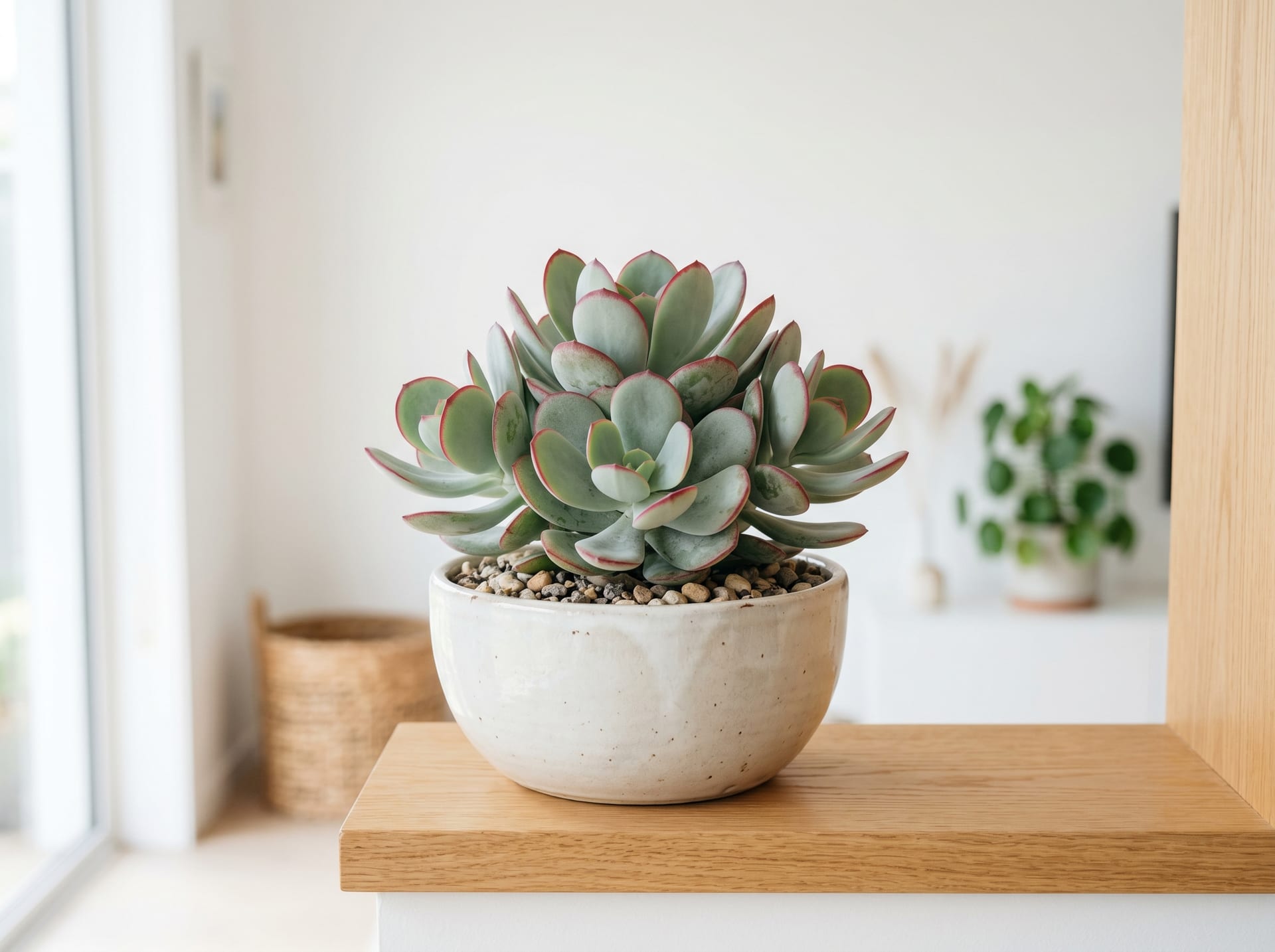
Cotyledon
Cotyledon tomentosa, commonly known as Bear's Paw, is a charming succulent native to South Africa whose thick, velvety leaves tipped with reddish-brown "claws" resemble a bear's paw. It is highly drought-tolerant and low-maintenance, making it an ideal choice for beginner succulent growers. In spring and autumn it produces delightful tubular orange flowers, adding seasonal color to any indoor or outdoor display.
View Cotyledon encyclopedia →Grower Wanted!
List your plants on GrowerDirect and sell directly to customers nationwide!
6 Transparency Commitments from GrowerDirect
Grower disclose this information for Succulents & Cacti. We guarantee transparency in variety, origin, light requirements, and difficulty level.
- Variety Disclosed
- Real Photos
- Color Details
- Origin Disclosed
- Light Requirements
- Difficulty Level
Browse all 131 varieties
Light Requirements
Difficulty Level
Verified growers wanted for Succulents & Cacti
Growers are signing up now ahead of launch. Subscribe to be notified when new listings go live.
Getting alerts is free with a member account. When new listings match your saved search, we'll notify you by email and in-app.
Browse other categories
Verified growers (preview)
Are you growing succulents & cacti?
Register as a grower and connect with buyers directly.
Apply as a growerCotyledon key facts
- Growing Difficulty
- Beginner-friendly
- Light & Placement
- Likes a sunny, airy spot. It dislikes hot humid summers, so keep it somewhere cool and ventilated in summer.
- Watering
- A spring-and-autumn grower: water once the soil dries during the growing seasons. Cut back in summer and winter.
- Temperature & Overwintering
- Somewhat frost-tender; never expose it to frost. Move it indoors or under sunny eaves for winter and water less.
- Soil & Repotting
- Sensitive to wet soil and hot humid summers, so use a well-draining succulent mix and a pot that dries quickly.
- Propagation
- Propagate by stem or leaf cuttings. Some species root poorly from leaves, so stem cuttings are more reliable.
- Pests & Cautions
- Many species contain toxic compounds, so guard against children and pets chewing them. Keep the plant out of reach.
About Cotyledon
Cotyledon tomentosa, commonly called Bear's Paw, is a perennial succulent in the family Crassulaceae, native to the Cape region of South Africa. The genus name derives from the Greek word for "cup-shaped hollow," a reference to its leaf form. The plant's most striking feature is its plump, oval leaves densely covered in soft white trichomes, with several dark reddish-brown tooth-like projections at the tip that closely resemble a bear's claw — the origin of both its English and Japanese common names. Plants typically reach 20–30 cm in height, maintaining a naturally compact and tidy appearance with minimal intervention. From spring through autumn, slender stems emerge bearing pendulous, bell-shaped flowers in shades of orange to red. Its high drought tolerance and forgiving nature have made it a favorite among beginners since the succulent hobby boom, while experienced collectors appreciate its sculptural texture, seasonal blooms, and easy-care temperament.
7 things to know before growing Cotyledon
1Water Sparingly
Bear's Paw thrives in dry conditions and is highly susceptible to root rot from overwatering. During the growing season (spring and autumn), water only after the soil has been completely dry for two to three days. In summer and winter, reduce watering to once or twice a month.
2Needs Bright Light
Bear's Paw prefers full outdoor sun or a bright south- or east-facing windowsill indoors. Insufficient light causes the plant to stretch and lose its compact shape, and the red claw tips will fade. In midsummer, filter intense afternoon sun with shade cloth or a sheer curtain to prevent leaf scorch.
3Well-Draining Soil Is Key
Mix commercial cactus and succulent soil with 20–30% perlite or pumice to improve drainage. Unglazed terracotta pots or containers with multiple drainage holes help prevent waterlogging. Adding a layer of coarse gravel at the bottom of the pot further promotes airflow around the roots.
4Keep Foliage Dry
The soft white fuzz covering the leaves is made up of tiny hair-like structures called trichomes that protect the plant from intense light and moisture loss. Water droplets trapped in the fuzz can cause rot or sun damage, so always water at the base of the plant and avoid misting the foliage.
5Summer and Winter Rest
Bear's Paw grows actively in spring and autumn, entering a near-dormant state during midsummer heat and winter cold. During these rest periods, minimize watering and stop fertilizing. Keep the plant in a shaded, well-ventilated spot in summer and move it indoors away from frost in winter.
6Easy Propagation
Propagation is straightforward with Bear's Paw. For leaf propagation, gently remove a healthy leaf from the base, place it on dry succulent soil, and wait for roots to emerge. Stem cuttings 5–7 cm long should be left to callous for two to three days before planting. Both methods work best in spring or autumn.
7Fertilize Lightly, Twice a Year
Over-fertilizing Bear's Paw leads to soft, weak growth and increased pest susceptibility. Apply a diluted liquid succulent fertilizer at half the recommended strength once a month during the growing seasons, or incorporate a small amount of slow-release granules into the soil. Do not fertilize during the summer or winter dormancy period.
Frequently asked questions about Cotyledon
- Q.Why are the fuzzy hairs on the leaves turning brown?
- A.Water droplets trapped in the trichomes can act like a lens under sunlight, scorching the leaf surface and discoloring the fuzz. Prolonged intense sun exposure and natural aging of lower leaves can also cause browning. Always water at the base and keep the foliage dry to prevent this issue.
- Q.Why have the red claw tips lost their color?
- A.The reddish claw tips deepen in color when the plant receives ample sunlight and experiences a notable difference between day and night temperatures. Low light or consistently warm indoor conditions will cause the color to fade. Moving the plant outdoors in autumn to experience cooler nights often restores the vibrant red tips.
- Q.How can I tell if my Bear's Paw has root rot?
- A.Signs of root rot include a blackened, mushy stem base and wilting leaves despite moist soil. Remove the plant from its pot, cut away any black or slimy roots with sterile scissors, allow the remaining roots to dry for a day or two, then repot in fresh, dry succulent mix and withhold water for several days.
- Q.Can Bear's Paw be grown entirely indoors?
- A.Yes, but a very bright south- or east-facing window is essential. Insufficient natural light causes leggy, elongated growth and dull claw coloration. Supplementing with a grow light for 10–12 hours per day can help maintain the plant's compact shape and healthy appearance when kept entirely indoors.
- Q.Why is my leaf propagation not working?
- A.The most common cause of failure is not removing the leaf cleanly from the base — any torn portion will not root successfully. Old or damaged leaves also have lower success rates. Avoid watering propagation leaves before roots appear, as moisture can cause rot. Place them on dry soil in bright, indirect light and allow two to four weeks for roots to develop.
Handy Growing Tools for Cotyledon
Learn more about Cotyledon in the encyclopedia
View Cotyledon encyclopedia entry →
Care difficulty, size, origin and light needs — all basics covered.
Cotyledon related articles
See more Cotyledon articles →More in this category
Can't find the plant you're looking for?
Post your wishes for free and growers with matching plants will contact you with introductions.