 © S Molteno / CC BY-SA 4.0
Haworthia retusa
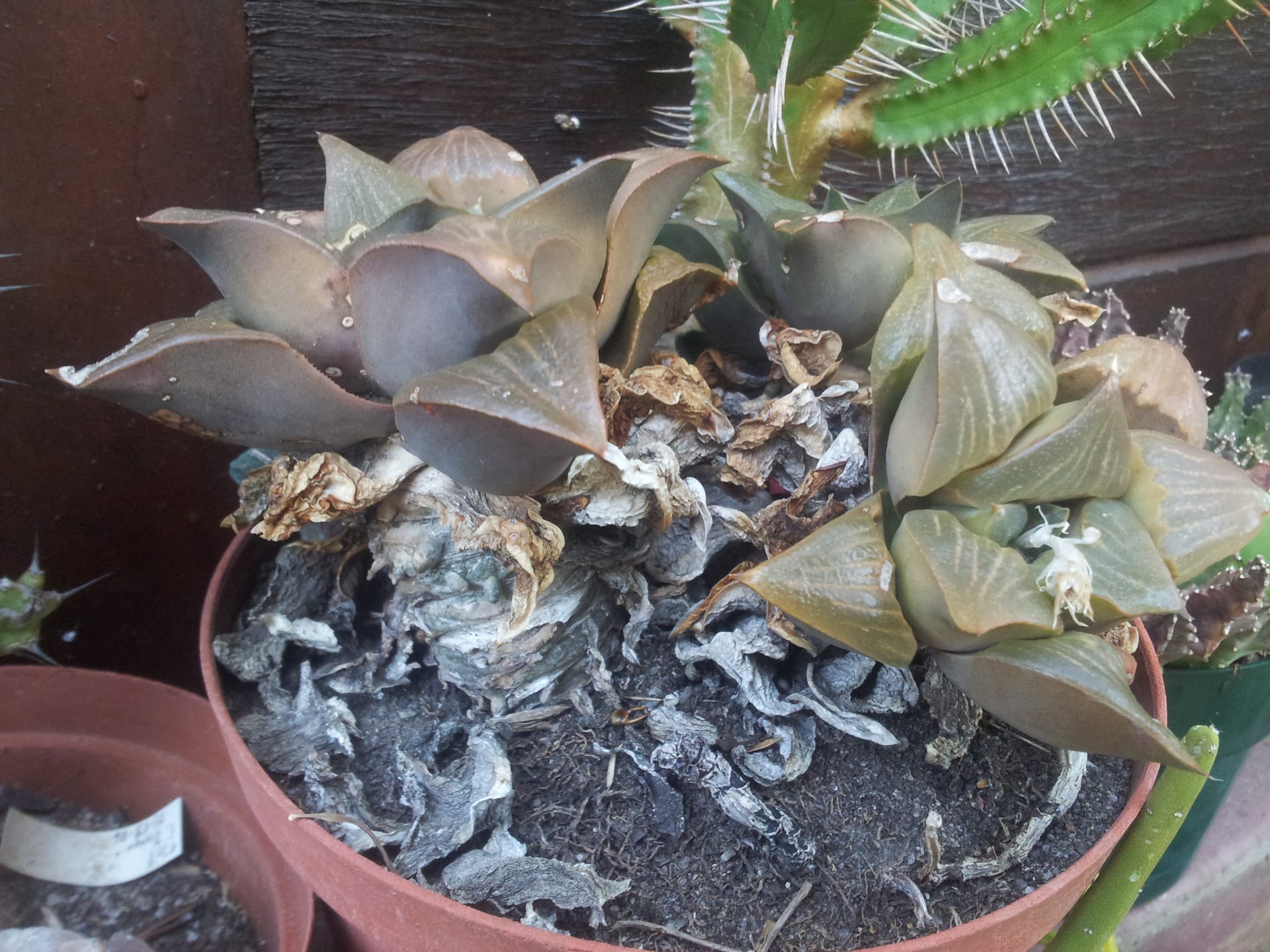
Haworthia retusa (known in Japan as Kotobuki) forms a star-shaped rosette of glossy, thick, triangular leaves. The upper half of each leaf folds over into a flat, translucent window marked with fine vertical lines, and this is the plant's main charm. Rosettes measure about 5–10 cm across (up to 15 cm in larger plants), with leaves 2.5–4 cm long (occasionally up to 8 cm), so it fits easily on a shelf or small tray indoors. Give it bright light without harsh direct sun and water only once the soil has dried out, and it is a forgiving choice for beginners. It is a perennial, so it can be enjoyed over the long term.
View Haworthia retusa encyclopedia →0% commission on your first sales!Register by September 30, 2026 and your first 2 plants are commission-free!
Grower Wanted!
List your plants on GrowerDirect and sell directly to customers nationwide!
6 Transparency Commitments from GrowerDirect
Grower disclose this information for Succulents & Cacti. We guarantee transparency in variety, origin, light requirements, and difficulty level.
- Variety Disclosed
- Real Photos
- Color Details
- Origin Disclosed
- Light Requirements
- Difficulty Level
Browse all 133 varieties
Light Requirements
Difficulty Level
Verified growers wanted for Succulents & Cacti
Growers are signing up now ahead of launch. Subscribe to be notified when new listings go live.
Getting alerts is free with a member account. When new listings match your saved search, we'll notify you by email and in-app.
Browse other categories
Verified growers (preview)
Are you growing succulents & cacti?
Register as a grower and connect with buyers directly.
Apply as a growerHaworthia retusa key facts
- Growing Difficulty
- Beginner-friendly
- Lifespan
- Perennial (little published data on lifespan)
- Size
- Rosettes 5-10 (-15) cm across; leaves 2.5-4 (-8) cm long
- Watering
- A little slow-release or dilute liquid fertiliser in spring and autumn
- Light & Placement
- Grow it in bright shade all year. Direct sun will not kill it but slows growth and dulls the leaves; a little sun gives a reddish tint and a compact plant.
- Watering
- It is a spring-autumn grower (March-June and September-November). Water thoroughly when the surface dries in these periods and hold back in summer and winter. In a climate-controlled room it may keep growing all year.
- Temperature & Overwintering
- Let it rest over winter in a bright, frost-free place, and never leave it cold in wet soil.
- Soil & Repotting
- Use a free-draining mix and repot just before or early in a growing season once the soil is spent and growth slows.
- Propagation
- Propagate by division, leaf cuttings or seed in March-May or September-October. Always remove leaves with their base attached.
- Pests & Cautions
- Scale insects and aphids may attack the flowers and root mealybugs the roots. Constantly damp soil breeds fungus gnat larvae that damage roots and stems.
About Haworthia retusa
Haworthia retusa (Kotobuki) is a succulent with glossy triangular leaves in a star-shaped rosette and translucent, vertically lined windows. Rosettes reach 5–10 cm. Beginner-friendly care and buying tips.
7 things to know before growing Haworthia retusa
1Bright, part shade
A bright spot with light filtered through a sheer curtain suits it well. Strong midsummer sun can scorch the leaves, while too little light makes them stretch and spoils the tidy rosette. With a rosette of roughly 5–10 cm, it is easy to keep on a shelf or a small tray.
2Water when dry
Wait until the soil is fully dry, then water thoroughly until it runs out of the pot's drainage hole. The thick leaves store water, so keeping the plant on the dry side is safer than overwatering. Pour water at the base rather than into the center of the rosette, where standing water can cause damage.
3Fast-draining soil
A fast-draining mix works best, such as commercial succulent soil blended with pumice or akadama-type grit. The roots are thick and fleshy, so soil that stays wet can lead to root rot. Choose a pot with a drainage hole.
4Pots and repotting
Pick a pot only slightly larger than the rosette, and repot roughly every one to two years once the roots fill the pot. Spring or autumn is best, avoiding the hottest and coldest months. Hold off on watering right after repotting and resume once the roots have settled.
5Summer: shade, airflow
Hot, humid summers are the toughest season for this plant. Move it to a shaded, well-ventilated spot and water sparingly to avoid stuffiness and rot. Growth slows in this period, so skip fertilizer and wait for cooler weather.
6Winter: avoid frost
Frost and cold drafts can damage the leaves, so keep it in a bright spot indoors. Growth is slow in winter, so water less often and let the soil stay on the dry side. Avoid places where heater airflow blows directly on the plant.
7Choosing a healthy plant
Look for plants with clear windows, firm leaves and a rosette that keeps its shape. Check that the leaf bases and the crown are not blackened or wobbly. Window patterns and sizes vary from plant to plant, so review the photos and the grower's description to find one you like.
Frequently asked questions about Haworthia retusa
- Q.Can beginners grow it?
- A.Its growing difficulty is rated as beginner-friendly. Keep it in bright light out of harsh direct sun and water only after the soil dries, and it is an easy succulent to care for.
- Q.Is direct sunlight okay?
- A.Strong midsummer sun can scorch the leaves, so filtered light or bright part shade is better. Too little light makes the leaves stretch, so avoid dark spots as well.
- Q.How often should I water?
- A.Go by whether the soil has dried out rather than a fixed schedule. Water thoroughly once it is dry, and cut back in summer and winter when growth slows. Lifting the pot to feel how light it is can help you judge.
- Q.Why are the windows shriveling?
- A.It may be lack of water, or damaged roots that cannot take water up. If the soil is bone dry, water and watch for recovery. If the plant shrivels while the soil is damp, unpot it and check the roots.
- Q.How long can I keep it?
- A.It is a perennial, but reliable sources on its lifespan are scarce, so a specific number of years cannot be given. With regular care such as repotting it can be kept for a long time, and if offsets appear you can divide them to make new plants.
Handy Growing Tools for Haworthia retusa
Learn more about Haworthia retusa in the encyclopedia
View Haworthia retusa encyclopedia entry →
Care difficulty, size, origin and light needs — all basics covered.
More in this category
Can't find the plant you're looking for?
Post your wishes for free and growers with matching plants will contact you with introductions.