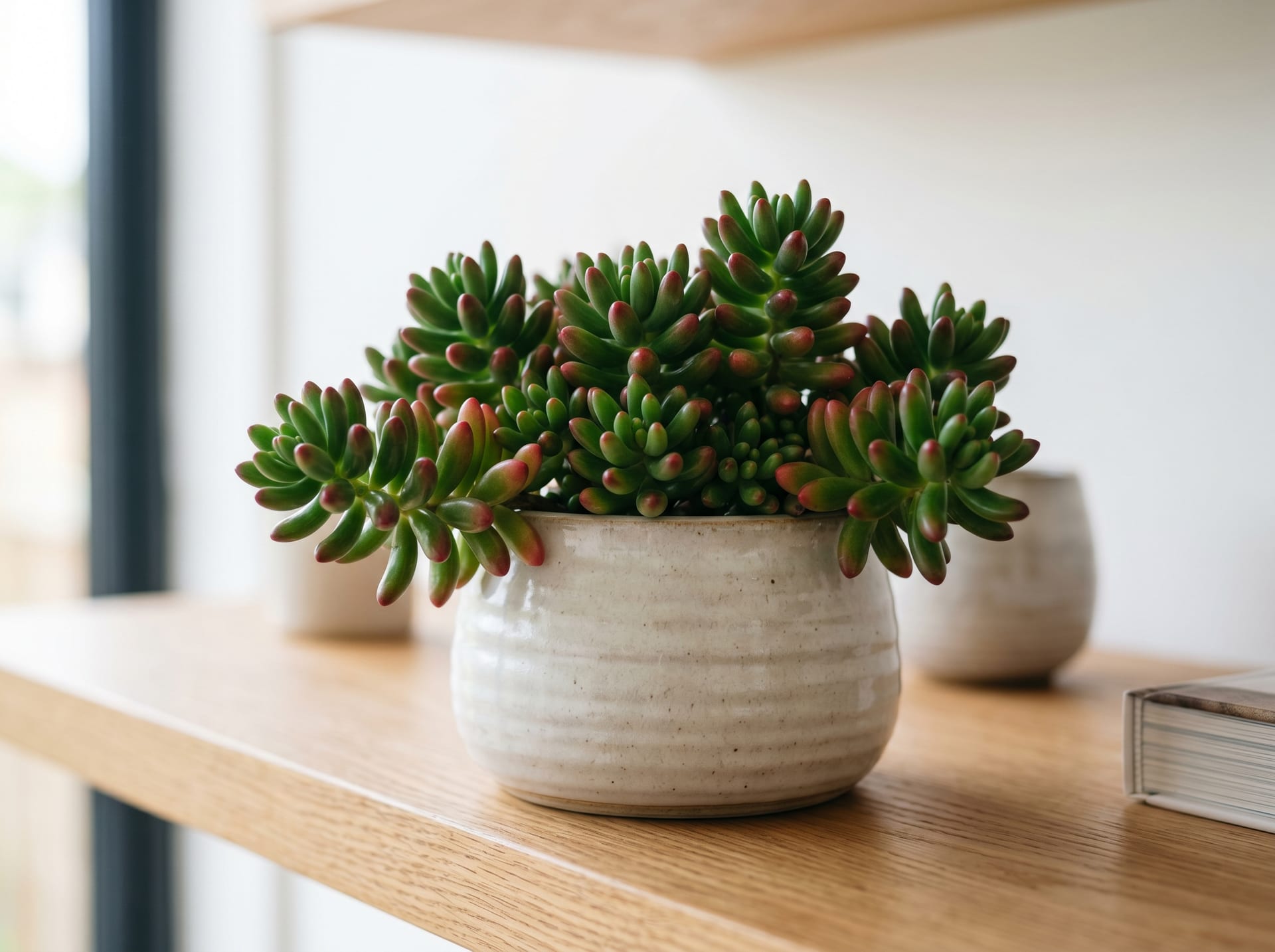
Sedum
Most species-rich succulent genus. Hardy enough for ground cover. Jelly Bean and Aurora are popular varieties.
View Sedum encyclopedia →Grower Wanted!
List your plants on GrowerDirect and sell directly to customers nationwide!
6 Transparency Commitments from GrowerDirect
Grower disclose this information for Succulents & Cacti. We guarantee transparency in variety, origin, light requirements, and difficulty level.
- Variety Disclosed
- Real Photos
- Color Details
- Origin Disclosed
- Light Requirements
- Difficulty Level
Browse all 131 varieties
Light Requirements
Difficulty Level
Verified growers wanted for Succulents & Cacti
Growers are signing up now ahead of launch. Subscribe to be notified when new listings go live.
Getting alerts is free with a member account. When new listings match your saved search, we'll notify you by email and in-app.
Browse other categories
Verified growers (preview)
Are you growing succulents & cacti?
Register as a grower and connect with buyers directly.
Apply as a growerSedum key facts
- Growing Difficulty
- Beginner-friendly
- Lifespan
- 10+ years
- Size
- 5-30cm (varies by variety)
- Temperature
- -5〜35℃
- Sunlight
- Loves sunlight. Can grow outdoors
- Watering
- When soil fully dries. Less is fine
- Temperature & Overwintering
- Manageable between -5 and 35°C, and many species are very hardy. Some can overwinter outdoors as they are.
- Soil & Repotting
- Use a well-draining mix. It dislikes wet conditions and is prone to rotting in the muggy rainy season, so keep it where air circulates well.
- Propagation
- Easy propagation by leaf or stem cuttings
About Sedum
Sedum is a large genus of succulents in the family Crassulaceae, with over 600 species distributed primarily across the Northern Hemisphere. Its name derives from the Latin "sedere" (to sit), reflecting how it settles into dry, rocky terrain and stone walls. Leaf shapes range from plump, bead-like forms to flat rosettes, and many varieties offer striking visual interest — Sedum rubrotinctum (Jelly Beans) blushes deep red in autumn, while Aurora blends soft pink and green year-round. As a group, Sedum is notably tough, tolerating drought and heat with ease, making it suitable both as outdoor ground cover and as a compact indoor plant. Given the right conditions, individual plants can live for over a decade, rewarding patient growers with steady, satisfying growth. The ease of leaf propagation is another draw, allowing collectors to multiply their plants and experiment with creative arrangements.
7 things to know before growing Sedum
1Sunlight Is Key
Sedums thrive with 4–6 or more hours of direct sunlight daily. Insufficient light causes etiolation—stems stretch and lose their compact form. Grow them outdoors or place them on a bright south-facing windowsill indoors.
2Avoid Overwatering
Root rot in sedums is almost always caused by overwatering. Wait until the soil is fully dry for several days before watering thoroughly. In winter, when growth slows, reduce watering to once or twice a month.
3Use Well-Draining Soil
Use a dedicated succulent mix or combine akadama with pumice for excellent drainage. Standard potting soil retains too much moisture for sedums. Always use a pot with drainage holes and add a layer of gravel at the bottom.
4Cold Hardiness Varies by Variety
Cold tolerance varies significantly among sedum varieties. Some, like Rubrotinctum, can handle temperatures around 5°C, but many are vulnerable to frost and freezing. Move plants under eaves or indoors in winter according to each variety's needs.
5Easy Propagation by Leaf
Sedums propagate easily from individual leaves or stem cuttings. Simply place a healthy leaf on dry soil and wait for roots and new growth to appear. The high success rate makes propagation an enjoyable part of growing sedums, even for beginners.
6Fertilize Sparingly
Sedums grow well in low-nutrient conditions, so excessive fertilizing is counterproductive. A diluted liquid fertilizer formulated for succulents, applied once a month during the growing seasons of spring and autumn, is sufficient. Over-fertilizing can cause etiolation and increase disease risk.
7Explore a World of Varieties
The Sedum genus encompasses hundreds of varieties with an enormous range of colors, shapes, and sizes. From compact accent plants perfect for mixed arrangements to creeping types ideal as ground cover, the options are vast. Many enthusiasts find themselves drawn deeper into collecting as they discover new varieties.
Frequently asked questions about Sedum
- Q.Can Sedum be grown indoors?
- A.Sedum can be grown indoors on a bright, sunny windowsill. However, insufficient light causes leggy growth, so place it in the brightest spot available and aim for at least a few hours of direct sunlight each week.
- Q.How often should I water Sedum?
- A.Water only after the soil has dried out completely — roughly every two weeks in spring and fall, and once a month in summer and winter. Since drying time varies by season and location, check the soil with your finger before watering rather than following a fixed schedule.
- Q.How can I get my Sedum to turn red?
- A.Varieties like Sedum rubrotinctum color up in autumn when exposed to strong sunlight combined with cool temperatures and wide day-to-night temperature swings. From September to November, move plants outdoors or to a sunny window and reduce watering slightly to encourage the best color.
- Q.Why are my Sedum leaves shriveling?
- A.Shriveling leaves usually signal underwatering when the soil has been dry for too long. However, the same symptom can appear when root rot has set in, so check the soil and inspect the roots as well before simply increasing watering.
Handy Growing Tools for Sedum
Learn more about Sedum in the encyclopedia
View Sedum encyclopedia entry →
Care difficulty, size, origin and light needs — all basics covered.
Sedum related articles
Top 10 Succulents for Beginners | Expert Selection of Echeveria, Haworthia, Sedum, Aloe & More
For beginners growing succulents for the first time, we've carefully selected 10 easy-to-grow species. We explain in detail the characteristics, care tips, and availability of popular varieties like Echeveria, Haworthia, Sedum, Aloe, and Kalanchoe from a beginner's perspective.
Winter-Type Succulent Care Guide | Management Methods for Aeonium, Orostachys, and Sedum
An explanation of winter-type succulents' characteristics and care during summer dormancy and autumn-winter growth periods, by variety. This guide also provides detailed tips on how to successfully guide winter-type succulents through the summer, as they often decline during this season.
[2026 Edition] 15 Recommended Succulents for Beginners | How to Choose & Growing Tips
For beginners looking to start growing succulents, we've carefully selected 15 fail-proof varieties. Complete growing guide for Echeveria, Sedum, Haworthia, and more.
[2026 Edition] 10 Common Mistakes with Succulents and How to Fix Them
A thorough guide to 10 common mistakes beginners make with succulents—overwatering, insufficient light, poor air circulation—plus care tips for popular species like Echeveria, Haworthia, and Sedum, with practical strategies to keep your plants alive.
10 Beginner-Friendly Succulents | Carefully Selected Easy-to-Grow Varieties
10 recommended succulents to get started with. We introduce beginner-friendly varieties such as Echeveria, Sedum, and Haworthia that are difficult to fail with.
Complete Guide to Succulent Leaf Propagation | Tips to Boost Success Rates and Variety-Specific Methods
A comprehensive guide to propagating succulents by leaf. Covers how to remove leaves, drying timeframes, optimal growing media, success rates by variety (Echeveria, Graptopetalum, Sedum, etc.), and common mistakes to avoid.
More in this category
Can't find the plant you're looking for?
Post your wishes for free and growers with matching plants will contact you with introductions.