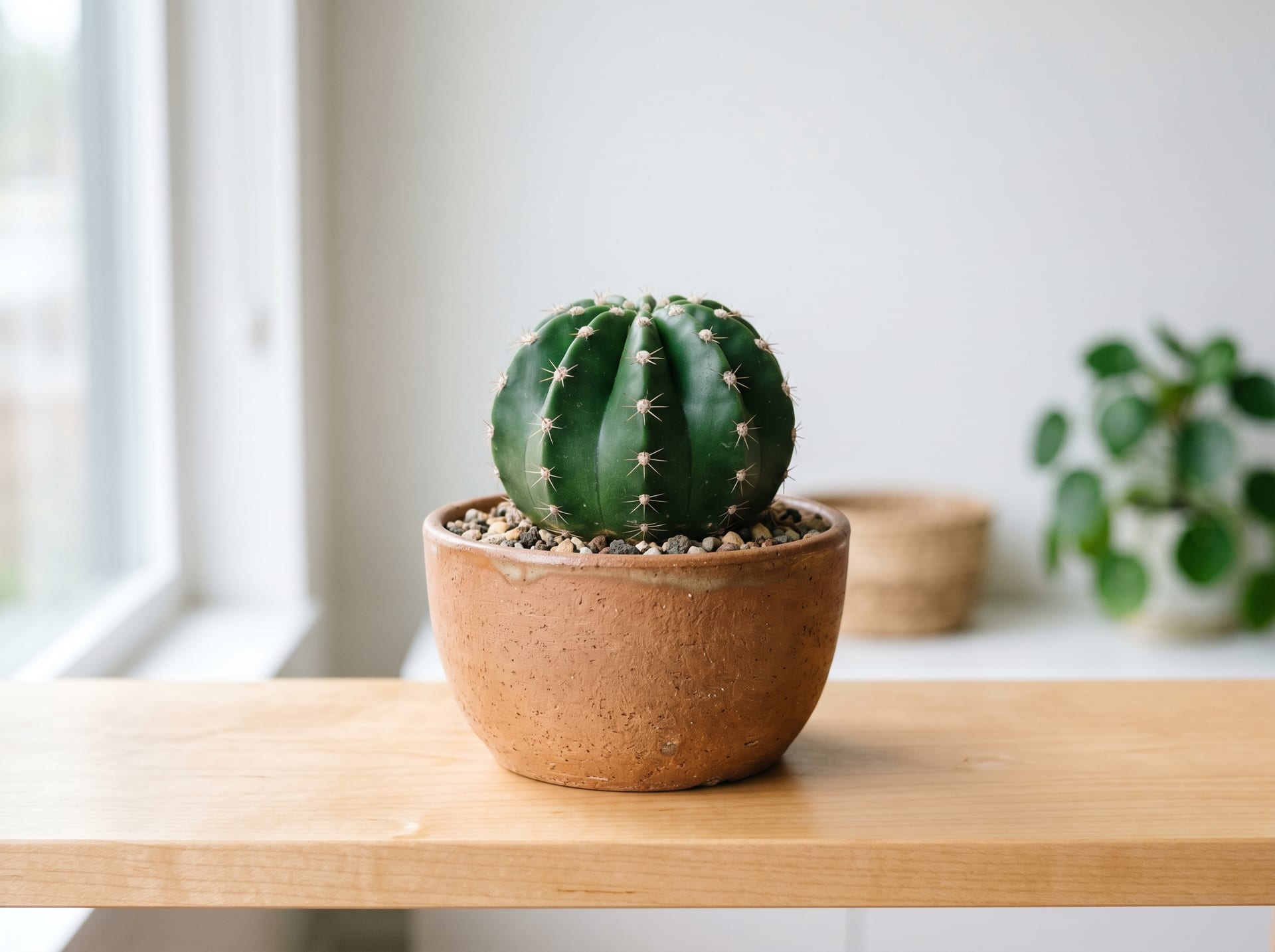
Gymnocalycium
Gymnocalycium is a large and popular genus of cactus known for the neat geometric ribs on its rounded, often globe-shaped bodies. The name means "naked calyx," referring to the smooth, hairless flower tube that produces large, showy blooms right at the crown of the plant. Each species has its own distinct spine pattern and skin color, giving collectors an enormous range of looks within a single genus. They're forgiving, tolerant plants, which makes them a great starting point for anyone new to cactus care, and watching them slowly fill out over the years is part of the appeal.
View Gymnocalycium encyclopedia →0% commission on your first sales!Register by September 30, 2026 and your first 2 plants are commission-free!
Grower Wanted!
List your plants on GrowerDirect and sell directly to customers nationwide!
6 Transparency Commitments from GrowerDirect
Grower disclose this information for Succulents & Cacti. We guarantee transparency in variety, origin, light requirements, and difficulty level.
- Variety Disclosed
- Real Photos
- Color Details
- Origin Disclosed
- Light Requirements
- Difficulty Level
Browse all 131 varieties
Light Requirements
Difficulty Level
Verified growers wanted for Succulents & Cacti
Growers are signing up now ahead of launch. Subscribe to be notified when new listings go live.
Getting alerts is free with a member account. When new listings match your saved search, we'll notify you by email and in-app.
Browse other categories
Verified growers (preview)
Are you growing succulents & cacti?
Register as a grower and connect with buyers directly.
Apply as a growerGymnocalycium key facts
- Growing Difficulty
- Beginner-friendly
- Lifespan
- Perennial (decades)
- Size
- 5-20cm
- Watering
- Minimal
- Lighting
- Bright partial shade suits it better than direct sun
- Watering
- During the spring-to-autumn growing season, water about two or three times a month. In winter withhold water or give only a tiny amount to let it rest.
- Temperature & Overwintering
- A relatively cold-tolerant cactus, but keep it dry over winter by withholding water. It is easy to manage on a bright indoor windowsill.
- Soil & Repotting
- Use a well-draining sandy mix. Once the roots fill the pot, repot into a slightly larger container during the growing season.
- Propagation
- Propagated from seed. Variegated forms lacking chlorophyll cannot survive on their own and are sold as grafted plants.
About Gymnocalycium
Gymnocalycium pairs striking ribbed bodies with easy, beginner-friendly care. Learn about placement, watering, and repotting, plus answers to common questions about this popular cactus genus.
Featured Growers Selling Gymnocalycium
Browse all Gymnocalycium growers (1 total) →7 things to know before growing Gymnocalycium
1Sun and Air Circulation
Gymnocalycium enjoys bright light, but intense midsummer sun can scorch its skin. Give it full sun in spring and autumn, then shift to light shade or filtered sunlight during the hottest months. Good air circulation also helps keep the plant from staying too damp.
2Watering Basics
During the growing seasons of spring and autumn, water thoroughly only after the soil has completely dried out. Constant moisture raises the risk of root rot, so let the water drain freely and wait until the soil dries again before watering next. Erring toward underwatering is safer than overdoing it.
3Well-Draining Soil
Use a fast-draining cactus mix to help prevent root rot. Blending commercial cactus or succulent soil with pumice or perlite further improves aeration and drainage. A layer of pumice at the bottom of the pot also helps excess water escape more easily.
4When to Repot
To prevent the roots from becoming pot-bound, repot roughly every one to two years during spring or autumn. Gently remove the plant, shake off old soil, trim away any damaged roots, and move it into a slightly larger pot. Hold off on watering for several days to a week afterward so the roots can settle before resuming your normal schedule.
5Managing Summer Humidity
Growth slows during the hot summer months, so guard against heat and humidity buildup. Keep the plant in a well-ventilated spot and water a little less often to reduce the risk of root rot. Intense direct sun can also scorch the skin, so some shade or filtered light is worthwhile.
6Winter Dormancy
The plant enters dormancy in winter, so watering should be cut back sharply, and in some conditions withheld almost entirely. Move it indoors to a bright windowsill or another spot that stays reasonably warm, since prolonged cold exposure can damage the plant. As temperatures rise in spring, gradually resume watering.
7Choosing a Healthy Plant
Look for a specimen with clearly defined ribs, firm skin, and no discoloration or shriveling. Evenly spaced spines and a stable, non-wobbly base are also good signs of health. Since Gymnocalycium grows slowly, taking time to pick a shape you really like is part of the fun of collecting them.
Frequently asked questions about Gymnocalycium
- Q.Is Gymnocalycium suitable for beginners?
- A.Yes, Gymnocalycium is a hardy cactus that beginners can grow successfully once they follow the basics of care. With well-draining soil and appropriate light, it typically grows without major problems.
- Q.How big does it get?
- A.Mature size varies by species but generally falls in the range of about 5 to 20 centimeters. Growth is slow, so you can enjoy watching its form change gradually over a long period.
- Q.When does it flower?
- A.It typically blooms from spring into early summer, with flowers opening at the crown of the plant. Flower color varies by species—white, pink, and yellow are common—and each bloom often lasts for several days during daylight hours.
- Q.How long does it live?
- A.Gymnocalycium is a perennial that can be kept for decades with proper care. It grows slowly, gradually gaining character and presence over the years.
- Q.Do some varieties have fewer spines or smoother skin?
- A.Yes, spine length, density, and skin texture vary considerably between species. Some varieties have notably few spines and smoother skin, and enjoying these visual differences is part of the genus's appeal.
Handy Growing Tools for Gymnocalycium
Learn more about Gymnocalycium in the encyclopedia
View Gymnocalycium encyclopedia entry →
Care difficulty, size, origin and light needs — all basics covered.
More in this category
Can't find the plant you're looking for?
Post your wishes for free and growers with matching plants will contact you with introductions.