 © sunoochi from Sapporo, Hokkaido, Japan / CC BY 2.0
Atsumori-so
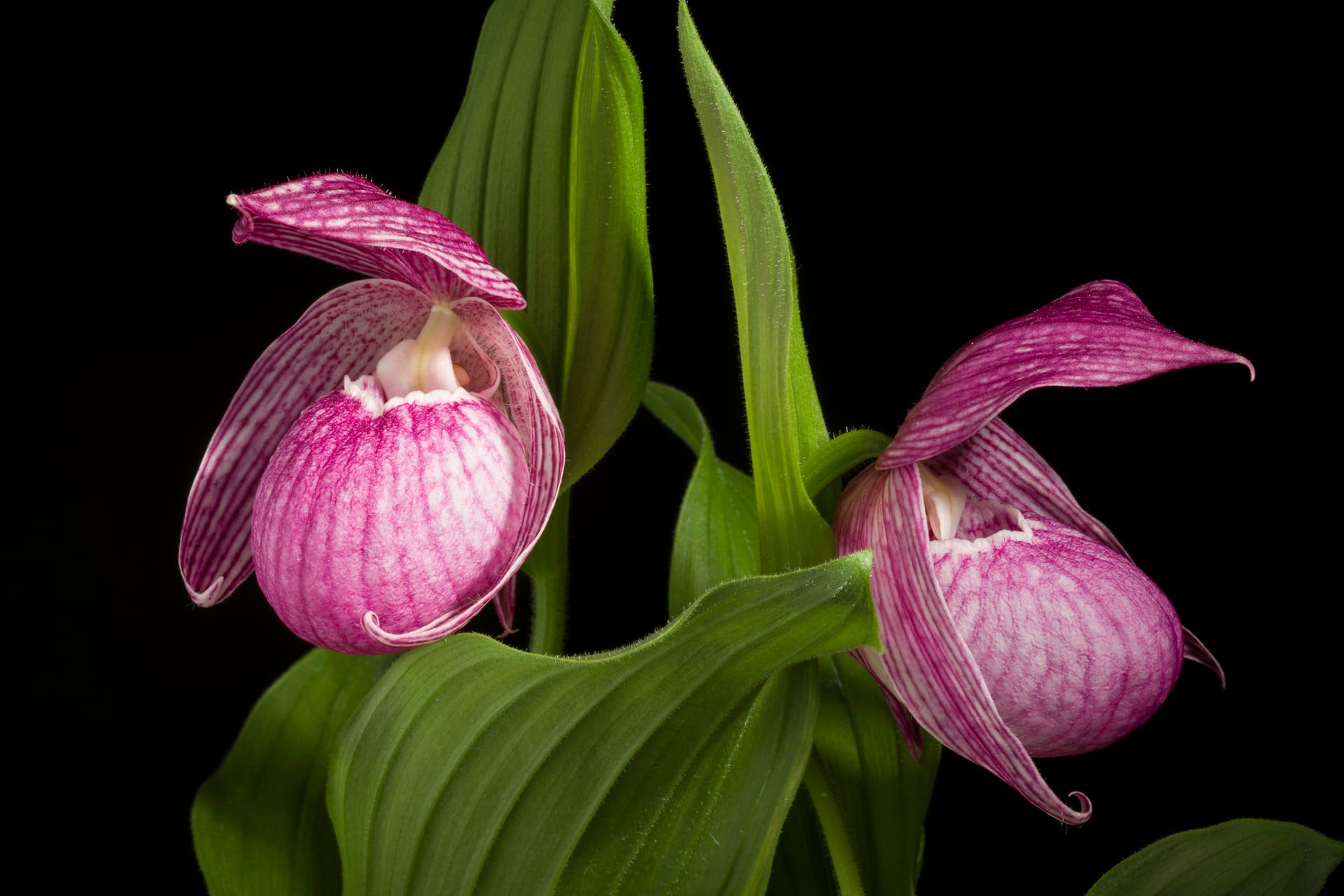
Atsumori-so is a Japanese native orchid prized for the large, reddish-purple, pouch-shaped flower each stem produces. It grows wild in the cool grasslands and bright woodlands of Hokkaido and the highlands of Honshu, and its name is said to come from the flower's resemblance to a cloak worn by a legendary samurai. Alpine plant enthusiasts have treasured it for its unusual form for a long time. Because it calls for a cool growing environment and careful soil management, it's generally considered a plant for more experienced growers. It is designated a Specified Class I National Endangered Species under Japan's Act on Conservation of Endangered Species, and collecting wild plants is prohibited in principle. Plants on the market are artificially propagated, and anyone selling or distributing them as a business must file a notification as a specified domestic species business. Displays and advertisements, including online listings, are required to show the notification number and the business name, so check for this information when buying and never purchase wild-collected plants.
View Atsumori-so encyclopedia →0% commission on your first sales!Register by September 30, 2026 and your first 2 plants are commission-free!
Grower Wanted!
List your plants on GrowerDirect and sell directly to customers nationwide!
6 Transparency Commitments from GrowerDirect
Growers disclose the following information for Orchids listings, guaranteeing transparency on variety, origin, light requirements, and growing difficulty.
- Variety Disclosed
- Real Photos
- Color Specification
- Origin Disclosed
- Light Requirements
- Difficulty Level Disclosed
Browse all 142 varieties
Light Requirements
Growing Difficulty
No listings match your filters
Adjust your filters, or get notified when new listings arrive.
Getting alerts is free with a member account. When new listings match your saved search, we'll notify you by email and in-app.
Browse other categories
Atsumori-so key facts
- Growing Difficulty
- Advanced
- Lifespan
- Perennial (little data on lifespan)
- Size
- 30-50 cm tall
- Watering
- Sparing, dilute liquid fertilizer in the growing season
- Light & Placement
- A plant of grassland and open woods; give good light in spring and move it to partial shade away from strong sun and heat in summer.
- Watering
- Keep the mix from drying out while in growth, with good drainage and airflow to prevent stagnant humidity.
- Temperature & Overwintering
- A cold-climate plant; in warm areas it must be kept cool in summer, and cultivation is considered very difficult. It is hardy to winter cold and should be kept cold while dormant.
- Soil & Repotting
- Plant it in a free-draining mix and repot while it is dormant after the top has died back.
- Dormancy Care
- It dies back and goes dormant in autumn; do not let the mix dry out completely during dormancy.
- Pests & Cautions
- A Specified Class I Nationally Rare Species; collecting wild plants is prohibited. When buying, check that the seller displays its Specified Domestic Species Business notification number and name, and choose artificially propagated plants.
About Atsumori-so
A guide to Atsumori-so, a Japanese native orchid with striking reddish-purple pouch-shaped flowers. Learn its key features, growing tips for this advanced-level plant, and answers to common questions.
7 things to know before growing Atsumori-so
1Sun in Spring, Cool Shade in Summer
Atsumori-so grows in grasslands and bright open woods. Give it plenty of sun in spring, then move it to a cool, well-ventilated spot in partial shade in summer, away from strong sun and heat. Try to recreate the cool highland conditions it grows in naturally.
2Water With Clear Wet-Dry Cycles
Water thoroughly once the surface of the soil has dried out, but avoid letting the pot stay constantly wet. In summer especially, water in the morning and make sure excess moisture doesn't linger around the roots, since the plant is prone to rot in humid conditions.
3Use Fast-Draining Soil
Because the roots are sensitive to excess moisture, drainage and aeration are the most important qualities in the growing medium. A mix formulated for alpine or woodland plants, based on kanuma soil with pumice added for extra drainage, works well.
4Repot During Dormancy
The best time to repot is during dormancy, from autumn through early spring after the foliage has died back. Handle the root ball gently without breaking it apart too much, remove the old soil, and replant it in fresh growing medium.
5Manage Temperature by Season
Keep the plant cool through its growing season; the foliage dies back in autumn and it goes dormant. It is very cold-hardy, so keep it exposed to winter cold even while dormant. Don't let the soil dry out completely during dormancy.
6Check Roots and Buds When Choosing a Plant
When selecting a plant, look beyond the visible foliage and check that the roots are firm and the growth buds are healthy. Since artificially propagated plants vary in condition, choosing a vigorous specimen makes a real difference for long-term care.
7Ensure Good Airflow to Prevent Disease
Good air circulation is essential to prevent damping-off and gray mold caused by excess humidity. If you notice any damaged leaves, remove the affected parts promptly and avoid crowding plants too closely together.
Frequently asked questions about Atsumori-so
- Q.Can beginners grow Atsumori-so?
- A.Atsumori-so is generally considered a plant for experienced growers rather than beginners. It requires specialized care, such as maintaining cool conditions and well-draining soil, so it's a good idea to build up experience with alpine plants first.
- Q.How large does it grow?
- A.Atsumori-so typically reaches a height of about 30 to 50 cm. It's a perennial, so the foliage dies back during dormancy and re-sprouts the following season.
- Q.Can it be grown indoors?
- A.Since Atsumori-so prefers cool, well-ventilated conditions and dislikes heat and humidity, it's usually best kept outdoors or on a balcony where it gets natural airflow. If you do grow it indoors, pay close attention to temperature, humidity, and light levels.
- Q.What do the flowers look like?
- A.Each stem produces a single large, reddish-purple, pouch-shaped flower at its tip. This distinctive shape is what has made the species popular among alpine plant enthusiasts for a long time.
- Q.When is the best time to repot it?
- A.The ideal window is during dormancy, from autumn through early spring, after the foliage has died back. Avoid repotting during the spring-to-autumn growing season, since it puts more stress on the plant.
Handy Growing Tools for Atsumori-so
Learn more about Atsumori-so in the encyclopedia
View Atsumori-so encyclopedia entry →
Care difficulty, size, origin and light needs — all basics covered.
More in this category
Can't find the plant you're looking for?
Post your wishes for free and growers with matching plants will contact you with introductions.