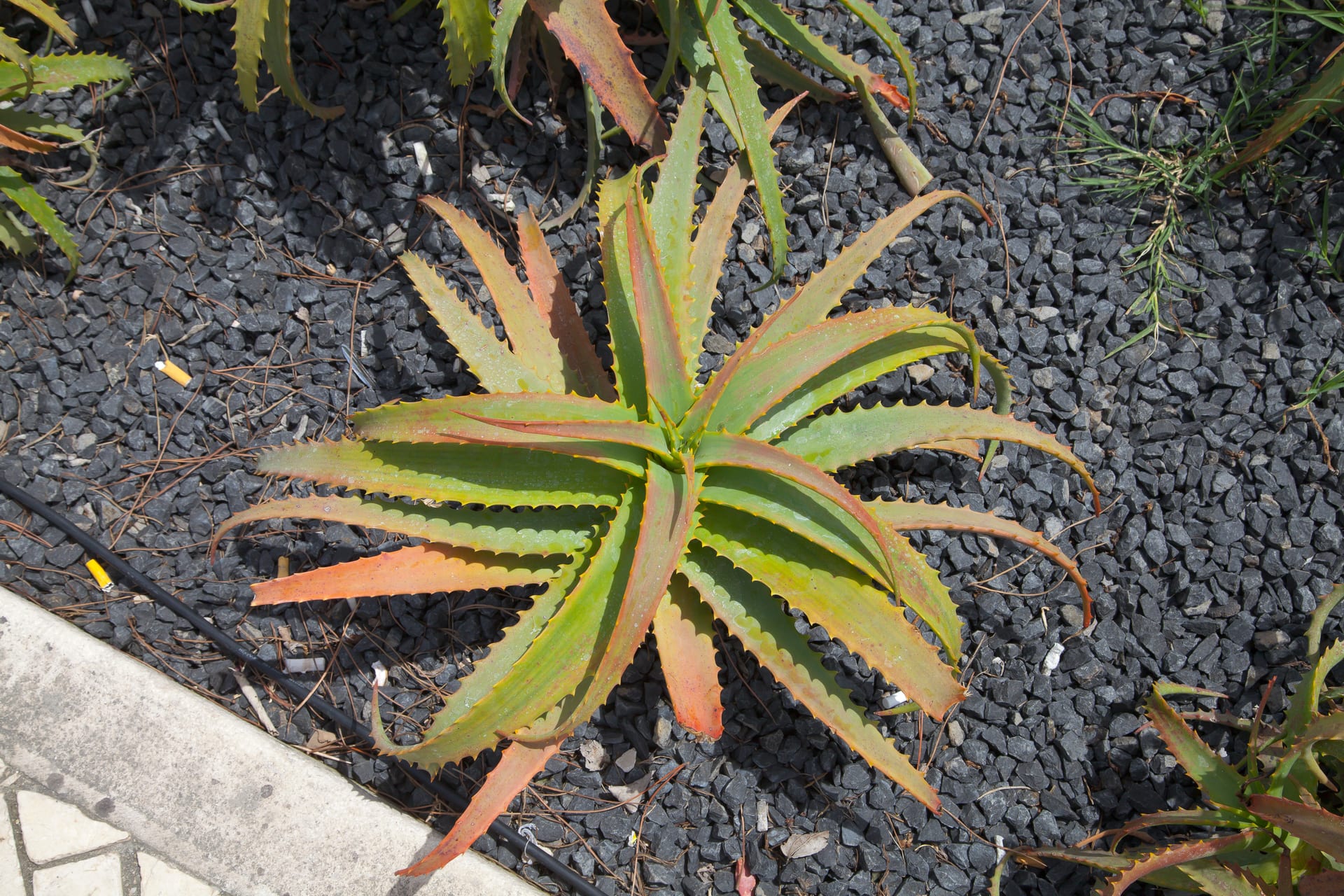
 © Diego Delso / CC BY-SA 3.0
Candelabra aloe
Candelabra aloe is a large aloe that branches out and grows into a clumping form reaching about 2 to 3 meters tall. Its thick, gray-green leaves are lined with pale, tooth-like edges, and in winter it sends up spikes of vivid orange-red flowers. In Japan, it has long been known by the nickname "ishairazu," meaning roughly "no need for a doctor," and traditionally grown near entryways and gardens. Hardy and drought-tolerant, it is a perennial that can be enjoyed for many years, making it a forgiving choice for those new to growing succulents. As the plant matures, its branching silhouette becomes a striking feature in its own right.
View Candelabra aloe encyclopedia →0% commission on your first sales!Register by September 30, 2026 and your first 2 plants are commission-free!
Grower Wanted!
List your plants on GrowerDirect and sell directly to customers nationwide!
6 Transparency Commitments from GrowerDirect
Grower disclose this information for Succulents & Cacti. We guarantee transparency in variety, origin, light requirements, and difficulty level.
- Variety Disclosed
- Real Photos
- Color Details
- Origin Disclosed
- Light Requirements
- Difficulty Level
Browse all 131 varieties
Light Requirements
Difficulty Level
No listings match your filters
Adjust your filters, or get notified when new listings arrive.
Getting alerts is free with a member account. When new listings match your saved search, we'll notify you by email and in-app.
Browse other categories
Verified growers (preview)
Are you growing succulents & cacti?
Register as a grower and connect with buyers directly.
Apply as a growerCandelabra aloe key facts
- Growing Difficulty
- Beginner-friendly
- Lifespan
- Perennial; forms long-lived clumps
- Size
- 2–3 m tall (mature plants in the ground)
- Watering
- Light feeder; a little base fertiliser in free-draining soil is enough
- Light & Placement
- Prefers full sun and also grows in light shade; more sun gives a more compact plant.
- Watering
- Very drought tolerant. In pots, water once the mix has dried and less in winter; overwatering leads to rot.
- Temperature & Overwintering
- Japanese references class it as a spring–autumn grower. It tolerates light frost but is damaged by hard frost; a US grower rates it to about -5°C. In cold areas grow it in a pot and move it to a bright, frost-free place in winter.
- Soil & Repotting
- Use free-draining soil with some compost. It grows large, so move it to a bigger pot once roots fill the container.
- Propagation
- Branch cuttings root easily: let the cut dry for a day, then insert in free-draining soil or sand and keep them on the dry side. Seed sown in spring germinates in 3–4 weeks.
- Pests & Cautions
- The marginal teeth are firm, so gloves help when handling. It hybridises readily with other aloes, so seedlings may not resemble the parent.
About Candelabra aloe
Candelabra aloe is a hardy, easy-to-grow perennial that reaches 2 to 3 meters tall and blooms with orange-red flowers in winter. Learn its key growing points here.
7 things to know before growing Candelabra aloe
1Sunlight and placement
Candelabra aloe thrives outdoors or near a window with plenty of light and good air circulation. It tolerates strong summer sun reasonably well, but in winter it is best moved indoors or under eaves to protect it from frost.
2Water sparingly
Its thick, succulent leaves store water, so let the soil surface dry out completely before watering again. Overwatering can lead to root rot, so cut back on watering frequency especially during winter.
3Well-draining soil
A commercial succulent or cactus soil mix works well for this plant. Mixing in akadama soil or pumice improves drainage and helps prevent root rot.
4When to repot
Because it grows quickly and can become root-bound, repot into a slightly larger pot roughly every one to two years. As the plant develops a clumping habit, choose a sturdy, heavier pot to keep it from tipping over.
5Seasonal growth changes
Growth is most active from spring through autumn and slows as temperatures drop. Since it can eventually reach 2 to 3 meters tall, plan its planting location with that future size in mind if growing it in the ground.
6Choosing a healthy plant
Look for a plant with thick, firm leaves and minimal discoloration or damage. A specimen that has already begun branching is a nice bonus, since it gives an early preview of its future clumping form.
7Enjoying the winter blooms
One of the highlights of candelabra aloe is its spikes of orange-red flowers in winter. Flowering generally requires the plant to reach a certain level of maturity, so patience is part of growing it well.
Frequently asked questions about Candelabra aloe
- Q.Can candelabra aloe be grown indoors
- A.Yes, it can be grown indoors near a bright window. Keep in mind that it can eventually grow to 2 to 3 meters tall, so it is worth planning for the space it will need over time.
- Q.How often does it need watering
- A.Water only after the soil surface has completely dried out. Its succulent leaves store moisture, so frequent watering is not necessary.
- Q.Does it need protection from winter cold
- A.Yes, it is sensitive to frost and freezing, so move it indoors or under eaves during winter. With some protection, potted plants can still be overwintered outdoors in milder spells.
- Q.Is it easy to grow for beginners
- A.Yes, it is considered a beginner-friendly plant thanks to its hardy, drought-tolerant nature. As long as you follow the basics of placement and watering, it is easy to grow for years.
- Q.When should I repot it
- A.Since it grows quickly and can become root-bound, repotting roughly every one to two years is a good guideline. Doing this during the active growing season from spring to autumn puts less stress on the plant.
Handy Growing Tools for Candelabra aloe
Learn more about Candelabra aloe in the encyclopedia
View Candelabra aloe encyclopedia entry →
Care difficulty, size, origin and light needs — all basics covered.
More in this category
Can't find the plant you're looking for?
Post your wishes for free and growers with matching plants will contact you with introductions.