 © Rillke / CC BY-SA 3.0
Lithops fulviceps
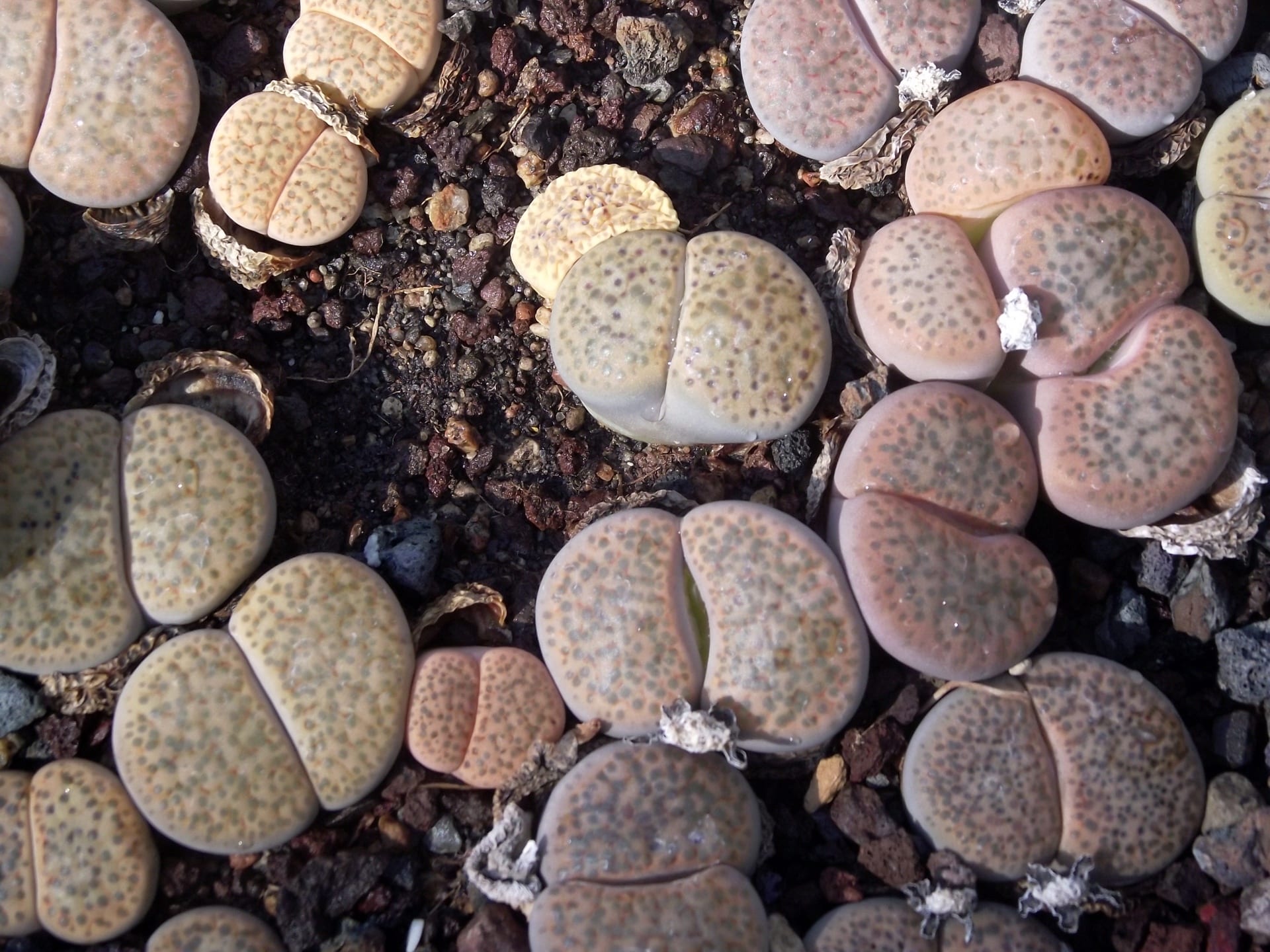
Lithops fulviceps, known in Japan as Bimongyoku (微紋玉), is a living-stone succulent with an orange-brown top surface scattered with tiny grey, brown or purplish dots that rise up like little blisters. It is smaller than most Lithops, so it fits easily on a desk or windowsill, and it produces yellow flowers up to about 35 mm across. As a perennial, it renews itself by shedding its old leaf pair, and once you learn when to hold back water and when to give it, it keeps growing from year to year. It is rated intermediate in difficulty, so it suits growers who already have some experience with succulents.
View Lithops fulviceps encyclopedia →0% commission on your first sales!Register by September 30, 2026 and your first 2 plants are commission-free!
Grower Wanted!
List your plants on GrowerDirect and sell directly to customers nationwide!
6 Transparency Commitments from GrowerDirect
Grower disclose this information for Succulents & Cacti. We guarantee transparency in variety, origin, light requirements, and difficulty level.
- Variety Disclosed
- Real Photos
- Color Details
- Origin Disclosed
- Light Requirements
- Difficulty Level
Browse all 133 varieties
Light Requirements
Difficulty Level
No listings match your filters
Adjust your filters, or get notified when new listings arrive.
Getting alerts is free with a member account. When new listings match your saved search, we'll notify you by email and in-app.
Browse other categories
Verified growers (preview)
Are you growing succulents & cacti?
Register as a grower and connect with buyers directly.
Apply as a growerLithops fulviceps key facts
- Growing Difficulty
- Intermediate
- Lifespan
- Perennial (little published data on lifespan)
- Size
- Smaller than most Lithops; flowers up to about 35 mm across
- Temperature
- 8〜25℃
- Watering
- A little slow-release or liquid fertiliser from autumn to spring
- Light & Placement
- Give it as much light as you can in a sunny, rain-sheltered spot, and let it rest in airy shade from the end of the rainy season through summer.
- Watering
- It is a winter grower. Resume watering in autumn once night temperatures fall below about 20°C, and while growing soak the pot until water runs out once the soil has dried. After flowering, hold back until the old leaves have fully withered, and keep it dry in the June-September rest.
- Temperature & Overwintering
- Keep winter minimums above about 3°C to keep plants looking good (they survive down to roughly 0-3°C). Light frost rarely kills them, but bring them in or protect them in the coldest spell.
- Soil & Repotting
- An open, mineral, fast-draining mix is essential. It sends down a thick taproot, so use a reasonably deep pot and free-draining mix. It needs repotting only when growth slows or the pot is crowded, ideally in October-November.
- Propagation
- Propagate from seed (October-November) or by dividing clumps.
- Pests & Cautions
- Almost all problems come from overwatering and poor ventilation, especially in dull, cool or very humid weather. Scale insects and aphids may attack buds and flowers and root mealybugs the roots; slugs eat petals and cutworms the leaves. Pick off spent flowers, which can cause rot.
About Lithops fulviceps
Lithops fulviceps is a small living stone with a speckled orange-brown top and yellow flowers up to about 35 mm across. Tips on light, watering, soil and seasonal care.
7 things to know before growing Lithops fulviceps
1Light and airflow
Aim for a spot with plenty of light and good airflow. With too little light the plant tends to stretch out of its compact shape, so choose a bright outdoor spot or a sunny windowsill indoors. It dislikes intense summer sun and stuffy air, so move it to bright shade with a breeze during the hottest weeks.
2Go easy on water
The rule is to water only after the soil has dried out completely. Because the plant stores water in its leaves, constantly damp soil can lead to root rot or a split body. When you do water, soak the pot until it drains from the bottom, then wait until it is fully dry again.
3Free-draining soil
A well-draining mix works best, such as succulent soil with extra pumice or sand. Go easy on organic matter, which stays damp for longer. Choose a pot with drainage holes and a bit of depth to give the downward-growing roots room.
4Skip water when molting
Molting, when new leaves emerge from between the old pair, mostly takes place from winter into spring. The old leaves shrink as they pass moisture to the new ones, and watering at this time can disrupt the process or split the new leaves. Hold off watering until the old pair has dried down to a thin skin.
5Summer and winter care
Summer is a dormant period when growth slows, so keep watering to a minimum and rest the plant somewhere cool and airy. It becomes active again as the weather cools in autumn, which is also when Lithops usually flower. In winter, growth is slow, so protect it from frost and keep it on the dry side.
6Choosing a plant
Look for a plump, firm plant without heavy wrinkling, dark spots or soft, mushy patches at the base. The color and spread of the dots on the top surface vary from plant to plant, so check the listing photos to find a pattern you like. A plant in the middle of molting can change quickly, so first-time buyers may find one that has finished molting easier to handle.
7When to repot
Yearly repotting is not necessary; do it when the pot becomes cramped or the soil has broken down. Avoid molting and dormancy, and choose a cool period when growth is starting, working with the soil dry. Hold off watering right after repotting and resume after a short wait to reduce the risk of root damage.
Frequently asked questions about Lithops fulviceps
- Q.Can a beginner grow Lithops fulviceps?
- A.It is rated intermediate in difficulty. Getting the watering right and managing the molting period are the key points, so it is easier for growers already used to keeping succulents on the dry side. If you are new to it, follow the basics and watch the plant closely.
- Q.How big does Lithops fulviceps get?
- A.It is smaller than most Lithops and stays compact. The exact size of a plant depends on the individual and how it has been grown. Check the description and photos on the listing page.
- Q.What kind of flowers does it produce?
- A.It produces yellow flowers up to about 35 mm across. They usually appear around autumn, and plenty of sunlight is essential for flowering.
- Q.How long does Lithops fulviceps live?
- A.It is a perennial that grows by molting repeatedly. However, little information is available on its lifespan, so we cannot give a reliable number of years. With suitable light and watering, it can be a long-term companion.
- Q.How often should I water it?
- A.There is no fixed interval; decide based on whether the soil is fully dry, the season, and whether the plant is molting. In the cool growing season water once it has dried out, and hold back during summer dormancy and molting. When in doubt, it is safer to give too little than too much.
Handy Growing Tools for Lithops fulviceps
Learn more about Lithops fulviceps in the encyclopedia
View Lithops fulviceps encyclopedia entry →
Care difficulty, size, origin and light needs — all basics covered.
More in this category
Can't find the plant you're looking for?
Post your wishes for free and growers with matching plants will contact you with introductions.