 © Qwert1234 / Public domain
Japanese Pogonia
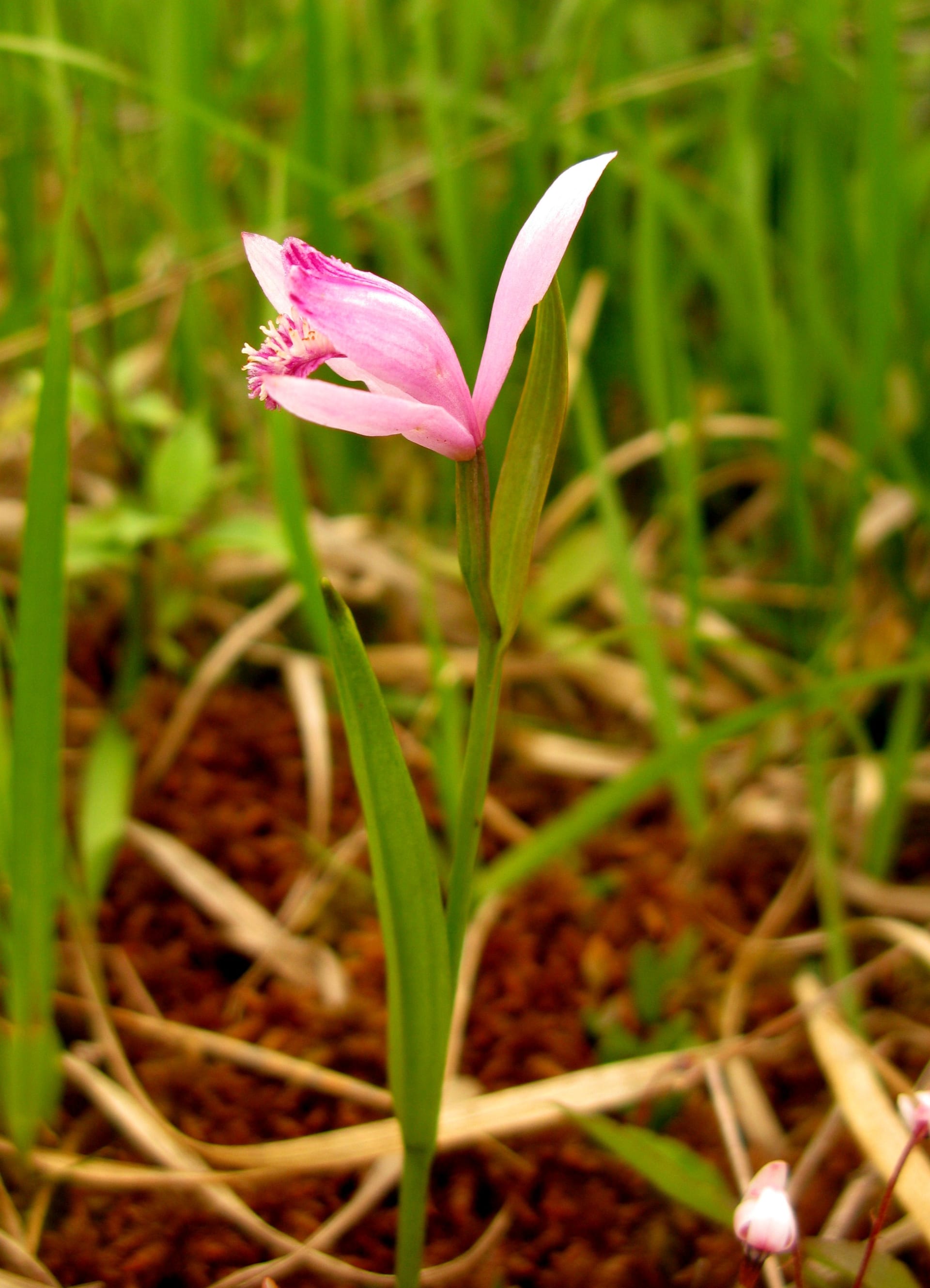
Japanese Pogonia is a small terrestrial orchid that grows naturally in sunny wetlands and open moorland across Japan. A single slender stem carries just one leaf, and in early summer it produces a single sideways-facing flower in a soft reddish-purple reminiscent of the ibis feathers the plant is named for. The inside of the lip is lined with fine, hair-like projections, giving the bloom a delicate, textured character despite its simple form. As a perennial, it spreads gradually by extending underground rhizomes. Staying compact at about 10 to 30 cm tall, it adapts well to container growing, letting you enjoy the quiet charm of a native Japanese wild orchid close at hand.
View Japanese Pogonia encyclopedia →0% commission on your first sales!Register by September 30, 2026 and your first 2 plants are commission-free!
Grower Wanted!
List your plants on GrowerDirect and sell directly to customers nationwide!
6 Transparency Commitments from GrowerDirect
Growers disclose the following information for Orchids listings, guaranteeing transparency on variety, origin, light requirements, and growing difficulty.
- Variety Disclosed
- Real Photos
- Color Specification
- Origin Disclosed
- Light Requirements
- Difficulty Level Disclosed
Browse all 142 varieties
Light Requirements
Growing Difficulty
No listings match your filters
Adjust your filters, or get notified when new listings arrive.
Getting alerts is free with a member account. When new listings match your saved search, we'll notify you by email and in-app.
Browse other categories
Japanese Pogonia key facts
- Growing Difficulty
- Intermediate
- Lifespan
- Perennial; spreads by rhizomes
- Size
- 10-30 cm tall; sepals 1.5-2.5 cm long
- Watering
- Very little fertilizer
- Light & Placement
- A plant of sunny wetlands; give good light during growth, easing only the harshest midsummer sun and heat.
- Watering
- As a wetland plant it needs constantly moist compost in growth.
- Temperature & Overwintering
- Native from Hokkaido to Honshu, it tolerates winter cold; in summer keep the pot somewhere airy so it does not overheat.
- Soil & Repotting
- Plant it in a shallow pot of moisture-retentive material such as sphagnum. The rhizomes spread sideways, so repot during dormancy when crowded.
- Dormancy Care
- After the top dies back in autumn it is dormant; keep the mix from drying out even then.
- Pests & Cautions
- A Japanese native; choose nursery-propagated plants rather than wild-collected ones. Some prefectures restrict collecting wild plants by ordinance. The Taiwanese Pleione (tairin-tokiso) is sometimes sold as tokiso, so check the scientific name.
About Japanese Pogonia
Japanese Pogonia is a compact terrestrial orchid native to sunny wetlands, producing one reddish-purple flower each early summer. A perennial that spreads by rhizomes, it grows 10-30cm tall and suits growers with some experience.
7 things to know before growing Japanese Pogonia
1Plenty of sun in the growing season
Japanese Pogonia grows in sunny wetlands. Give it plenty of sun during the growing season, softening only the strongest midsummer sun and heat with some shading. Keep it in a well-ventilated spot so the pot doesn't overheat and stay muggy in summer.
2Keep the medium from drying out
Given its wetland origins, water as soon as the surface of the medium starts to dry. During active growth it's especially sensitive to drying out, so keeping a shallow tray of water under the pot works well. Ease off slightly during winter dormancy to avoid overwatering.
3Sphagnum moss as the base medium
Rather than standard potting soil, sphagnum moss suits this plant better, balancing drainage with moisture retention. Pairing it with a breathable unglazed pot helps maintain humidity while reducing the risk of root rot.
4Repot during dormancy
Since it spreads via rhizomes, once the pot becomes crowded it's best to lift the clump during dormancy, trim the rhizomes, and repot. Removing any damaged rhizomes and replanting in fresh medium supports steady growth the following year.
5Watch for summer humidity buildup
While it likes moisture, summer heat combined with poor airflow can cause the roots to suffer from excess humidity. Ensuring ventilation and avoiding harsh afternoon sun helps reduce stress on the plant.
6Let it rest through winter
When the above-ground growth dies back, there's no need to force continued growth — treat it as a dormant period and water sparingly, just enough to prevent drying out. Keeping it somewhere protected from freezing supports flowering the following year.
7Choose plants with sturdy rhizomes
When choosing a plant, check not just the condition of the leaf but also whether the rhizome has good thickness, as this is a useful sign of future growth. Since this species calls for some experience, reviewing care guidance before you start is a good idea.
Frequently asked questions about Japanese Pogonia
- Q.Can beginners grow Japanese Pogonia?
- A.Japanese Pogonia is generally considered suited to intermediate growers, since it needs watering and placement adjusted to its wetland habits. It's manageable once you understand the basics, but drying out and excess humidity both need attention.
- Q.How large does it grow?
- A.It typically reaches about 10 to 30 cm tall, staying compact even in a pot. The sepals run roughly 1.5 to 2.5 cm long, and while each flower is modest in size, its delicate coloring is the main appeal.
- Q.When does it bloom?
- A.It blooms in early summer, producing a single sideways-facing flower in a soft reddish-purple reminiscent of ibis feathers. Each stem carries just one leaf, topped by a single flower.
- Q.How does it propagate?
- A.As a perennial, Japanese Pogonia gradually multiplies by extending its underground rhizomes. Once the clump becomes crowded, lifting it during dormancy and dividing the rhizomes lets you increase the number of plants.
- Q.Is it better grown in the ground or in a pot?
- A.Since it prefers moist conditions, a pot is generally easier because it lets you control drainage and moisture directly. Planting in the ground requires adjusting the soil and moisture to mimic the wetland conditions it favors.
Handy Growing Tools for Japanese Pogonia
Learn more about Japanese Pogonia in the encyclopedia
View Japanese Pogonia encyclopedia entry →
Care difficulty, size, origin and light needs — all basics covered.
More in this category
Can't find the plant you're looking for?
Post your wishes for free and growers with matching plants will contact you with introductions.