 © Salicyna / CC BY-SA 4.0
Echeveria laui
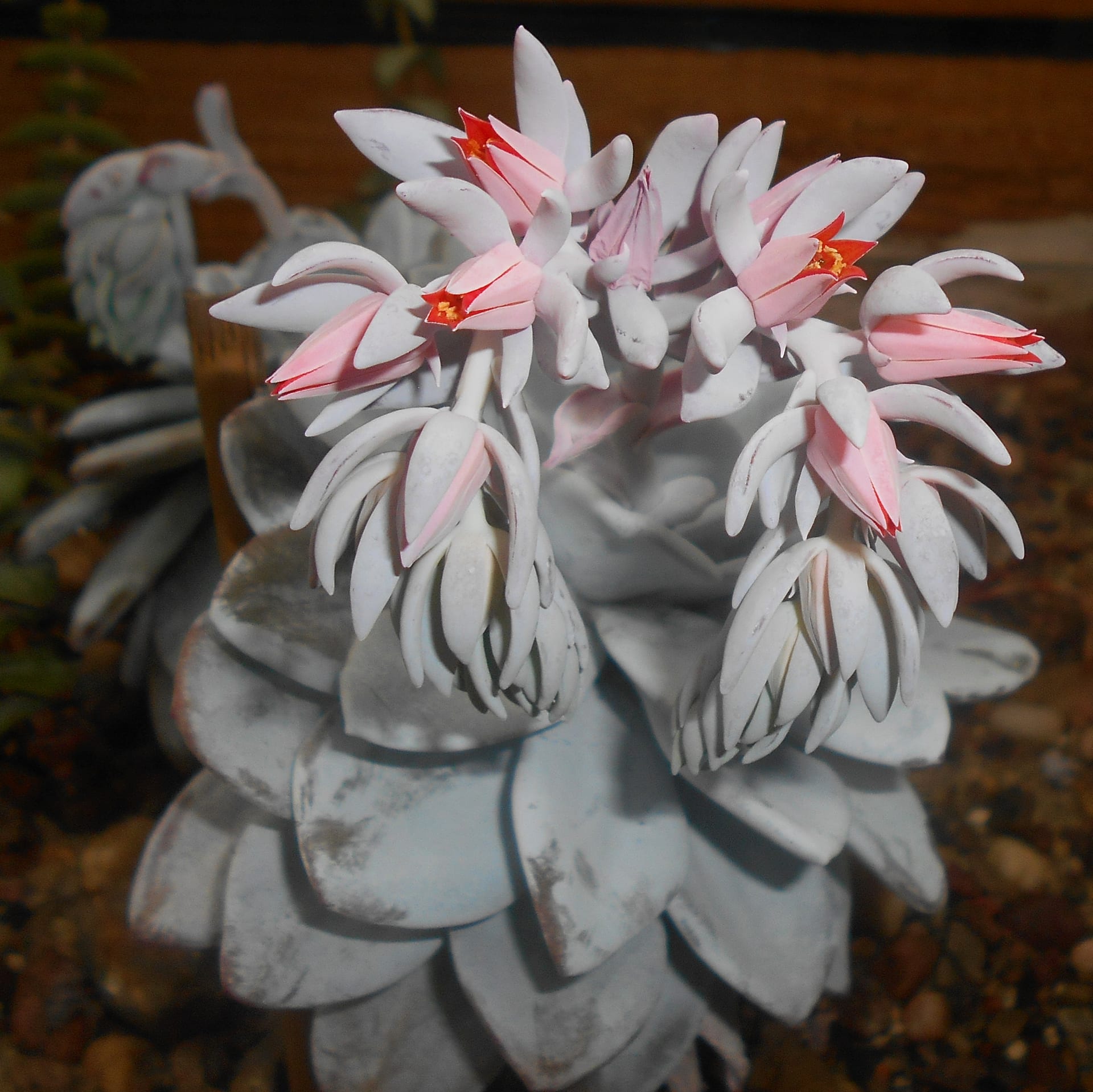
Echeveria laui is a species Echeveria native to Oaxaca, Mexico. Its plump, rounded leaves stack into a rosette that looks snow-white because of a thick coating of farina, the powdery bloom on the leaf surface. The rosette reaches about 15 cm across, and this perennial grows slowly. The farina rubs off easily at a touch, so it is best enjoyed without handling the leaves. It is rated for intermediate growers, and it suits people who like learning how to judge watering and light over time.
View Echeveria laui encyclopedia →0% commission on your first sales!Register by September 30, 2026 and your first 2 plants are commission-free!
Grower Wanted!
List your plants on GrowerDirect and sell directly to customers nationwide!
6 Transparency Commitments from GrowerDirect
Grower disclose this information for Succulents & Cacti. We guarantee transparency in variety, origin, light requirements, and difficulty level.
- Variety Disclosed
- Real Photos
- Color Details
- Origin Disclosed
- Light Requirements
- Difficulty Level
Browse all 131 varieties
Light Requirements
Difficulty Level
No listings match your filters
Adjust your filters, or get notified when new listings arrive.
Getting alerts is free with a member account. When new listings match your saved search, we'll notify you by email and in-app.
Browse other categories
Verified growers (preview)
Are you growing succulents & cacti?
Register as a grower and connect with buyers directly.
Apply as a growerEcheveria laui key facts
- Growing Difficulty
- Intermediate
- Lifespan
- Perennial; slow-growing
- Size
- Rosette about 15 cm across
- Watering
- Slightly more than usual; gives thicker, rounder leaves
- Light & Placement
- Give full light; too little light makes the leaves shrivel and drop. In summer use bright, airy shade out of the rain; in winter frost-free sun or a sunny room.
- Watering
- A spring–autumn grower. From March to September water moderately once the mix dries, never over the leaves. Give very little in humid summer heat, and keep it cool, airy and dry in winter.
- Temperature & Overwintering
- Overseas sources give hardiness to -3°C; a Japanese reference gives 0°C as its minimum. Take particular care in winter.
- Fertiliser
- Slightly more fertiliser than usual gives shorter, thicker, rounder leaves and a shapely rosette.
- Propagation
- It rarely offsets but self-pollinates readily, so leave the flower stalk to ripen seed. Leaf cuttings from lower leaves are possible but often fail.
- Pests & Cautions
- The white bloom rubs off permanently; avoid touching the leaves and handle the plant by its root ball when repotting.
About Echeveria laui
Echeveria laui is a species Echeveria from Oaxaca, Mexico, prized for its pure white rosette coated in thick farina. About 15 cm across and slow-growing, it suits intermediate growers. Learn the key points on placement and watering.
7 things to know before growing Echeveria laui
1Keep Hands Off the Farina
The farina on the leaves comes off when touched and leaves visible marks, and the bare patches are slow to recover. When moving the pot or repotting, hold the pot or the base of the plant, and avoid touching the leaves or the center of the rosette. This is a plant best enjoyed by looking rather than handling.
2Bright, Airy Spot
Grow it in a spot with good light and steady airflow. With too little light the leaves stretch and the rosette loosens, so choose a bright position. In the strongest midsummer sun, provide some shade to prevent leaf scorch.
3Water at the Base
Water trapped between the leaves can cause rot, and droplets also spoil the farina. Bring the spout close to the base of the plant and water the soil without wetting the leaves. A good rule is to water thoroughly once the soil has dried out completely, and how often that is will vary with the season and your conditions.
4Fast-Draining Soil
Use a fast-draining succulent and cactus mix and a breathable pot to help prevent root rot. Because the plant grows slowly, a light mix that dries out readily is a good match.
5No Rush to Repot
Since growth is slow, frequent repotting is unnecessary. When the roots fill the pot or the soil has broken down, move the plant to a pot one size larger during its growing season. Support it gently at the base so your fingers stay off the leaves.
6Seasonal Care Tips
As with most Echeveria, spring and autumn are the main growing seasons. Give it plenty of light then and water once the soil has dried. In summer, avoid heat and humidity, keep air moving and water sparingly. In winter, protect it from frost and freezing, and keep it bright and on the dry side.
7Choosing a Healthy Plant
Look for a plant whose farina is even across the whole rosette, with plump, thick leaves and a tight, well-formed shape. It is safest to avoid plants with darkened leaves or a wobbly base. When yours arrives, handle it by the pot and leave the leaves untouched.
Frequently asked questions about Echeveria laui
- Q.Can a beginner grow it?
- A.It is rated for intermediate growers. It is easier once you are comfortable judging watering and light, so beginners may feel more confident after practicing with other Echeveria first.
- Q.Will it die if the farina rubs off?
- A.Losing some farina does not by itself kill the plant. The bare spots are slow to recover, though, so try to avoid touching the leaves.
- Q.How big does it get?
- A.The rosette reaches about 15 cm across. Growth is slow, so it takes time to see a change in size.
- Q.How often should I water it?
- A.Rather than following a fixed schedule, wait until the soil is completely dry, then water thoroughly at the base. Water less in summer and winter, and keep water off the leaves.
- Q.Should I grow it indoors or outdoors?
- A.Either works as long as the spot is bright and airy. Rain on the leaves can wash off the farina and cause damage, so outdoors choose a place sheltered from rain and protect the plant from frost in winter.
Handy Growing Tools for Echeveria laui
Learn more about Echeveria laui in the encyclopedia
View Echeveria laui encyclopedia entry →
Care difficulty, size, origin and light needs — all basics covered.
More in this category
Can't find the plant you're looking for?
Post your wishes for free and growers with matching plants will contact you with introductions.