 © Thomas Huntke / CC BY-SA 3.0 de
Drosera × obovata
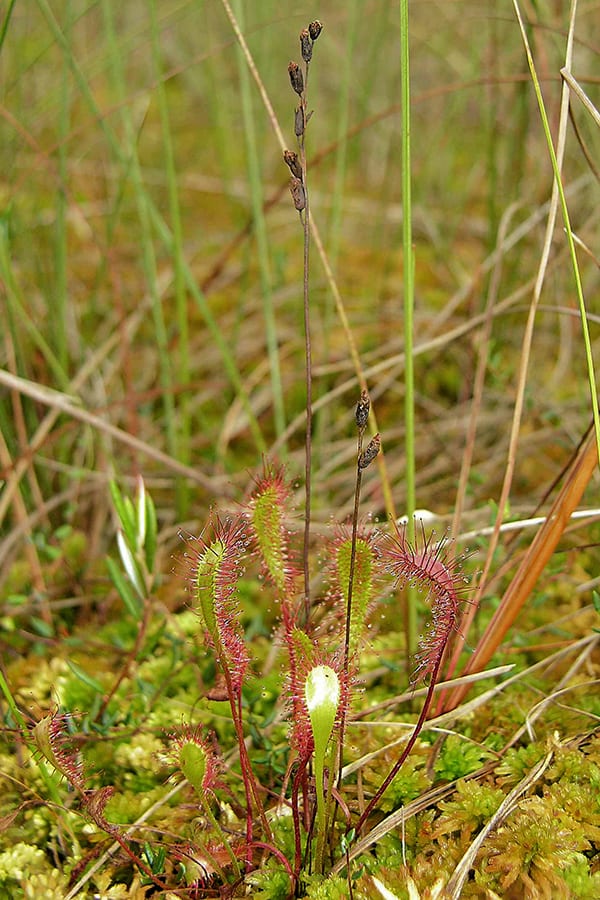
Drosera × obovata is a natural hybrid between the round-leaved sundew (D. rotundifolia) and the great sundew (D. anglica), producing spoon-shaped leaves that sit right between its two parents in form. Its leaf surfaces are covered in glistening, dew-tipped tentacles that catch the light beautifully. In Japan, it's occasionally found growing wild in wetlands where both parent species overlap. Because it doesn't produce viable seed, it's propagated entirely through division or leaf cuttings. It's generally considered a plant for growers with some prior sundew experience.
View Drosera × obovata encyclopedia →0% commission on your first sales!Register by September 30, 2026 and your first 2 plants are commission-free!
Grower Wanted!
List your plants on GrowerDirect and sell directly to customers nationwide!
6 Transparency Commitments from GrowerDirect
Every Grower listing discloses variety, origin, light requirements, and difficulty level for Carnivorous Plants. Complete transparency, guaranteed.
- Variety Disclosed
- Real Photos
- Color Information
- Origin Disclosed
- Light Requirements
- Difficulty Level
Browse all 145 varieties
Light Requirements
Difficulty Level
No listings match your filters
Adjust your filters, or get notified when new listings arrive.
Getting alerts is free with a member account. When new listings match your saved search, we'll notify you by email and in-app.
Browse other categories
Are you growing carnivorous plants?
Register as a grower and connect with buyers directly.
Apply as a growerDrosera × obovata key facts
- Growing Difficulty
- Intermediate
- Lifespan
- Perennial (winters as a dormant bud)
- Size
- Few published measurements (intermediate between the parents)
- Watering
- No fertilizer (catches small insects)
- Light & Placement
- Grow outdoors in good light; cold-temperate sundews do best outside where they sense the seasons.
- Watering
- Keep the soil constantly moist on a tray of pure or rain water.
- Dormancy Care
- Both parents need winter and spend about half the year as winter buds. Let it go dormant in the outdoor cold rather than keeping it warm indoors.
- Temperature & Overwintering
- With heat-shy parents, protect it from summer heat and stuffiness in warm regions; keep pots cool in airy light shade in summer.
- Propagation
- It is sterile, so propagate by division or leaf cuttings.
- Pests & Cautions
- Wild bogs are often protected; never collect wild plants and buy only propagated stock.
About Drosera × obovata
A natural hybrid of round-leaved and great sundew, with spoon-shaped leaves and glistening tentacles. Seedless and propagated by division or leaf cuttings — best suited to growers with some sundew experience.
7 things to know before growing Drosera × obovata
1Light and Airflow
Drosera × obovata is a wetland plant that thrives with plenty of bright light, whether outdoors or on a sunny windowsill. Good airflow around the plant helps keep the sticky dew on its tentacles from drying out too quickly, which keeps it healthy. Intense midday summer sun can scorch the leaves, so filtering strong direct light is a good precaution.
2Tray Watering
Keep the pot standing in a shallow water tray so the growing medium never fully dries out. Use rainwater or reverse-osmosis water rather than tap water, since low-mineral water is gentler on the roots. Letting it dry out, especially during the growing season, will noticeably weaken the plant.
3Soil Mix
A mix of peat moss and coarse sand or perlite gives the right balance of moisture retention and drainage. Avoid ordinary potting soil, since its added nutrients can damage the roots. A ready-made carnivorous plant mix is an easy, reliable option.
4When to Repot
The best time to repot is right after the plant wakes from winter dormancy, just before its main growth period begins. If the roots have filled the pot and the soil has broken down, it's time to move up to a slightly larger pot. Work quickly so the roots don't dry out during the process.
5Winter Dormancy
As a perennial, Drosera × obovata pulls its leaves into a compact hibernaculum and goes dormant over winter. This is a normal seasonal change, not a sign the plant has died, so resist the urge to discard it. Cut back on watering during dormancy and wait for new growth to resume in spring.
6Choosing a Healthy Plant
Look for a plant whose tentacles are glistening with dew all the way to the leaf tips, a sign it's well hydrated and healthy. New leaves unfurling steadily from the center are another good indicator of vigorous growth.
7Propagation
Because this hybrid doesn't set viable seed, it's propagated by division or leaf cuttings rather than from seed. A mature plant can be split into separate clumps, or healthy leaves can be laid on damp soil to root and grow into new plants.
Frequently asked questions about Drosera × obovata
- Q.Can it be grown from seed?
- A.No — Drosera × obovata is a sterile hybrid that doesn't produce viable seed. It's propagated instead by dividing established plants or rooting leaf cuttings.
- Q.Is this a good sundew for beginners?
- A.It's generally considered an intermediate-level plant, since it takes some practice to manage humidity and watering correctly. Growers who already have experience with carnivorous plants will likely find it manageable.
- Q.The leaves shrank in winter — is it dying?
- A.Leaves shrinking into a compact form in winter is a normal dormant stage called a hibernaculum, not a sign of dying. New leaves will naturally emerge again as spring approaches.
- Q.How is it different from its two parent species?
- A.Drosera × obovata is a natural hybrid of the two, with spoon-shaped leaves that fall right between their leaf shapes. Unlike either parent, it doesn't produce viable seed.
- Q.How often should I water it?
- A.The standard approach is tray watering, topping up the water in the saucer whenever it runs low. Be especially careful not to let the growing medium dry out during the active growing season.
Handy Growing Tools for Drosera × obovata
Learn more about Drosera × obovata in the encyclopedia
View Drosera × obovata encyclopedia entry →
Care difficulty, size, origin and light needs — all basics covered.
More in this category
Can't find the plant you're looking for?
Post your wishes for free and growers with matching plants will contact you with introductions.