 © Keisotyo / CC BY-SA 4.0
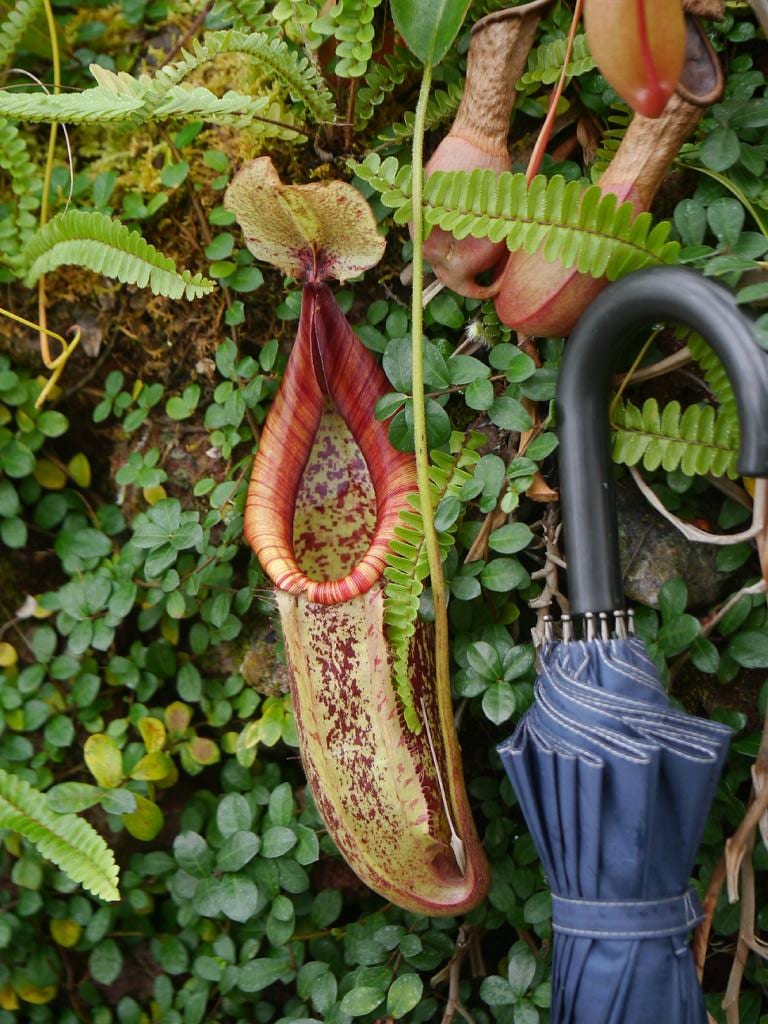
Nepenthes × dyeriana
Nepenthes × dyeriana is a complex pitcher plant hybrid said to come from crossing N. × mixta with N. × dicksoniana, tracing its lineage back to four parent species. A cross of the same parents was recorded at the Veitch nursery in England in 1900, but whether plants sold today descend from that line is unknown. As a vining perennial, it sends out long stems hung with a series of distinctive pitcher traps, offering the striking silhouette carnivorous plant fans love. Because it calls for a bit more care than beginner varieties, it's a rewarding choice for growers ready to build on some Nepenthes experience.
View Nepenthes × dyeriana encyclopedia →0% commission on your first sales!Register by September 30, 2026 and your first 2 plants are commission-free!
Grower Wanted!
List your plants on GrowerDirect and sell directly to customers nationwide!
6 Transparency Commitments from GrowerDirect
Every Grower listing discloses variety, origin, light requirements, and difficulty level for Carnivorous Plants. Complete transparency, guaranteed.
- Variety Disclosed
- Real Photos
- Color Information
- Origin Disclosed
- Light Requirements
- Difficulty Level
Browse all 145 varieties
Light Requirements
Difficulty Level
No listings match your filters
Adjust your filters, or get notified when new listings arrive.
Getting alerts is free with a member account. When new listings match your saved search, we'll notify you by email and in-app.
Browse other categories
Are you growing carnivorous plants?
Register as a grower and connect with buyers directly.
Apply as a growerNepenthes × dyeriana key facts
- Growing Difficulty
- Intermediate
- Lifespan
- Perennial climber
- Size
- Few published measurements
- Watering
- Very dilute fertilizer at most (catches insects)
- Light & Placement
- Grow at a bright window or in a greenhouse; too little light means fewer pitchers.
- Watering
- Use rain water or water low in dissolved minerals and water before the mix dries out. Do not leave the pot standing in water; a free-draining mix keeps the roots healthy.
- Temperature & Overwintering
- With several lowland parents in its background it dislikes cold; bring it into a warm room for winter and avoid sudden chills.
- Soil & Repotting
- Plant in a free-draining, airy mix; pure sphagnum or orchid mix with sphagnum or perlite are common choices.
- Fertilizer
- If using chemical fertilizer, use it at very low strength; an occasional insect dropped into a pitcher is enough.
- Propagation
- Cuttings root in damp sphagnum inside a bag or case in one to two months and start producing pitchers after about six months. Large plants grow long vines; cut-back stems make good cuttings.
About Nepenthes × dyeriana
A complex Nepenthes hybrid tracing back to four parent species, N. × dyeriana is a vining pitcher plant with striking traps, suited to intermediate growers.
7 things to know before growing Nepenthes × dyeriana
1Bright, Indirect Light
Nepenthes × dyeriana prefers bright, filtered light rather than harsh, direct sun — something like light coming through a sheer curtain. Prolonged exposure to strong summer sun or dry wind can scorch the leaves, so adjust its spot with the seasons.
2Water Before It Dries Out
Use rainwater or other water low in dissolved salts, and water before the mix dries out completely. Don't leave water standing in the saucer, and use a free-draining mix so the roots don't stay soggy.
3Use a Well-Draining Mix
A mix of sphagnum moss and perlite that balances drainage with moisture retention suits this hybrid well. Avoid rich, general-purpose potting soil, which can easily damage the roots.
4Repot During Active Growth
Repot once the roots fill the pot, timing the move to coincide with its active growing season. Since it's a vining plant that keeps extending, it's worth planning for a stake or hanging setup as it grows.
5Adjust Care by Season
This is considered an intermediate-level plant, and it benefits from attentive adjustments as temperature and humidity shift through the year. Pay particular attention to watering frequency and placement during periods of large temperature swings.
6Don't Worry if Pitchers Pause
Like other Nepenthes, this hybrid can go through phases without forming new pitcher traps, depending on its condition and environment. Rather than worrying, try adjusting light, humidity, and soil conditions and give it time.
7Choose a Healthy-Looking Plant
When choosing a plant, look for one with healthy leaves free of major damage and sturdy vines. Then enjoy watching this hybrid's distinctive form develop as it settles in and grows.
Frequently asked questions about Nepenthes × dyeriana
- Q.Is this a good plant for beginners?
- A.Nepenthes × dyeriana is considered a variety for intermediate growers. It suits people who already have some experience growing Nepenthes or managing humidity, rather than first-time carnivorous plant owners.
- Q.What is this hybrid's parentage?
- A.It's a complex pitcher plant hybrid said to descend from crossing N. × mixta and N. × dicksoniana, tracing back through four parent species. A similar cross was documented as early as 1900, produced by the Veitch nursery in England.
- Q.How large does this plant get?
- A.It's a vining plant that keeps extending over time, but detailed reference data on its ultimate size is limited. Growth habit varies with growing conditions, so plan for support like a stake or hanging setup as it develops.
- Q.Why isn't my plant forming pitchers?
- A.Nepenthes can go through phases without forming pitcher traps depending on light, humidity, and the plant's overall condition. Try adjusting its placement and watering, and give it time before worrying.
- Q.Can it be grown indoors?
- A.Yes, as long as it gets plenty of light, such as at a bright window, and reasonably humid air. Too little light means fewer pitchers. In dry rooms, raise humidity with a humidifier, but don't leave water standing in the saucer.
Handy Growing Tools for Nepenthes × dyeriana
Learn more about Nepenthes × dyeriana in the encyclopedia
View Nepenthes × dyeriana encyclopedia entry →
Care difficulty, size, origin and light needs — all basics covered.
More in this category
Can't find the plant you're looking for?
Post your wishes for free and growers with matching plants will contact you with introductions.