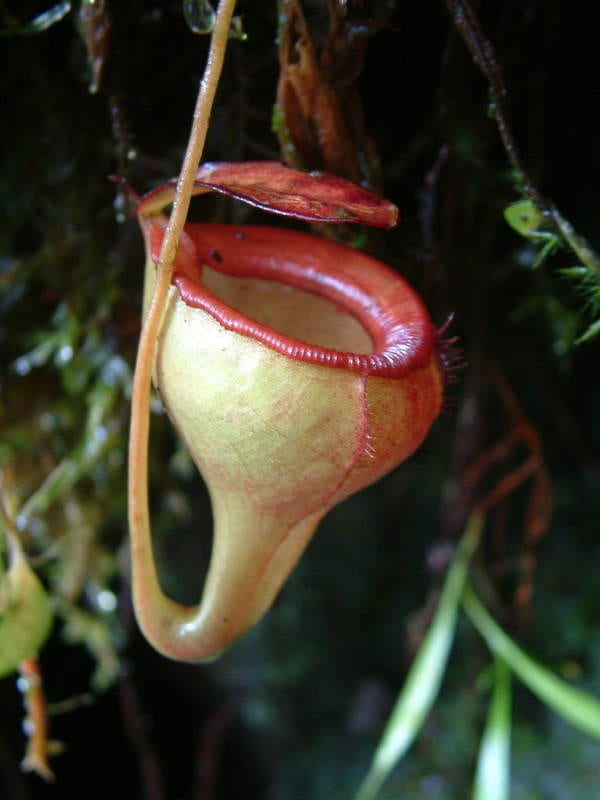
 © Alfindra Primaldhi / CC BY 2.0
Nepenthes jamban
Nepenthes jamban is a small pitcher plant found only in the highlands of northern Sumatra. Its name comes from the Indonesian word for toilet, a reference to the way its yellow upper pitchers open wide like a toilet bowl. Described as a new species only in 2006, it grows as a vining perennial. The upper pitchers reach about 12cm in height, the lower pitchers around 6cm, and the vine can stretch to roughly 4 meters. Recreating its highland conditions takes some effort, making it a plant best suited to growers experienced with carnivorous plants.
View Nepenthes jamban encyclopedia →0% commission on your first sales!Register by September 30, 2026 and your first 2 plants are commission-free!
Grower Wanted!
List your plants on GrowerDirect and sell directly to customers nationwide!
6 Transparency Commitments from GrowerDirect
Every Grower listing discloses variety, origin, light requirements, and difficulty level for Carnivorous Plants. Complete transparency, guaranteed.
- Variety Disclosed
- Real Photos
- Color Information
- Origin Disclosed
- Light Requirements
- Difficulty Level
Browse all 145 varieties
Light Requirements
Difficulty Level
No listings match your filters
Adjust your filters, or get notified when new listings arrive.
Getting alerts is free with a member account. When new listings match your saved search, we'll notify you by email and in-app.
Browse other categories
Are you growing carnivorous plants?
Register as a grower and connect with buyers directly.
Apply as a growerNepenthes jamban key facts
- Growing Difficulty
- Advanced
- Lifespan
- Perennial (climbing)
- Size
- Upper pitchers up to 12 cm tall, lower pitchers rarely over about 6 cm; stems to about 4 m
- Watering
- Very dilute fertilizer at most (catches insects)
- Temperature & Overwintering
- A highland species that needs cool nights to thrive long term; warm Japanese summer nights are the main challenge.
- Light & Placement
- Likes bright light, but harsh midsummer sun can scorch it. Keep it in bright part shade where humidity can be kept up.
- Watering
- Use rain water or water low in dissolved minerals and water before the mix dries out. Do not leave the pot standing in water.
- Soil & Repotting
- Plant in a free-draining, airy mix; pure sphagnum or orchid mix with sphagnum or perlite are common choices.
- Fertilizer
- If using chemical fertilizer, use it at very low strength; an occasional insect dropped into a pitcher is enough.
About Nepenthes jamban
Nepenthes jamban is a small pitcher plant endemic to the highlands of northern Sumatra, named for its toilet-bowl-shaped yellow upper pitchers. Described in 2006, it suits experienced growers.
7 things to know before growing Nepenthes jamban
1Placement and Temperature
Native to the Sumatran highlands, this species thrives in cool conditions with a clear day-night temperature swing. High heat and humidity in midsummer can weaken the plant, so choose a spot with good airflow and some shade.
2Watering Basics
Keep the growing medium consistently moist rather than letting it dry out. Because this plant dislikes the minerals in tap water, using rainwater or purified water helps keep it healthy.
3Choosing a Soil Mix
A sphagnum-moss-based mix that balances drainage and moisture retention works well. Adding perlite improves aeration, helping prevent root rot while keeping humidity around the roots.
4When to Repot
Since the vining stem can grow to around 4 meters, repotting and staking become necessary as the plant matures. Time repotting for a period of slower growth to avoid damaging the roots.
5Seasonal Care
As a highland species, keeping it cool through the summer is essential. In winter, avoid extreme cold while maintaining stable humidity year-round, which supports healthy pitcher formation.
6Choosing a Plant
Since this is a challenging species to grow, look for a specimen with well-established roots and vigorous leaves and vines. A plant already carrying pitchers is a good sign that it is adapting well to its growing conditions.
7Tips for Good Pitcher Formation
Upper pitchers reach around 12cm and lower pitchers around 6cm, but growing large, well-formed pitchers depends on the right balance of humidity and light. Pitchers tend to stop forming in overly dry conditions, so watch for that.
Frequently asked questions about Nepenthes jamban
- Q.Is this suitable for beginners?
- A.Nepenthes jamban is considered a challenging, advanced-level species to grow. Because it needs the careful temperature and humidity management typical of highland species, it is best attempted after gaining some experience with carnivorous plants.
- Q.What does the name jamban mean?
- A.It comes from the Indonesian word for toilet. The name refers to the way the yellow upper pitchers open wide, resembling a toilet bowl.
- Q.How large does it grow?
- A.The upper pitchers reach around 12cm in height and the lower pitchers around 6cm. The vining stem can grow to about 4 meters, so it helps to plan for staking and space as it matures.
- Q.What should I watch for when watering?
- A.Keep the growing medium consistently moist rather than letting it dry out. Since this plant dislikes the minerals in tap water, using rainwater or purified water helps maintain better condition.
- Q.What kind of location suits it best?
- A.Being native to the Sumatran highlands, it prefers cool conditions with good airflow. Avoid the heat and humidity of midsummer, and aim for a spot with a day-night temperature difference to keep it thriving.
Handy Growing Tools for Nepenthes jamban
Learn more about Nepenthes jamban in the encyclopedia
View Nepenthes jamban encyclopedia entry →
Care difficulty, size, origin and light needs — all basics covered.
More in this category
Can't find the plant you're looking for?
Post your wishes for free and growers with matching plants will contact you with introductions.