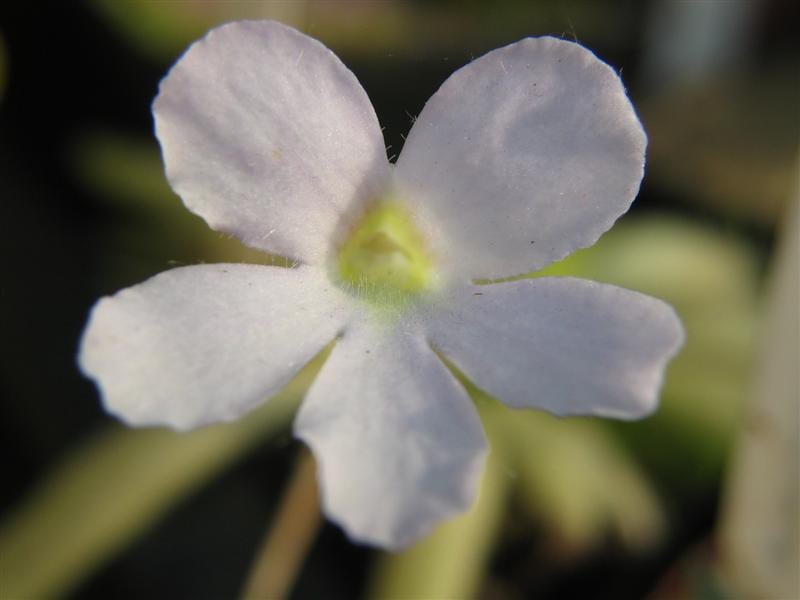
 © fischermans / CC BY-SA 3.0
Pinguicula 'Aphrodite'
Pinguicula 'Aphrodite' is a butterwort bred in the Czech Republic from a cross between P. agnata and P. moctezumae. Its long, gently arching leaves give it an elegant look, reaching up to 12 cm in length and 2 cm in width during summer. The real highlight is its flower, up to 4 cm across, which opens a deep purple and gradually fades to pink as it matures. Considered an easy plant for beginners, it is a perennial that can be kept going for years through division or leaf cuttings.
View Pinguicula 'Aphrodite' encyclopedia →0% commission on your first sales!Register by September 30, 2026 and your first 2 plants are commission-free!
Grower Wanted!
List your plants on GrowerDirect and sell directly to customers nationwide!
6 Transparency Commitments from GrowerDirect
Every Grower listing discloses variety, origin, light requirements, and difficulty level for Carnivorous Plants. Complete transparency, guaranteed.
- Variety Disclosed
- Real Photos
- Color Information
- Origin Disclosed
- Light Requirements
- Difficulty Level
Browse all 145 varieties
Light Requirements
Difficulty Level
No listings match your filters
Adjust your filters, or get notified when new listings arrive.
Getting alerts is free with a member account. When new listings match your saved search, we'll notify you by email and in-app.
Browse other categories
Are you growing carnivorous plants?
Register as a grower and connect with buyers directly.
Apply as a growerPinguicula 'Aphrodite' key facts
- Growing Difficulty
- Beginner-friendly
- Lifespan
- Perennial (can be kept for years by division and leaf cuttings)
- Size
- Summer leaves up to 12 cm long and 2 cm wide; flowers up to 4 cm across
- Watering
- Little or no fertilizer needed (catches small insects on sticky leaves)
- Temperature & Overwintering
- In summer it makes carnivorous leaves in warm, humid conditions; in winter keep it cooler and drier and it rests as a rosette of succulent leaves. Typical indoor windowsill conditions suit it well.
- Light & Placement
- Grow on a bright windowsill or under lights. Strong light tints the leaf edges red, but avoid harsh midsummer sun.
- Watering
- In summer, when it has carnivorous leaves, the pot can stand in up to 2 cm of water. Once it switches to succulent winter leaves, let it dry for about a week between waterings.
- Soil & Repotting
- It is not a bog plant; a mix of equal parts peat, coarse sand and perlite with dolomitic lime added to make it alkaline suits it. Repot or divide in the winter resting phase.
- Propagation
- Keep the cultivar true by leaf cuttings or division; plants raised from seed will not be the same cultivar.
- Pests & Cautions
- Do not use fungicides on Pinguicula; they can kill the plants. Fungus gnat larvae eat the leaves, so a thin layer of coarse sand on the soil surface helps.
About Pinguicula 'Aphrodite'
Pinguicula 'Aphrodite' is a Czech-bred butterwort with arching leaves and striking 4cm flowers that shift from deep purple to pink. An easy, beginner-friendly perennial.
7 things to know before growing Pinguicula 'Aphrodite'
1Light and Placement
Pinguicula 'Aphrodite' likes bright light, but harsh midsummer sun can scorch its leaves. A spot behind a sheer curtain indoors, or light shade under shade cloth outdoors, works well. Good air circulation also helps keep the plant healthy.
2Watering Basics
Keep the soil consistently moist using the tray (bottom-watering) method, standing the pot in a few centimeters of water. Avoid wetting the leaves directly, as it dilutes the sticky mucilage they use to catch insects. Cut back on watering once the plant enters winter dormancy.
3Well-Draining Soil
Unlike many carnivorous plants grown in pure sphagnum moss, Pinguicula 'Aphrodite' prefers a mineral-rich, free-draining mix. A blend of perlite, pumice, and akadama (or similar mineral grit) works well. Good drainage helps prevent root rot from excess moisture.
4Repot During Winter Rest
Repotting and division are best done during the winter rest period. Signs it's time include roots filling the pot or soil that no longer drains well. Handle the roots gently during the process to avoid damage.
5Winter Succulent Form
Aphrodite's parent species, P. agnata and P. moctezumae, both shift from sticky summer leaves into a drought-tolerant, succulent rosette during winter. The plant stops catching insects during this period, so watering should be reduced. Keep it somewhere bright and indoors, away from frost.
6Choosing a Healthy Plant
Look for leaves with good color and plenty of glistening mucilage, a sign of a healthy plant. Avoid specimens with blackened or mushy patches near the center or base. A well-formed rosette with plenty of leaves tends to establish and grow more smoothly.
7Propagation by Leaf and Division
As a perennial, Pinguicula 'Aphrodite' can be propagated repeatedly through leaf cuttings or division, so a single plant can be enjoyed for years. Remove a healthy leaf with its base intact during the growing season and rest it on moist soil to start a new plant. With a little practice, it's a propagation method most home growers can manage.
Frequently asked questions about Pinguicula 'Aphrodite'
- Q.Is it suitable for beginners?
- A.Yes, Pinguicula 'Aphrodite' is considered an easy, beginner-friendly plant. As long as you keep the basics of tray watering and bright placement in mind, it's approachable even for first-time carnivorous plant growers.
- Q.How big are the flowers, and do they change color?
- A.The flowers can reach up to about 4 cm across, making them quite large for the genus. They open a deep purple and gradually fade to pink as they age.
- Q.How large does the plant get?
- A.Its summer leaves grow up to about 12 cm long and 2 cm wide, with a distinctive long, arching shape. It stays compact enough to enjoy in a small pot.
- Q.Do I need to feed it insects?
- A.No special feeding is required — the sticky mucilage on the leaves naturally catches small insects like fungus gnats. It will grow just fine even in an indoor environment with few insects around.
- Q.How is it different from its parent species, P. agnata and P. moctezumae?
- A.Aphrodite is a Czech-bred hybrid between P. agnata and P. moctezumae, combining traits from both. Its arching leaves and especially large flowers are traits that stand out thanks to this crossing.
Handy Growing Tools for Pinguicula 'Aphrodite'
Learn more about Pinguicula 'Aphrodite' in the encyclopedia
View Pinguicula 'Aphrodite' encyclopedia entry →
Care difficulty, size, origin and light needs — all basics covered.
More in this category
Can't find the plant you're looking for?
Post your wishes for free and growers with matching plants will contact you with introductions.