 © Steven Walling / CC BY-SA 4.0
Queen Anthurium
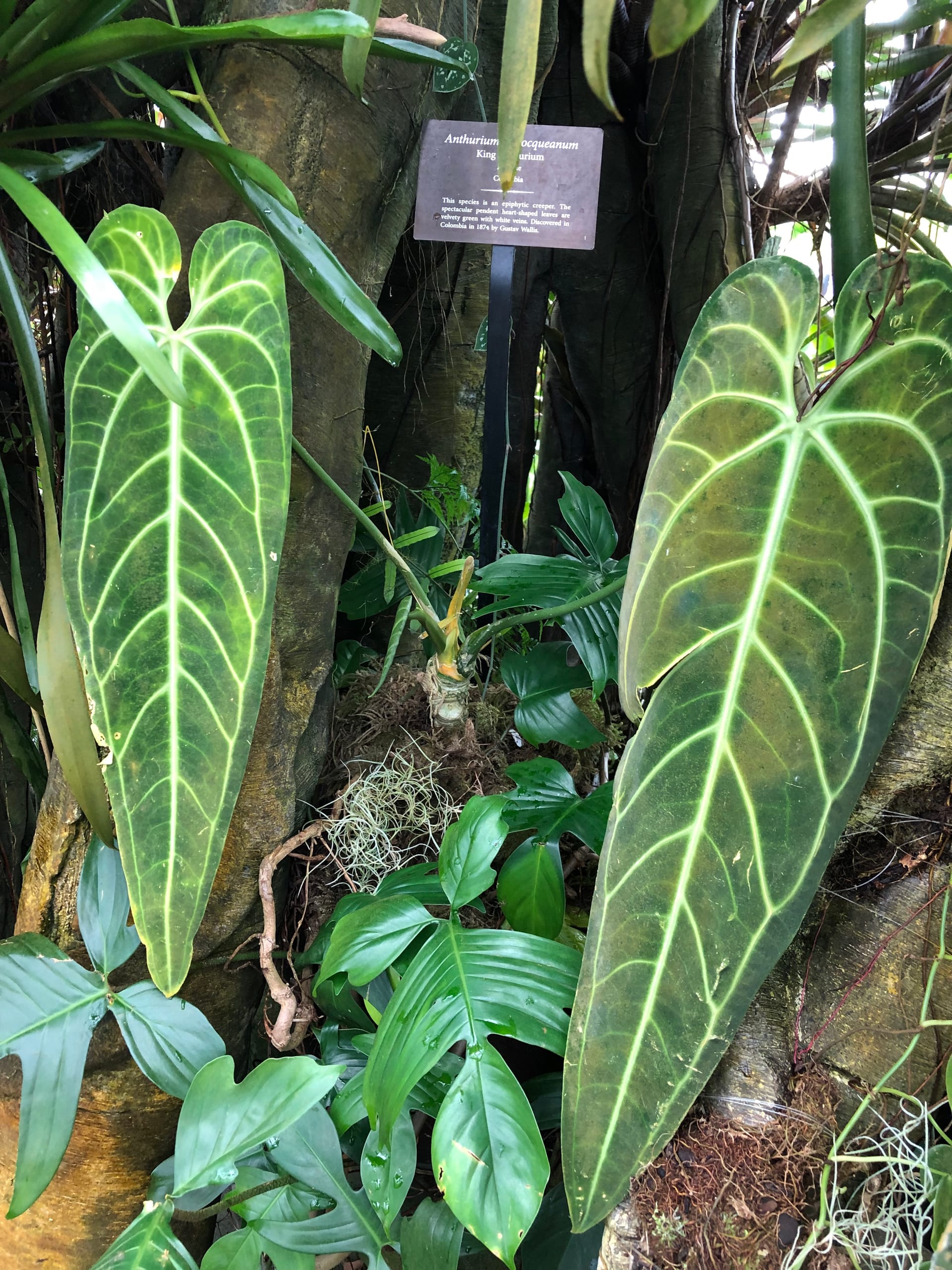
Anthurium warocqueanum, commonly known as the Queen Anthurium, is a houseplant prized for its long, velvety leaves. Dark green foliage is traced with striking silvery-white veins, and in its native Colombian rainforest it grows creeping along tree trunks. Mature leaves stretch roughly 0.9 to 1.2 meters long and about 38 centimeters wide, hanging gracefully as the plant matures. As a perennial, it can be enjoyed for many years, though it's considered an advanced-level plant that calls for careful attention to humidity and placement. Its bold, sweeping foliage makes it one of the most striking Anthuriums to grow.
View Queen Anthurium encyclopedia →0% commission on your first sales!Register by September 30, 2026 and your first 2 plants are commission-free!
Grower Wanted!
List your plants on GrowerDirect and sell directly to customers nationwide!
6 Transparency Commitments from GrowerDirect
Every Grower selling Foliage Plants provides complete transparency: variety, origin, light requirements, and care difficulty.
- Variety Information
- Real Photos
- True Colors
- Origin Information
- Light Requirements
- Care Difficulty
Browse all 139 varieties
Light Requirements
Care Difficulty
No listings match your filters
Adjust your filters, or get notified when new listings arrive.
Getting alerts is free with a member account. When new listings match your saved search, we'll notify you by email and in-app.
Browse other categories
Verified growers (preview)
Are you growing foliage plants?
Register as a grower and connect with buyers directly.
Apply as a growerQueen Anthurium key facts
- Growing Difficulty
- Advanced
- Lifespan
- Perennial
- Size
- Mature leaves 0.9-1.2 m long and about 38 cm wide
- Temperature
- 18〜29℃
- Watering
- Dilute liquid feed in the growing season
- Light & Placement
- Bright spot without direct sun. The leaves hang long, so use a hanging pot or high shelf where the tips do not touch surfaces.
- Watering
- As an epiphyte it dislikes constantly wet roots. Water when the surface dries, ideally with rain or purified water.
- Temperature & Overwintering
- Keep within the genus range of about 18-29°C and in a heated room in winter. High humidity is essential; humidifiers or a cabinet help indoors.
- Soil & Repotting
- Plant in an airy medium such as sphagnum moss or bark chips, and repot as little as possible to avoid root damage.
- Propagation
- Propagate by stem cuttings or seed; growth is slow.
- Pests & Cautions
- Leaf tips suffer in dry air and damaged large leaves do not recover. Anthuriums contain calcium oxalate crystals; chewing causes mouth pain, swelling and drooling. Keep out of reach of pets and small children.
About Queen Anthurium
Anthurium warocqueanum, the Queen Anthurium, is a perennial houseplant with velvety, elongated leaves marked by silvery veins that can reach about a meter long — an advanced-level plant for experienced growers.
7 things to know before growing Queen Anthurium
1Bright, Indirect Light
In its native Colombian rainforest, this plant grows in the dappled shade beneath the tree canopy, so it prefers bright, indirect light rather than direct sun. Strong direct sunlight can easily scorch its leaves, so a spot near a window with a sheer curtain works well.
2High Humidity Is Key
As a rainforest native, this Anthurium thrives in humid air. In dry indoor environments the leaf tips can become damaged, so using a humidifier or placing a tray of water nearby helps keep humidity levels up and the plant healthy.
3Water After Soil Dries
Water thoroughly once the top layer of soil has dried out. Because constantly wet soil can damage the roots, make sure the pot drains well and avoid letting water sit in the saucer.
4Chunky, Aroid-Style Mix
In the wild this species grows along tree trunks, and its roots dislike excess moisture. A chunky aroid mix of bark, perlite, and sphagnum moss that drains freely while still holding some air is a good choice.
5Repot with Care
When the roots fill the pot, move the plant into a slightly larger one, handling the delicate roots gently throughout. Because frequent repotting stresses the plant, it's best to repot only when truly needed.
6Keep Warm in Winter
Being native to tropical rainforest, this plant is sensitive to cold, so keep it in a warm room during winter and away from cold drafts near windows or direct heater airflow. It's also wise to water a bit less often as temperatures drop.
7Choose Plants with Healthy Leaves
When choosing a plant, look for firm leaves without discoloration or damage. A plant with a new leaf unfurling is a good sign of healthy growth, and leaves with a clearly velvety texture are another indicator of good condition.
Frequently asked questions about Queen Anthurium
- Q.Can beginners grow this plant?
- A.Anthurium warocqueanum is considered an advanced-level plant that requires experience managing humidity and placement. It's best attempted after you've gained some general houseplant-growing experience.
- Q.How large do the leaves get?
- A.On a mature plant, leaves grow to roughly 0.9 to 1.2 meters long and about 38 centimeters wide. The elongated, velvety leaves tend to hang down gracefully as they develop.
- Q.What kind of spot suits this plant?
- A.A bright spot with indirect light and consistently humid air suits this plant best. Avoid placing it where dry drafts blow directly on the leaves.
- Q.How long can it be grown for?
- A.It's a perennial, so with proper care it can be grown for many years. As the plant matures, its leaves tend to grow progressively larger.
- Q.What is the velvety leaf texture like?
- A.The dark green leaf surface has a soft, velvety texture, with striking silvery-white veins standing out against it. This distinctive texture is part of what makes the species so visually appealing.
Handy Growing Tools for Queen Anthurium
Learn more about Queen Anthurium in the encyclopedia
View Queen Anthurium encyclopedia entry →
Care difficulty, size, origin and light needs — all basics covered.
More in this category
Can't find the plant you're looking for?
Post your wishes for free and growers with matching plants will contact you with introductions.