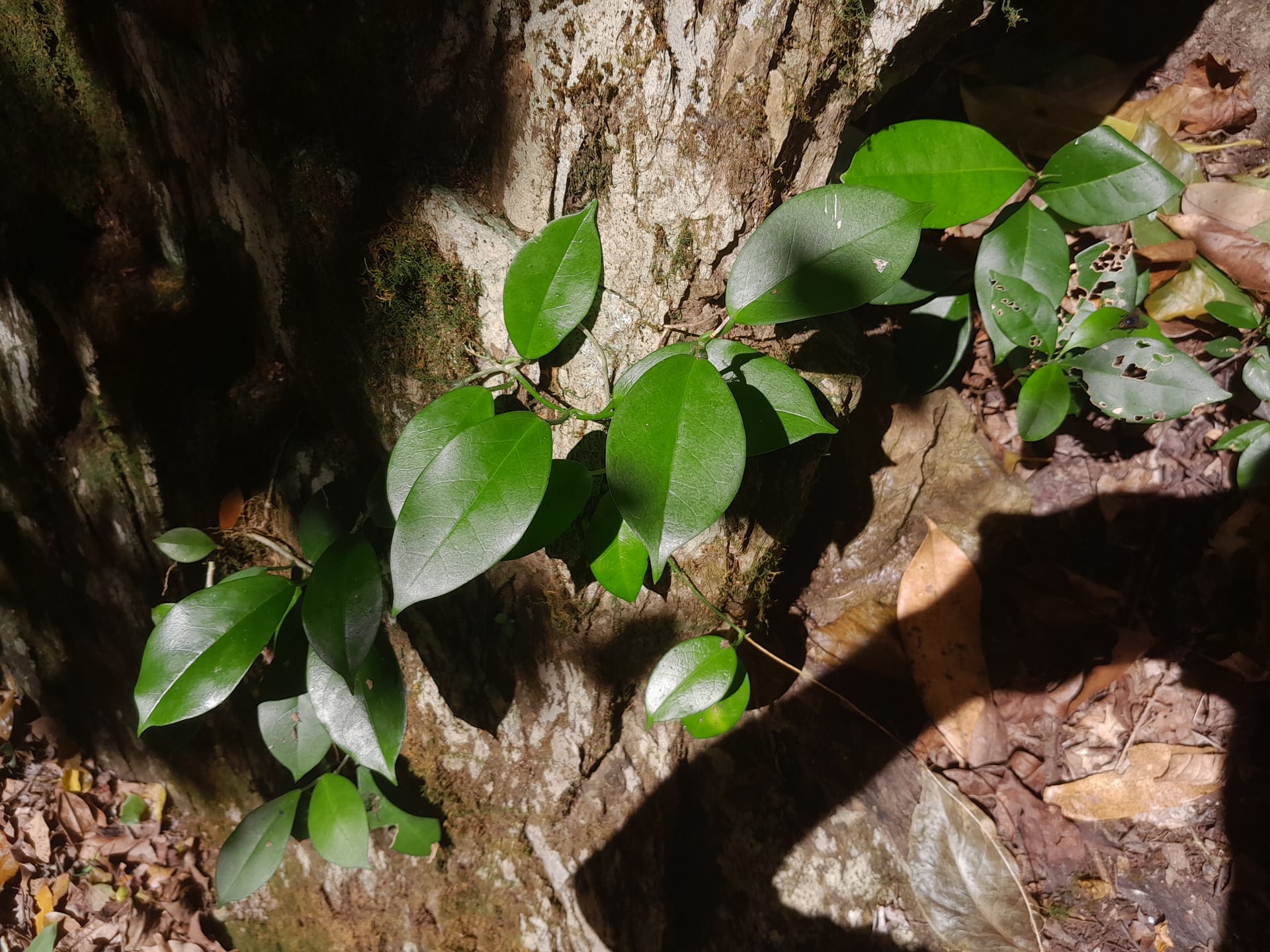
 © Steve Fitzgerald / CC BY-SA 4.0
Hoya australis
Hoya australis is a robust, easy-going vining hoya prized for its rounded, glossy, succulent-like leaves. It produces clusters of cream flowers with red centers, filling the air with a strong, sweet fragrance. Fast-growing and generous with blooms, it's a forgiving choice for first-time hoya growers. A selection called 'Lisa', whose new leaves are flushed pink and whose mature leaves are mottled in pale green and cream, is also widely available and offers year-round visual interest even without flowers. Because it's a natural climber, it adapts beautifully to hanging baskets or trellis training, giving you flexibility in how you display it.
View Hoya australis encyclopedia →0% commission on your first sales!Register by September 30, 2026 and your first 2 plants are commission-free!
Grower Wanted!
List your plants on GrowerDirect and sell directly to customers nationwide!
6 Transparency Commitments from GrowerDirect
Every Grower selling Foliage Plants provides complete transparency: variety, origin, light requirements, and care difficulty.
- Variety Information
- Real Photos
- True Colors
- Origin Information
- Light Requirements
- Care Difficulty
Browse all 139 varieties
Light Requirements
Care Difficulty
No listings match your filters
Adjust your filters, or get notified when new listings arrive.
Getting alerts is free with a member account. When new listings match your saved search, we'll notify you by email and in-app.
Browse other categories
Verified growers (preview)
Are you growing foliage plants?
Register as a grower and connect with buyers directly.
Apply as a growerHoya australis key facts
- Growing Difficulty
- Beginner-friendly
- Lifespan
- Perennial climber
- Size
- Stems 4-10 m in the wild; leaves up to 15 x 12 cm
- Watering
- Dilute liquid feed in the growing season
- Light & Placement
- Needs bright light to flower. Give it dappled or bright light, avoiding harsh midsummer sun.
- Watering
- The fleshy leaves store water, so water only when the mix is dry. Overwatering causes root rot.
- Temperature & Overwintering
- Not frost-hardy. It can summer outdoors in bright shade but should come inside before it turns cool.
- Soil & Repotting
- Use a free-draining organic mix. It prefers to be pot-bound, so do not overpot.
- Propagation
- Easily propagated by stem cuttings.
- Pests & Cautions
- Watch for aphids, mealybugs, scale and spider mites. Leave the flower spurs, as new flowers form on them in later years. North Carolina State Extension lists this species as non-toxic to dogs and cats.
About Hoya australis
Hoya australis is a hardy vining hoya with glossy, rounded leaves and fragrant cream-and-red flower clusters. Fast-growing and easy for beginners.
7 things to know before growing Hoya australis
1Bright, Indirect Light
Hoya australis thrives in bright light filtered through a sheer curtain. Gradually acclimating it to some direct sun encourages more flowers, but protect it from harsh summer afternoon sun, which can scorch the leaves. The variegated 'Lisa' form scorches more easily, so give it slightly more shade.
2Let Soil Dry Before Watering
The thick, succulent-like leaves store water, so let the soil surface dry out before watering thoroughly. Avoid letting water sit in the saucer, as soggy roots quickly lead to rot. Water even less often in winter, when growth slows down.
3Use Fast-Draining Soil
As an epiphyte, Hoya australis prefers a loose, airy mix rather than dense potting soil. Blending standard houseplant compost with akadama or perlite improves drainage and keeps roots healthy.
4Repot When Rootbound
This hoya grows quickly, so check the roots every one to two years. Roots emerging from the drainage holes are a sign it's time to move up to a slightly larger pot. Spring through early summer, once temperatures stabilize, is the best time to repot.
5Keep Warm Through Winter
Being tropical in origin, it's sensitive to cold and should stay indoors in a warm spot over winter. Cutting back on watering during the coldest months lets the plant rest without stressing its roots.
6Train the Trailing Vines
This hoya grows as a trailing, climbing vine. Let it cascade from a hanging basket, or train it around a trellis or ring — the growth habit adapts to whatever space you have.
7Leave Spent Flower Stalks
Flowers rebloom from the same peduncle (flower stalk) year after year. When deadheading, snip off only the faded blooms and leave the stalk in place so it can flower again next season.
Frequently asked questions about Hoya australis
- Q.Is Hoya australis suitable for beginners
- A.Yes — it's a hardy, fast-growing hoya that's considered beginner-friendly. As long as you avoid overwatering and give it bright light, it's very forgiving to grow.
- Q.When does it bloom
- A.Compared with other hoyas, it tends to flower from a young age, producing clusters of cream blooms with red centers. It needs bright light to bloom. The flowers carry a strong, sweet fragrance.
- Q.How is 'Lisa' different from the regular form
- A.'Lisa' is a selection of Hoya australis whose new leaves are flushed pink and whose mature leaves are mottled in pale green and cream. It's widely sold for its distinctive foliage.
- Q.How large does it grow
- A.The leaves can grow up to about 15 cm long and 12 cm wide. In a pot, you can keep it compact or let it grow larger depending on how you train it.
- Q.How should I train the vines
- A.You can let it trail from a hanging basket or train it around a trellis or ring as it climbs. Because it's a natural vine, you can shape it to suit your space and style.
Handy Growing Tools for Hoya australis
Learn more about Hoya australis in the encyclopedia
View Hoya australis encyclopedia entry →
Care difficulty, size, origin and light needs — all basics covered.
More in this category
Can't find the plant you're looking for?
Post your wishes for free and growers with matching plants will contact you with introductions.