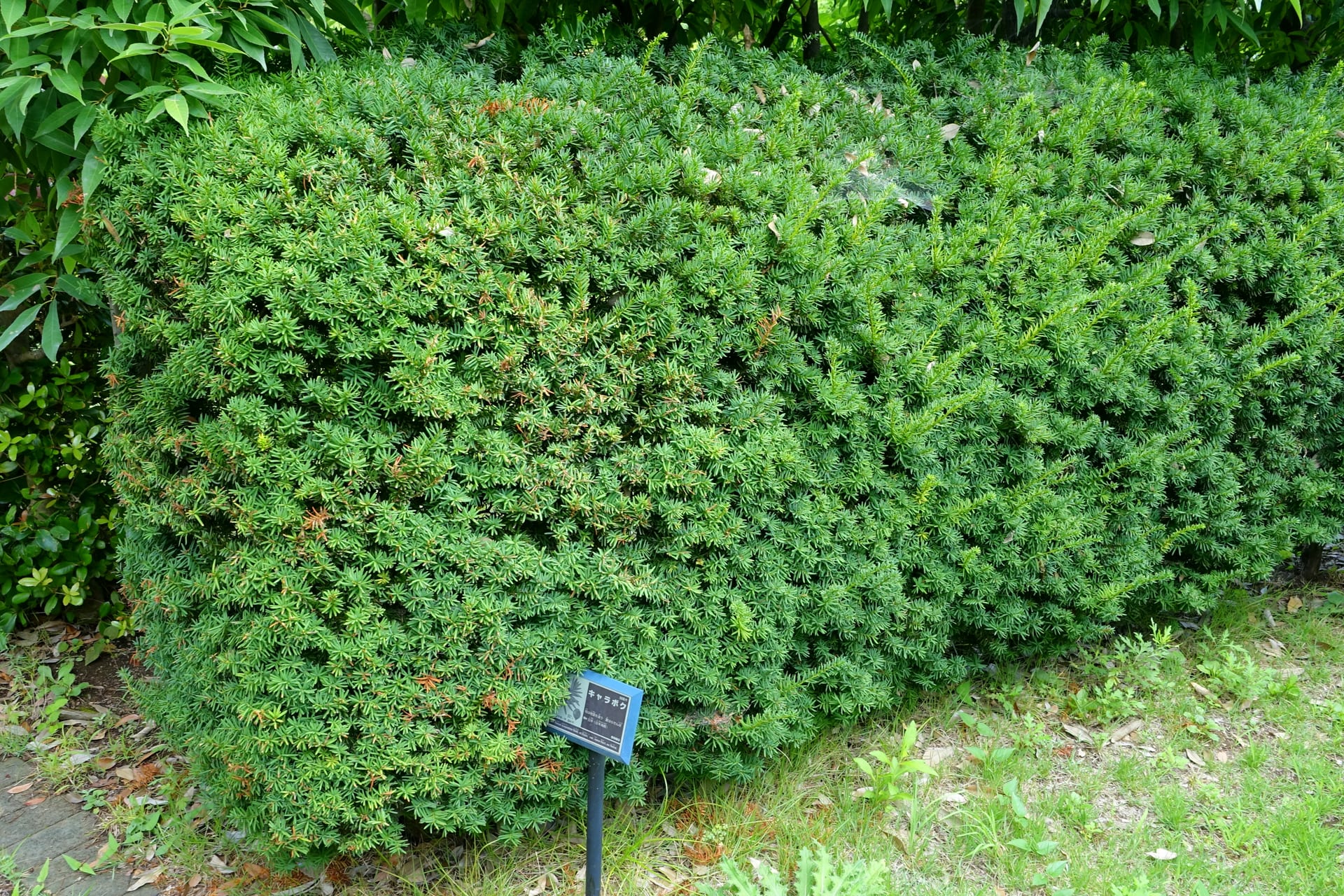
 © Daderot / CC0
Dwarf Japanese yew
Dwarf Japanese yew is a low, spreading variety of Japanese yew native to the snowy mountains along Japan's coast facing the Sea of Japan. Rather than growing a single upright trunk, it branches from the base and fans outward horizontally, and its broader, spirally arranged needles set it apart from ordinary yew. It's a tough, beginner-friendly conifer that tolerates summer heat well, making it a forgiving choice for first-time bonsai growers to practice pruning and shaping. The species is remarkably long-lived: colonies of trees estimated at 600 years old still grow on Mount Daisen, a testament to how well this plant can become a lifelong companion.
View Dwarf Japanese yew encyclopedia →0% commission on your first sales!Register by September 30, 2026 and your first 2 plants are commission-free!
Grower Wanted!
List your plants on GrowerDirect and sell directly to customers nationwide!
6 Transparency Commitments from GrowerDirect
Growers clearly display the following information for all Bonsai listings. Guaranteed transparency for tree variety, origin, light requirements, and difficulty level.
- Tree Variety
- Real Photos
- Color & Appearance
- Growing Region
- Light Requirements
- Difficulty Level
Browse all 144 varieties
Light Requirements
Difficulty Level
No listings match your filters
Adjust your filters, or get notified when new listings arrive.
Getting alerts is free with a member account. When new listings match your saved search, we'll notify you by email and in-app.
Browse other categories
Verified growers (preview)
Dwarf Japanese yew key facts
- Growing Difficulty
- Beginner-friendly
- Lifespan
- Long-lived; old plants on Mt. Daisen are said to be about 600 years old
- Size
- Spreading shrub 0.5–2 m tall (bonsai: mini to medium)
- Watering
- Fertilizer (April–May and September–October)
- Light & placement
- Likes sun but tolerates part shade. In summer, a bright, airy spot out of harsh sun
- Watering
- Dislikes drying out: 1–2 times daily in spring, 2–3 in summer, 1–2 in autumn, every 2–3 days in winter. Avoid waterlogging in summer
- Temperature & overwintering
- Very hardy (yew: USDA zone 4). In cold regions leaves bronze in winter but green up the next year; more heat-tolerant than typical yew
- Soil & repotting
- Not fussy—akadama alone or with sand for drainage. Repot mid-March to mid-April, about every 2 years for mature plants
- Fertilizer
- Organic fertilizer once or twice a month in April–May and September–October
- Pruning & styling
- Pinch soft new shoots mid-April to June, leaving a half to a third. Prune Mar–Apr and Oct–Nov, wire Oct–Mar, remove old leaves Oct–Nov
- Pests & cautions
- Few pests, though spider mites appear in dry spells. The seeds are poisonous. It is native—buy nursery-grown plants, not wild-dug ones
About Dwarf Japanese yew
Dwarf Japanese yew, a spreading variety of Japanese yew from the snowy mountains of Japan's coast, is prized for its low, fanning form and broad spiral needles, a heat-tolerant conifer that's easy for beginners to grow as bonsai.
7 things to know before growing Dwarf Japanese yew
1Light and Air Circulation
Dwarf Japanese yew tolerates partial shade but keeps its densest, most attractive form in good light. Strong afternoon sun in midsummer can scorch the foliage, so move potted specimens somewhere with afternoon shade and good airflow.
2Watering Basics
Water thoroughly once the soil surface dries out. Because it naturally grows in snowy, moisture-rich mountain terrain, it's less drought-tolerant than some conifers, so summer heat may call for watering both morning and evening.
3Well-Draining Soil
Choose a bonsai soil mix that balances drainage with moisture retention to avoid root rot. A base of akadama with added leaf mold and pumice is a common, reliable combination.
4Repotting Schedule
Growth is relatively slow, but repotting every two to three years prevents the roots from becoming pot-bound. The best windows are just before spring budding or after the autumn equinox.
5Winter Care, Pinching, and Pruning
This tough conifer can overwinter outdoors, though it's best kept out of harsh, dry winds. Pinch new shoots by hand from mid-April to June while they are still soft, leaving a half to a third of each shoot. Do pruning cuts in March to April and October to November to keep the silhouette neat.
6A Naturally Spreading Form
Because the trunk doesn't grow upright and instead branches from the base, bonsai growers often train it into informal upright or windswept-style shapes that emphasize its natural horizontal spread. Wiring is easiest while branches are still young and pliable, before they thicken and stiffen.
7Choosing a Young Plant
Look for glossy, healthy-colored foliage and multiple branches emerging near the base, which makes it easier to develop a natural spreading form. The broad, spirally arranged needles are the key feature that distinguishes it from ordinary yew.
Frequently asked questions about Dwarf Japanese yew
- Q.How is Dwarf Japanese yew different from regular yew?
- A.It's a variety of Japanese yew whose trunk doesn't grow upright but instead branches from the base and spreads horizontally. Its needles are also broader and arranged in a spiral, which is the easiest way to tell it apart.
- Q.Is it suitable for beginners?
- A.Yes, it's a hardy, relatively heat-tolerant conifer considered good for beginner bonsai growers. As long as you keep up with basic watering and give it enough light, it's fairly forgiving.
- Q.How large does it grow?
- A.In the wild it forms a low shrub about 0.5 to 2 meters tall, while as bonsai it can be trained from mini to medium sizes. Its slow growth rate also makes the size easier to manage over time.
- Q.Can it stay outdoors through winter?
- A.Yes, it's cold-hardy enough to overwinter outdoors. Just avoid prolonged exposure to dry, cold winds, which can damage the foliage.
- Q.How long can I expect to enjoy this tree?
- A.It's known for being long-lived, with colonies of trees estimated at 600 years old still growing on Mount Daisen. With good care, it's the kind of bonsai that can be passed down and enjoyed for generations.
Handy Growing Tools for Dwarf Japanese yew
Learn more about Dwarf Japanese yew in the encyclopedia
View Dwarf Japanese yew encyclopedia entry →
Care difficulty, size, origin and light needs — all basics covered.
More in this category
Can't find the plant you're looking for?
Post your wishes for free and growers with matching plants will contact you with introductions.