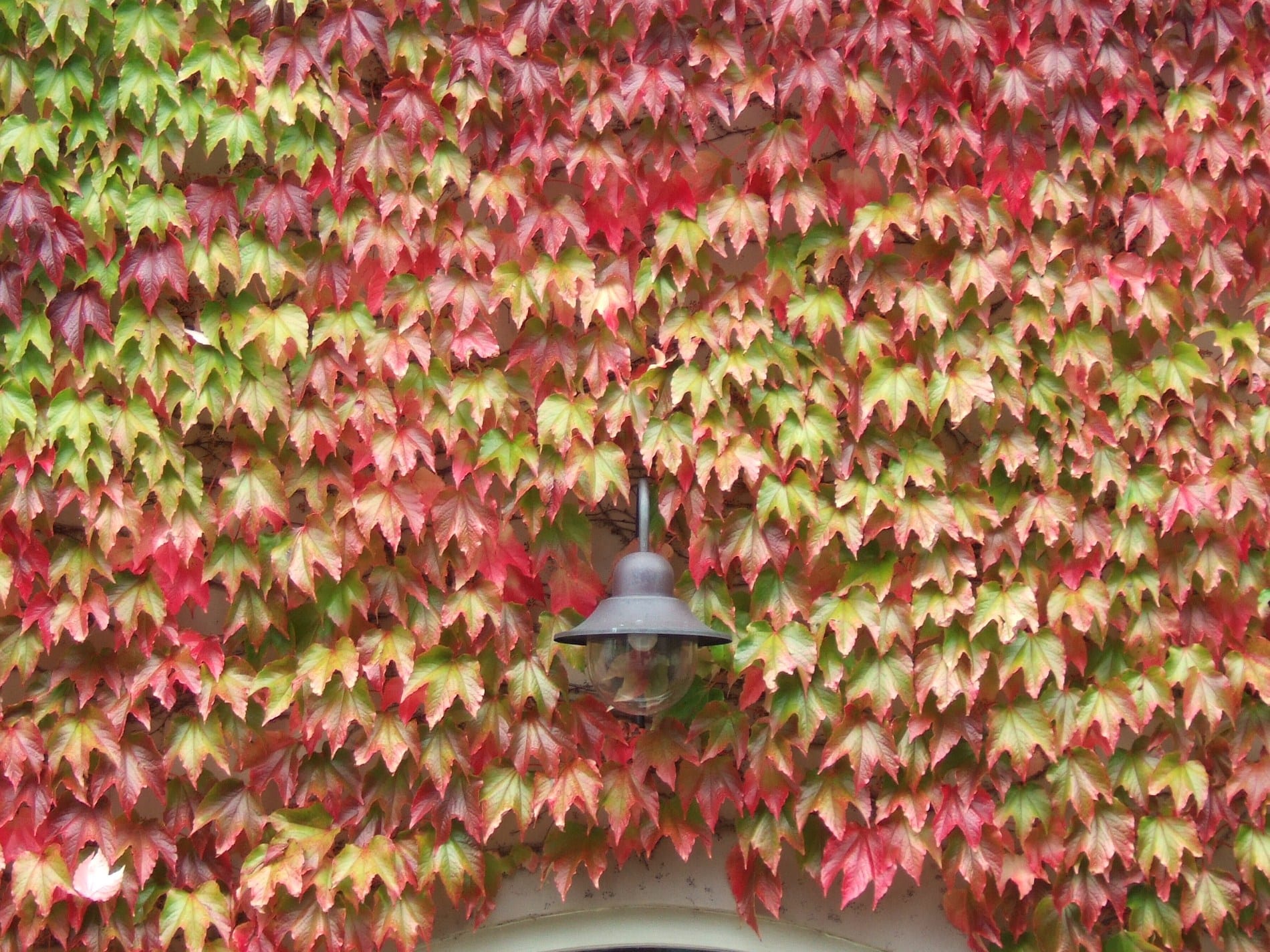
 © Rowan Adams / CC BY-SA 4.0
Boston ivy
Boston ivy is a deciduous, vine-like plant in the grape family, prized for its brilliant fiery red autumn foliage. Tiny suction pads at the tips of its tendrils let it cling tightly to walls, tree trunks, and other surfaces as it grows. In bonsai circles it is often called "summer ivy" to distinguish it from the evergreen English ivy. Left to its own devices the vine can stretch on for a long way, but regular pruning keeps a bonsai specimen compact and easy to manage in a pot, letting you enjoy its autumn color up close. It is considered an approachable choice for beginners, and its vivid seasonal change makes it a rewarding plant to watch through the year.
View Boston ivy encyclopedia →0% commission on your first sales!Register by September 30, 2026 and your first 2 plants are commission-free!
Grower Wanted!
List your plants on GrowerDirect and sell directly to customers nationwide!
6 Transparency Commitments from GrowerDirect
Growers clearly display the following information for all Bonsai listings. Guaranteed transparency for tree variety, origin, light requirements, and difficulty level.
- Tree Variety
- Real Photos
- Color & Appearance
- Growing Region
- Light Requirements
- Difficulty Level
Browse all 144 varieties
Light Requirements
Difficulty Level
No listings match your filters
Adjust your filters, or get notified when new listings arrive.
Getting alerts is free with a member account. When new listings match your saved search, we'll notify you by email and in-app.
Browse other categories
Verified growers (preview)
Boston ivy key facts
- Growing Difficulty
- Beginner-friendly
- Lifespan
- Little data on lifespan
- Size
- Vines can exceed 30 m (kept small by pruning as bonsai)
- Watering
- Fertilizer (sparingly May–November, except the rainy season and summer)
- Light & placement
- Bright, airy spot from spring to the rainy season; move to bright shade in summer, as scorch spoils autumn colour. Full sun from autumn for the best colour
- Watering
- 1–2 times daily in spring, 2–3 in summer mainly morning and evening, every 2–3 days in winter. Avoid summer drought, but water only once dry to prevent root rot
- Temperature & overwintering
- Cold-hardy, but twigs die back easily in winter, so give protection
- Soil & repotting
- Repot every 1–2 years in March. Cutting the taproot can kill it—avoid heavy root work and trim only at forks
- Fertilizer
- Overfeeding delays colour and causes legginess—feed lightly May–November, except the rainy season and summer
- Pruning & styling
- Pinching yields few twigs. Prune overall in dormancy (Dec–Mar) and cut back in growth for second flushes. Defoliate in June–July for smaller leaves and better colour
- Pests & cautions
- Tough and easy. Fine twigs often die in winter, so wire only to adjust direction. It is native—buy seed- or cutting-grown plants, not wild-dug ones
About Boston ivy
Boston ivy is a deciduous vine in the grape family known for vivid red autumn foliage. Called "summer ivy" in bonsai to distinguish it from evergreen ivy, it is pruned to stay compact and suits beginners well.
7 things to know before growing Boston ivy
1Adjust Placement by Season
From spring through the rainy season, keep it outdoors somewhere bright and well-ventilated. Strong summer sun scorches the leaves and spoils the autumn color, so move it to bright shade in summer, then give it plenty of sun from autumn on for the best fall color.
2Water thoroughly once soil dries
Water generously whenever the soil surface dries out, until water runs from the drainage holes. Keep a close eye on moisture during the fast-drying summer growing season, and water more sparingly in winter dormancy to avoid overly wet soil.
3Use well-draining soil
Boston ivy grows vigorously as a vine, so a bonsai soil mix that balances good drainage with adequate water retention suits it well. A ready-made bonsai potting mix makes a practical, easy-to-manage base.
4Repot in March
Repot in March, roughly every one to two years. Cutting the taproot can kill the plant, so avoid heavy root pruning and just trim back to a branching point.
5Prune to shape the vine
Left unchecked, Boston ivy's vines will keep stretching outward, so trim back overgrown shoots regularly to maintain the desired shape. Pruning during the growing season also tends to encourage fresh budding from the cut points.
6Fall color is the main highlight
Boston ivy's biggest draw is its foliage turning a fiery red in autumn. Growing it in a sunny spot with a clear day-to-night temperature swing tends to bring out more vivid color.
7Check branch structure when choosing
When choosing a plant, look for one with healthy foliage and sturdy vines. Since this is a species you'll shape over time, picking one while imagining its future form adds to the enjoyment of growing it.
Frequently asked questions about Boston ivy
- Q.Can beginners grow Boston ivy?
- A.Yes, Boston ivy is generally considered beginner-friendly to grow. As long as you keep up with basic watering, placement, and regular pruning, it's manageable even for someone new to bonsai.
- Q.Does it lose all its leaves in winter?
- A.Yes, Boston ivy is deciduous, so it drops its leaves and enters dormancy in winter. This is a natural part of its cycle rather than a sign of illness, and fresh buds appear again in spring.
- Q.Will the vine just keep growing longer?
- A.In the wild, Boston ivy's vines can stretch out considerably, but in bonsai form regular pruning keeps the plant small and compact. It helps to trim back overgrown shoots as soon as you notice them.
- Q.How is it different from evergreen English ivy?
- A.The Boston ivy used in bonsai belongs to the grape family and is deciduous, offering autumn color before dropping its leaves in winter. It differs in both family and habit from evergreen English ivy, and bonsai growers call it "summer ivy" to tell the two apart.
- Q.Should it be kept outdoors or indoors?
- A.Boston ivy prefers sunlight and the natural swing of seasonal temperatures, so outdoor care is the standard approach. Keeping it outside year-round, including through its leafless dormant period, supports a natural growth rhythm and good autumn color.
Handy Growing Tools for Boston ivy
Learn more about Boston ivy in the encyclopedia
View Boston ivy encyclopedia entry →
Care difficulty, size, origin and light needs — all basics covered.
More in this category
Can't find the plant you're looking for?
Post your wishes for free and growers with matching plants will contact you with introductions.