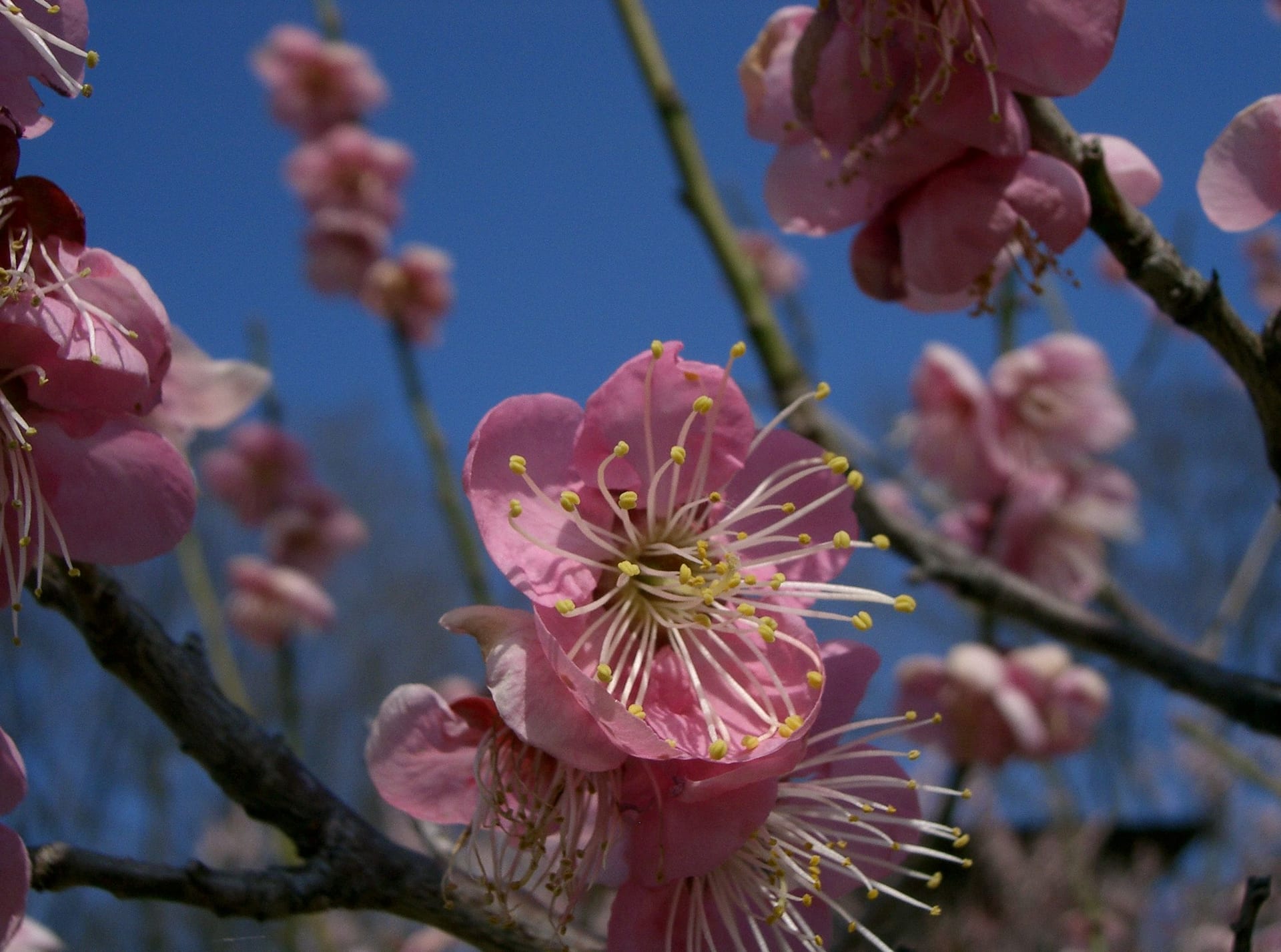
 © KENPEI / CC BY-SA 3.0
Michishirube Japanese apricot
Michishirube is a flowering Japanese apricot (ume) variety said to have once lined old highways, guiding travelers like a signpost. It bears large, single-petaled blossoms, described in different sources as either red or pale pink. What sets this variety apart is its exceptional vigor and trunk-thickening ability, a trait confirmed in research station trials. It suits growers who want to develop a bold, thick trunk, or who are drawn to the powerful silhouette associated with flowering ume bonsai. With its blooms and commanding presence, Michishirube offers a rewarding entry into the world of flowering plum bonsai.
View Michishirube Japanese apricot encyclopedia →0% commission on your first sales!Register by September 30, 2026 and your first 2 plants are commission-free!
Grower Wanted!
List your plants on GrowerDirect and sell directly to customers nationwide!
6 Transparency Commitments from GrowerDirect
Growers clearly display the following information for all Bonsai listings. Guaranteed transparency for tree variety, origin, light requirements, and difficulty level.
- Tree Variety
- Real Photos
- Color & Appearance
- Growing Region
- Light Requirements
- Difficulty Level
Browse all 144 varieties
Light Requirements
Difficulty Level
No listings match your filters
Adjust your filters, or get notified when new listings arrive.
Getting alerts is free with a member account. When new listings match your saved search, we'll notify you by email and in-app.
Browse other categories
Verified growers (preview)
Michishirube Japanese apricot key facts
- Growing Difficulty
- Intermediate
- Lifespan
- Ume is long-lived; some potted ume are said to be 400 years old
- Size
- Ume is a small deciduous tree of 3–10 m; as bonsai it is trained to suit the pot
- Watering
- Fertilizer (March–June after flowering and Sept–Nov; none in summer)
- Light & placement
- Needs plenty of sun from spring to set flower buds. Keep in a sunny, airy spot, with shade cloth in summer as leaves scorch easily
- Watering
- Naturally thirsty and dries fast while in leaf: 1–2 times daily in spring/autumn, 2–3 in summer, every 2–3 days in winter, soaking once the surface dries
- Temperature & overwintering
- Dormant in winter. Protect under the bench or in a cold frame so frozen soil and late frosts do not damage the roots
- Soil & repotting
- Mostly akadama with about 20% free-draining grit. Repot around February before budbreak, together with post-flowering pruning: every 1–2 years, 2–3 for old trees
- Fertilizer
- A heavy feeder: small regular feeds March–June after flowering, stop in summer while buds form, then feed well Sept–Nov. Use a phosphorus-rich flowering/fruiting fertilizer
- Pruning & styling
- Remove spent flowers at 50–70% bloom to save the tree's strength, and prune right after flowering. Buds form in July–August, so in May pinch new shoots on mature trees at 4–6 nodes
- Pests & cautions
- Watch for aphids, spider mites, scale, clearwing moth borers (oozing sap), powdery mildew and scab. Flowering ume are prone to bacterial canker, so avoid strong wind. Very vigorous with fast-extending shoots—pinch and prune regularly
About Michishirube Japanese apricot
Michishirube is a flowering ume variety with large single blooms in pale pink to red, prized for its strong vigor and fast trunk thickening—ideal for bold-trunked bonsai.
7 things to know before growing Michishirube Japanese apricot
1Sunlight and Placement
Michishirube thrives in a sunny, well-ventilated outdoor spot, as strong light supports healthy flowering. Insufficient sun can lead to sparse blooms or leggy growth. In the height of summer, shielding the tree from harsh afternoon sun helps reduce stress.
2Watering Basics
Water thoroughly once the soil surface has dried, then let it dry again before the next watering. Since Michishirube can lose flower buds if it dries out severely during bud formation, extra attention is needed in summer. At the same time, constantly soggy soil can harm the roots, so aim for a clear rhythm between wet and dry.
3Soil Selection
A well-balanced mix that drains well while retaining some moisture suits this variety. A standard bonsai soil blend based on akadama, mixed with leaf mold as needed, works well. Avoid mixes that stay overly wet, as this can lead to root rot.
4Repotting Timing
Because of its vigorous growth and strong root development, this variety tends to fill its pot with roots relatively quickly. Repotting roughly every one to two years during dormancy is a good general guide. Leaving the roots pot-bound too long can worsen drainage and affect growth and flowering.
5Pinching and Pruning
Because the trunk thickens quickly, the branches also extend readily, making post-bloom pinching and pruning essential to keep the silhouette in shape. Left unchecked, vigorous growth can quickly throw the form off balance, so regular attention is needed to build good structure. This ongoing shaping work is part of why the variety is considered better suited to growers with some experience.
6Enjoying the Bloom Season
Michishirube is described as an early bloomer with large, single-petaled flowers, recorded as red in some sources and pale pink in others. Watching the buds swell and open is one of the pleasures of the season.
7Choosing a Good Specimen
Since this variety is known for good trunk development, choosing a young specimen that already shows some solidity in the trunk makes future shaping easier to plan. It also helps to check the balance of branching and the spread at the base of the trunk.
Frequently asked questions about Michishirube Japanese apricot
- Q.What kind of flowers does Michishirube produce?
- A.It produces large, single-petaled blossoms. Sources differ on the color, with some describing them as red and others as pale pink.
- Q.Is Michishirube suitable for beginners
- A.It is generally considered better suited to intermediate growers. Its strong vigor and vigorous branch growth mean ongoing pinching and pruning are needed to maintain the shape.
- Q.How large does it grow?
- A.As bonsai it is trained in proportion to the size of its pot. Michishirube is very vigorous and its branches grow quickly, so regular pinching and pruning are needed to keep it in check.
- Q.When should it be repotted
- A.As a general guide, repot during dormancy roughly once every one to two years. Because of its vigorous root growth, it helps to watch for signs of the roots becoming pot-bound.
- Q.What is the origin of the name Michishirube
- A.The name is said to come from a tradition of these trees being planted along old highways, where they served as a landmark or "signpost" for travelers. The name reflects the variety's long history as a flowering ume.
Handy Growing Tools for Michishirube Japanese apricot
Learn more about Michishirube Japanese apricot in the encyclopedia
View Michishirube Japanese apricot encyclopedia entry →
Care difficulty, size, origin and light needs — all basics covered.
More in this category
Can't find the plant you're looking for?
Post your wishes for free and growers with matching plants will contact you with introductions.