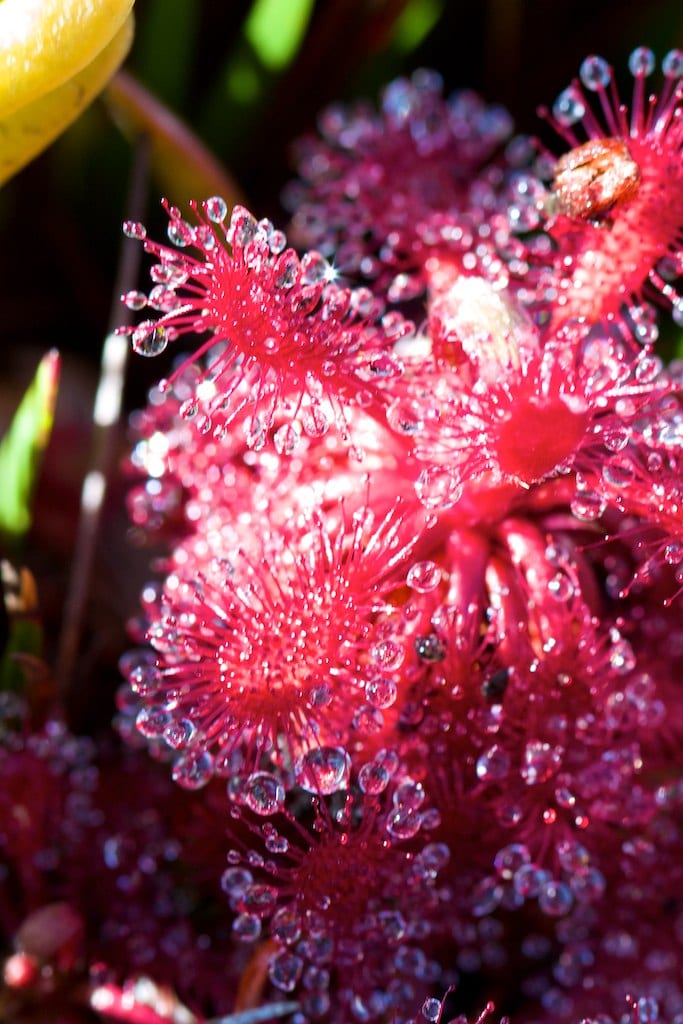
 © Paulo Fassina / CC BY-SA 2.0
Drosera roraimae
Drosera roraimae is a highland sundew from South America, and its type specimen was collected on Mount Roraima in the Guiana Highlands. Like other sundews, it catches small insects on sticky, gland-tipped leaves, and it keeps its old dead leaves on a short stem as new ones form. When it flowers, a glandular stalk carries roughly ten blooms. It is a perennial, but its cultivation difficulty is rated advanced, so it suits growers who can provide a cool, humid, highland-style setup. Reliable size data is limited, so the best approach is to learn the plant by watching how your own specimen grows.
View Drosera roraimae encyclopedia →0% commission on your first sales!Register by September 30, 2026 and your first 2 plants are commission-free!
Grower Wanted!
List your plants on GrowerDirect and sell directly to customers nationwide!
6 Transparency Commitments from GrowerDirect
Every Grower listing discloses variety, origin, light requirements, and difficulty level for Carnivorous Plants. Complete transparency, guaranteed.
- Variety Disclosed
- Real Photos
- Color Information
- Origin Disclosed
- Light Requirements
- Difficulty Level
Browse all 145 varieties
Light Requirements
Difficulty Level
No listings match your filters
Adjust your filters, or get notified when new listings arrive.
Getting alerts is free with a member account. When new listings match your saved search, we'll notify you by email and in-app.
Browse other categories
Are you growing carnivorous plants?
Register as a grower and connect with buyers directly.
Apply as a growerDrosera roraimae key facts
- Growing Difficulty
- Advanced
- Lifespan
- Perennial
- Size
- Few published measurements
- Watering
- No fertilizer (catches small insects)
- Temperature & Overwintering
- Its tepui habitat stays cool at roughly 7-23°C. In a Japanese summer it needs protection from heat, for example in an air-conditioned room.
- Light & Placement
- Likes bright light; growing under LED lights indoors is easiest.
- Watering
- From a very rainy habitat, it should never dry out; keep it moist on a tray of pure or rain water.
- Soil & Repotting
- Plant in pure sphagnum or a peat-sand mix without added fertilizer.
- Pests & Cautions
- Heat plus humidity invites mould; keep some air movement even in a humid enclosure.
About Drosera roraimae
Drosera roraimae is a highland sundew whose type specimen came from Mount Roraima in the Guiana Highlands. An advanced-level perennial; here are its traits, care essentials and common questions.
7 things to know before growing Drosera roraimae
1Placement and Light
As a highland species, it does best in a bright, airy spot where humidity stays steady. Sealing it in a stuffy space can lead to rot. Hot, muggy summers are hard on it, so decide in advance where you can keep it cool.
2Watering
It comes from a very rainy environment, so keep the growing medium constantly moist and never let it dry out. Standing the pot in a shallow tray of water works well. Use purified water or rainwater.
3Soil and Feeding
Choose a fertilizer-free medium that holds water yet still drains and breathes. Mostly sphagnum moss, sometimes blended with peat or perlite, is a common choice. Do not add fertilizer to the medium and let the plant rely on the insects it catches.
4Dead Leaves Are Normal
This species tends to keep its old leaves on the short stem as they die back. A ragged look is not always a sign of trouble, so avoid pulling them off by force. What you should check is whether mold has appeared and whether the center of the plant is still healthy.
5Repotting
To avoid damaging the roots and the short stem, repot only when it is truly needed. If the medium breaks down or stops draining well, move the plant carefully into fresh medium. Keep it out of harsh sun afterward and watch it until it settles.
6Seasonal Care
In summer, keep it cool with good airflow and avoid heat and stuffiness. In winter, keep it from freezing or suffering sudden cold snaps, while giving it light and keeping the medium from drying out. Watch how the plant responds each season and adjust its position accordingly.
7Choosing a Plant
Check that the center of the plant is undamaged, that the gland tips carry beads of sticky dew, and that the leaves are not shriveled from drought. Dead leaves left on the lower part are typical of this species, so do not treat them alone as a defect. You can also ask the seller about the conditions the plant was grown in.
Frequently asked questions about Drosera roraimae
- Q.Can a beginner grow it?
- A.Its cultivation difficulty is rated advanced. It needs care that matches a highland environment, so it suits people who already have experience with carnivorous plants. If this would be your first, it helps to ask the seller about its care before deciding.
- Q.Are the dead leaves left on the plant a problem?
- A.This species naturally keeps its dying leaves on a short stem, so they do not necessarily signal a problem. Do not pull them off by force. Just check that no mold is forming and that the center of the plant looks healthy.
- Q.How many flowers does it produce?
- A.It carries roughly ten flowers on a glandular flower stalk. The timing and how well it blooms depend on the plant's condition and growing environment.
- Q.Do I need to feed it insects or fertilizer?
- A.Its sticky leaves catch insects on their own, so feeding by hand is not always necessary. Avoid mixing fertilizer into the medium, and if you do feed it, keep the amount very small.
- Q.How big does it get?
- A.There is little reliable size data, so a firm figure cannot be given. It is a perennial that grows leaves on a short stem, and its appearance varies with the plant's condition and environment. If size matters to you, it is worth asking the seller.
Handy Growing Tools for Drosera roraimae
Learn more about Drosera roraimae in the encyclopedia
View Drosera roraimae encyclopedia entry →
Care difficulty, size, origin and light needs — all basics covered.
More in this category
Can't find the plant you're looking for?
Post your wishes for free and growers with matching plants will contact you with introductions.