 © 数理考高分 / CC BY-SA 4.0
Nepenthes Gaya
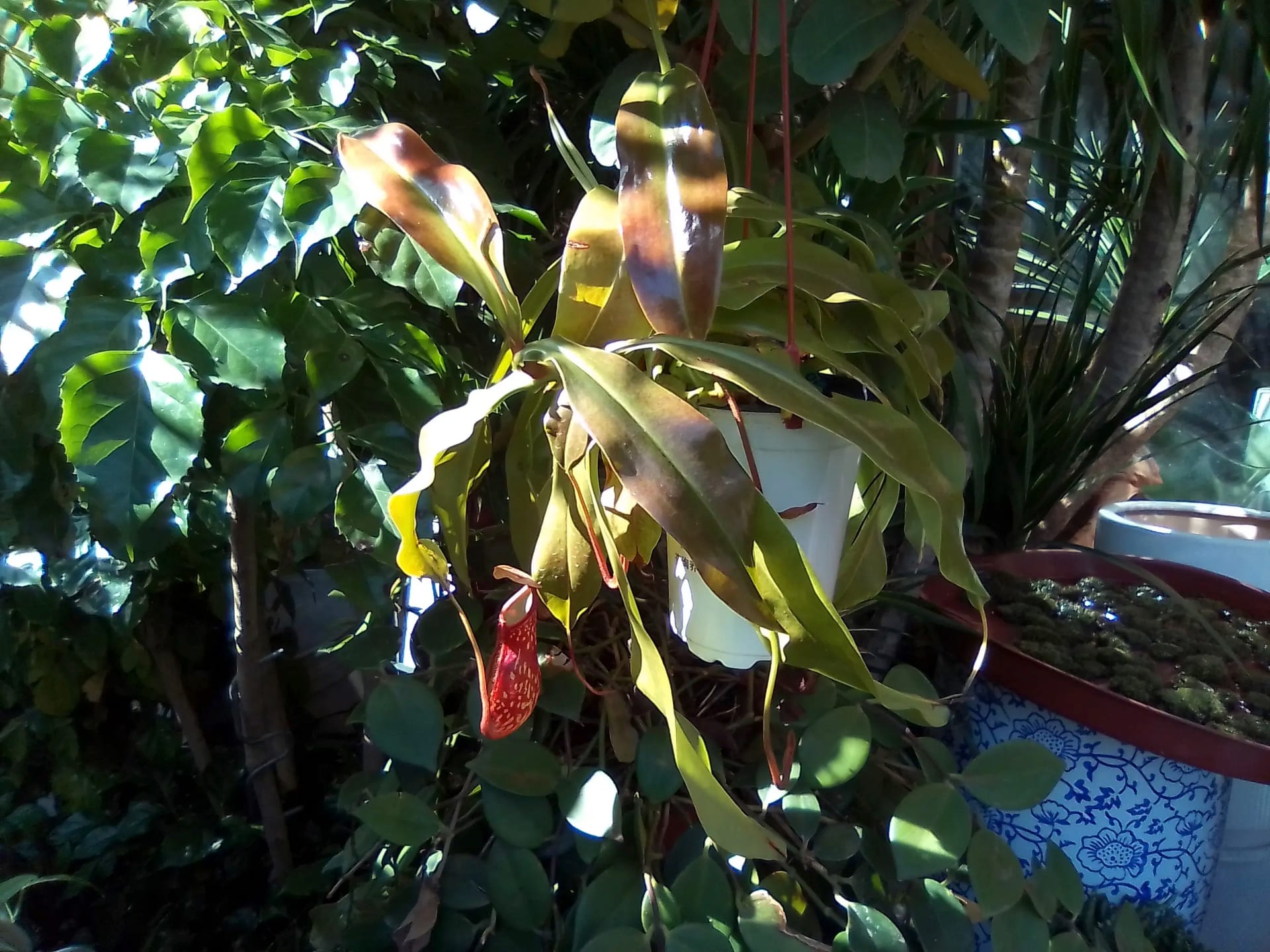
Nepenthes Gaya is a hybrid pitcher plant said to be a cross between N. khasiana and (N. ventricosa × N. maxima). Overseas, the same combination is sold as 'St. Gaya,' but whether it is the same plant as the Gaya sold in Japan hasn't been confirmed. It turns up in all kinds of places, from hanging pots at general retailers to specialist aquatic plant shops, making it one of the more approachable carnivorous plants to come across. Rated beginner-friendly, it grows as a perennial vine, sending out trailing stems as it matures. Watching it produce its distinctive pitcher traps to catch insects is part of the appeal, and it's a satisfying pick for anyone curious about growing carnivorous plants for the first time.
View Nepenthes Gaya encyclopedia →0% commission on your first sales!Register by September 30, 2026 and your first 2 plants are commission-free!
Grower Wanted!
List your plants on GrowerDirect and sell directly to customers nationwide!
6 Transparency Commitments from GrowerDirect
Every Grower listing discloses variety, origin, light requirements, and difficulty level for Carnivorous Plants. Complete transparency, guaranteed.
- Variety Disclosed
- Real Photos
- Color Information
- Origin Disclosed
- Light Requirements
- Difficulty Level
Browse all 145 varieties
Light Requirements
Difficulty Level
No listings match your filters
Adjust your filters, or get notified when new listings arrive.
Getting alerts is free with a member account. When new listings match your saved search, we'll notify you by email and in-app.
Browse other categories
Are you growing carnivorous plants?
Register as a grower and connect with buyers directly.
Apply as a growerNepenthes Gaya key facts
- Growing Difficulty
- Beginner-friendly
- Lifespan
- Perennial climber
- Size
- Few published measurements
- Watering
- Very dilute fertilizer at most (catches insects)
- Light & Placement
- Grow at a bright window; a little direct sun brings out the red spotting.
- Watering
- Use rain water or water low in dissolved minerals and water before the mix dries out. Do not leave the pot standing in water; a free-draining mix keeps the roots healthy.
- Temperature & Overwintering
- Its parents N. khasiana and N. ventricosa are highland species that like cooler nights; bring it into a warm room for winter.
- Soil & Repotting
- Plant in a free-draining, airy mix; pure sphagnum or orchid mix with sphagnum or perlite are common choices.
- Fertilizer
- If using chemical fertilizer, use it at very low strength; an occasional insect dropped into a pitcher is enough.
- Pests & Cautions
- Plants sold as variegated can scorch more easily; acclimatise them and avoid harsh direct sun.
About Nepenthes Gaya
Nepenthes Gaya, a hybrid pitcher plant crossing N. khasiana with (N. ventricosa × N. maxima), also known as 'St. Gaya' abroad. Sold widely from general retailers to aquatic plant specialists, this beginner-friendly perennial vine is easy to start growing.
7 things to know before growing Nepenthes Gaya
1Bright, Indirect Light
Nepenthes Gaya prefers bright, filtered light rather than harsh direct sun, similar to the light through a sheer curtain. A bright spot near a window works well indoors, while outdoors it benefits from some shade cloth. Direct summer sun can scorch the leaves, so keep that in mind.
2Balance Moisture Carefully
As a vine, it enjoys consistent moisture, but soil that stays waterlogged can lead to root rot. Water thoroughly once the surface starts to dry, and avoid swinging between bone-dry and soggy conditions. Keeping humidity up around the plant also helps it form pitchers.
3Use Fast-Draining Soil
Skip ordinary potting soil in favor of a mix with good drainage and airflow, such as sphagnum moss blended with perlite. Soil that's too rich in nutrients can stress the roots, so a dedicated carnivorous-plant mix is a safer choice.
4Repot in Warm Weather
Once roots fill the pot, move the plant into a slightly larger one during the warmer growing season. The roots are delicate, so handle the root ball gently and disturb it as little as possible when transferring it to fresh soil.
5Protect It Over Winter
This vine keeps growing year-round but doesn't tolerate cold well, so bring it indoors to a warm spot for winter. Avoid sudden temperature swings, and mist occasionally to keep humidity from dropping too low.
6Train the Vine as It Grows
Being a perennial vine, it sends out longer stems as it matures. You can train it up a trellis or let it trail from a hanging pot, adapting the style to whatever space you have.
7Check Leaves and Vine Condition
When choosing a plant, look for healthy leaf color and vine growth without discoloration or damage. A plant that has already formed pitchers is a good sign it has settled well into its growing conditions.
Frequently asked questions about Nepenthes Gaya
- Q.Is Nepenthes Gaya suitable for beginners?
- A.Yes, it's generally rated as beginner-friendly to grow. As long as you cover the basics of light, watering, and soil, it's approachable even if you've never grown a carnivorous plant before.
- Q.Is Nepenthes Gaya different from 'St. Gaya'?
- A.Overseas, the same parentage is sold under the name 'St. Gaya,' but no source confirms that it is the same plant as the Gaya sold in Japan. The name also doesn't appear in the International Carnivorous Plant Society (ICPS) cultivar register, and its breeder and year of origin are unclear.
- Q.How large does it grow?
- A.As a vining plant, its size changes as it matures, but detailed size data isn't widely available. How it looks depends a lot on growing conditions and how it's trained.
- Q.Why isn't my plant forming pitchers?
- A.Insufficient light or humidity is often behind a lack of pitcher formation. Try adjusting to a brighter spot with steadier humidity and see if that helps.
- Q.How long does Nepenthes Gaya typically live?
- A.Reference data describes it as a perennial vine, so with the right conditions it can be grown for many years rather than just a single season. That makes it rewarding to watch develop over time.
Handy Growing Tools for Nepenthes Gaya
Learn more about Nepenthes Gaya in the encyclopedia
View Nepenthes Gaya encyclopedia entry →
Care difficulty, size, origin and light needs — all basics covered.
More in this category
Can't find the plant you're looking for?
Post your wishes for free and growers with matching plants will contact you with introductions.