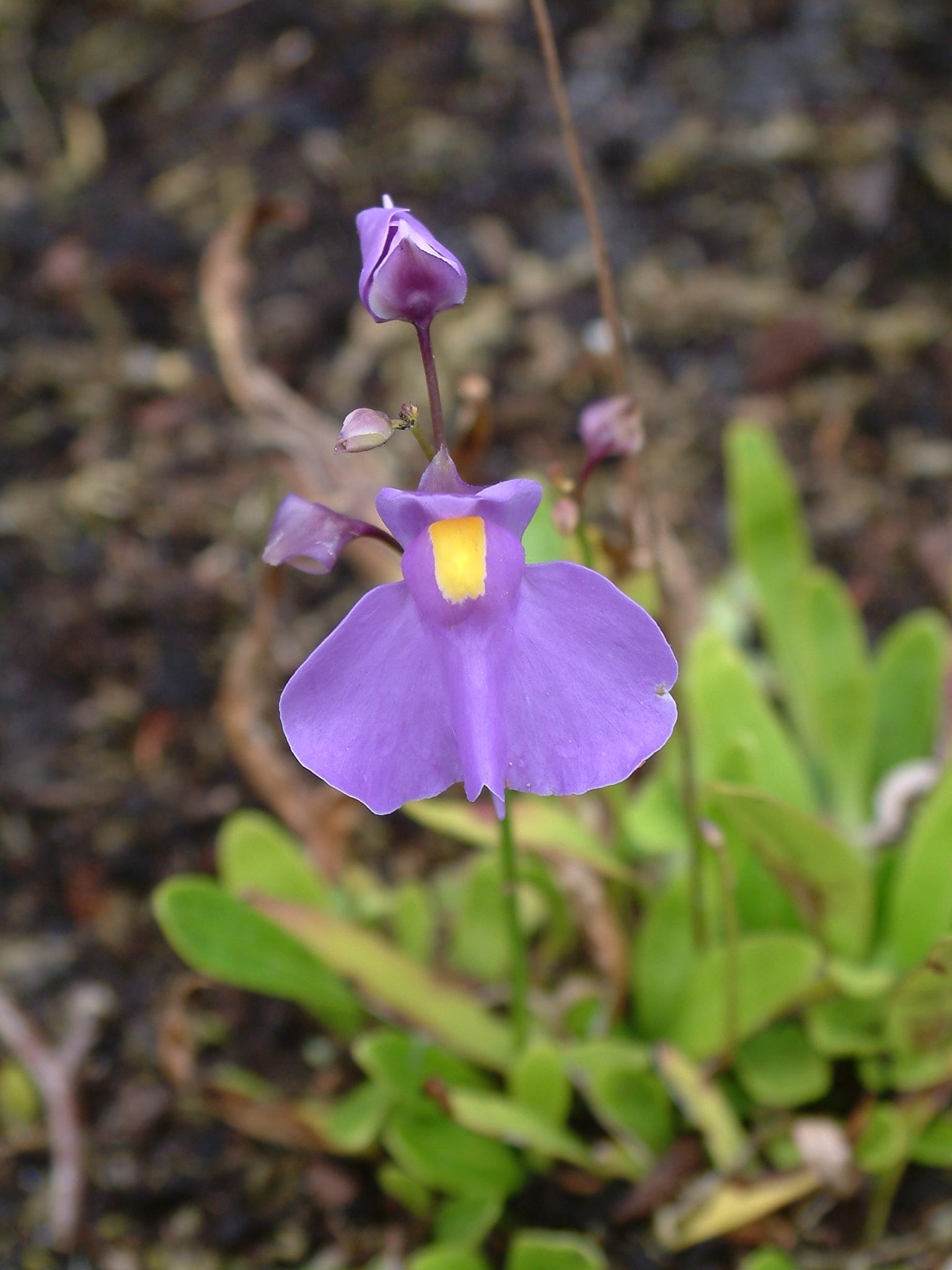
 © alexlomas / CC BY 2.0
Utricularia longifolia
Utricularia longifolia is a large bladderwort native to the rocky outcrops of Brazil's Atlantic coastal forests. It produces the longest, most slender leaves of any species in its genus, typically 10 to 20 cm in cultivation, though they can exceed a meter in the wild. Its biggest draw is the flower: surprisingly showy, orchid-like blooms that appear in succession, offsetting its modest, grass-like foliage. As a perennial and one of the easier tropical bladderworts to grow, it's a good choice for anyone curious about carnivorous plants for the first time.
View Utricularia longifolia encyclopedia →0% commission on your first sales!Register by September 30, 2026 and your first 2 plants are commission-free!
Grower Wanted!
List your plants on GrowerDirect and sell directly to customers nationwide!
6 Transparency Commitments from GrowerDirect
Every Grower listing discloses variety, origin, light requirements, and difficulty level for Carnivorous Plants. Complete transparency, guaranteed.
- Variety Disclosed
- Real Photos
- Color Information
- Origin Disclosed
- Light Requirements
- Difficulty Level
Browse all 145 varieties
Light Requirements
Difficulty Level
No listings match your filters
Adjust your filters, or get notified when new listings arrive.
Getting alerts is free with a member account. When new listings match your saved search, we'll notify you by email and in-app.
Browse other categories
Are you growing carnivorous plants?
Register as a grower and connect with buyers directly.
Apply as a growerUtricularia longifolia key facts
- Growing Difficulty
- Beginner-friendly
- Lifespan
- Perennial
- Size
- Leaves about 10-20 cm in cultivation (over 1 m in the wild at times)
- Watering
- No fertilizer (catches tiny organisms with underground bladders)
- Light & Placement
- Grow in a bright room, greenhouse or terrarium. It is usually grown as a terrestrial plant, but can also be grown epiphytically or semi-aquatic.
- Watering
- Keep the mix constantly moist; the pot can stand in a little water. Use rain water or other water low in dissolved minerals.
- Soil & Repotting
- Grows in pure sphagnum or a 1:1 peat and sand mix; it likes free drainage and is not fussy about the medium.
- Temperature & Overwintering
- A tropical species; keep it in a warm room in winter, away from the cold.
- Fertilizer
- Do not add fertilizer to the soil; too much fertilizer can kill it.
- Propagation
- Remove half the soil and plants from the pot and replant them in fresh mix to get two pots. Left alone for too long it declines, so renew it now and then.
About Utricularia longifolia
A large Brazilian bladderwort prized for its slender leaves and showy, orchid-like flowers. A beginner-friendly perennial among tropical Utricularia species, ideal for those new to carnivorous plants.
7 things to know before growing Utricularia longifolia
1Bright, Indirect Light
This species prefers bright, filtered light rather than harsh direct sun, echoing the shaded, humid rock faces of its native Atlantic forest habitat. Strong summer afternoon sun can scorch the leaves, so some shading is recommended during the hottest months.
2Watering via Tray Method
Like most carnivorous plants, it's typically grown with the pot standing in a shallow tray of water to keep the soil constantly moist, and the tray should never be allowed to run dry. If mineral buildup is a concern, rainwater or soft water is a safer choice than tap water.
3Soil: Sphagnum Moss Mix
A mix of live or dried sphagnum moss, or peat combined with a mineral aggregate, balances drainage with moisture retention. Avoid standard fertilized potting soil, as the added nutrients can damage the roots.
4Repot During Active Growth
Repot in spring to early summer, during the active growing season, once the substrate has broken down or the roots have filled the pot. Gently ease the plant free without damaging the fine roots, and settle it into fresh moss or mix.
5Overwinter Indoors, Warm
As a tropical species, keep it in a warm, bright spot indoors for winter and don't expose it to cold. Chilling can halt growth or damage the plant.
6Choosing a Healthy Plant
Look for a plant with vivid green, elongated leaves and several actively growing shoots. Avoid specimens with browning leaf tips or very few leaves, as these signs can indicate stress.
7Flowering Takes Maturity
The orchid-like flowers tend to appear once the plant is well established and growing in stable conditions. Consistent bright light, humidity, and tray watering are the surest path to seeing it bloom.
Frequently asked questions about Utricularia longifolia
- Q.Is this suitable for beginners?
- A.It's considered one of the easier tropical bladderworts to grow. That said, like most carnivorous plants, it still needs consistent tray watering and appropriate light.
- Q.Can it be grown outdoors?
- A.It can be kept outdoors in bright shade during summer, but it has low cold tolerance and needs to come indoors for winter. Ease it through seasonal transitions gradually to avoid stressing the plant.
- Q.Do I need to feed it insects?
- A.No, it naturally captures tiny aquatic organisms with its bladder traps, so manual feeding isn't necessary. In an outdoor tray-watering setup, microorganisms in the water supply it on their own.
- Q.Can I trim the leaves if they get too long?
- A.It's fine to remove dead or damaged leaves at the base. Cutting back healthy leaves significantly can stress the plant, so it's best to let it keep its natural form.
- Q.How large does it get?
- A.In cultivation, the leaves typically reach about 10 to 20 cm long. In the wild, on rocky outcrops, they can exceed a meter, but potted plants generally stay much more compact.
Handy Growing Tools for Utricularia longifolia
Learn more about Utricularia longifolia in the encyclopedia
View Utricularia longifolia encyclopedia entry →
Care difficulty, size, origin and light needs — all basics covered.
More in this category
Can't find the plant you're looking for?
Post your wishes for free and growers with matching plants will contact you with introductions.