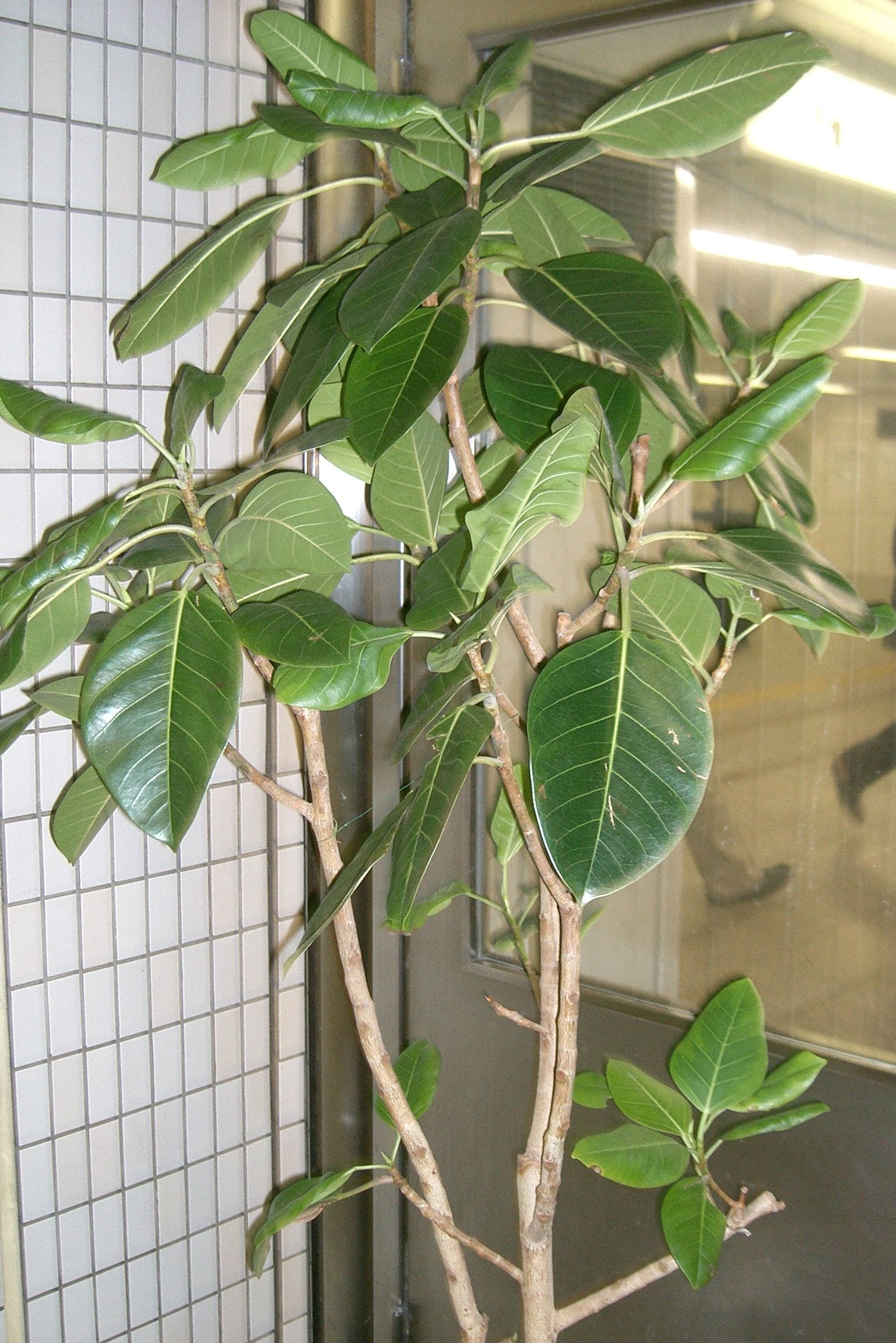
 © KENPEI / CC BY-SA 3.0
Council Tree
Ficus altissima is a striking foliage plant prized for its thick, glossy leaves. In the wild, it grows as a towering tree in Southeast Asian forests, climbing and wrapping around other trees, but as a houseplant it can be kept to a manageable size through regular pruning. The variegated 'Yellow Gem' cultivar, with its bold yellow and lime patterning, is especially popular and brings a lush, tropical presence to any room. Being evergreen and long-lived, and easy to care for, it's a great choice even for those new to houseplants.
View Council Tree encyclopedia →0% commission on your first sales!Register by September 30, 2026 and your first 2 plants are commission-free!
Grower Wanted!
List your plants on GrowerDirect and sell directly to customers nationwide!
6 Transparency Commitments from GrowerDirect
Every Grower selling Foliage Plants provides complete transparency: variety, origin, light requirements, and care difficulty.
- Variety Information
- Real Photos
- True Colors
- Origin Information
- Light Requirements
- Care Difficulty
Browse all 139 varieties
Light Requirements
Care Difficulty
No listings match your filters
Adjust your filters, or get notified when new listings arrive.
Getting alerts is free with a member account. When new listings match your saved search, we'll notify you by email and in-app.
Browse other categories
Verified growers (preview)
Are you growing foliage plants?
Register as a grower and connect with buyers directly.
Apply as a growerCouncil Tree key facts
- Growing Difficulty
- Beginner-friendly
- Lifespan
- Evergreen tree (long-lived)
- Size
- Up to 30 m in the wild; potted plants are kept in size by pruning
- Watering
- Slow-release fertiliser in the growing season
- Light & Placement
- Grow in bright indoor light. Variegated plants scorch if suddenly exposed to strong sun, so acclimatise them gradually.
- Watering
- Water thoroughly once the surface dries; water less in winter.
- Temperature & Overwintering
- A tropical to subtropical tree that dislikes cold. Keep it in a warm room in winter, away from cold windows.
- Soil & Repotting
- Use a free-draining houseplant mix and repot in warm weather when root-bound.
- Propagation
- Like other figs, it can be propagated by cuttings or air layering.
- Pests & Cautions
- Watch for spider mites, scale and mealybugs. Figs exude a milky latex containing ficin and furanocoumarins that can irritate skin, especially in sunlight, and upset the stomachs of dogs and cats. Wear gloves when pruning and keep it away from pets.
About Council Tree
Ficus altissima is a glossy, thick-leaved foliage plant known for the variegated 'Yellow Gem' cultivar. Easy to grow and adjustable in size through pruning, it suits beginners well.
7 things to know before growing Council Tree
1A Bright Spot Behind Sheer Curtains
Ficus altissima thrives in bright light, so placing it near a window filtered by a sheer curtain helps keep its leaves vivid and glossy. Sudden exposure to strong direct sun can scorch the leaves, so acclimate it gradually if moving it outdoors or into direct summer sun.
2Water Thoroughly When Soil Dries
Water generously until it drains from the pot's base once the soil surface feels dry. The plant dislikes soggy conditions, so always empty any water left in the saucer. In winter, growth slows, so let the soil dry out a bit more between waterings.
3A Well-Draining Houseplant Mix
A standard well-draining, well-aerated houseplant potting mix works well. Adding a layer of pumice or similar drainage material at the bottom of the pot helps prevent root rot from excess moisture.
4Repot Every One to Two Years
As a vigorous grower, its roots can quickly fill the pot, so repotting every one or two years is recommended. Choosing a time when temperatures have stabilized and the plant is entering active growth minimizes stress.
5Keep It Warm Indoors in Winter
Being evergreen, it keeps its leaves year-round, but it isn't very cold-hardy, so bring it indoors somewhere the temperature won't drop too low in winter. Avoid placing it directly in the path of air conditioning, which can dry out and damage the leaves.
6Check Variegation and Leaf Thickness
When choosing a variegated plant such as 'Yellow Gem,' look for well-balanced yellow and lime patterning along with thick, glossy leaves as signs of a healthy specimen. It's also worth checking that the lower leaves haven't dropped excessively.
7Prune to Maintain Your Preferred Size
In the wild it can grow into a tree up to 30 meters tall, but as a potted plant its size can be controlled through pruning. Cutting back branches that have grown long during the active season helps maintain both shape and your desired size.
Frequently asked questions about Council Tree
- Q.How large does it grow?
- A.In its native habitat it can reach up to 30 meters as a tree, but as a houseplant its size can be managed through regular pruning. Cutting back long branches keeps it at a size that's easy to maintain indoors.
- Q.Is this plant suitable for beginners?
- A.Yes, it's generally considered an easy, beginner-friendly plant as long as you follow basic watering and placement guidelines. Its sturdy nature makes it a good choice for first-time houseplant owners.
- Q.What makes the 'Yellow Gem' variety special?
- A.'Yellow Gem' is one of the best-known cultivars of Ficus altissima, featuring thick, glossy leaves marked with striking yellow and lime-green variegation. Its colorful foliage gives it a distinctive, eye-catching look.
- Q.How often does it need repotting?
- A.Because it grows vigorously, its roots tend to fill the pot quickly, so repotting roughly every one to two years is recommended. Doing this during the active growing season puts less stress on the plant.
- Q.What should I watch for in winter care?
- A.Although evergreen, it isn't very cold-tolerant, so keep it indoors somewhere the temperature doesn't drop too low in winter. Avoid spots with direct airflow from air conditioning, as this can dry out the leaves.
Handy Growing Tools for Council Tree
Learn more about Council Tree in the encyclopedia
View Council Tree encyclopedia entry →
Care difficulty, size, origin and light needs — all basics covered.
More in this category
Can't find the plant you're looking for?
Post your wishes for free and growers with matching plants will contact you with introductions.