 © Honymand / Public domain
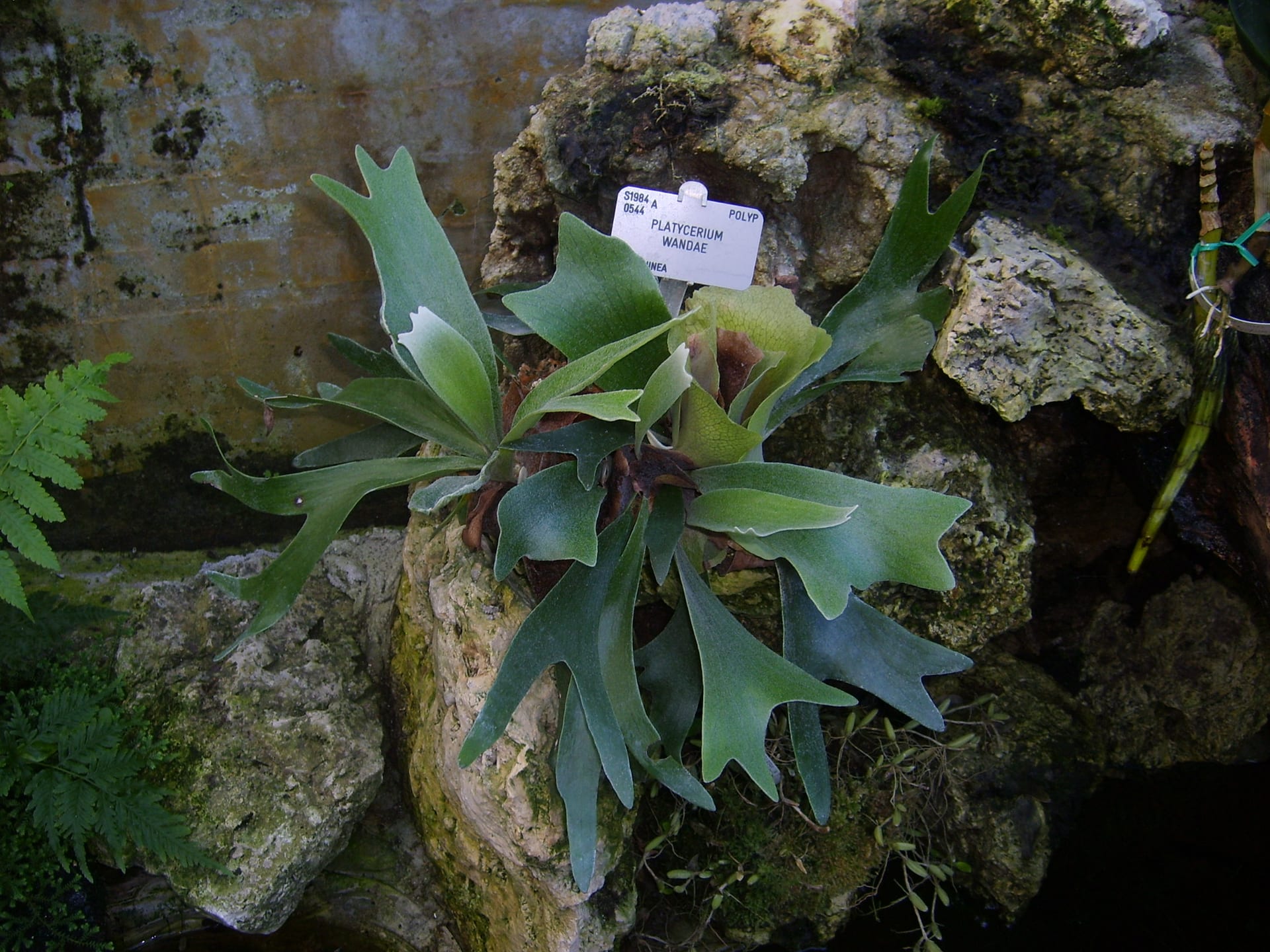
Queen Staghorn Fern (Platycerium wandae)
Platycerium wandae, the Queen Staghorn Fern, is an epiphytic fern from New Guinea and is regarded as one of the largest species in the genus. Its upright shield fronds form a basket-like shape with lobes along the top edge, and a frilly, ruffled margin develops around the growing point. It is said to grow about 30 percent larger than Platycerium superbum, though few primary sources give measured sizes. Rated for experienced growers, this perennial rewards patient care with a dramatic, sculptural presence as it matures.
View Queen Staghorn Fern (Platycerium wandae) encyclopedia →0% commission on your first sales!Register by September 30, 2026 and your first 2 plants are commission-free!
Grower Wanted!
List your plants on GrowerDirect and sell directly to customers nationwide!
6 Transparency Commitments from GrowerDirect
Every Grower selling Foliage Plants provides complete transparency: variety, origin, light requirements, and care difficulty.
- Variety Information
- Real Photos
- True Colors
- Origin Information
- Light Requirements
- Care Difficulty
Browse all 139 varieties
Light Requirements
Care Difficulty
No listings match your filters
Adjust your filters, or get notified when new listings arrive.
Getting alerts is free with a member account. When new listings match your saved search, we'll notify you by email and in-app.
Browse other categories
Verified growers (preview)
Are you growing foliage plants?
Register as a grower and connect with buyers directly.
Apply as a growerQueen Staghorn Fern (Platycerium wandae) key facts
- Growing Difficulty
- Advanced
- Lifespan
- Perennial (epiphytic fern)
- Size
- Considered the largest in the genus, about 30% larger than P. superbum; few primary measurements exist
- Watering
- Little data on feeding; in the wild, leaf litter trapped by the shield fronds decomposes to supply nutrients
- Light & Placement
- Bright filtered shade; avoid strong direct sun.
- Watering
- Water the crown regularly, letting the roots dry slightly between waterings but never completely. Soak mounted plants or water the base thoroughly.
- Temperature & Overwintering
- Likes warmth and dislikes cold. It tolerates brief cool spells but is reported to be damaged below about 4°C. In winter keep it in a greenhouse or warm room with high humidity.
- Soil & Repotting
- Mount on a board or tree-fern slab with sphagnum moss, or pot in an orchid mix or sphagnum. The shield fronds grow over the base to cover the roots, so never peel them off.
- Propagation
- It produces no pups and cannot be divided; propagation is from spores.
- Pests & Cautions
- It grows very large, so use a sturdy board and fixings that can carry the weight. Watch for spider mites, aphids and mealybugs. The white star-shaped hairs on the fronds protect the plant, so do not rub them off.
About Queen Staghorn Fern (Platycerium wandae)
Queen Staghorn Fern (Platycerium wandae) is a large epiphytic fern from New Guinea with frilly margins. Care basics and buying tips for experienced growers.
7 things to know before growing Queen Staghorn Fern (Platycerium wandae)
1Plan for a Very Large Plant
This is among the largest species in the genus and is said to grow about 30 percent larger than Platycerium superbum. Few primary sources give measured sizes, so expect some variation depending on growing conditions. Leave generous room on a wall or hanging space for the plant to fill out over the years.
2Bright Shade and Airflow
Strong direct sun can scorch the fronds, so a bright, lightly shaded spot such as behind a sheer curtain suits it best. It comes from New Guinea and likes humid air, but stagnant conditions invite rot, so keep air moving around the plant. Indoors, a bright window plus a gentle fan or circulator works well.
3Water by Dryness
As a rule, water once the sphagnum moss around the roots has dried on the surface. Soak the whole mount or water thoroughly, then let the excess drain away. Constant wetness can damage the roots, so avoid keeping the plant soggy.
4Mount It, Don't Pot It
Because it is an epiphyte, it is normally grown on a board or cork slab with sphagnum moss, or in an airy hanging basket, rather than in ordinary potting soil. Good drainage and airflow are what keep the roots healthy. Handle the roots and growing point gently when attaching the plant, since the shield fronds cover the root zone.
5Repot in Warm Weather
When the moss has broken down or the plant has outgrown its board or basket, it is time to remount it. Choose a warm growing season, and loosen the old moss gently so the growing point and shield fronds are not damaged. Keep the plant out of harsh sun for a while afterward so it can settle.
6Keep It Warm and Humid in Winter
Native to New Guinea, this fern loves warmth and dislikes cold. It can handle brief cool spells, but it is said to suffer damage below about 4 degrees Celsius, so keep it in a greenhouse or a warm room over winter with high humidity. The moss dries slowly in cool weather, so water less often and keep the plant away from cold drafts and direct blasts of heating.
7What to Check When Buying
Check that the growing point at the center is undamaged and that neither the shield fronds nor the fertile fronds show black patches or mushy areas. A plant that is firmly established on its board or moss tends to settle more easily after a move. Ask the grower about the temperature and light it has been raised in, and compare that with your own space.
Frequently asked questions about Queen Staghorn Fern (Platycerium wandae)
- Q.Can a beginner grow it?
- A.It is rated for experienced growers, since temperature and moisture need careful handling. Gaining experience with a hardier staghorn fern first is a sensible route. Before bringing one home, make sure you can offer winter warmth and good airflow.
- Q.How big does it get?
- A.It is regarded as one of the largest in the genus and is said to grow about 30 percent larger than Platycerium superbum. Few primary sources give measured sizes, so we cannot state a specific figure. Plan generous space on a wall or in a hanging spot.
- Q.Can I leave it outdoors in winter?
- A.Generally not. It dislikes cold and is said to suffer damage below about 4 degrees Celsius, so bring it into a greenhouse or a warm room for winter and keep the humidity high. Avoid cold drafts and direct heater airflow.
- Q.Old shield fronds turned brown. Should I cut them?
- A.Shield fronds naturally turn brown and papery as they age, and they keep covering and shielding the roots while holding moisture. Unless the tissue is diseased or rotting, leave them in place rather than pulling them off. If they turn mushy or show other signs of damage, judge by their condition.
- Q.Can I grow it indoors by a window?
- A.Yes, if you can provide enough light and airflow, though weak light can leave the plant struggling. Place it in a bright spot behind a sheer curtain and keep the air moving with a fan or circulator. If light is short, a plant grow light is another option.
Handy Growing Tools for Queen Staghorn Fern (Platycerium wandae)
Learn more about Queen Staghorn Fern (Platycerium wandae) in the encyclopedia
View Queen Staghorn Fern (Platycerium wandae) encyclopedia entry →
Care difficulty, size, origin and light needs — all basics covered.
More in this category
Can't find the plant you're looking for?
Post your wishes for free and growers with matching plants will contact you with introductions.