 © Alpsdake / CC BY-SA 4.0
Tall stewartia
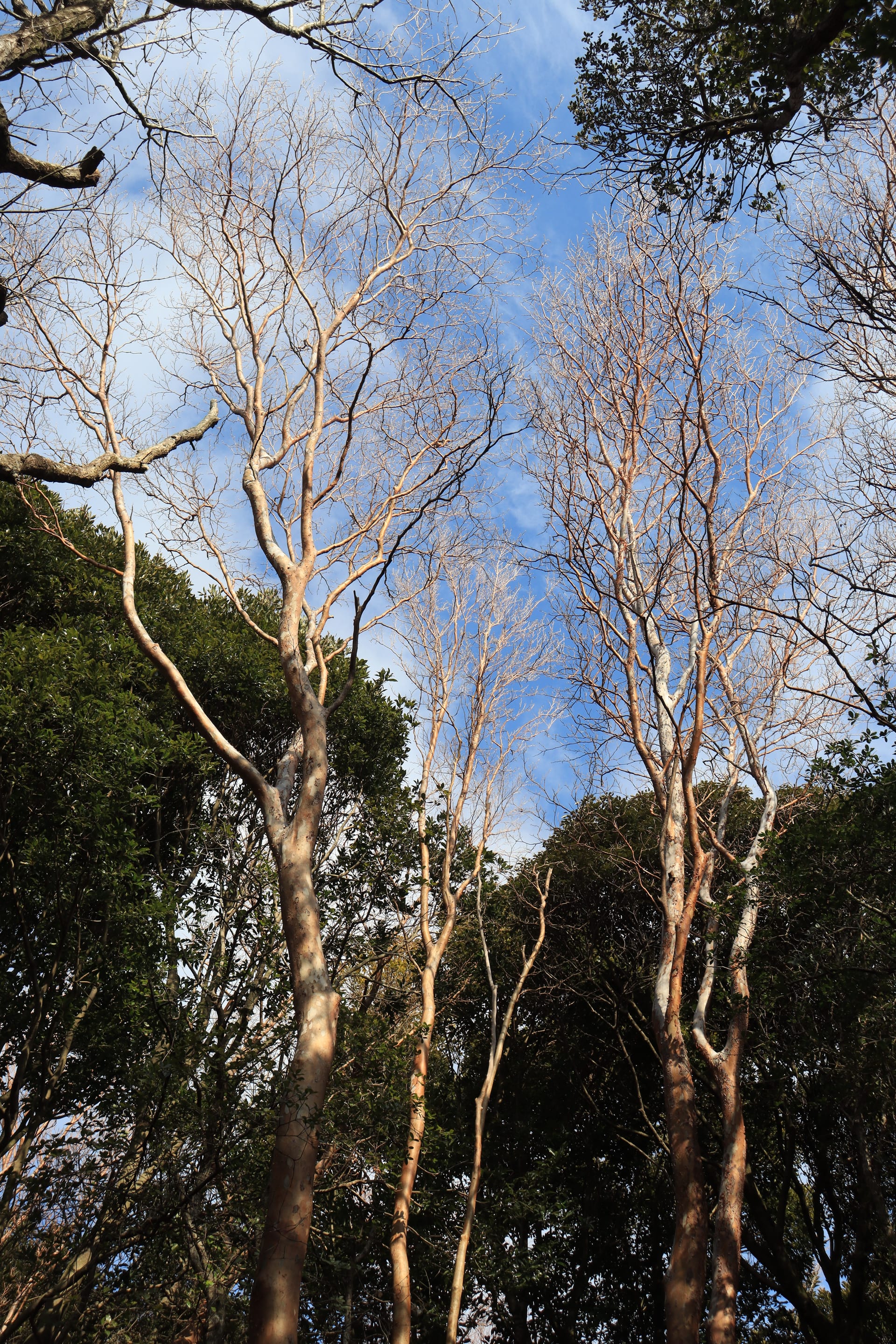
Tall stewartia is a deciduous tree in the tea family, prized in bonsai for its smooth, reddish-brown bark, one of Japan's three great barks. Even in winter, once the leaves have fallen, the trunk remains a quiet centerpiece. In early summer it produces small white flowers, about 1.5 to 2 cm across, that nod modestly downward, and in autumn its foliage turns a warm red. Both its flowers and leaves are smaller than those of the related Japanese stewartia (natsu-tsubaki), giving it a more compact, refined presence that suits bonsai training well. With bark, blossom, and autumn color each taking their turn through the seasons, it is a tree that rewards year-round attention. It calls for some intermediate-level know-how, but that effort pays off in a tree with real character.
View Tall stewartia encyclopedia →0% commission on your first sales!Register by September 30, 2026 and your first 2 plants are commission-free!
Grower Wanted!
List your plants on GrowerDirect and sell directly to customers nationwide!
6 Transparency Commitments from GrowerDirect
Growers clearly display the following information for all Bonsai listings. Guaranteed transparency for tree variety, origin, light requirements, and difficulty level.
- Tree Variety
- Real Photos
- Color & Appearance
- Growing Region
- Light Requirements
- Difficulty Level
Browse all 144 varieties
Light Requirements
Difficulty Level
No listings match your filters
Adjust your filters, or get notified when new listings arrive.
Getting alerts is free with a member account. When new listings match your saved search, we'll notify you by email and in-app.
Browse other categories
Verified growers (preview)
Tall stewartia key facts
- Growing Difficulty
- Intermediate
- Lifespan
- Little data on lifespan
- Size
- 7–15 m tall (kept small in bonsai pots)
- Watering
- Fertilizer (moderately in the growing season)
- Light & placement
- Likes sun but dislikes strong summer and western sun, scorching when dry. Give part shade or shade cloth in summer; fairly shade-tolerant for a flowering tree
- Watering
- Shallow roots dry out quickly. A tree of moist mountain soils—never let it dry out, especially in summer
- Temperature & overwintering
- Prefers milder areas; its natural northern limit is Hakone (USDA zones 6b–8b). Fairly heat-tolerant
- Soil & repotting
- Needs fertile, moist yet well-drained soil and sulks in the wrong mix. Dislikes being moved and may die back from the tips after repotting
- Pruning & styling
- Flowers form on the current year's shoots, so avoid pruning in spring to early summer. Hard cuts spoil the shape
- Pests & cautions
- Like camellias it can host tea tussock moth caterpillars—check leaf undersides for eggs in April–May. It is native—buy nursery-grown plants, not wild-dug ones
About Tall stewartia
Tall stewartia is a deciduous bonsai tree known for its smooth reddish-brown bark, small white summer flowers, and red autumn foliage. It suits growers with some intermediate experience.
7 things to know before growing Tall stewartia
1Sunny Spot, Shaded in Summer
Tall stewartia thrives in a bright spot with good air circulation. Strong summer afternoon sun, especially western exposure, can scorch the leaves, so moving it to partial shade during the hottest months helps keep the foliage healthy. An open outdoor spot lets you enjoy its seasonal changes best.
2Do Not Let It Dry Out
This tree is somewhat sensitive to drought, so water thoroughly once the soil surface dries out. It needs the most attention from spring through summer when its leaves are full, so check it morning and evening during that stretch. In winter, once it is dormant and leafless, you can ease off on watering.
3Use Fast-Draining Soil
Tall stewartia dislikes soggy roots, so a fast-draining mix built around akadama is a good base. Since it also appreciates organic matter, blending in a little leaf mold encourages healthy root growth. Make sure the pot drains well so the soil never stays waterlogged.
4Repot Only When Needed
Tall stewartia does not transplant well, and branch tips can die back after repotting. It also struggles in soil that does not suit it, so repot only when necessary, such as when the tree is root-bound, and handle it gently without breaking up the root ball or stripping away much of the old soil.
5Follow the Seasonal Rhythm
From spring through autumn, give it plenty of outdoor light while shielding it from harsh summer sun and dryness. After the autumn color show it drops its leaves naturally, and exposing it to winter cold during dormancy actually supports next year's flowering. Even bare in winter, the trunk remains worth looking at.
6Train Around the Bark
The tree's biggest draw is its smooth, reddish-brown bark, so many growers thin out lower and crowded branches to let the trunk take center stage. Do any heavy pruning during dormancy, and seal larger cuts to keep the bark looking its best.
7What to Look for in a Tree
When choosing a young or already-trained specimen, start by checking the color and smoothness of the bark. A tree with evenly spaced branches and a solid overall structure will be easier to shape going forward. Since it is typically kept small to suit its pot, consider the balance between the tree and its container too.
Frequently asked questions about Tall stewartia
- Q.Is tall stewartia suitable for beginners?
- A.Tall stewartia is generally considered a tree for growers with some intermediate experience, since it can be a bit particular about light and moisture. Learning its placement and watering needs takes some practice, and that experience builds over time as you grow it.
- Q.When does it flower, and what do the flowers look like?
- A.It blooms in early summer, producing small white flowers about 1.5 to 2 cm across that face downward. Its flowers are noticeably smaller than those of the closely related Japanese stewartia (natsu-tsubaki), giving it a more understated look.
- Q.How do I keep the bark looking its best?
- A.Since the smooth, reddish-brown bark is the tree's signature feature, training that thins lower and crowded branches to expose the trunk works well. Sealing any large pruning cuts also helps keep the bark looking clean.
- Q.Can it be trained to a compact bonsai size?
- A.In the ground, tall stewartia can reach 7 to 15 meters, but as bonsai it is shaped and kept much smaller to suit the pot. Because it dislikes transplanting and branch tips can die back after repotting, repot only when necessary and rely on pruning to maintain a compact form.
- Q.How is it different from Japanese stewartia (natsu-tsubaki)?
- A.Both are closely related deciduous trees in the tea family, but tall stewartia has smaller flowers and leaves than natsu-tsubaki. Both are valued for beautiful bark, and tall stewartia is counted among Japan's three great barks.
Handy Growing Tools for Tall stewartia
Learn more about Tall stewartia in the encyclopedia
View Tall stewartia encyclopedia entry →
Care difficulty, size, origin and light needs — all basics covered.
More in this category
Can't find the plant you're looking for?
Post your wishes for free and growers with matching plants will contact you with introductions.