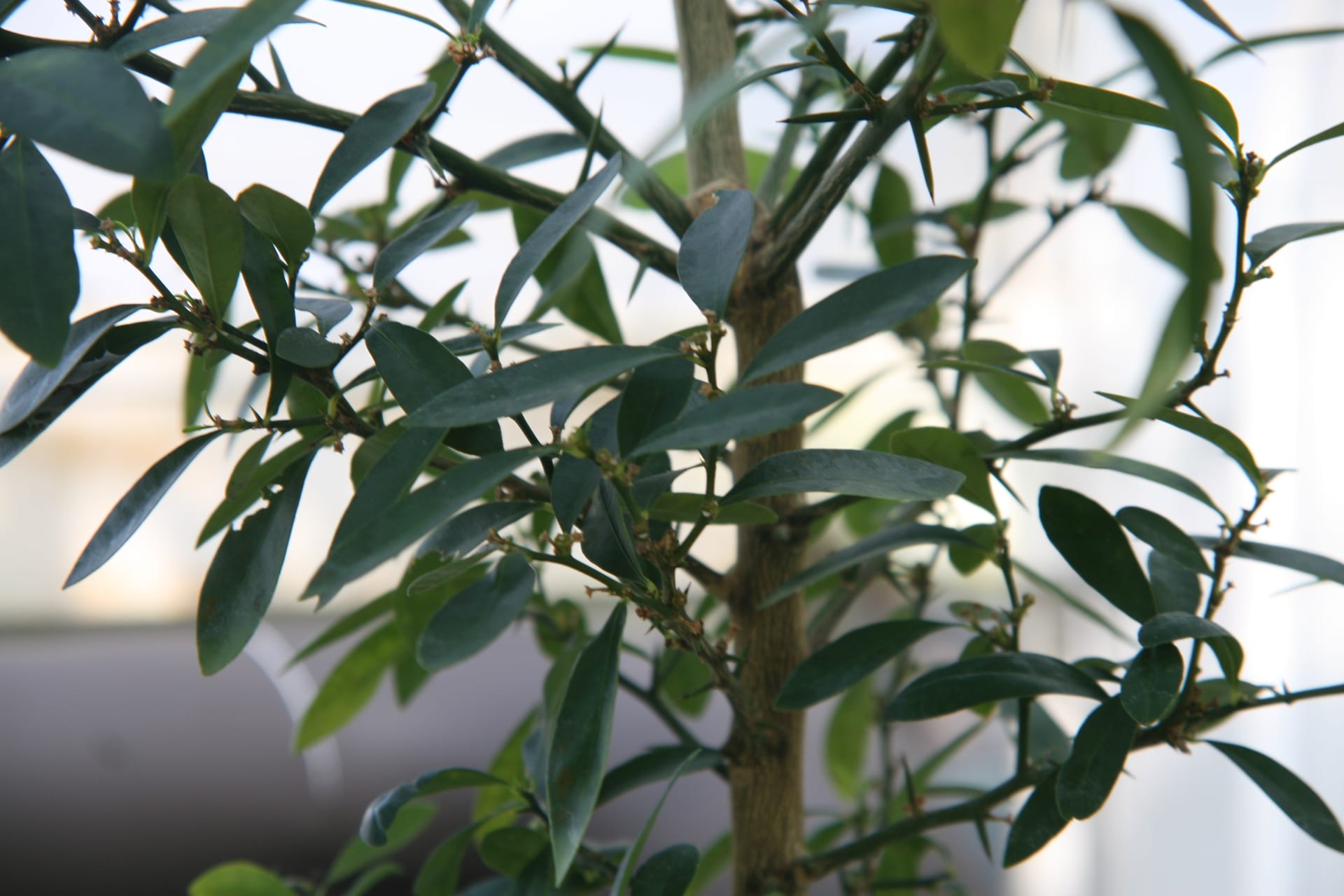
 © David J. Stang / CC BY-SA 4.0
Hong Kong kumquat
The Hong Kong kumquat is a compact citrus relative native to southern China, including Hong Kong. Its branches fill with tiny orange fruit, each about a centimeter across, giving the tree a charming, miniature-orange-tree look through the winter months. The fruit has very little flesh and isn't meant for eating, but the sight of a small evergreen shrub loaded with color makes it a favorite among fruiting bonsai. It's usually trained into mini to small bonsai sizes, keeping a compact, well-balanced shape in the pot. Because it calls for some grounding in basic bonsai care, it's generally considered better suited to intermediate growers, yet its reliable fruiting and playful silhouette make it a cheerful addition to any winter bonsai collection.
View Hong Kong kumquat encyclopedia →0% commission on your first sales!Register by September 30, 2026 and your first 2 plants are commission-free!
Grower Wanted!
List your plants on GrowerDirect and sell directly to customers nationwide!
6 Transparency Commitments from GrowerDirect
Growers clearly display the following information for all Bonsai listings. Guaranteed transparency for tree variety, origin, light requirements, and difficulty level.
- Tree Variety
- Real Photos
- Color & Appearance
- Growing Region
- Light Requirements
- Difficulty Level
Browse all 144 varieties
Light Requirements
Difficulty Level
No listings match your filters
Adjust your filters, or get notified when new listings arrive.
Getting alerts is free with a member account. When new listings match your saved search, we'll notify you by email and in-app.
Browse other categories
Verified growers (preview)
Hong Kong kumquat key facts
- Growing Difficulty
- Intermediate
- Lifespan
- Little data on lifespan
- Size
- Small evergreen shrub (bonsai: mini to shohin)
- Watering
- Fertilizer (continuously May–October, except the rainy season)
- Light & placement
- Loves sun: spring to autumn in a bright, airy spot. Move under cover during long rainy spells
- Watering
- Very thirsty—even brief drying weakens it. 1–2 times daily in spring, 3–4 in summer, once in winter, watering while still slightly moist
- Temperature & overwintering
- Tender and warmth-loving. It can winter under eaves if kept from frost and drying wind; protect small plants early, as late protection delays spring growth
- Soil & repotting
- Needs free-draining soil. It dislikes disturbance—repot in May–June once warm, without heavy root pruning
- Fertilizer
- Hungry feeder; leaves yellow when underfed. Feed steadily May–October except the rainy season, including during flowering and fruiting
- Pruning & styling
- Pinch mid-May to mid-September; do major pruning and wiring in warm months (late May–September). Remove fruit after display; even mature trees are best fruited every other year
- Pests & cautions
- Around the rainy season diseases such as scab and canker appear—keep it out of the rain. Watch for swallowtail caterpillars and leaf miners
About Hong Kong kumquat
A compact kumquat relative native to southern China, including Hong Kong, whose branches fill each winter with small orange fruit for a miniature-orange-tree look. An intermediate-level evergreen shrub typically trained as a mini to small bonsai.
7 things to know before growing Hong Kong kumquat
1Light and Airflow
Hong Kong kumquat likes plenty of light, so it's best kept outdoors in a sunny spot. Poor airflow around crowded pots invites pests and disease, so give each tree some breathing room. Strong afternoon summer sun can scorch the leaves, so consider shading or repositioning it during the hottest months.
2Never Let It Dry Out
Hong Kong kumquat loves water and weakens after even a brief dry spell. Water again while the soil is still slightly moist; as a guide, that means once or twice a day in spring, three to four times a day in summer, and once a day in winter. Running dry while fruit is forming can cause fruit drop, so be especially careful then.
3Well-Draining Soil
Hong Kong kumquat prefers soil that drains well and lets air reach the roots. A commercial bonsai soil mix, or one based mainly on akadama, is easy to manage. Since compacted, poorly draining soil can hold back root growth, refreshing it every few years through repotting matters too.
4Repot Once It Warms Up
Hong Kong kumquat is a warm-climate tree that dislikes being transplanted, so repot in May or June once the weather has warmed, and avoid cutting back the roots too much. Leaving it root-bound for too long can affect growth and fruiting, so check the root ball every few years. After repotting, keep the tree out of direct sun for a while until the roots settle back in.
5Flowering and Fruiting
Hong Kong kumquat produces small white flowers from early to midsummer, and fruit develops afterward. How carefully you manage watering and feeding during this fruit-development stage has a direct effect on how well the fruit sets. By winter, the branches fill with bright orange fruit, which is when the tree looks its best.
6Winter Care
Winter, when the fruit looks its best, calls for attention to both cold and dryness. It can be grown outdoors, but in colder areas it helps to move it somewhere sheltered from frost and harsh wind, such as under eaves. Misting the leaves during dry spells also helps keep humidity up.
7Choosing a Good Tree
When choosing a Hong Kong kumquat, look for glossy, healthy-colored leaves and a well-balanced branch structure, since these are easier to care for going forward. If you're choosing one during fruiting season, it's also worth checking how evenly the fruit is set and colored. As a small evergreen shrub, it also comes in a range of mini to small bonsai forms to suit your taste.
Frequently asked questions about Hong Kong kumquat
- Q.Can you eat the fruit of a Hong Kong kumquat?
- A.The flesh is thin and quite sour or bitter, so it isn't really suited for eating fresh. It's mainly grown and enjoyed as an ornamental fruiting bonsai, admired for its colorful fruit rather than eaten.
- Q.Is this a good choice for beginners?
- A.Hong Kong kumquat is generally considered better suited to intermediate growers, since it calls for some understanding of watering, soil, and seasonal care. It's a good next step for someone building on basic bonsai experience.
- Q.When is the fruit at its best?
- A.White flowers bloom from early to midsummer, and the fruit develops afterward. By winter it turns bright orange and covers the branches, which is the best time to enjoy it.
- Q.Should it be kept outdoors or indoors?
- A.Hong Kong kumquat likes plenty of light, so it's generally best kept outdoors. In areas with harsh winter cold, moving it somewhere sheltered from frost and wind, such as under eaves, helps it get through the season.
- Q.How large does it grow?
- A.Hong Kong kumquat is a small evergreen shrub, and as bonsai it's most often trained into mini to small sizes. You can enjoy its compact, well-proportioned shape right in the pot.
Handy Growing Tools for Hong Kong kumquat
Learn more about Hong Kong kumquat in the encyclopedia
View Hong Kong kumquat encyclopedia entry →
Care difficulty, size, origin and light needs — all basics covered.
More in this category
Can't find the plant you're looking for?
Post your wishes for free and growers with matching plants will contact you with introductions.