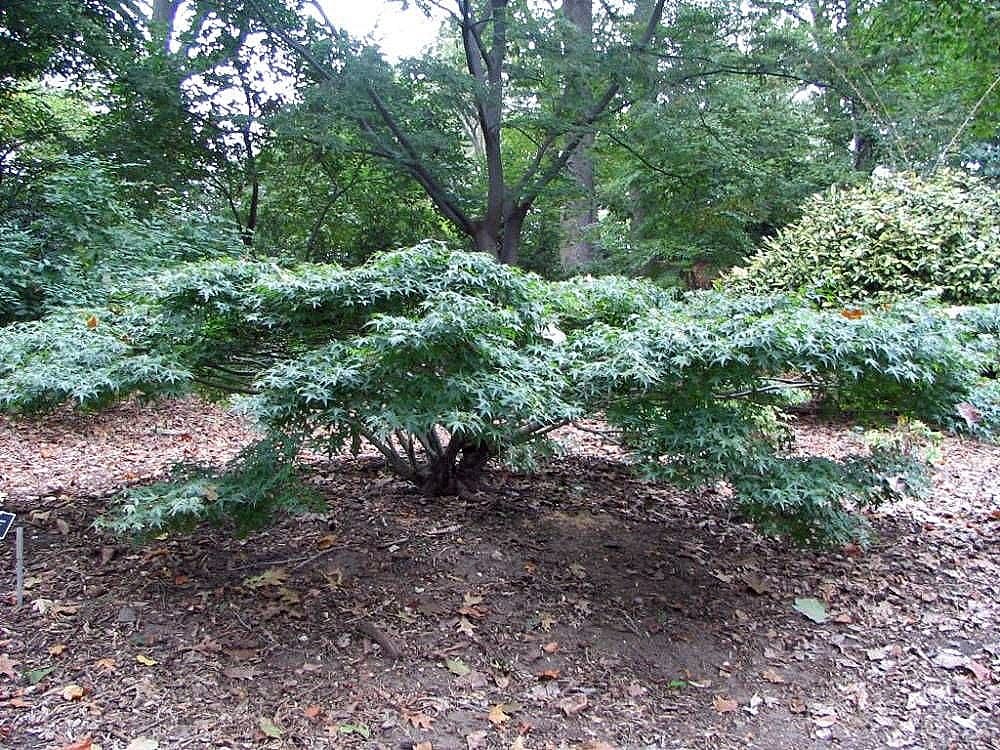
 © David J. Stang / CC BY-SA 4.0
Kiyohime Japanese maple
Kiyohime is a dwarf Japanese maple prized for its small leaves and the beauty of its new spring growth. The young foliage emerges with a soft reddish-purple edge, settles into calm green through summer, and turns shades of yellow, orange, and red in autumn. Because it spreads wider than it grows tall and branches densely, Kiyohime is a favorite choice for compact maple bonsai. It suits growers with some prior experience, rewarding attentive care with a changing display of color through the seasons.
View Kiyohime Japanese maple encyclopedia →0% commission on your first sales!Register by September 30, 2026 and your first 2 plants are commission-free!
Grower Wanted!
List your plants on GrowerDirect and sell directly to customers nationwide!
6 Transparency Commitments from GrowerDirect
Growers clearly display the following information for all Bonsai listings. Guaranteed transparency for tree variety, origin, light requirements, and difficulty level.
- Tree Variety
- Real Photos
- Color & Appearance
- Growing Region
- Light Requirements
- Difficulty Level
Browse all 144 varieties
Light Requirements
Difficulty Level
No listings match your filters
Adjust your filters, or get notified when new listings arrive.
Getting alerts is free with a member account. When new listings match your saved search, we'll notify you by email and in-app.
Browse other categories
Verified growers (preview)
Kiyohime Japanese maple key facts
- Growing Difficulty
- Intermediate
- Lifespan
- Little data for the cultivar
- Size
- Dwarf, 60–90 cm tall and about twice as wide
- Watering
- Fertilizer (spring and autumn, sparingly)
- Light & placement
- Sun and good airflow; it dislikes afternoon sun, so shade 50–70% from the end of the rainy season to early September to prevent scorch
- Watering
- Dries fast once in leaf: about twice daily in spring, 2–3 in summer, every 1–2 days in winter, aiming at the soil. Summer drought spoils autumn colour
- Temperature & overwintering
- Cold-hardy (USDA zones 6–9) and fairly heat-tolerant. After leaf fall let it see a few frosts, then shelter from drying wind and late frost
- Soil & repotting
- Free-draining mix; repot around March before budbreak, every 2–3 years (1–2 for mini), pruning roots to encourage fine feeders
- Fertilizer
- Organic fertilizer in mid-April once leaves harden, a top-up in May; autumn feeding from mid-August, finishing in September to aid colour
- Pruning & styling
- Branching is dense—pinch the central bud mid-March to mid-April to fork shoots. Thin crowded leaves in mid-June to let in light and air; prune around leaf fall
- Pests & cautions
- Aphids on new shoots and powdery mildew from the rainy season. The thin leaves are easily damaged by sprays—follow label rates
About Kiyohime Japanese maple
Kiyohime is a dwarf Japanese maple with small leaves and striking spring growth, its foliage shifting from reddish-purple to green to autumn yellow, orange, and red — a favorite for compact maple bonsai.
7 things to know before growing Kiyohime Japanese maple
1Placement and Light
Kiyohime has relatively thin leaves that can scorch under strong, prolonged afternoon sun in midsummer. A spot with good morning light and light shade in the afternoon works well, or you can soften harsh sun with a shade cloth during the hottest weeks. Good air circulation also helps keep the dense branching from staying damp.
2Watering Basics
Because Kiyohime is dwarf-sized with a compact root mass, the basic rule is to water thoroughly once the soil surface has dried. In the heat of summer it dries out quickly, so watering twice a day, morning and evening, helps prevent the leaves from wilting. In winter the soil dries more slowly, so check it carefully before watering to avoid overdoing it.
3Well-Draining Soil
Japanese maples like consistent moisture but dislike waterlogged roots, so a bonsai soil mix based on akadama with some kiryu sand offers a good balance of drainage and water retention. Continuing to use a poorly draining mix can lead to root rot, so it's worth checking that the pot itself drains well too.
4Repotting Timing
As a dwarf cultivar, Kiyohime's roots tend to fill the pot fairly quickly, so repotting roughly every two to three years is typical. Early spring, just before the buds begin to move, is the best window — removing old soil and tidying the roots at this time helps keep subsequent growth and autumn color reliable.
5Getting Good Autumn Color
How vivid the autumn color turns out depends on seasonal conditions like daylight hours and the day-to-night temperature swing. If the foliage is left too dense, light struggles to reach the inner branches, so thinning out crowded growth during summer to keep air and light moving through the tree helps bring out better color.
6Choosing a Plant
When choosing a plant, look at whether the branching is reasonably dense and the leaf size is even — this gives a good sense of how well it expresses Kiyohime's characteristic form. It's also worth checking the trunk and branches for damage or awkward bends, and making sure the base feels stable rather than loose in the pot.
7Pruning and Pinching
Because Kiyohime branches so densely, pinching back overly long new shoots from spring into early summer encourages further branching and helps maintain the delicate, twiggy form typical of small maple bonsai. Pruning of thicker branches is best done during the leafless dormant season, which limits sap loss from the cut.
Frequently asked questions about Kiyohime Japanese maple
- Q.Can beginners grow Kiyohime?
- A.Kiyohime is generally considered suited to growers with some experience, since watering and light need a bit of attention. It's manageable for anyone who has grown Japanese maples before, and also a reasonable next step for those looking to build up their experience.
- Q.Why doesn't the autumn color turn out well?
- A.Autumn color quality depends on seasonal factors such as daylight hours and temperature swings. Dense, overcrowded growth that blocks light from reaching the inner branches can also be a factor, so thinning it out during summer tends to make the color more reliable.
- Q.How often does Kiyohime need repotting?
- A.As a dwarf cultivar, its roots fill the pot fairly quickly, so repotting about every two to three years is a good guideline. Early spring, before the buds start moving, is the best time to tidy the roots and keep growth stable afterward.
- Q.How large does Kiyohime grow?
- A.It typically reaches about 60 to 90 cm in height, with a spread roughly twice that width, making it a genuinely dwarf cultivar. Because it grows wider than it grows tall, it's well suited to being trained in a compact pot.
- Q.How is Kiyohime different from other maple cultivars?
- A.Kiyohime stands out for its small leaves and beautiful spring flush, along with dense branching and a habit of spreading wider than it grows tall. These traits make it easy to train into a compact form, which is why it's a long-time favorite for small maple bonsai.
Handy Growing Tools for Kiyohime Japanese maple
Learn more about Kiyohime Japanese maple in the encyclopedia
View Kiyohime Japanese maple encyclopedia entry →
Care difficulty, size, origin and light needs — all basics covered.
More in this category
Can't find the plant you're looking for?
Post your wishes for free and growers with matching plants will contact you with introductions.