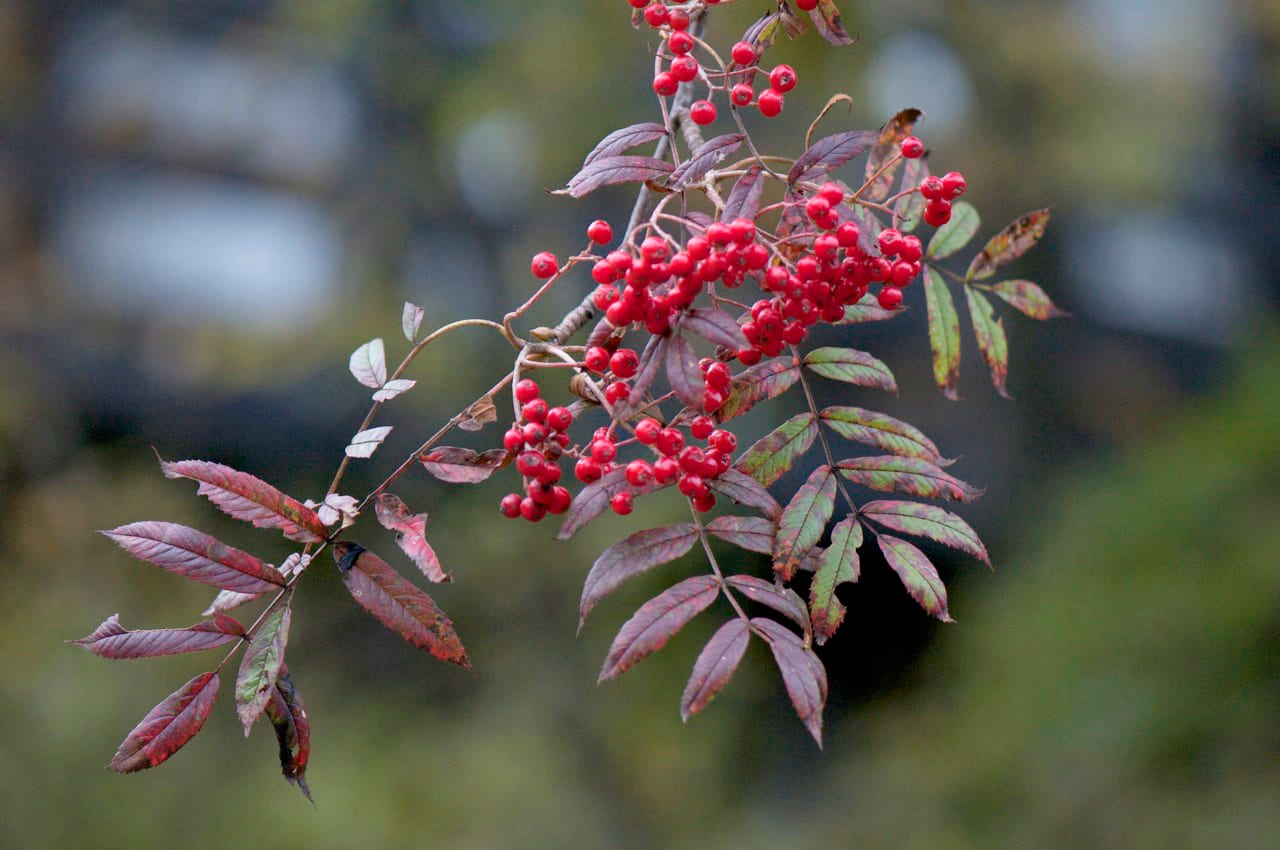
 © Koichi Oda / CC BY 2.0
Japanese rowan
The Japanese rowan is a deciduous tree in the rose family that has long been valued as a bonsai subject. Its finely divided, feather-like leaves turn a brilliant red in autumn, and clusters of red berries often remain on the bare branches well after the leaves have fallen, adding color through the winter months. In early summer, small white flowers open in flat, umbrella-like clusters, giving the tree a distinct look in every season. It naturally prefers cool climates, and keeping it thriving long-term in warm lowland areas can be difficult. Growth is slow, which suits growers who enjoy shaping a tree gradually over time, though its care is generally considered better suited to those with some prior bonsai experience.
View Japanese rowan encyclopedia →0% commission on your first sales!Register by September 30, 2026 and your first 2 plants are commission-free!
Grower Wanted!
List your plants on GrowerDirect and sell directly to customers nationwide!
6 Transparency Commitments from GrowerDirect
Growers clearly display the following information for all Bonsai listings. Guaranteed transparency for tree variety, origin, light requirements, and difficulty level.
- Tree Variety
- Real Photos
- Color & Appearance
- Growing Region
- Light Requirements
- Difficulty Level
Browse all 144 varieties
Light Requirements
Difficulty Level
No listings match your filters
Adjust your filters, or get notified when new listings arrive.
Getting alerts is free with a member account. When new listings match your saved search, we'll notify you by email and in-app.
Browse other categories
Verified growers (preview)
Japanese rowan key facts
- Growing Difficulty
- Intermediate
- Lifespan
- Slow-growing; little data on lifespan
- Size
- 5–10 m tall
- Watering
- Fertilizer (organic solid feed in Jan–Feb; do not overfeed)
- Light & placement
- Sunny, airy position—too little light means no flowers and weaker resistance. Prefers cool conditions
- Watering
- Dislikes drought: once daily in spring/autumn, twice in midsummer, every 3 days in winter, soaking when the surface dries. Avoid summer drought
- Temperature & overwintering
- Very cold-hardy, thriving even in Hokkaido lowlands; in warm regions summer heat weakens it and long-term growing is difficult
- Fertilizer
- Organic solid fertilizer in January–February. Overfeeding weakens the tree
- Pruning & styling
- Prune after leaf fall, November–March, to open it up. It dislikes pruning, and hard cuts spoil the shape
- Pests & cautions
- Watch for powdery mildew, aphids and, in warm areas, longhorn beetle borers. It is native—buy nursery-grown plants, not wild-dug ones
About Japanese rowan
Japanese rowan bonsai known for vivid autumn foliage and red berries that linger into winter. It also blooms white flowers in early summer, grows slowly, and prefers cool climates, making it best suited to growers with some experience.
7 things to know before growing Japanese rowan
1Choose a cool, airy spot
Japanese rowan prefers a cool climate, so choose a spot with good light and airflow while avoiding harsh midday sun and stagnant summer heat. In warm lowland regions, summer heat can be a particular strain on the tree.
2Water before it dries out
Japanese rowan doesn't tolerate drying out well, so water thoroughly once the soil surface dries and avoid letting it go dry. Check the soil often during the growing season and warmer months, when it dries out faster.
3Use well-draining soil
Because it dislikes both waterlogging and drying out, choose a soil mix that balances good drainage with adequate water retention. A standard bonsai soil blend, adjusted to your local conditions, works well as a base.
4Repot during dormancy
Repotting is generally done during the dormant season after the leaves have fallen. Work carefully to avoid excessive root damage, and let the tree recover afterward in a spot sheltered from direct sun and strong wind.
5Seasonal care for color and berries
The autumn foliage and the red berries that remain on the bare branches afterward are the main seasonal highlights of Japanese rowan. To enjoy the berries longer, keep the tree somewhere sheltered from birds and heavy wind or rain.
6Expect slow, gradual growth
Growth is slow, so shaping the tree's form is a long-term project measured in years rather than months. Approach it with patience, refining the shape gradually rather than expecting quick changes.
7Check branches and health when choosing a tree
When choosing a tree, check that the branches aren't dying back and that the leaves and trunk show no signs of pests or disease. A tree that has already shown its autumn color or berries can make it easier to picture how its shape will develop.
Frequently asked questions about Japanese rowan
- Q.Can beginners grow a Japanese rowan bonsai?
- A.Japanese rowan is generally considered a tree for intermediate growers, since it prefers cool conditions and needs a bit of care know-how. Those with some prior bonsai or garden tree experience will find it more approachable, but first-timers should research its care needs beforehand.
- Q.Can it be grown in warmer regions?
- A.Japanese rowan prefers cool climates, and in warm lowland areas it can be difficult to keep the tree in good condition over the long term. If you're growing it somewhere warm, extra attention to placement and seasonal care is needed.
- Q.When can I enjoy the autumn color and berries?
- A.The leaves turn a vivid red in autumn, and clusters of red berries remain on the branches even after the leaves fall. Since the berries linger for a while after leaf drop, they can be enjoyed alongside the tree's bare winter silhouette.
- Q.How often should I repot a Japanese rowan bonsai?
- A.As a general guideline, repotting every few years during the dormant season, based on the condition of the roots, works well. Since the tree grows slowly, root-bound conditions also develop gradually, but it's still worth checking the pot's contents periodically.
- Q.The listing says it grows 5-10m tall. Is that right for a bonsai?
- A.That figure refers to the tree's natural height in the wild; as a bonsai, it's kept much smaller through container culture. Repeated pruning and repotting let growers condense the appeal of its natural form into a compact scale.
Handy Growing Tools for Japanese rowan
Learn more about Japanese rowan in the encyclopedia
View Japanese rowan encyclopedia entry →
Care difficulty, size, origin and light needs — all basics covered.
More in this category
Can't find the plant you're looking for?
Post your wishes for free and growers with matching plants will contact you with introductions.