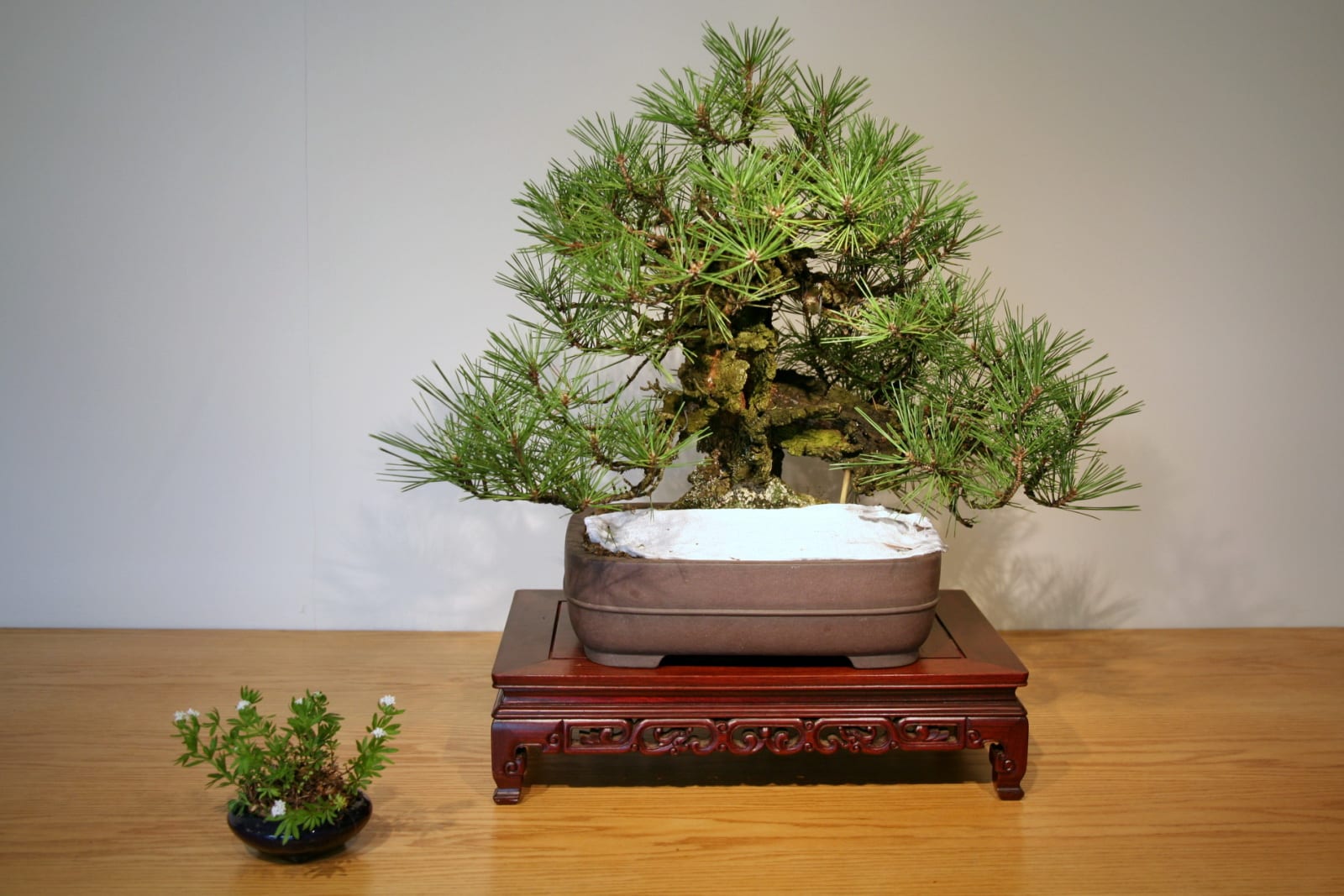
 © Cliff from Arlington, Virginia, USA / CC BY 2.0
Nishiki-matsu (cork-bark Japanese black pine)
Nishiki-matsu is a cork-bark variety of Japanese black pine discovered along the Seto Inland Sea coast in Takamatsu, Kagawa Prefecture. Its bark thickens into deep, rugged cork-like fissures as the tree matures, giving even young specimens the weathered look of an ancient tree that has withstood decades of wind and snow. This striking contrast between bold pine branching and craggy bark makes it a favorite among bonsai enthusiasts who enjoy watching the texture evolve over the years. Cultivation calls for some intermediate-level experience, making it a rewarding long-term companion tree.
View Nishiki-matsu (cork-bark Japanese black pine) encyclopedia →0% commission on your first sales!Register by September 30, 2026 and your first 2 plants are commission-free!
Grower Wanted!
List your plants on GrowerDirect and sell directly to customers nationwide!
6 Transparency Commitments from GrowerDirect
Growers clearly display the following information for all Bonsai listings. Guaranteed transparency for tree variety, origin, light requirements, and difficulty level.
- Tree Variety
- Real Photos
- Color & Appearance
- Growing Region
- Light Requirements
- Difficulty Level
Browse all 144 varieties
Light Requirements
Difficulty Level
No listings match your filters
Adjust your filters, or get notified when new listings arrive.
Getting alerts is free with a member account. When new listings match your saved search, we'll notify you by email and in-app.
Browse other categories
Verified growers (preview)
Nishiki-matsu (cork-bark Japanese black pine) key facts
- Growing Difficulty
- Intermediate
- Lifespan
- Long-lived; bonsai said to be 100 years old exist
- Size
- Usually kept under 3 m in cultivation (bonsai: shohin to medium)
- Watering
- Fertilizer (April–November, except the rainy season and midsummer)
- Light & placement
- Outdoors in sun and airflow all year—at least 4–5 hours of sun—turning the pot occasionally
- Watering
- Likes more water than black pine: 1–2 times daily in spring, 2–3 in summer, every 2–3 days in winter. An evening mist in midsummer also deters mites
- Temperature & overwintering
- Tolerates heat and cold (black pine: USDA zones 5–8). Protect small or weak plants in winter; branches break under snow
- Soil & repotting
- Small akadama with 20–30% Kiryu grit. Repot young trees every 2–3 years, finished trees every 3–4
- Fertilizer
- Solid organic fertilizer monthly April–November, except the rainy season and midsummer
- Pruning & styling
- Hard candle pinching weakens it; shorten needles with pinching, summer bud-cutting (July) and needle thinning. Wire lightly in dormancy
- Pests & cautions
- Generally resistant, but weak trees get spider mites and needle cast. Old needles catch in the bark—remove them regularly
About Nishiki-matsu (cork-bark Japanese black pine)
Nishiki-matsu is a cork-bark black pine variety discovered on Japan's Seto Inland Sea coast, known for its thick, deeply fissured bark that gives even young trees an aged, weathered look. Recommended for intermediate-level bonsai growers.
7 things to know before growing Nishiki-matsu (cork-bark Japanese black pine)
1Give It Full Sun
As a black pine relative, nishiki-matsu should be kept outdoors year-round in a spot with plenty of sun and good air circulation. Insufficient light can cause leggy growth and slow the development of its signature corky bark. Just shield it from harsh summer west sun and direct winter frost.
2Thirstier Than Black Pine
Although nishiki-matsu behaves much like black pine, it likes somewhat more water. Water thoroughly once the soil surface dries; as a guide, that is once or twice a day in spring, two to three times a day in summer, and once every two to three days in winter. Misting the foliage on midsummer evenings also helps prevent spider mites.
3Well-Drained Soil Mix
A fast-draining, well-aerated mix built around akadama with hard granular additions like kiryu or hyuga soil suits this variety well. Commercial "pine and conifer" bonsai soil blends are a convenient option. Avoid mixes that retain too much moisture, as they can harm root health.
4Repot in Early Spring
Black pines are generally repotted in early spring, before new buds begin to swell. Because roots can become congested over time, repotting every few years is a reasonable guideline, adjusted to the tree's condition. After repotting, keep it out of direct sun while it recovers.
5Seasonal Pinching and Care
Like other black pines, nishiki-matsu benefits from seasonal techniques such as pinching new spring shoots ("candles") to refine shape and needle size. The exact timing and method depend on the tree's stage of training, so general black pine bonsai care guides are a useful reference. It tolerates cold well, though potted trees still need protection from extreme freezing.
6Choose by Bark Character
The defining appeal of nishiki-matsu is its corky bark, so when selecting a tree, look closely at how developed and textured the fissures already are. Individual trees vary in how their rugged bark expresses itself, even at similar ages. Choose based on branch structure and overall form as well as whether the bark's character suits your taste.
7A Tree for the Long Term
Nishiki-matsu is long-lived — some bonsai specimens are said to reach around 100 years old — and its form and bark character deepen gradually over time. In cultivation it's typically kept under 3 meters, worked as a shohin to chuhin (small to medium) sized bonsai. It rewards owners who approach it with patience rather than expecting quick results.
Frequently asked questions about Nishiki-matsu (cork-bark Japanese black pine)
- Q.Is nishiki-matsu suitable for beginners?
- A.Nishiki-matsu is generally considered better suited to intermediate growers who already have some experience with basic pine care such as watering, pinching, and repotting. Complete beginners may find it easier to build foundational skills with a more common black pine or five-needle pine first.
- Q.Why does the bark look so rugged and cork-like?
- A.Nishiki-matsu arose as a mutation of Japanese black pine found along the Seto Inland Sea coast in Takamatsu, Kagawa Prefecture, with bark that thickens into a cork-like texture and develops deep, dramatic fissures. This gives even young trees the weathered, rugged trunk of an ancient tree that has endured many years of wind and snow.
- Q.How long can a nishiki-matsu bonsai live?
- A.It's a long-lived tree, with some bonsai specimens said to be around 100 years old. With consistent care, it can potentially be enjoyed and passed down over many years.
- Q.How large does nishiki-matsu grow?
- A.When cultivated, it's typically kept under 3 meters, and as bonsai it's most often worked as a shohin to chuhin (small to medium) size. Regular repotting and pruning help maintain the size you prefer.
- Q.Does the corky bark harm the tree's health?
- A.The corky bark is simply a natural characteristic of nishiki-matsu, not a sign of stress or weakness. It arose naturally as a mutation of black pine, and this rugged trunk texture is precisely what gives the variety its ornamental appeal.
Handy Growing Tools for Nishiki-matsu (cork-bark Japanese black pine)
Learn more about Nishiki-matsu (cork-bark Japanese black pine) in the encyclopedia
View Nishiki-matsu (cork-bark Japanese black pine) encyclopedia entry →
Care difficulty, size, origin and light needs — all basics covered.
More in this category
Can't find the plant you're looking for?
Post your wishes for free and growers with matching plants will contact you with introductions.