 © Jebulon / CC BY-SA 3.0
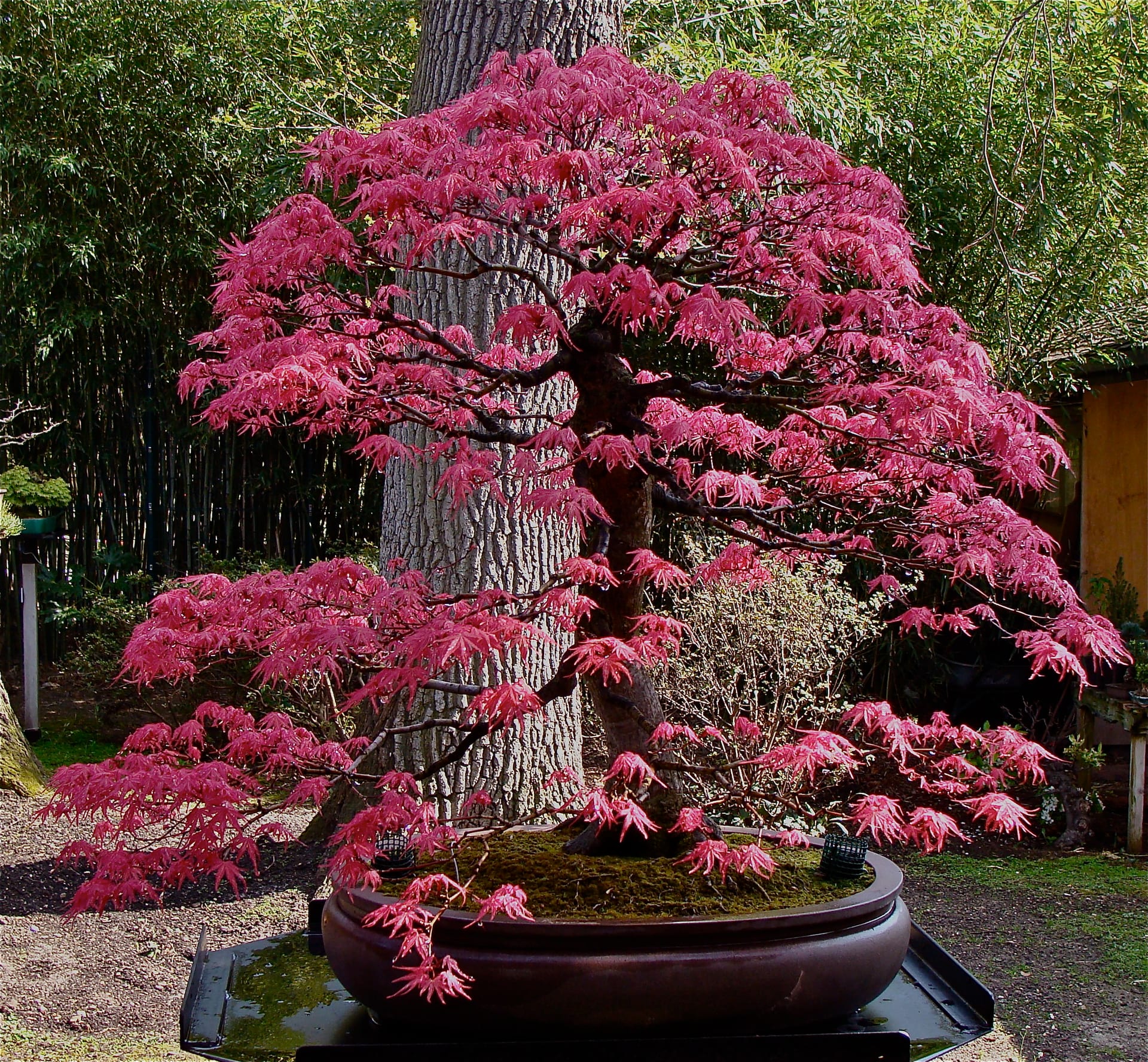
Seigen Japanese maple
Seigen is a cultivar of Japanese maple valued among the "spring maples" for its vivid red new growth in spring and rich autumn color later in the year. Its small, finely textured leaves make it well suited to bonsai styling, giving the tree a refined, detailed silhouette. Because it changes color twice each year — bright red buds in spring and warm autumn hues in fall — Seigen rewards growers who enjoy watching a tree's appearance shift with the seasons. It is typically trained as a small to medium bonsai and calls for intermediate-level care, so growers who already have some experience with maple bonsai will find it easiest to bring out its full character.
View Seigen Japanese maple encyclopedia →0% commission on your first sales!Register by September 30, 2026 and your first 2 plants are commission-free!
Grower Wanted!
List your plants on GrowerDirect and sell directly to customers nationwide!
6 Transparency Commitments from GrowerDirect
Growers clearly display the following information for all Bonsai listings. Guaranteed transparency for tree variety, origin, light requirements, and difficulty level.
- Tree Variety
- Real Photos
- Color & Appearance
- Growing Region
- Light Requirements
- Difficulty Level
Browse all 144 varieties
Light Requirements
Difficulty Level
No listings match your filters
Adjust your filters, or get notified when new listings arrive.
Getting alerts is free with a member account. When new listings match your saved search, we'll notify you by email and in-app.
Browse other categories
Verified growers (preview)
Seigen Japanese maple key facts
- Growing Difficulty
- Intermediate
- Lifespan
- Little data for the cultivar
- Size
- Sold as shohin to medium bonsai (little data on mature size)
- Watering
- Fertilizer (spring and autumn, sparingly)
- Light & placement
- Sun and airflow, but the red young leaves are sensitive—give only morning sun while flushing, and shade from the end of the rainy season to early September
- Watering
- Dries fast once in leaf: about twice daily in spring, 2–3 in summer, every 1–2 days in winter, aiming at the soil. Summer drought spoils autumn colour
- Temperature & overwintering
- Cold-hardy (A. palmatum: USDA zone 5). After leaf fall let it see 2–3 frosts, then shelter from drying wind and late frost
- Soil & repotting
- Free-draining mix; repot around March before budbreak, every 2–3 years (1–2 for mini), pruning roots to encourage fine feeders
- Fertilizer
- Organic fertilizer in mid-April once leaves harden and again in May; overfeeding finished trees causes leggy growth. Finish autumn feeding by September
- Pruning & styling
- Pinch the central bud mid-March to mid-April; defoliate or thin leaves in mid-June; prune around leaf fall (winter cuts risk dieback). Wire bites in quickly—remove promptly
- Pests & cautions
- Aphids on new shoots and powdery mildew from the rainy season. The thin leaves are easily damaged by sprays—follow label rates
About Seigen Japanese maple
Seigen is a Japanese maple bonsai cultivar prized as a "spring maple" for its red spring shoots and vivid autumn foliage. Typically grown as a small to medium bonsai, it suits intermediate-level growers.
7 things to know before growing Seigen Japanese maple
1Managing Light
Seigen's signature red spring leaves are sensitive to strong light and drying out. While the new leaves are emerging, limit the plant to morning sun, and provide shade from the end of the rainy season through early September to prevent leaf scorch. A spot with good air circulation is also important.
2Watering When Dry
Bonsai pots hold very little soil, so they dry out quickly, and Seigen is no exception. Water thoroughly once the surface soil feels dry, letting water run from the drainage holes, and pay extra attention during spring shoot growth and before autumn coloring when the tree is more sensitive to dryness.
3Well-Draining Soil
Seigen develops a fine, fibrous root system typical of Japanese maples, so it does best in bonsai soil that balances drainage with some water retention. A commercial maple or deciduous-tree mix based on akadama is easy to work with and helps prevent root rot from excess moisture.
4Repotting in Dormancy
As roots fill the pot, growth slows, so Seigen needs repotting every few years like most bonsai. Doing this while the tree is dormant and leafless, trimming back old soil and roots at the same time, keeps stress on the tree to a minimum.
5Two Seasons of Color
Seigen's appeal comes from its two color changes each year — red shoots in spring and colorful foliage in autumn. Protect new growth from strong wind and frost in spring, and keep watering and light steady as autumn approaches to help the color develop evenly.
6Pruning to Shape
With its small leaves and fine branching, Seigen responds well to pinching and pruning, which keep the silhouette delicate and bonsai-like. Pinch out the central buds from mid-March to mid-April, and prune around the time the leaves fall. Avoid pruning in winter, as it risks branch dieback.
7Choosing a Healthy Tree
When selecting a Seigen, look for small, densely growing leaves and a well-balanced branch structure, both signs the tree will be easy to style as bonsai. Because care calls for intermediate-level experience, some background in basic maple bonsai watering and pruning will make growing it easier.
Frequently asked questions about Seigen Japanese maple
- Q.Is Seigen suitable for beginners?
- A.Seigen's care level is generally considered intermediate rather than beginner-friendly. Some prior experience with basic maple bonsai watering and pruning makes it easier to manage, so it suits growers who already have some bonsai experience rather than a first tree.
- Q.How does Seigen differ from other maple cultivars?
- A.Seigen belongs to the "spring maple" group, valued for two distinct color changes each year: red new growth in spring and colorful foliage in autumn. Its small, finely textured leaves also make it easier to train into a refined bonsai silhouette.
- Q.How large does Seigen grow?
- A.As bonsai, Seigen is most commonly grown and sold in small to medium sizes. Detailed records of the cultivar's mature size outside of bonsai training are limited, so its final size largely depends on pot choice and ongoing pruning.
- Q.When does Seigen show its best color?
- A.Seigen offers color twice a year — reddish new shoots in spring and autumn foliage later in the year. The exact timing shifts somewhat depending on climate and the tree's growing location.
- Q.How long does a Seigen tree live?
- A.There isn't much documented information specifically about the lifespan of the Seigen cultivar. As with bonsai in general, consistent care — repotting, pruning, and routine maintenance — supports growing the tree over the long term.
Handy Growing Tools for Seigen Japanese maple
Learn more about Seigen Japanese maple in the encyclopedia
View Seigen Japanese maple encyclopedia entry →
Care difficulty, size, origin and light needs — all basics covered.
More in this category
Can't find the plant you're looking for?
Post your wishes for free and growers with matching plants will contact you with introductions.