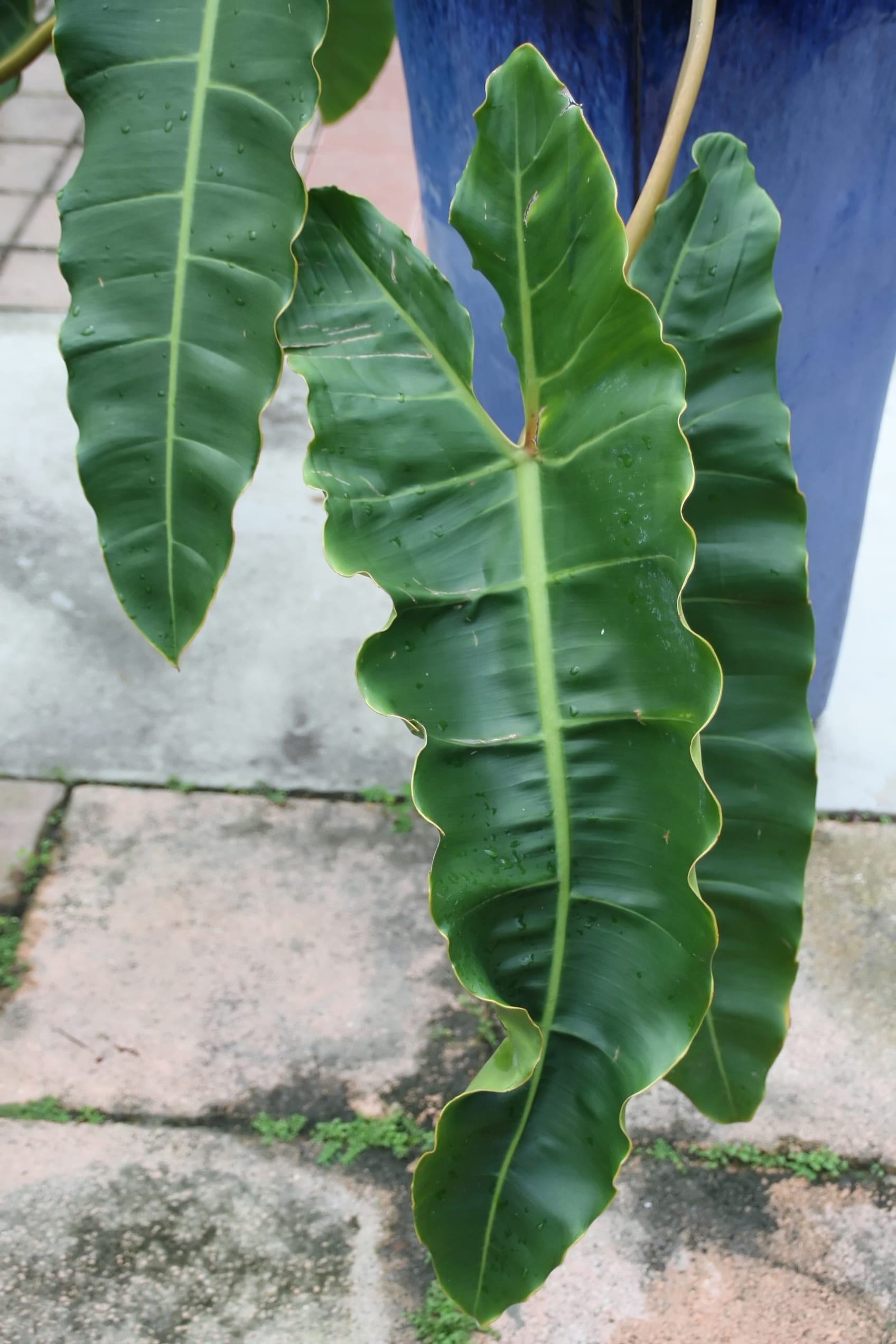
 © Photo by David J. Stang / CC BY-SA 4.0
Philodendron billietiae
Philodendron billietiae is a striking aroid native to South America, prized for its long, spear-shaped leaves and the vivid orange-to-yellow petioles that contrast beautifully with the foliage. The wavy leaf margins add extra visual interest, and as a species first described in 1995, it remains a relatively recent discovery that has become a favorite among collectors of rare aroids. As a perennial, it can be enjoyed for years, and growers often note that training it to climb a moss pole or stake encourages larger, more dramatic leaves over time, making its growth a rewarding process to watch.
View Philodendron billietiae encyclopedia →0% commission on your first sales!Register by September 30, 2026 and your first 2 plants are commission-free!
Grower Wanted!
List your plants on GrowerDirect and sell directly to customers nationwide!
6 Transparency Commitments from GrowerDirect
Every Grower selling Foliage Plants provides complete transparency: variety, origin, light requirements, and care difficulty.
- Variety Information
- Real Photos
- True Colors
- Origin Information
- Light Requirements
- Care Difficulty
Browse all 139 varieties
Light Requirements
Care Difficulty
No listings match your filters
Adjust your filters, or get notified when new listings arrive.
Getting alerts is free with a member account. When new listings match your saved search, we'll notify you by email and in-app.
Browse other categories
Verified growers (preview)
Are you growing foliage plants?
Register as a grower and connect with buyers directly.
Apply as a growerPhilodendron billietiae key facts
- Growing Difficulty
- Intermediate
- Lifespan
- Perennial
- Size
- Few sources give adult size; leaves grow larger when the plant climbs a support
- Watering
- Dilute liquid feed in the growing season
- Light & Placement
- Bright indoor light out of direct sun, such as behind a sheer curtain.
- Watering
- Water well when the surface dries. Roots suffer if kept constantly wet, so prioritise drainage. Water less in winter.
- Temperature & Overwintering
- A tropical lowland plant that dislikes cold. Keep it in a warm room in winter, away from cold windows and direct heater draughts.
- Soil & Repotting
- Use a coarse, airy aroid mix. As a hemi-epiphytic climber it produces larger leaves when trained up a support.
- Propagation
- Propagate from stem cuttings with a node or by laying stem sections on moist media.
- Pests & Cautions
- Watch for spider mites and scale; mites increase in dry air, so mist the leaves. Philodendrons contain calcium oxalate, so keep the plant away from pets and children.
About Philodendron billietiae
Philodendron billietiae is a South American aroid prized for its orange-to-yellow petioles and wavy, spear-shaped leaves. A guide to caring for this popular rare aroid.
7 things to know before growing Philodendron billietiae
1Bright, Indirect Light
Direct sun can scorch the leaves, so a spot with bright, filtered light, like behind a sheer curtain, works well. Indoors, insufficient light can slow growth, so aim to keep it reasonably bright.
2Water When Soil Dries
Water thoroughly once the topsoil has dried out. While it enjoys humidity, overwatering can lead to root rot, so avoid letting water sit in the saucer.
3Well-Draining Soil
Given its epiphytic nature, a well-aerated, free-draining mix suits it best. Many growers blend general houseplant potting soil with perlite or sphagnum moss to improve drainage and airflow.
4Climbing Support Boosts Growth
This is a naturally climbing plant that grows up trees in the wild, and training it up a support such as a moss pole is said to encourage larger leaves. Left to trail along the ground, the leaves tend to stay smaller.
5Repot Before Roots Crowd
During active growth, roots can quickly fill the pot, so if you see roots emerging from the drainage holes, consider moving up to a slightly larger pot. After repotting, keep it out of direct sun until the roots settle.
6Protect from Winter Cold
As a tropical species, it is sensitive to cold, so keep it in a warm indoor spot as temperatures drop. Heating can dry the air, so misting the leaves can help maintain humidity during winter.
7Choose by Petiole Color
When choosing a plant, look for one with well-developed orange-to-yellow petiole coloring and clearly wavy leaf margins that best showcase this variety's character. Note that newly unfurling leaves may not yet show full coloration, so give them time before judging.
Frequently asked questions about Philodendron billietiae
- Q.Is this species beginner-friendly?
- A.This species is generally classified as suitable for intermediate growers. Getting the light, watering, and humidity right takes a bit of know-how, so some prior houseplant experience is helpful.
- Q.How large does it grow?
- A.There isn't much documented data on its mature size, and growth varies with conditions. It's said that training the plant to climb a support tends to produce larger leaves than letting it trail along the ground.
- Q.Why do the petioles turn orange or yellow?
- A.The orange-to-yellow coloring of the petioles is one of this variety's signature traits. Newly unfurled leaves may show paler color at first, with the hue often becoming more vivid as the plant matures.
- Q.Is a support like a moss pole required?
- A.It isn't strictly required, but since the plant naturally climbs in the wild, providing a support such as a moss pole tends to encourage larger leaves. It can still be grown without one, though leaf size may differ.
- Q.How long can it be grown for?
- A.As a perennial, it can be enjoyed for many years with appropriate care. Adjusting its placement seasonally and repotting as needed helps keep the plant healthy over the long term.
Handy Growing Tools for Philodendron billietiae
Learn more about Philodendron billietiae in the encyclopedia
View Philodendron billietiae encyclopedia entry →
Care difficulty, size, origin and light needs — all basics covered.
More in this category
Can't find the plant you're looking for?
Post your wishes for free and growers with matching plants will contact you with introductions.