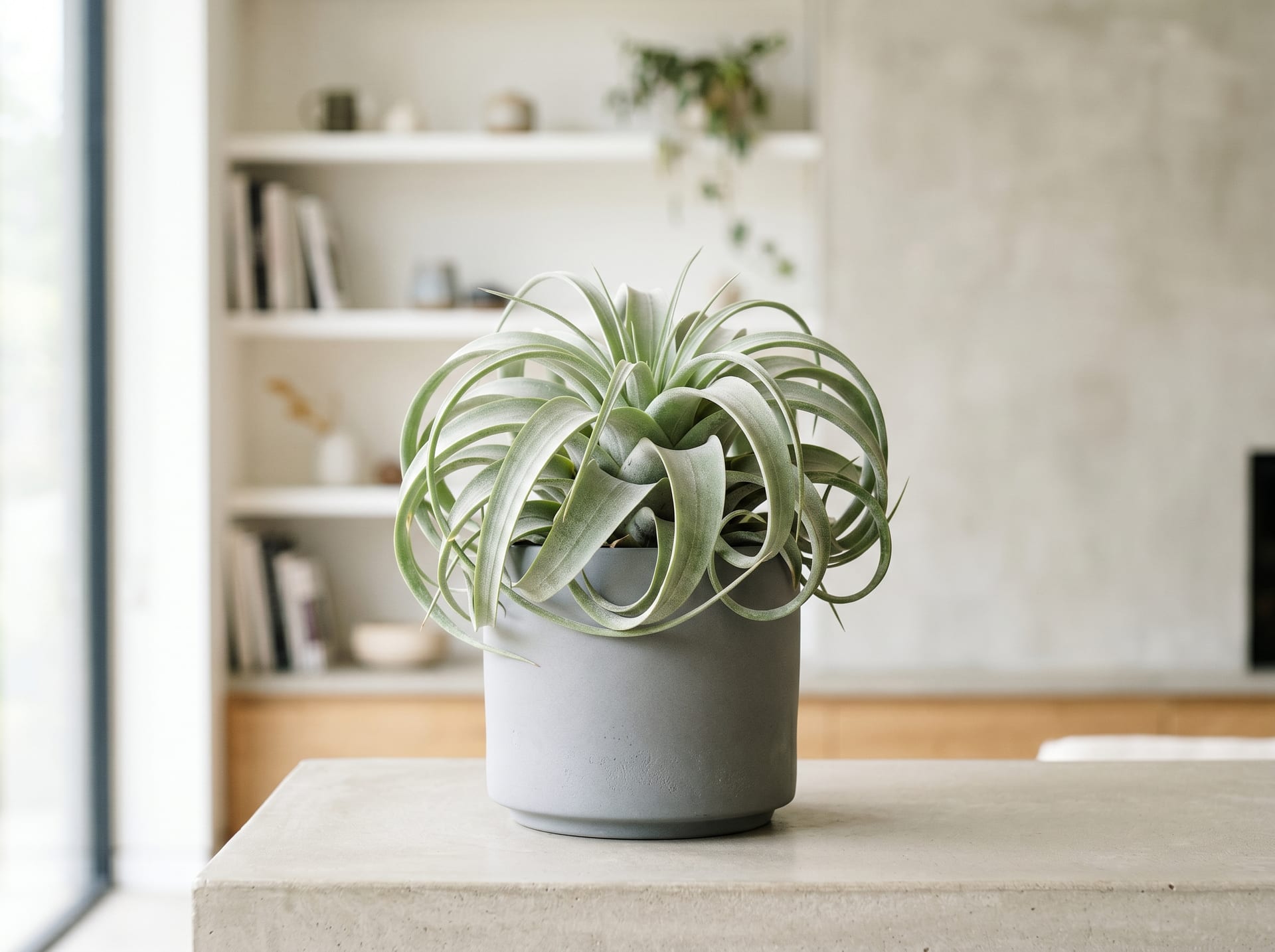
Air Plant (Tillandsia)
Air plants (Tillandsia) are unique plants that grow without soil, absorbing moisture and nutrients from the air. They can be displayed freely as wall décor or living sculptures, making them ideal for small spaces. Many varieties are hardy and well-suited for first-time plant owners.
View Air Plant (Tillandsia) encyclopedia →Grower Wanted!
List your plants on GrowerDirect and sell directly to customers nationwide!
6 Transparency Commitments from GrowerDirect
Every Grower selling Foliage Plants provides complete transparency: variety, origin, light requirements, and care difficulty.
- Variety Information
- Real Photos
- True Colors
- Origin Information
- Light Requirements
- Care Difficulty
Browse all 139 varieties
Light Requirements
Care Difficulty
No listings match your filters
Adjust your filters, or get notified when new listings arrive.
Getting alerts is free with a member account. When new listings match your saved search, we'll notify you by email and in-app.
Browse other categories
Verified growers (preview)
Are you growing foliage plants?
Register as a grower and connect with buyers directly.
Apply as a growerAir Plant (Tillandsia) key facts
- Growing Difficulty
- Beginner-friendly
- Light & Placement
- Likes bright indirect light with good airflow. It dislikes direct sun and hot, stagnant air, so avoid a closed-up windowsill.
- Watering
- Mist 1–2x/week; soak monthly
- Notes
- Dry fully after watering; rot if left wet
- Soil & Repotting
- No soil is needed; mount it on driftwood or wire. The roots are only for anchoring, so water and nutrients are taken up through the leaf trichomes.
- Propagation
- Propagate by removing offsets from the base once they reach about half the parent's size. You can also leave them to form a clump.
About Air Plant (Tillandsia)
Tillandsia belong to the bromeliad family and are native to Central and South America (from southern North America to South America), where they grow epiphytically on trees and rocky surfaces. Their defining characteristic is the ability to grow without soil — tiny trichomes covering the leaves absorb water and nutrients directly from the air, mist, and rain. Silver-leafed varieties tolerate drier conditions and display a striking silvery appearance, while green-leafed types prefer higher humidity and offer a lush, glossy look. Their versatility as indoor décor is remarkable: they can be mounted on driftwood, cork boards, wire frames, or displayed in glass containers. With no soil required and minimal space needed, they adapt easily to urban indoor living and appeal to a wide range of plant enthusiasts, from beginners to seasoned collectors.
6 things to know before growing Air Plant (Tillandsia)
1No Soil Needed
Air plants don't need soil — they absorb moisture and nutrients through tiny hair-like structures called trichomes on their leaves. Simply attach them to driftwood, stones, wire, or any surface you like.
2Mist or Soak to Water
Mist the entire plant once or twice a week, and add a soak in water for a few hours about once a month. After watering, always shake off excess water and let it dry thoroughly upside-down to prevent rot.
3Bright Indirect Light
Prolonged direct sunlight can scorch the leaves, so filtered light through a sheer curtain or a bright shaded spot works best. A bright, well-ventilated room is typically sufficient.
4Blooming and Pups
Most species bloom once with vivid flowers after several years of growth. After flowering the parent plant gradually dies, but offsets called "pups" emerge at the base, allowing you to propagate new plants.
5Minimal Fertilizer Needed
Tillandsia can grow without fertilizer, but diluted liquid fertilizer misted once a month during the growing season (spring to autumn) encourages healthier growth. Avoid over-fertilizing, as it can damage the leaves.
6Choosing a Plant and Where to Buy
Look for plants with firm leaves and a solid base, free from discoloration or damage. They are widely sold at garden centers, specialty plant shops, and online retailers, so it is worth confirming the variety name and the plant's condition before buying.
Frequently asked questions about Air Plant (Tillandsia)
- Q.Do air plants really need no watering?
- A.They do still need regular watering — misting once or twice a week, plus a soak in water for a few hours about once a month. The key difference is that they absorb water through their leaves rather than roots in soil.
- Q.Can they grow in low-light indoor spots?
- A.Extremely dark spots can cause them to weaken and die. A bright spot near a window or under indirect light is ideal. They can also grow under fluorescent or LED grow lights if natural light is limited.
- Q.What happens to the plant after it blooms?
- A.After blooming, the parent plant slowly dies back, but offsets called pups grow from the base around the same time. Once a pup reaches about half the size of the parent, it can be separated and grown independently.
- Q.What should I watch for in winter care?
- A.The ideal range is roughly 10–30°C and they dislike the cold, so bring them indoors to a warm spot during winter. Indoor heating can dry the air, so adjust misting frequency based on the plant's condition, and always let it dry thoroughly after watering.
- Q.Why are the leaf tips turning brown?
- A.Brown leaf tips are often a sign of underwatering or low humidity — try misting more frequently or soaking the plant. If the base is turning brown and mushy, overwatering or poor airflow is likely the cause.
Handy Growing Tools for Air Plant (Tillandsia)
Learn more about Air Plant (Tillandsia) in the encyclopedia
View Air Plant (Tillandsia) encyclopedia entry →
Care difficulty, size, origin and light needs — all basics covered.
Air Plant (Tillandsia) related articles
See more Air Plant (Tillandsia) articles →More in this category
Can't find the plant you're looking for?
Post your wishes for free and growers with matching plants will contact you with introductions.