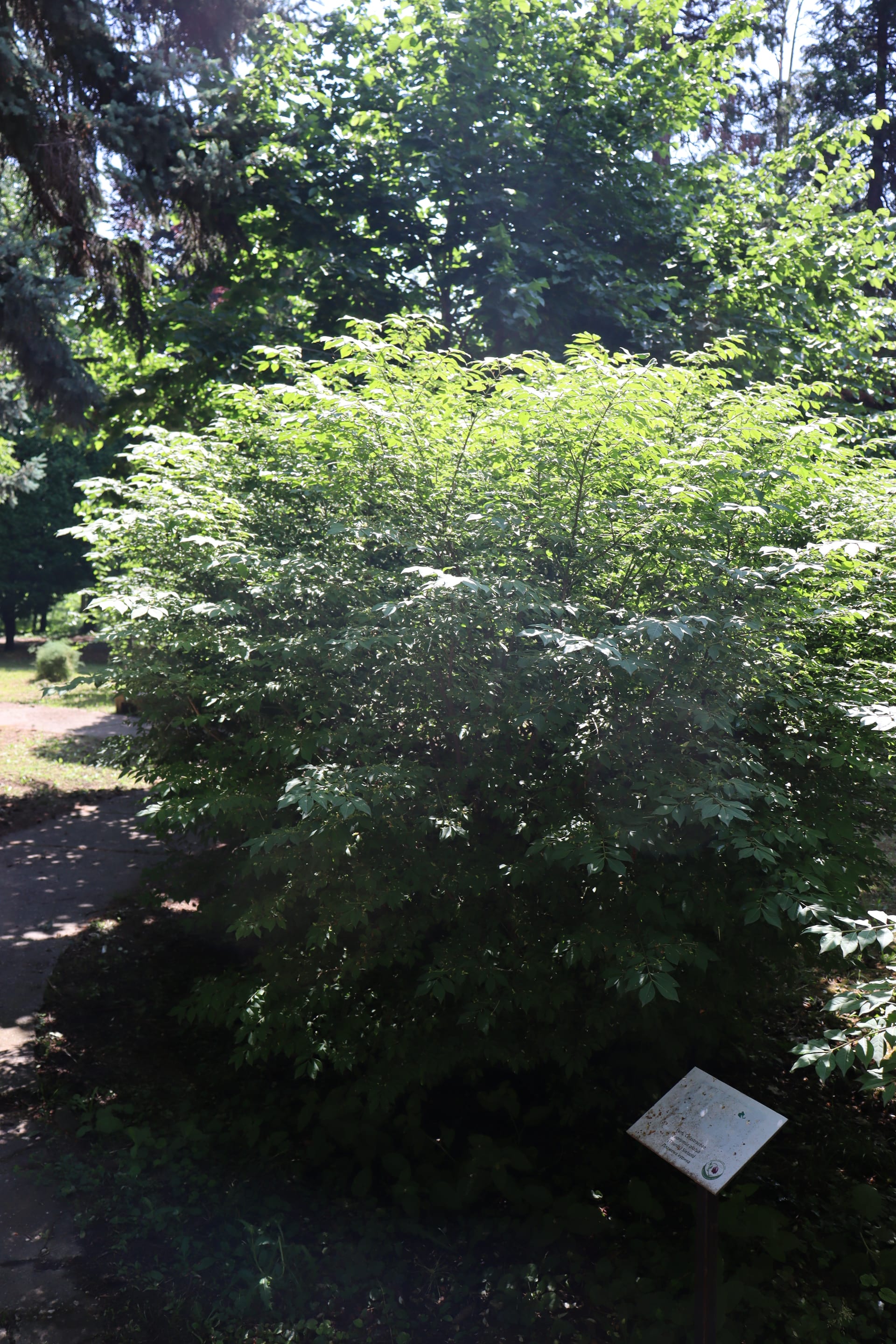
 © Dandarmkd / CC BY-SA 4.0
Winged spindle
Winged spindle (Euonymus alatus), known in Japanese as nishikigi, is a deciduous shrub in the Celastraceae family and one of the world's three great trees for autumn foliage. As a bonsai, its biggest draw is the vivid, fiery red its leaves turn in fall, a display that has also made it a beloved garden shrub for centuries. The corky "wings" running along its branches give the tree a distinctive silhouette unlike most other bonsai species. In autumn it also produces small fruits wrapped in bright red arils, and a single potted tree can fruit on its own. Reaching a mature height of roughly 1 to 3 meters and responding well to pruning, it's an approachable, beginner-friendly choice for anyone starting out with bonsai.
View Winged spindle encyclopedia →0% commission on your first sales!Register by September 30, 2026 and your first 2 plants are commission-free!
Grower Wanted!
List your plants on GrowerDirect and sell directly to customers nationwide!
6 Transparency Commitments from GrowerDirect
Growers clearly display the following information for all Bonsai listings. Guaranteed transparency for tree variety, origin, light requirements, and difficulty level.
- Tree Variety
- Real Photos
- Color & Appearance
- Growing Region
- Light Requirements
- Difficulty Level
Browse all 144 varieties
Light Requirements
Difficulty Level
No listings match your filters
Adjust your filters, or get notified when new listings arrive.
Getting alerts is free with a member account. When new listings match your saved search, we'll notify you by email and in-app.
Browse other categories
Verified growers (preview)
Winged spindle key facts
- Growing Difficulty
- Beginner-friendly
- Lifespan
- Little data on lifespan
- Size
- 1–3 m tall
- Watering
- Fertilizer (June–September, except midsummer)
- Light & placement
- Keep in sun, with shade cloth in summer. Tolerates shade, but autumn colour is duller there
- Watering
- Water thoroughly when the surface dries, but do not keep it soggy
- Temperature & overwintering
- Protect it in a cold frame or similar over winter
- Soil & repotting
- Repot every March. Roots form a dense mat—cut back even tight roots boldly and spread them
- Fertilizer
- Solid fertilizer June–September except midsummer. Too much residual fertilizer can spoil autumn colour
- Pruning & styling
- In June cut back long shoots to encourage short twigs, repeating yearly. Growth is unruly but it takes clipping well
- Pests & cautions
- Pest-resistant, but catch aphids and scale early. Seeds are toxic. It is native—buy nursery-grown plants, not wild-dug ones
About Winged spindle
Winged spindle (nishikigi) is a hardy deciduous shrub prized for fiery red autumn foliage and corky-winged branches. Growing 1-3m tall, it's an easy, beginner-friendly bonsai that also bears red fruit in fall.
7 things to know before growing Winged spindle
1Give It Plenty of Sun
Winged spindle thrives in bright light, and the intensity of its autumn color depends heavily on how much sun it gets. Keep it outdoors in a well-ventilated, sunny spot, though shielding it from harsh summer afternoon sun is a good precaution.
2Don't Let It Dry Out
Compared with many deciduous trees, it's a bit more sensitive to drought, so water thoroughly once the soil surface dries. In summer the soil can dry quickly, sometimes requiring watering both morning and evening.
3Use Well-Draining Soil
A mix based on akadama with added leaf mold and coarse sand strikes a good balance between drainage and moisture retention. Avoid dense, clay-heavy soil, which can lead to root rot.
4Repot Every March
Winged spindle packs its pot with dense fine roots, so repot it every year in March. Boldly cut back and tease apart the matted roots, spread them out, and replant in fresh soil. Leaving it root-bound can weaken growth and dull its autumn color.
5Prune to Shape the Tree
Winged spindle buds vigorously, so during the growing season trim back overly long shoots regularly to maintain its shape. The dormant period after leaf drop is also a good time for harder pruning and branch thinning.
6Ease Off Fertilizer Before Fall
Cutting back on nitrogen-rich fertilizer as autumn approaches helps the leaves turn a more vivid red. Plenty of sunlight and a wide swing between day and night temperatures outdoors also encourage stronger fall color.
7Check the Branches and Wings
When choosing a tree, look for well-developed corky wings along the branches and a balanced branching structure. Pick a plant with firm branches and trunk and no significant leaf damage or discoloration for easier care going forward.
Frequently asked questions about Winged spindle
- Q.Is winged spindle bonsai suitable for beginners?
- A.Yes, it's generally considered an easy, beginner-friendly tree to grow. As long as you give it enough sunlight and don't let it dry out, you can enjoy its autumn color and fruit without specialized techniques.
- Q.When and for how long can I enjoy the autumn color?
- A.The exact timing varies by region and climate, but the leaves turn a vivid red as autumn deepens. Growing the tree in a sunny spot with a good swing between day and night temperatures tends to bring out richer color.
- Q.Will it still produce fruit with just one potted tree?
- A.Yes, winged spindle can set fruit on a single potted tree, so there's no need to keep multiple plants together. In autumn you can enjoy the small fruits wrapped in bright red arils.
- Q.How large can it get, and can it be kept small as bonsai?
- A.As a tree it can reach roughly 1 to 3 meters in height, but as bonsai its size is controlled through pruning and repotting. Because it buds vigorously and responds well to shaping, it's a manageable species for keeping compact.
- Q.How long does winged spindle live?
- A.There isn't much documented data on winged spindle's lifespan. As with other deciduous trees, though, consistent care, watering and periodic repotting, is what keeps the tree healthy over time.
Handy Growing Tools for Winged spindle
Learn more about Winged spindle in the encyclopedia
View Winged spindle encyclopedia entry →
Care difficulty, size, origin and light needs — all basics covered.
More in this category
Can't find the plant you're looking for?
Post your wishes for free and growers with matching plants will contact you with introductions.