Plum
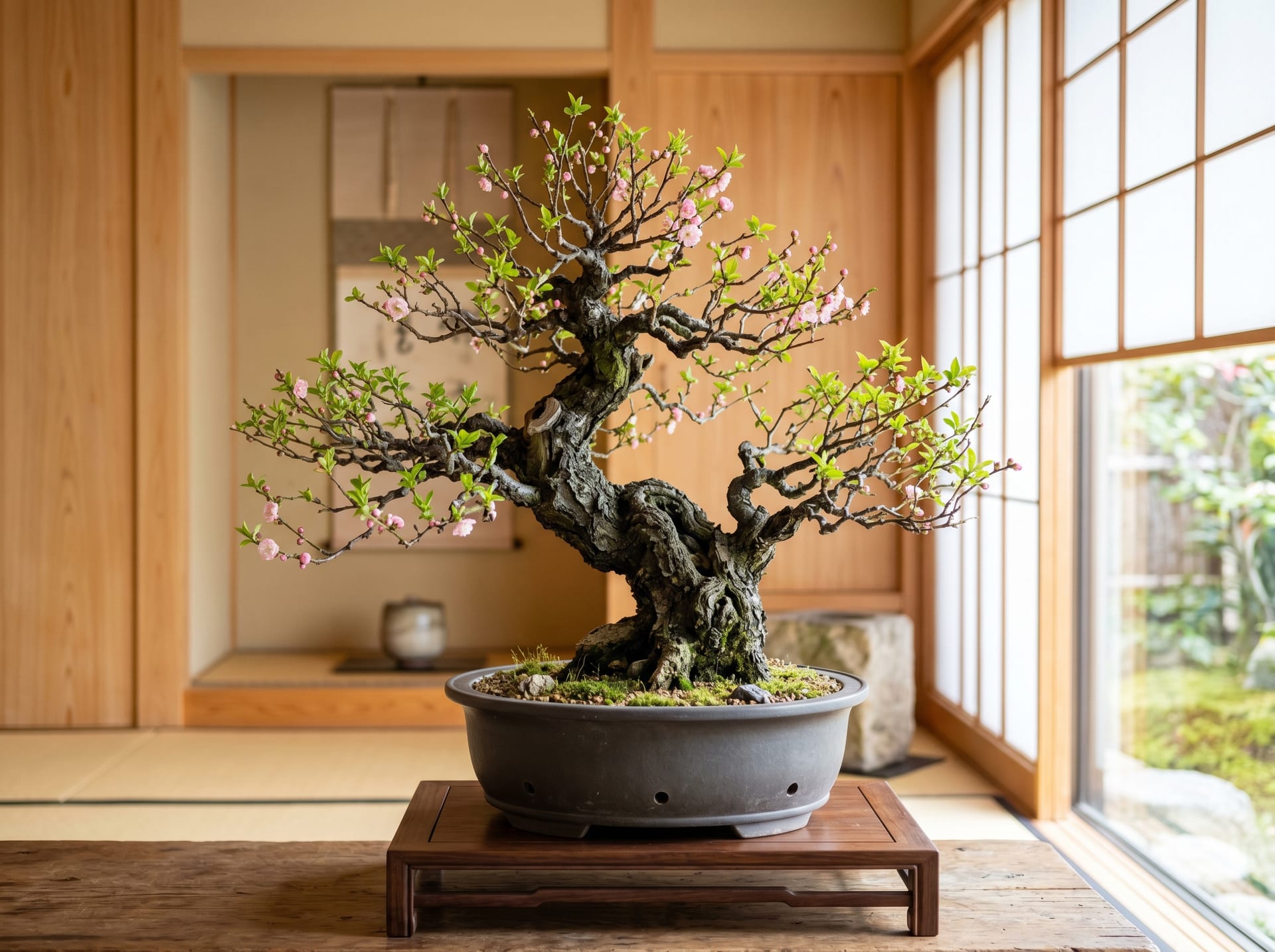
Ume (Japanese plum) bonsai is one of Japan's oldest and most beloved bonsai species, prized for its delicate spring blossoms and the sculptural beauty of its gnarled trunk. It offers four distinct seasonal faces—flowers, fresh leaves, fruit, and bare winter branches—making it rewarding for beginners and seasoned growers alike. Its fragrant blooms are a hallmark of late winter, bringing the essence of Japan's seasons into a single pot.
Grower Wanted!
List your plants on GrowerDirect and sell directly to customers nationwide!
6 Transparency Commitments from GrowerDirect
Growers clearly display the following information for all Bonsai listings. Guaranteed transparency for tree variety, origin, light requirements, and difficulty level.
- Tree Variety
- Real Photos
- Color & Appearance
- Growing Region
- Light Requirements
- Difficulty Level
Browse all 144 varieties
Light Requirements
Difficulty Level
No listings match your filters
Adjust your filters, or get notified when new listings arrive.
Getting alerts is free with a member account. When new listings match your saved search, we'll notify you by email and in-app.
Browse other categories
Verified growers (preview)
About Plum
Ume (Prunus mume) originated in China and was introduced to Japan before the Nara period, making it one of the oldest cultivated trees in Japanese culture. In the Heian era, the word "flower" referred to ume rather than cherry blossoms—a testament to its deep cultural roots. As the trunk matures, it develops a beautifully rugged, aged appearance that contrasts strikingly with the delicate blossoms each spring, a juxtaposition that lies at the heart of ume bonsai's appeal. Flower colors range from pure white to pale and deep pink, with varieties spanning single to double blooms. The small, bright green leaves bring life to the summer silhouette, and fruiting varieties even produce miniature plums in autumn. Hardy and cold-tolerant, ume rewards consistent care with decades of character-building growth. Its rich seasonal transitions and responsiveness to pruning and wiring make it a deeply satisfying bonsai for growers at every level.
7 things to know before growing Plum
1Blooms in Late Winter
Ume typically blooms between January and March, before leaves emerge. Timing varies by cultivar and growing conditions; pairing early and late-blooming varieties extends the display. Remove spent flowers promptly to help the tree recover its vigor.
2Full Sun and Good Airflow
Ume thrives outdoors in full sun with good air circulation. Insufficient light reduces flower-bud formation, and poor ventilation encourages powdery mildew. Keeping the tree outside where it receives natural rainfall from spring through autumn promotes healthy growth.
3Winter Chill Triggers Buds
Ume requires winter cold to develop flower buds. Keep the tree outdoors through winter so it enters natural dormancy, which is essential for abundant spring blooms. However, protect the root ball from hard freezes by sheltering it under eaves when temperatures drop severely.
4Water Deeply When Soil Dries
Bonsai soil dries quickly, so water thoroughly whenever the surface feels dry, until water flows freely from the drainage holes. Avoid leaving water in saucers, as prolonged wetness causes root rot. During summer heat, twice-daily watering—morning and evening—may be necessary.
5Prune Immediately After Bloom
The most critical pruning window is immediately after flowering, around March. Pruning at this time allows new shoots—which carry next year's flower buds—enough time to develop. Heavy pruning in summer or later risks removing next season's buds, so reserve significant cuts for the post-bloom period.
6Fertilize in Distinct Seasons
Apply fertilizer in three distinct phases: spring after flowering (to support new growth), summer (to sustain vigor), and autumn (using a phosphorus- and potassium-rich formula to strengthen flower buds). Excess nitrogen encourages leggy growth and disrupts the tree's shape. Solid organic fertilizer placed at the pot's rim is a practical and widely used method.
7Repot Every Two to Three Years
Repot every two to three years to prevent root congestion, which degrades drainage and weakens the tree. The ideal time is March, just after flowering. Remove about half the old soil, trim the roots, and replant in well-draining bonsai soil. Keep the tree out of direct sun for one to two weeks after repotting to allow recovery.
Frequently asked questions about Plum
- Q.Can a beginner grow ume bonsai?
- A.Yes, ume is one of the more forgiving bonsai species and is widely recommended as a starter tree. With a grasp of basic watering, fertilizing, and pruning timing, beginners can successfully bring it into bloom. Starting with a small specimen makes management easier while you learn.
- Q.Should I bring ume indoors in winter?
- A.Generally, no. Ume is cold-hardy and tolerates temperatures a few degrees below freezing without issue. In fact, exposure to winter chill helps trigger flower bud differentiation, leading to better spring blooms. If extreme frost or sustained temperatures below -10°C are expected, moving the tree to a sheltered spot such as under eaves is advisable.
- Q.Why won't my ume bonsai flower?
- A.The three most common causes are insufficient sunlight, pruning after midsummer, and imbalanced fertilizing. Ume needs ample direct sun and phosphorus-potassium-rich fertilizer in autumn for reliable flower bud formation. Heavy pruning after midsummer removes the following year's buds, so always do major shaping right after flowering.
- Q.What is the difference between fruiting and flowering varieties?
- A.Ume bonsai varieties are broadly divided into hana-ume (flowering types) and mi-ume (fruiting types). Flowering types offer a wide range of colors and forms, including double-petaled and weeping varieties. Fruiting types produce more abundant fruit but tend to have simpler blooms. Many varieties balance both qualities and are popular choices for bonsai enthusiasts.
- Q.Do I need to repot my ume right after buying it?
- A.Repotting immediately after purchase is not always necessary. The optimal time is right after flowering, around February to March, so if you buy at a different time of year, it is generally best to wait until the next post-bloom window. However, if the roots are visibly crowded or escaping the pot, address it sooner rather than later.
Handy Growing Tools for Plum
Plum related articles
See more Plum articles →More in this category
Can't find the plant you're looking for?
Post your wishes for free and growers with matching plants will contact you with introductions.