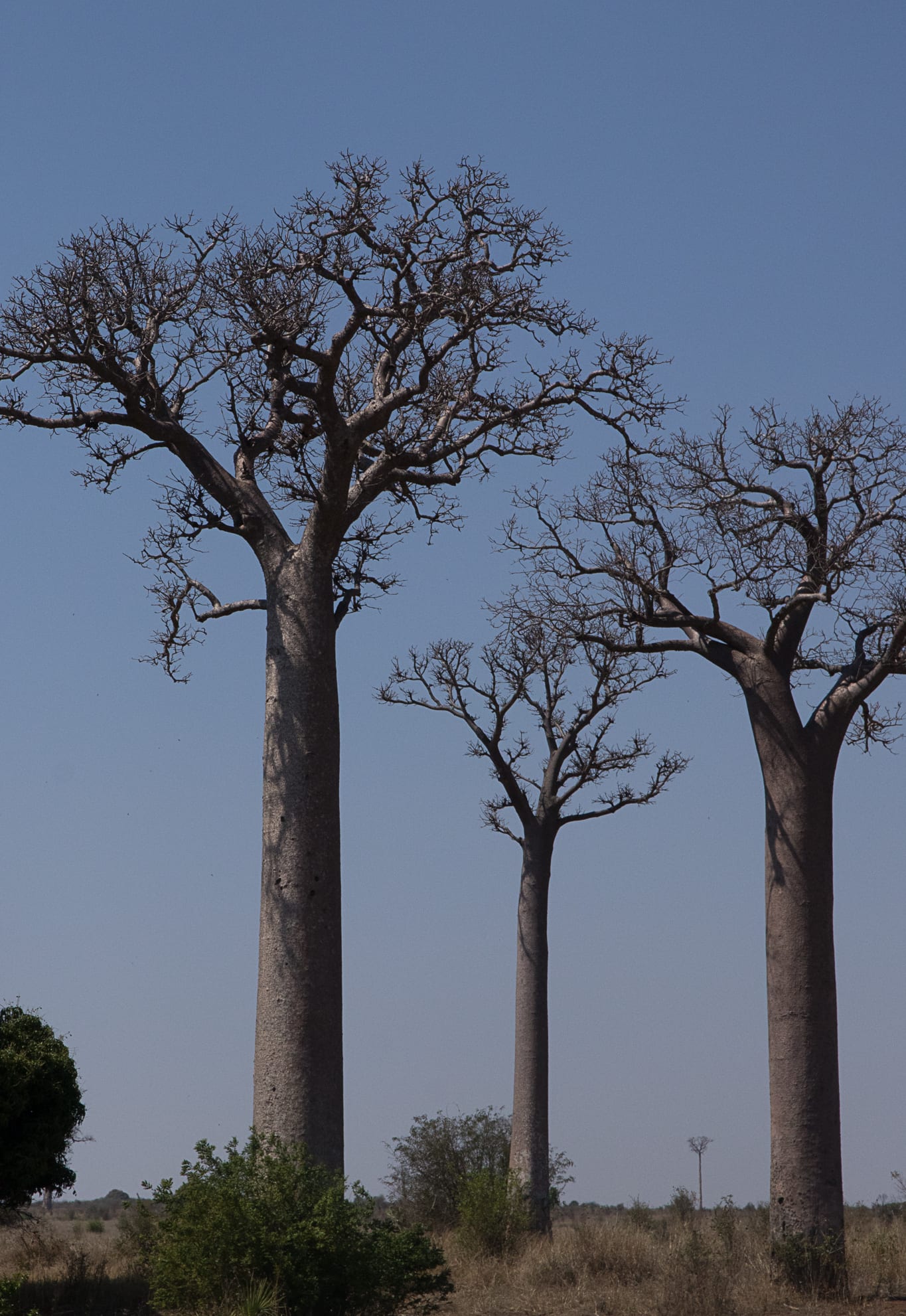
 © LoJallen / CC BY-SA 4.0
Za baobab
The Za baobab (Adansonia za) is a caudiciform tree native to Madagascar, and it is the most widely distributed of the island's endemic baobab species. Its trunk is thickest at the base and tapers gracefully as it rises, with a reddish-brown bark that gives it a distinctive silhouette. In the wild it can reach 10 to 40 meters in height with a trunk up to about 6 meters across, though in a pot it can be kept far more compact. At the start of the rainy season it produces yellow and red flowers. Growing it well calls for some intermediate-level know-how, and it rewards patience as its sculptural trunk slowly develops over the years.
View Za baobab encyclopedia →0% commission on your first sales!Register by September 30, 2026 and your first 2 plants are commission-free!
Grower Wanted!
List your plants on GrowerDirect and sell directly to customers nationwide!
6 Transparency Commitments from GrowerDirect
Our Grower disclose all key information for Caudex Plants listings, ensuring complete transparency on variety, origin, light needs, and difficulty.
- Variety Disclosed
- Real Plant Photos
- Color Details
- Origin Disclosed
- Light Requirements
- Difficulty Level
Browse all 146 varieties
Light Requirements
Difficulty Level
Verified growers wanted for Caudex Plants
Growers are signing up now ahead of launch. Subscribe to be notified when new listings go live.
Getting alerts is free with a member account. When new listings match your saved search, we'll notify you by email and in-app.
Browse other categories
Verified growers (preview)
Are you growing caudex plants?
Register as a grower and connect with buyers directly.
Apply as a growerZa baobab key facts
- Growing Difficulty
- Intermediate
- Lifespan
- Long-lived woody plant (little published data)
- Size
- 10–40 m tall with a trunk about 6 m across in the wild; stays small in a pot
- Watering
- Regular feeding in the growing season
- Light & Placement
- It prefers sunny positions; give it plenty of sun during the growing season.
- Watering
- A tree of dry country: even in the growing season water only when the mix has dried, and avoid soggy soil.
- Temperature & Overwintering
- A tree from tropical Madagascar with little published data on cold tolerance; bring it into a bright, warm room for winter and keep it dry while leafless.
- Soil & Repotting
- Plant in a well-drained mix.
- Pests & Cautions
- Variegated plants are also sold in Japan; with less chlorophyll they tend to grow more slowly, so do not push them.
About Za baobab
Za baobab, the most widely distributed of Madagascar's endemic baobabs, prized for its reddish-brown, taper-topped trunk. An intermediate-level caudex that also grows well in a pot.
7 things to know before growing Za baobab
1Give It Full Sun
Native to Madagascar, the Za baobab thrives in bright, strong light. Outdoors, place it in a sunny, well-ventilated spot, and indoors choose the window with the longest hours of direct light you can offer. Insufficient light can slow trunk growth and reduce flowering.
2Water by Season
During the spring-to-summer growing season, water generously once the soil has dried out, letting the trunk store moisture. Once the tree drops its leaves and enters dormancy in autumn and winter, cut back on watering and keep it on the dry side to avoid root rot.
3Use Fast-Draining Soil
A soil mix formulated for caudex plants, or a blend of akadama and pumice, works well for good drainage. Since excess moisture can cause root rot, line the bottom of the pot with drainage stones to further improve airflow around the roots.
4Repot During the Growing Season
Repotting is safest when done in early spring, just as the roots begin to stir back into growth. Move the plant into a slightly larger pot every few years to prevent it from becoming root-bound, and avoid repotting during dormancy, when the roots are under more strain.
5Expect Winter Dormancy
As temperatures drop, the Za baobab sheds its leaves and enters dormancy — this is a natural part of its cycle, not a sign of trouble. Since it is sensitive to cold, move it indoors to a warm, bright spot for the winter months.
6Choose by Trunk Shape
The Za baobab's signature look is a trunk that's thickest at the base and gradually tapers upward. When choosing a plant, look for one that already shows this natural taper and has a trunk surface free of damage or blemishes.
7Grow It for the Long Haul
The Za baobab is a long-lived tree meant to be enjoyed as its trunk slowly thickens and its form evolves over the years. Detailed data on its lifespan is limited, but with patient care it develops more character and presence over time.
Frequently asked questions about Za baobab
- Q.Can beginners grow a Za baobab?
- A.The Za baobab is generally considered suited to intermediate-level growers. Because it needs careful seasonal adjustments to light and watering, some prior experience with succulents or caudex plants will make it easier to manage.
- Q.How large does it grow?
- A.In its native habitat, the Za baobab can reach 10 to 40 meters in height with a trunk around 6 meters across, but that's under open-ground conditions in the wild. Grown in a pot, its growth stays far more restrained, and it can be kept compact.
- Q.Is it normal for it to lose its leaves in winter?
- A.Yes, that's completely normal. Dropping its leaves and entering dormancy as temperatures fall is part of the Za baobab's natural cycle. During dormancy, cut back on watering and keep it in a warm, bright spot until growth resumes in spring.
- Q.Does it flower?
- A.In the wild, the Za baobab produces yellow and red flowers at the start of the rainy season. Flowering conditions depend heavily on growing environment, so the timing and frequency of blooms on a potted plant can vary from one specimen to another.
- Q.What kind of soil and pot should I use?
- A.The basics are a fast-draining soil mix and a pot that lets excess water escape easily. Mixing pumice into a caudex-plant potting mix and lining the pot's base with drainage stones helps prevent root rot.
Handy Growing Tools for Za baobab
Learn more about Za baobab in the encyclopedia
View Za baobab encyclopedia entry →
Care difficulty, size, origin and light needs — all basics covered.
More in this category
Can't find the plant you're looking for?
Post your wishes for free and growers with matching plants will contact you with introductions.