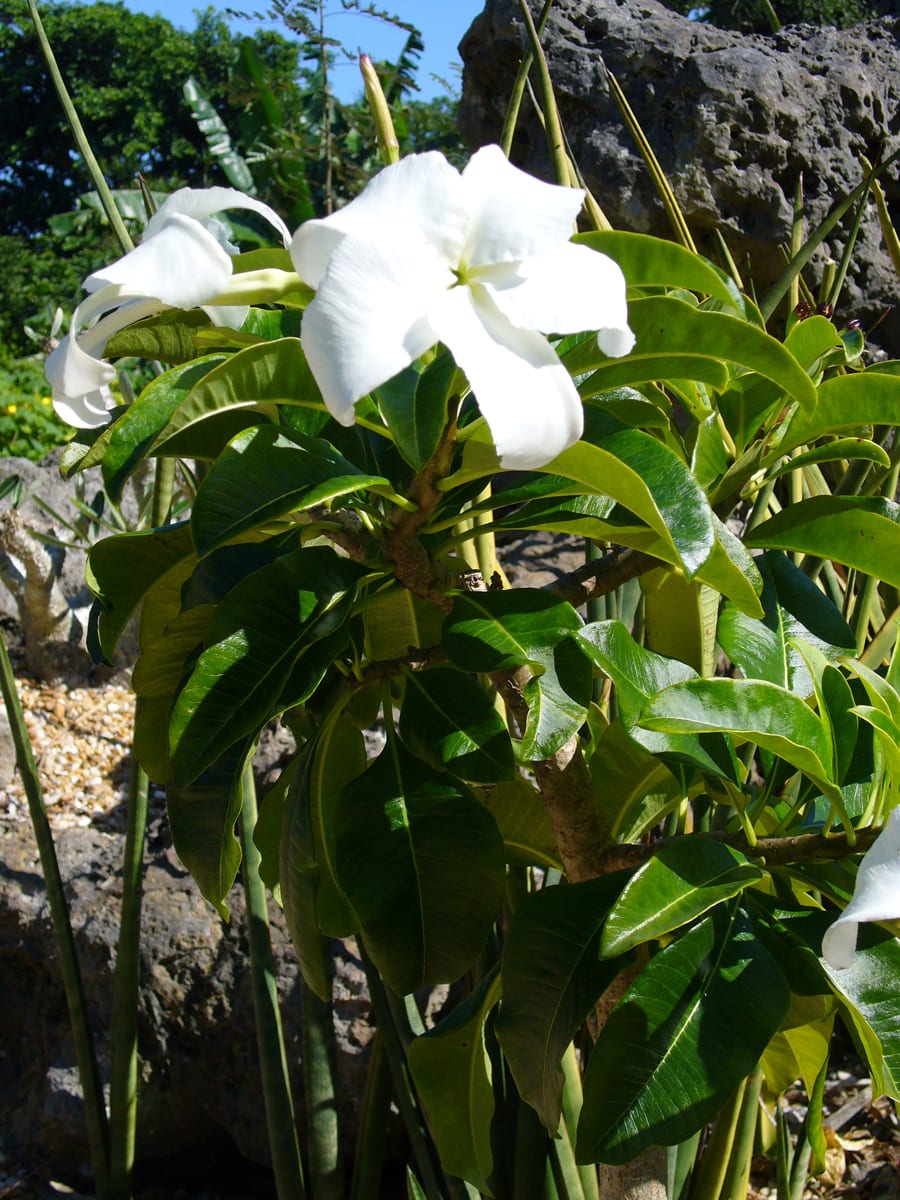
 © scott.zona / CC BY 2.0
Pachypodium decaryi
Pachypodium decaryi is native to northern Madagascar, prized for its rounded, grey, swollen caudex and slender, nearly spineless branches. When it flowers, it produces the largest blooms in the genus, pure white flowers up to 12 cm across. Growth is slow; in the wild plants reach nearly 2 meters, occasionally 4 meters, with the caudex up to about 40 cm across. The species is listed in CITES Appendix I, and in Japan transfers and displays or advertisements for sale in principle require a registration certificate. Plants sold in Japan are mostly seed-grown, but even so, check whether a certificate is available before buying. It takes experience to grow well and suits advanced collectors.
View Pachypodium decaryi encyclopedia →0% commission on your first sales!Register by September 30, 2026 and your first 2 plants are commission-free!
Grower Wanted!
List your plants on GrowerDirect and sell directly to customers nationwide!
6 Transparency Commitments from GrowerDirect
Our Grower disclose all key information for Caudex Plants listings, ensuring complete transparency on variety, origin, light needs, and difficulty.
- Variety Disclosed
- Real Plant Photos
- Color Details
- Origin Disclosed
- Light Requirements
- Difficulty Level
Browse all 146 varieties
Light Requirements
Difficulty Level
Verified growers wanted for Caudex Plants
Growers are signing up now ahead of launch. Subscribe to be notified when new listings go live.
Getting alerts is free with a member account. When new listings match your saved search, we'll notify you by email and in-app.
Browse other categories
Verified growers (preview)
Are you growing caudex plants?
Register as a grower and connect with buyers directly.
Apply as a growerPachypodium decaryi key facts
- Growing Difficulty
- Advanced
- Lifespan
- Slow-growing and long-lived (little published data)
- Size
- Nearly 2 m tall (occasionally 4 m); caudex up to 40 cm across
- Watering
- Sparingly in the growing season
- Light & Placement
- Grow in full sun to light shade. It can go outdoors in sun in warm weather, but keep it out of rain.
- Watering
- Water sparingly in the heat of the growing season and not at all from late autumn to mid-spring. The older the plant, the less water it needs; never leave it damp in cool weather.
- Temperature & Overwintering
- It is cold-sensitive; overwinter it completely dry at about 16°C at night and 20°C or more by day. It shows some cold resilience when bone dry, but protect it from frost.
- Soil & Repotting
- Use a gritty, porous mix that is not strongly acidic. Repot about every three years.
- Propagation
- Mainly propagated from seed; fresh seed germinates well after soaking in warm water for 24 hours.
- Pests & Cautions
- The sap is toxic, so avoid contact when the plant is damaged. As an Appendix I species, international trade in wild-collected plants is prohibited, so plants on the Japanese market are mainly seed-raised. Even so, check for a registration certificate before buying or listing.
About Pachypodium decaryi
Pachypodium decaryi is a slow-growing Madagascar caudiciform with a rounded grey caudex, spineless branches, and some of the genus's largest pure white flowers. A long-lived species best suited to experienced growers.
7 things to know before growing Pachypodium decaryi
1Light and Airflow
Give it as much sunlight as possible throughout the year. Good airflow also helps prevent pests and disease, while insufficient light tends to make the branches grow leggy.
2Water Sparingly
Water sparingly during the hot part of the growing season, and stop watering entirely from late autumn to mid-spring. The older the plant, the less water it needs; never let it stay wet in cool weather. Overwinter it completely dry.
3Well-Draining Soil
Choose a fast-draining mix formulated for succulents or cacti. Blending in akadama or pumice improves aeration and helps keep the roots healthy.
4When to Repot
Because growth is slow, repotting is only needed every few years, once the roots begin to feel crowded. Doing it around the start of the warm growing season puts the least stress on the plant.
5Overwintering Care
It isn't very cold-hardy, so move it to a bright indoor spot once temperatures start to drop. It may drop its leaves during dormancy, but new growth returns once the growing season resumes.
6Choosing a Healthy Plant
Look for a plant with a firm, plump caudex free of scarring or discoloration. The way the branches grow and the condition of the leaves are also good indicators of overall health.
7Patience Until It Blooms
Once mature, the plant produces some of the largest pure white flowers in the genus. Since growth is slow, it takes patience to reach that first bloom.
Frequently asked questions about Pachypodium decaryi
- Q.Is this a good plant for beginners?
- A.Pachypodium decaryi is generally considered a plant for experienced growers. Because watering timing and winter care require some know-how, it's best to try it after you've gained experience with succulents or other caudiciforms.
- Q.How large does it eventually grow?
- A.It can reach nearly 2 meters in height, occasionally up to 4 meters, with a caudex that can thicken to about 40 cm across, making it a relatively large-growing species.
- Q.When and what kind of flowers does it produce?
- A.Once the plant matures, it produces pure white flowers up to about 12 cm across, among the largest in the genus. Because growth is slow, it takes patience to see it bloom.
- Q.Does it grow quickly?
- A.No, it's a slow grower. In exchange, it develops into a large, long-lived plant over many years.
- Q.Can it stay outdoors in winter?
- A.It isn't very cold-tolerant, so it's best moved to a bright indoor spot once temperatures drop. It may lose some leaves during dormancy, but new growth resumes in the growing season.
Handy Growing Tools for Pachypodium decaryi
Learn more about Pachypodium decaryi in the encyclopedia
View Pachypodium decaryi encyclopedia entry →
Care difficulty, size, origin and light needs — all basics covered.
More in this category
Can't find the plant you're looking for?
Post your wishes for free and growers with matching plants will contact you with introductions.