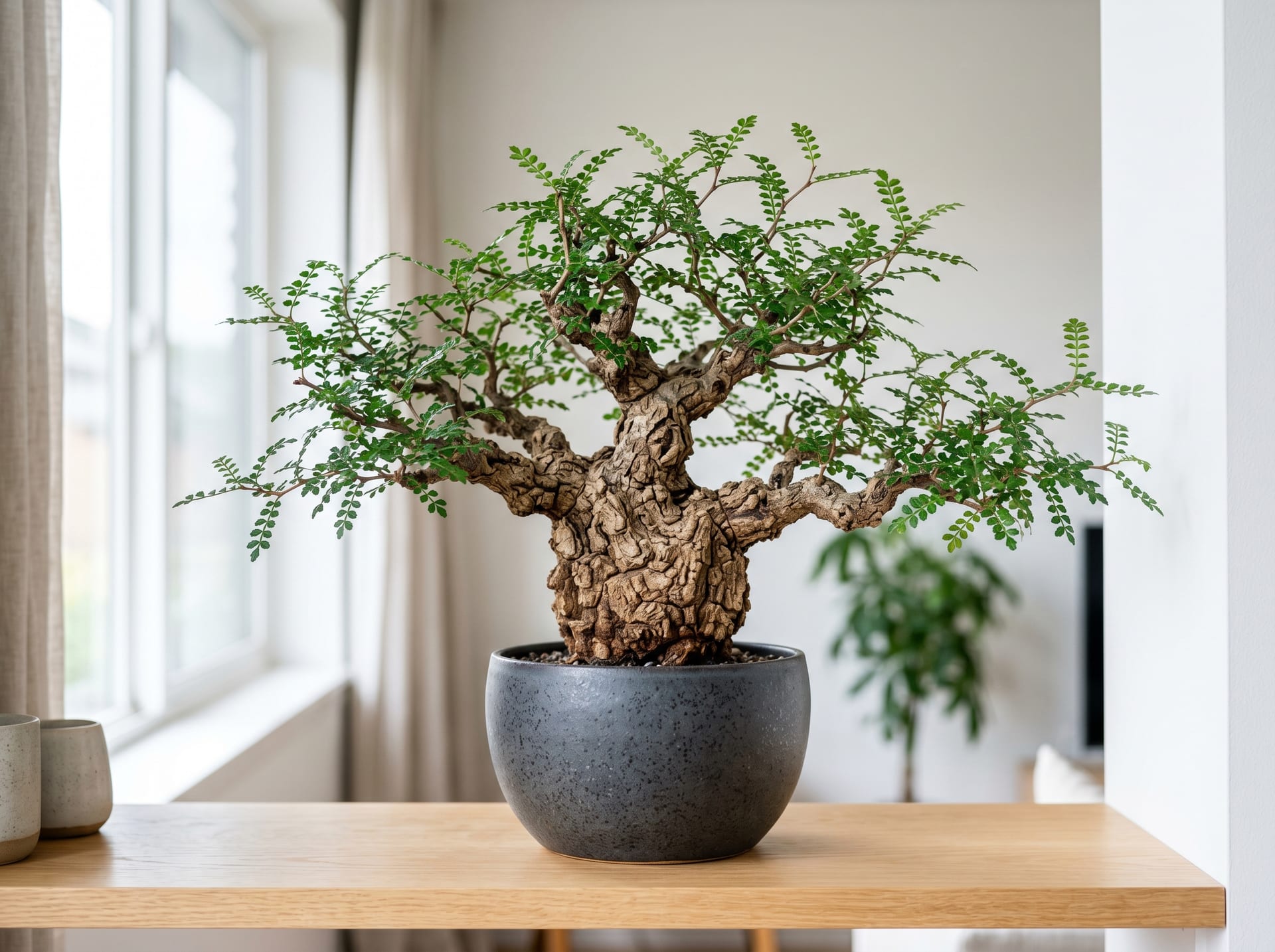
Operculicarya
Operculicarya is a caudiciform succulent native to Madagascar, prized for the striking contrast between its swollen, caudex-like trunk base and delicate feathery leaves. Growth is extremely slow, making it a favorite among collectors who appreciate bonsai-like sculptural beauty developed over many years.
Grower Wanted!
List your plants on GrowerDirect and sell directly to customers nationwide!
6 Transparency Commitments from GrowerDirect
Our Grower disclose all key information for Caudex Plants listings, ensuring complete transparency on variety, origin, light needs, and difficulty.
- Variety Disclosed
- Real Plant Photos
- Color Details
- Origin Disclosed
- Light Requirements
- Difficulty Level
Browse all 146 varieties
Light Requirements
Difficulty Level
Verified growers wanted for Caudex Plants
Growers are signing up now ahead of launch. Subscribe to be notified when new listings go live.
Getting alerts is free with a member account. When new listings match your saved search, we'll notify you by email and in-app.
Browse other categories
Verified growers (preview)
Are you growing caudex plants?
Register as a grower and connect with buyers directly.
Apply as a growerAbout Operculicarya
Operculicarya is a caudex-forming shrub in the family Anacardiaceae, native to the arid regions of Madagascar. The genus name derives from the Latin word for "lid" (operculum), a reference to the plant's distinctive fruit caps. In its natural habitat it grows as a multi-stemmed shrub, its base slowly swelling over decades into a richly textured caudex. Most species bear pinnate compound leaves whose delicate, feathery foliage creates a striking visual contrast with the rugged trunk. Because growth is exceptionally slow, specimens developed over many years gain real presence and are greatly admired by collectors. Operculicarya drops its leaves and rests through winter, then flushes fresh growth each spring — offering a seasonal rhythm that adds another dimension to its appeal. It is ultimately a plant for those who find satisfaction in the long game, rewarding patience with a one-of-a-kind sculptural form.
7 things to know before growing Operculicarya
1Needs Strong Light
Operculicarya thrives in strong, direct sunlight. Outdoors, a south-facing position is ideal; indoors, supplemental grow lights are recommended. Insufficient light leads to etiolation and weakened growth.
2Root Rot Risk
The caudex is highly susceptible to rot from excess moisture. Use a coarse, well-draining mix with plenty of pumice or grit, and ensure the pot has adequate drainage to prevent waterlogging.
3Winter Dormancy Care
Operculicarya drops its leaves and enters dormancy when temperatures fall below 10°C. During this period, withhold almost all water and keep the plant in a bright indoor spot above 5°C. Resume watering gradually once new growth appears in spring.
4Very Slow Grower
Visible caudex development takes years to decades. Approach cultivation with patience and a long-term mindset focused on shaping the silhouette over time. Avoid over-fertilizing, as excessive nutrients cause weak, elongated growth.
5Prune for Bonsai Form
Branches can be pruned relatively freely to achieve a desired silhouette, which is one of the plant's great appeals. Prune during the growing season (spring to summer) and allow cut surfaces to dry before watering. Wire training is also possible for branch positioning.
6Soil and Pot Selection
Shallow bonsai-style pots visually accentuate surface roots and enhance ornamental value. Mix commercial succulent soil with 20–30% pumice to improve drainage. Terracotta pots promote airflow around the roots, reducing rot risk.
7Scarce, So Choose Carefully
Species such as O. pachypus and O. decaryi are available but remain relatively scarce, so finding the plant you want can take patience. When purchasing, check root condition, firmness of the caudex, and the plumpness of the trunk to ensure plant health.
Frequently asked questions about Operculicarya
- Q.How long does it take for the caudex to thicken?
- A.It varies by individual and growing conditions, but visible caudex development typically takes 5 to 10 or more years. The longer you grow a seedling-raised plant, the thicker and more characterful the base becomes.
- Q.Does it need to come indoors for winter?
- A.In most parts of Japan, yes. Leaves drop and the plant goes dormant when temperatures fall below 10°C, but prolonged cold or frost can cause lasting damage. Move it to a bright indoor location that stays above 5°C before nighttime temperatures drop that low.
- Q.What is the difference between seedling and cutting stock?
- A.Seedling-grown plants develop a proper swollen caudex, which is what collectors value most. Cutting-grown plants rarely produce a thick base. If you want the classic caudex aesthetic, always choose a seedling specimen.
- Q.How often should I water it?
- A.During the growing season, water thoroughly a few days after the soil has fully dried out — roughly once or twice a week. In dormancy (winter), withhold water almost entirely, giving a very small amount at most once a month.
- Q.Is it suitable for beginners?
- A.Yes, it is relatively forgiving as long as you provide strong light, avoid overwatering, and protect it from frost. The main adjustment for beginners is accepting its extremely slow pace of change — progress is measured in years, not weeks.
Handy Growing Tools for Operculicarya
Operculicarya related articles
Caudex Plants 2026: Complete Guide to Trending Varieties | Latest Trends in Pachypodium, Adenium & Operculicarya
A comprehensive guide to trending caudex plant varieties among growers and collectors in 2026, featuring rankings, price ranges, and availability difficulty. Includes Pachypodium, Adenium, Operculicarya, and other popular new arrivals.
Complete Operculicarya Species Guide | Characteristics and Care Methods for Pachypus, Decaryi, Borealis, and Paucifolia
Comprehensive guide to all major Operculicarya species (Pachypus, Decaryi, Borealis, and Paucifolia). Compares each species' morphological characteristics, growth rate, difficulty level, cultivation methods in Japan, and price ranges, providing systematic information to help with variety selection.
Caudex Plants & Potting | Pot Coordination Techniques to Highlight Individuality
A guide to selecting and displaying pots that bring out the individuality of caudex plants such as Operculicarya, Adenium, and Euphorbia. We explore material, shape, and color compatibility, as well as display techniques using height, angles, and grouping.
How to Care for Operculicarya pachypus | Pruning Time, Watering, and Root Development Management
A complete guide to caring for Operculicarya pachypus, the king of caudiciform plants. Covering pruning timing (May–July), use of wound sealant, root development management and distinguishing between rot and callus formation, watering, differences between wild-collected and seed-grown specimens, and winter dormancy.
Caudex Plants Fertilizer Guide | Species-Specific Fertilizing Schedules and Precautions
Explains the types of fertilizers suited to caudex plants and fertilizing timing. Introduces species-specific recommended fertilizers for Pachypodium, Adenium, and Operculicarya, how to use liquid and slow-release fertilizers, and how to prevent fertilizer burn.
Caudex/Caudiciform Plants Popularity Ranking TOP 10 | 2026 Edition – Comprehensive Comparison of 10 Major Species
2026's latest ranking of popular caudex plants TOP 10. Comprehensive comparison of 10 major species including Pachypodium gracilius, Adenium obesum, and Operculicarya pachypus across 5 axes: price range, availability, ease of cultivation, form type, and recommended audience. Detailed selection tips by budget and collection composition strategies.
More in this category
Can't find the plant you're looking for?
Post your wishes for free and growers with matching plants will contact you with introductions.