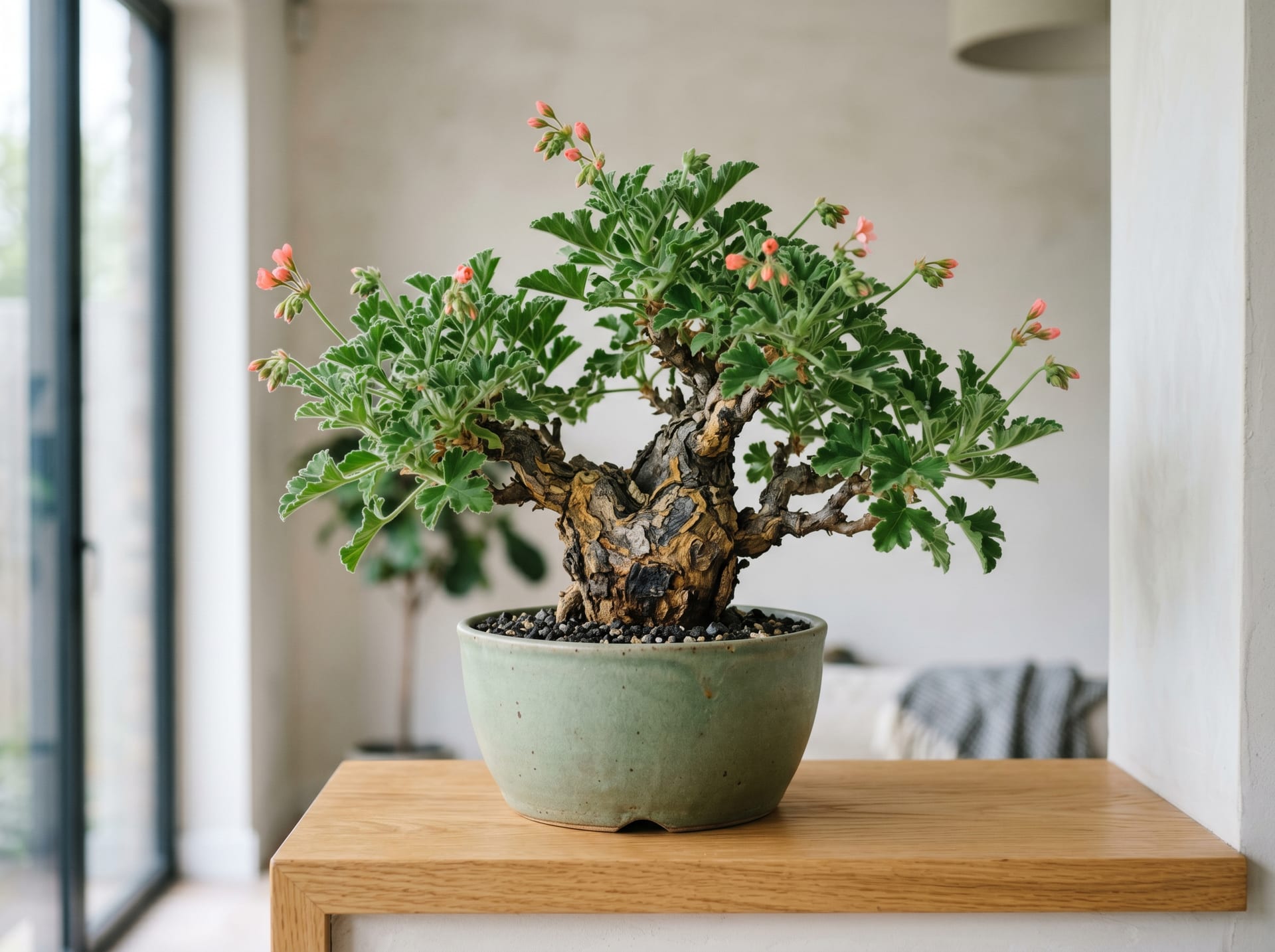
Pelargonium (Caudex)
Pelargonium caudex types are caudex-forming succulents native to South Africa, prized for the striking contrast between their swollen, gnarled rootstocks and delicate foliage or flowers. They are relatively slow-growing and drought-tolerant, making them approachable for beginners to caudex plants. With diverse leaf shapes and flower colors across species, they are highly collectible.
View Pelargonium (Caudex) encyclopedia →Grower Wanted!
List your plants on GrowerDirect and sell directly to customers nationwide!
6 Transparency Commitments from GrowerDirect
Our Grower disclose all key information for Caudex Plants listings, ensuring complete transparency on variety, origin, light needs, and difficulty.
- Variety Disclosed
- Real Plant Photos
- Color Details
- Origin Disclosed
- Light Requirements
- Difficulty Level
Browse all 146 varieties
Light Requirements
Difficulty Level
Verified growers wanted for Caudex Plants
Growers are signing up now ahead of launch. Subscribe to be notified when new listings go live.
Getting alerts is free with a member account. When new listings match your saved search, we'll notify you by email and in-app.
Browse other categories
Verified growers (preview)
Are you growing caudex plants?
Register as a grower and connect with buyers directly.
Apply as a growerPelargonium (Caudex) key facts
- Growing Difficulty
- Intermediate
- Light & Placement
- Prefers a sunny, well-ventilated spot. As a winter grower it leafs out from autumn to spring, so give it plenty of sun during that time.
- Watering
- In the cool growing season, water once the soil dries. It strongly dislikes wet soil and stagnant humidity, so always let the soil dry first.
- Dormancy Care
- In the hot, dry summer it drops its leaves and rests, so keep it nearly dry to prevent root rot. Resume watering when buds move in autumn.
- Temperature & Overwintering
- Cold tolerance varies by species, but all are frost-sensitive, so keep them in a bright spot that stays above 0°C through winter.
- Soil & Repotting
- Use a fast-draining mix with a generous share of pumice and hyuga pumice. Repot in autumn as growth begins.
About Pelargonium (Caudex)
Pelargonium is a genus of roughly 300 species in the family Geraniaceae, native primarily to South Africa and Namibia, with a subset of species forming distinctive caudices prized by succulent collectors worldwide. These plants evolved swollen rootstocks as a water and nutrient storage adaptation to rocky outcrops and sandy soils in arid regions, producing the gnarled, sculptural bases that define their appeal. Appearance varies considerably between species, ranging from smooth, pale-barked caudices to deeply furrowed forms, and even individual variation makes each specimen uniquely one-of-a-kind. During the growing season, plants produce finely divided leaves and delicate small flowers that contrast beautifully with the rugged caudex. Once their winter-growing, summer-dormant cycle is understood, these plants are not difficult to manage, and their drought tolerance makes them well-suited to busy growers.
7 things to know before growing Pelargonium (Caudex)
1Understand Dormancy
Most caudex pelargoniums are winter growers that go dormant in summer and actively grow from autumn through spring. During dormancy, reduce watering significantly and avoid forcing growth. Dormancy patterns vary by species, so confirm the type when purchasing.
2Master Watering Balance
The greatest risk is root rot from overwatering, as the caudex stores moisture. Even during the growing season, water only after the soil has fully dried out, and withhold water almost entirely during dormancy. Always use pots with drainage holes and well-draining soil mix.
3Provide Ample Sunlight
During the growing season, bright light including direct sun is essential. Insufficient light causes etiolation, weakens the caudex, and reduces flowering. For indoor growing, place near a south-facing window or supplement with a grow light.
4Choose Soil and Pot Wisely
Improve drainage by mixing 20–30% pumice or akadama into a commercial succulent mix. Terracotta pots offer good aeration and reduce rot risk, but dry out quickly, so monitor watering frequency. Plastic pots retain moisture longer, so extend the intervals between waterings.
5Fertilize Sparingly
Excessive fertilizing can damage roots and cause the plant to lose its compact, desirable form. A diluted slow-release fertilizer applied once a month during the growing season is sufficient. Avoid fertilizing during dormancy entirely.
6Protect from Frost
Most species tolerate winter temperatures above 5°C, but are highly sensitive to frost and freezing. Even during their active winter growth period, move plants indoors during severe cold spells. In unheated greenhouses, closely monitor minimum temperatures.
7Enjoy Caudex Development
The caudex slowly enlarges over the years, developing a more distinctive and characterful form with age. The joy of this plant lies in patiently nurturing its unique shape through consistent, appropriate care. Larger, more mature specimens also tend to command higher market value.
Frequently asked questions about Pelargonium (Caudex)
- Q.All leaves dropped in summer — is my plant dead?
- A.Most caudex pelargoniums are winter growers that shed their leaves and enter dormancy in summer. If the caudex remains firm, the plant is dormant, not dead. Simply reduce watering and wait — new growth will typically resume naturally in autumn.
- Q.How often should I water caudex pelargoniums?
- A.During the growing season (autumn through spring), water after the soil has dried completely, roughly every 2–7 days depending on conditions. Base your schedule on soil dryness rather than a fixed interval, as temperature, pot size, and soil mix all affect the rate. During dormancy, withhold almost all water, giving a small amount roughly once a month.
- Q.Can caudex pelargoniums be grown entirely indoors?
- A.Indoor cultivation is possible, but insufficient light is the main challenge. Place the plant near a bright south-facing window or supplement with a grow light to prevent etiolation. Ensure good air circulation as well to avoid excess humidity around the plant.
- Q.Why is the caudex becoming soft?
- A.A softening caudex is often a sign of root rot or severe dehydration. If the plant is not dormant and you have been watering regularly, suspect root rot — unpot immediately and inspect the roots. Remove any rotted tissue, allow the plant to dry, then repot in fresh well-draining soil; recovery is sometimes possible.
- Q.Can they be grown from seed, and how difficult is it?
- A.Growing from seed is possible, and many species have relatively good germination rates. However, developing a caudex of appreciable size takes several years, and reaching a truly impressive, mature form can take a decade or more. Starting from an established seedling or plant allows you to enjoy the hobby much sooner.
Handy Growing Tools for Pelargonium (Caudex)
Learn more about Pelargonium (Caudex) in the encyclopedia
View Pelargonium (Caudex) encyclopedia entry →
Care difficulty, size, origin and light needs — all basics covered.
Pelargonium (Caudex) related articles
See more Pelargonium (Caudex) articles →More in this category
Can't find the plant you're looking for?
Post your wishes for free and growers with matching plants will contact you with introductions.