 © Lidine Mia / CC BY-SA 4.0
Fockea multiflora
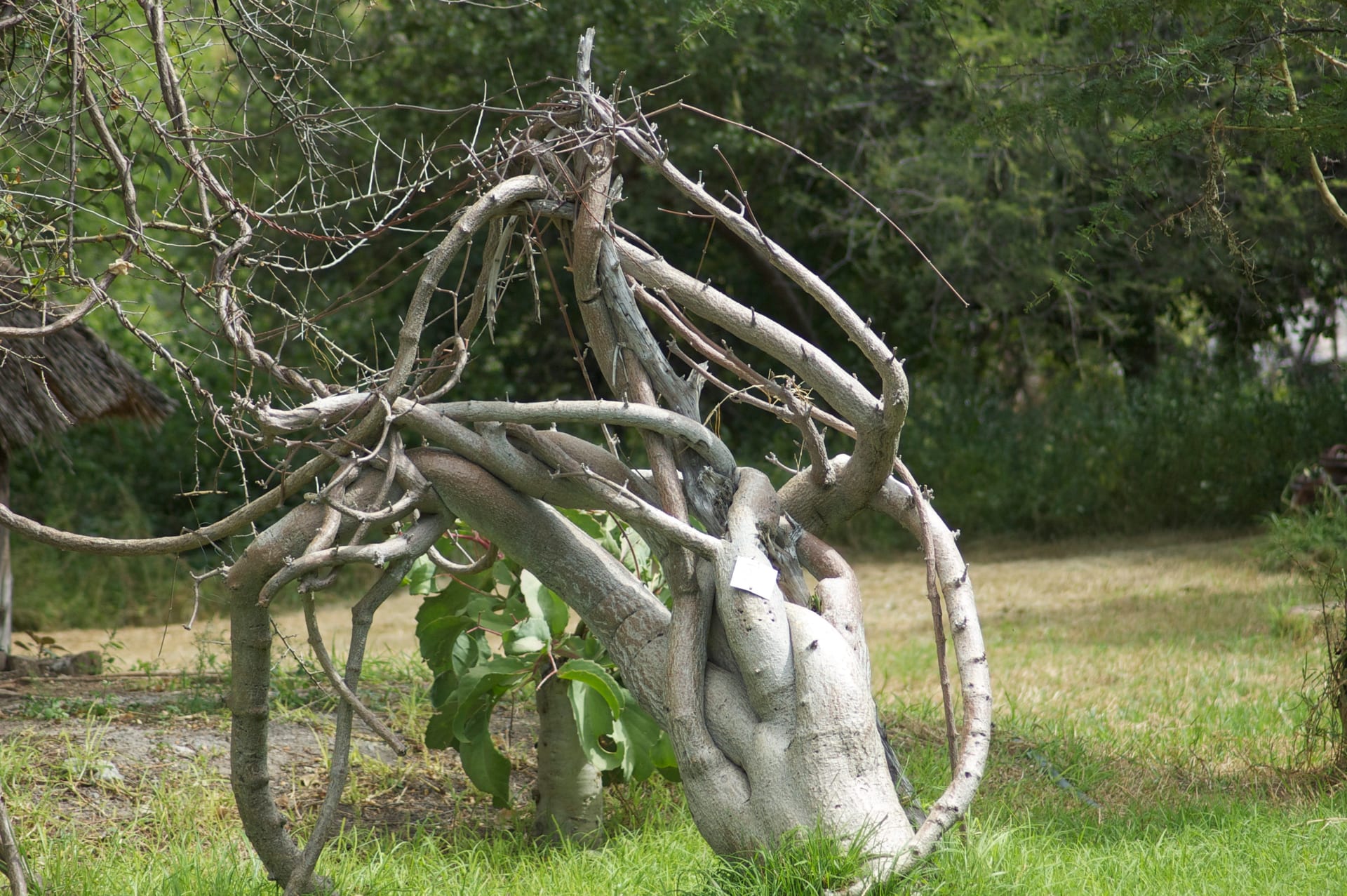
Fockea multiflora is a large-growing member of the Fockea genus, native to tropical Africa. In its natural habitat, its thick vining stems can stretch up to 15 meters as they climb through trees. Unlike caudex-forming relatives such as Fockea edulis, it doesn't develop a distinct caudex — instead, the base of its stem gradually thickens over time. While its vigorous, climbing growth habit is part of its appeal, it can also be trained and kept compact in a pot. This is considered an intermediate-level plant, well suited to growers who enjoy shaping a vine with real character.
View Fockea multiflora encyclopedia →0% commission on your first sales!Register by September 30, 2026 and your first 2 plants are commission-free!
Grower Wanted!
List your plants on GrowerDirect and sell directly to customers nationwide!
6 Transparency Commitments from GrowerDirect
Our Grower disclose all key information for Caudex Plants listings, ensuring complete transparency on variety, origin, light needs, and difficulty.
- Variety Disclosed
- Real Plant Photos
- Color Details
- Origin Disclosed
- Light Requirements
- Difficulty Level
Browse all 145 varieties
Light Requirements
Difficulty Level
Verified growers wanted for Caudex Plants
Growers are signing up now ahead of launch. Subscribe to be notified when new listings go live.
Getting alerts is free with a member account. When new listings match your saved search, we'll notify you by email and in-app.
Browse other categories
Verified growers (preview)
Are you growing caudex plants?
Register as a grower and connect with buyers directly.
Apply as a growerFockea multiflora key facts
- Growing Difficulty
- Intermediate
- Lifespan
- Long-lived woody climber (little published data)
- Size
- Stems up to 15 m long with a trunk about 30 cm thick in the wild; stays small in a pot
- Watering
- Light feeding in the growing season
- Light & Placement
- It comes from seasonally dry tropical hills. Grow it in bright light and either give the stems a support or cut them back.
- Watering
- A plant of regions with wet and dry seasons: water in the warm growing season, letting the mix dry between waterings.
- Temperature & Overwintering
- Native to tropical Africa, with little published data on cold tolerance; overwinter it in a warm room on the dry side.
- Soil & Repotting
- Use a free-draining mix; mature plants develop fleshy roots, so avoid soggy soil.
- Pests & Cautions
- Cut stems bleed white latex; wear gloves when pruning and keep it off skin and eyes.
About Fockea multiflora
A large tropical African Fockea species with thick, vining stems that climb trees. It doesn't form a distinct caudex — instead its trunk base thickens over time. An intermediate-level vining succulent.
7 things to know before growing Fockea multiflora
1Light and Airflow
During the growing season, give it a bright spot with good airflow. Strong midsummer sun, especially direct west-facing light, can scorch the leaves, so light afternoon shade is a good idea. Because it's a vine, training it up a stake or trellis as it grows helps keep the plant tidy.
2Watering by Season
Water thoroughly during the growing season once the soil surface has dried out. Growth slows during dormancy, so cut back on watering and let the soil stay on the dry side. Always make sure the pot drains well to avoid root rot from excess moisture.
3Well-Draining Soil
A fast-draining succulent or caudex-plant soil mix works well. Blend in plenty of drainage material like akadama or pumice and keep the organic content low to reduce the risk of root rot. Choose a pot with drainage holes.
4Repotting
Repot roughly every two to three years during the growing season to prevent the roots from becoming pot-bound. Since the base of the trunk gradually thickens, choose a pot size and shape that suits the plant's current form. After repotting, hold off on watering for a while to let the roots settle.
5Winter Temperature Care
As a native of tropical Africa, this plant is sensitive to cold. Bring it indoors to a bright, warm spot as temperatures drop. Since growth naturally pauses during dormancy, there's no need to force it — just let it rest quietly.
6Training the Vine
In the wild its vines can reach up to 15 meters, but in a pot you can keep it compact by training it up a stake or trellis. Trimming back overly long vines from time to time also lets you focus growth toward thickening the base of the trunk.
7Choosing a Healthy Plant
Look for a plant whose trunk base feels firm and has some visible thickness — that's a good sign of condition. Also check that the vines and leaves are free of major damage, and that new growth is active during the growing season, which is a good indicator of overall health.
Frequently asked questions about Fockea multiflora
- Q.Does Fockea multiflora form a caudex?
- A.No — unlike its relative Fockea edulis, it doesn't develop a distinct caudex. Instead, the base of its trunk gradually thickens over time, which is one of this species' defining traits.
- Q.How long do the vines grow?
- A.In its native habitat, the vines can reach roughly 15 meters in length. In a pot, you can keep it more compact by training it onto a stake or trellis and trimming it back periodically.
- Q.Is this a good plant for beginners?
- A.It's generally considered an intermediate-level plant. Getting the watering timing and seasonal temperature care right takes some practice, so prior experience with succulents or caudex plants is helpful.
- Q.How should I care for it over winter?
- A.Since it's native to tropical Africa, it's sensitive to cold, so bring it indoors to a bright spot before temperatures drop. Growth slows during dormancy, so water more sparingly and let it rest quietly.
- Q.How long does this plant live?
- A.It's a long-lived woody vine, though detailed data on its lifespan is limited. With consistent care, you can enjoy watching its trunk base thicken gradually over many years.
Handy Growing Tools for Fockea multiflora
Learn more about Fockea multiflora in the encyclopedia
View Fockea multiflora encyclopedia entry →
Care difficulty, size, origin and light needs — all basics covered.
More in this category
Can't find the plant you're looking for?
Post your wishes for free and growers with matching plants will contact you with introductions.