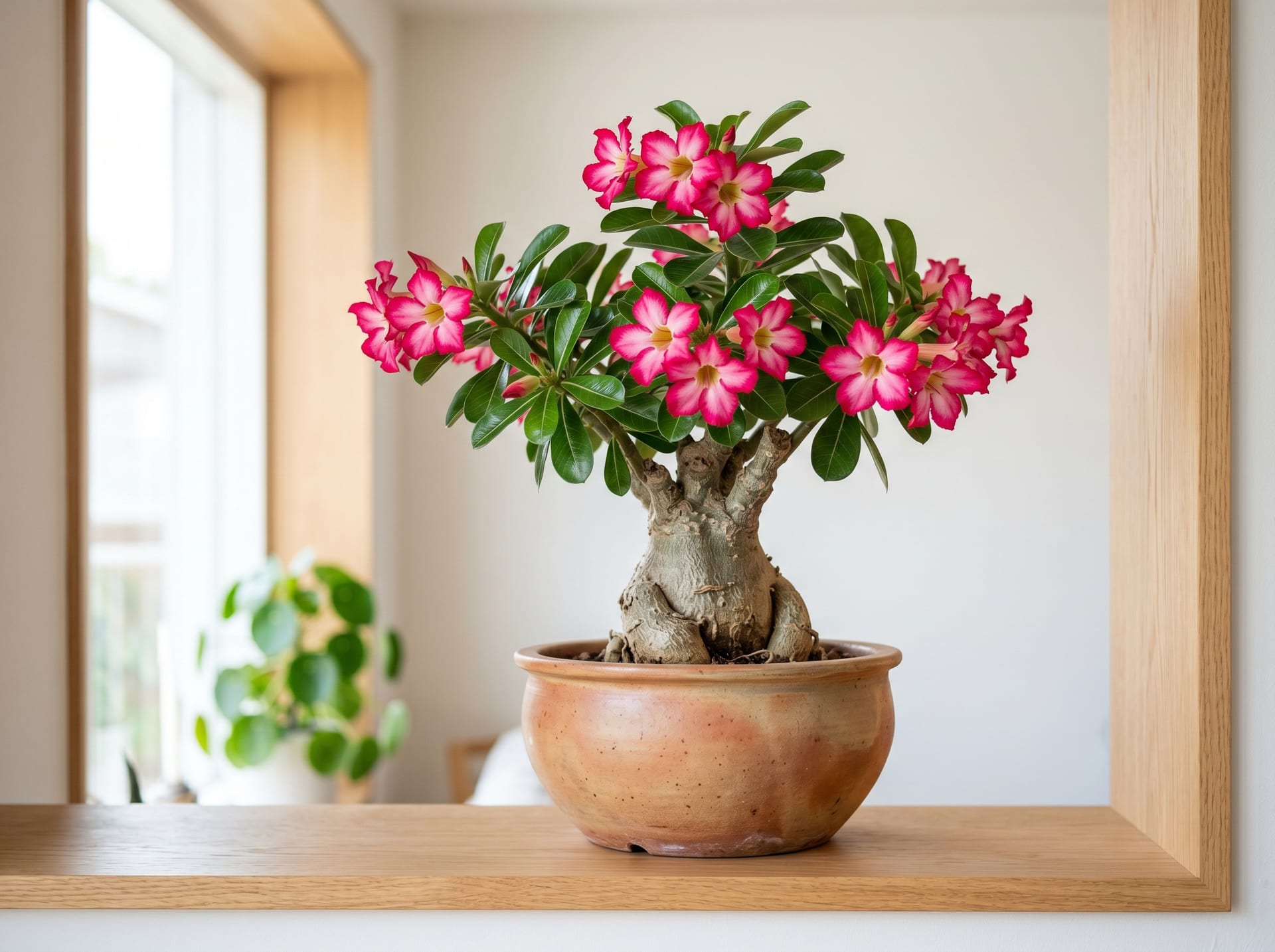
Adenium
The 'Desert Rose' from Africa and Arabia. Plump caudex with showy pink/red flowers. Ideal caudex starter — develops thick caudex relatively quickly from seed. Extensive Thai breeding programs.
View Adenium encyclopedia →0% commission on your first sales!Register by September 30, 2026 and your first 2 plants are commission-free!
Grower Wanted!
List your plants on GrowerDirect and sell directly to customers nationwide!
6 Transparency Commitments from GrowerDirect
Our Grower disclose all key information for Caudex Plants listings, ensuring complete transparency on variety, origin, light needs, and difficulty.
- Variety Disclosed
- Real Plant Photos
- Color Details
- Origin Disclosed
- Light Requirements
- Difficulty Level
Browse all 146 varieties
Light Requirements
Difficulty Level
Verified growers wanted for Caudex Plants
Growers are signing up now ahead of launch. Subscribe to be notified when new listings go live.
Getting alerts is free with a member account. When new listings match your saved search, we'll notify you by email and in-app.
Browse other categories
Verified growers (preview)
Are you growing caudex plants?
Register as a grower and connect with buyers directly.
Apply as a growerAdenium key facts
- Growing Difficulty
- Beginner-friendly
- Lifespan
- Several decades or more
- Size
- 20-100cm (total height)
- Temperature
- 10〜40℃
- Watering
- Water: when dry in growth season / withhold after leaf drop
- Light & Placement
- Direct sun is ideal, and the sunnier the spot, the better it flowers. Too little light gives leggy growth and fewer blooms.
- Watering
- In the growing season, water thoroughly once the soil dries. After leaves drop with cooler temperatures, it is dormant, so reduce or stop watering.
- Temperature & Overwintering
- Its range is 10-40°C, with 25-35°C ideal. Cold tolerance is low, so overwinter in a bright, frost-free indoor spot.
- Soil & Repotting
- A fast-draining mix of akadama and pumice is the standard. Repot in the growing season once the swollen caudex crowds the pot.
- Propagation
- Seed-grown plants develop a caudex relatively quickly. Sowing seed lets you enjoy the swelling caudex from an early stage.
- Pests & Cautions
- The sap is toxic. Wash your hands after contact during pruning and keep the plant away from pets and children.
About Adenium
Adenium is a caudex plant in the Apocynaceae family, native to the arid regions of East Africa and the Arabian Peninsula, where it grows naturally on rocky slopes and sandy soils. Its most defining feature is the dramatically swollen base — the caudex — which gives the plant a sculptural, bonsai-like presence. From spring through summer it produces an abundance of flowers in deep pink, red, white, and multicolored combinations, making it one of the most florally rewarding of all caudex plants. Since the 1990s, breeders in Thailand have developed an impressive range of cultivars with double flowers, striped petals, and novel color patterns now distributed worldwide. Growth is relatively vigorous, and even seed-grown plants develop into impressive specimens within a few years. While drought-tolerant and easy to manage overall, adenium's two key vulnerabilities are cold temperatures and overwatering — in Japan, bringing it indoors in winter and keeping watering disciplined are the main care priorities. It offers the sculptural appeal of a true caudex alongside generous blooms, making it an ideal starting point for anyone exploring the world of succulent plants.
Featured Growers Selling Adenium
Browse all Adenium growers (1 total) →7 things to know before growing Adenium
1Full Sun Requirements
Adenium thrives in direct sunlight and will etiolate and bloom poorly without sufficient light. Outdoors, aim for at least 6 hours of direct sun daily from spring through autumn. Indoors, place near a south-facing window or supplement with a grow light.
2Winter Care Indoors
Adenium is cold-sensitive; growth slows below 15°C and the plant risks root rot below 10°C. In Japan, bring plants indoors from late October through early April. During winter dormancy, withhold water entirely or water only minimally.
3Drought-First Watering
Because Adenium stores water in its caudex, overwatering is the leading cause of root rot. Even during the growing season (spring–autumn), wait until the soil has been completely dry for several days before watering again. Never let the pot sit in standing water.
4Well-Draining Soil Mix
Use a fast-draining mix such as commercial succulent soil blended with 30–50% pumice or small-grain akadama. Standard potting soil retains too much moisture and should be avoided. Terracotta or unglazed clay pots promote airflow around the roots.
5Plant Toxicity Alert
Adenium sap contains cardiac glycosides, which are toxic to humans and animals if ingested. Wear gloves when pruning or repotting, and wash hands thoroughly afterwards. Keep plants out of reach of pets and small children.
6Growing from Seed
Adenium is commonly grown from seed, with a high germination rate and sprouts appearing within weeks. Seedlings on their own roots tend to be more robust than grafted plants, and often develop a displayworthy caudex within 2–3 years. Seed freshness significantly affects germination, so source seeds as fresh as possible.
7Fertilizing and Pruning
To encourage flowering, apply a phosphorus-rich fertilizer once or twice a month during the growing season. Excess nitrogen promotes leafy growth at the expense of blooms. Pinching or pruning branch tips increases branching and can boost flower count the following season. Prune during the growing season and allow cut surfaces to dry before resuming watering.
Frequently asked questions about Adenium
- Q.Is adenium suitable for beginners?
- A.Yes, adenium is considered one of the more beginner-friendly caudex plants. It grows robustly as long as basic care is followed, though you'll need to be mindful of overwatering and cold temperatures. Start with three key rules: keep it on the dry side, give it plenty of sunlight, and bring it indoors in winter.
- Q.Why won't my adenium flower?
- A.The most common cause is insufficient sunlight. Try moving the plant to a spot that receives direct sun for at least six hours a day. Excess nitrogen fertilizer can also promote leafy growth at the expense of flowers — switching to a slow-release fertilizer higher in phosphorus often helps.
- Q.How should I care for adenium in winter?
- A.When temperatures drop below 15°C, move the plant to a bright spot indoors. It may drop its leaves and enter dormancy — this is completely normal. During this period, stop watering or water only once a month in small amounts, and keep conditions stable until spring.
- Q.What is the difference between Thai cultivars and wild-type adenium?
- A.Thai cultivars are selected primarily for floral diversity — double flowers, striped petals, and picotee edges are common and widely available. Wild-type adenium tends to have smaller, simpler blooms but often shows stronger caudex development and a more rugged overall form. The choice comes down to whether you prioritize flower display or plant structure.
- Q.How often and when should I repot adenium?
- A.Repot every one to two years, ideally in spring before active growth begins (around April–May). Wait until the roots fill the pot, then move up to the next pot size. Plant slightly shallowly so the upper portion of the caudex sits above the soil line — this highlights the plant's sculptural base.
Handy Growing Tools for Adenium
Learn more about Adenium in the encyclopedia
View Adenium encyclopedia entry →
Care difficulty, size, origin and light needs — all basics covered.
Adenium related articles
Adenium (Desert Rose) Overwintering Management | Winter Temperature, Water, and Dormancy Strategy
Adenium is a caudex plant native to the tropics, and winter management is the greatest challenge. This article provides detailed, practical overwintering strategies covering essential temperature management, securing light, and water adjustment, from autumn preparation through winter watering and spring recovery. It also covers troubleshooting for common problems such as leaf drop, root rot, and poor sprouting.
Adenium Flower Color Genetics and Cultivation | Crossing and Selection Techniques for Enhancing Pink Intensity
Adenium flower color is genetically determined and can be shifted toward deep pink through crossing and selection. This article explains the mechanisms of flower color inheritance, how to choose crossing parents and breeding strategy, the process of seed development and selection, and points to note when stabilizing selected lines.
Caudex Plants' Flowering Season and Seasonal Signs | Complete Guide to Management Timing for Full Bloom
Explains flowering season, seasonal signs, and management methods to promote blooming for caudex plants such as Pachypodium and Adenium. A comprehensive guide to maximizing enjoyment of their beautiful flowers.
Adenium Variety Popularity Ranking TOP 8 | How to Choose Desert Roses: Arabicum, Obesum, Socotranum, and More
A thorough comparison of popular Adenium genus varieties ranked. Covers Obesum, Arabicum, Thai Socotranum, Socotranum, Somalense, and more with explanations of origin, trunk shape, flowers, growth rate, seed propagation/grafting, and price range. A comprehensive desert rose variety selection guide covering beginner-friendly choices, cautions about toxic sap and import quarantine, and FAQs.
Caudex Plants 2026: Complete Guide to Trending Varieties | Latest Trends in Pachypodium, Adenium & Operculicarya
A comprehensive guide to trending caudex plant varieties among growers and collectors in 2026, featuring rankings, price ranges, and availability difficulty. Includes Pachypodium, Adenium, Operculicarya, and other popular new arrivals.
Adenium Root Development Management Complete Manual | How to Ensure Bare-root Plants Develop Roots
Complete manual for rooting bare-root Adenium (Desert Rose) and imported plants. Detailed explanation of environment setup for root development management, soil selection, how to use heat mats, watering timing, and how to confirm root development.
More in this category
Can't find the plant you're looking for?
Post your wishes for free and growers with matching plants will contact you with introductions.